Artwork
The Vintages!: Seven Owls and a Serpent
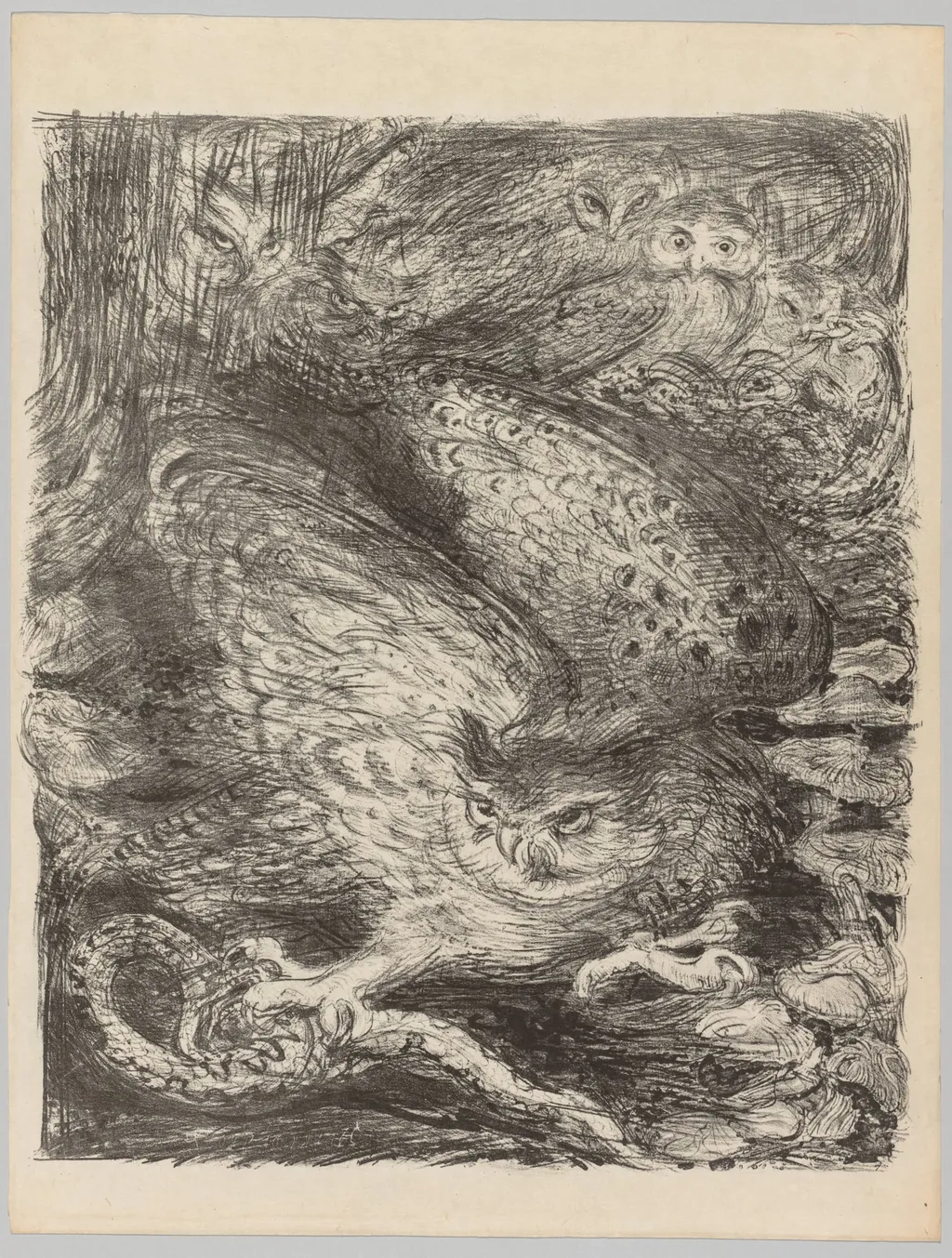
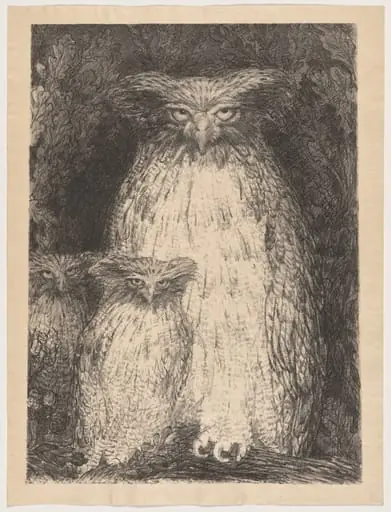
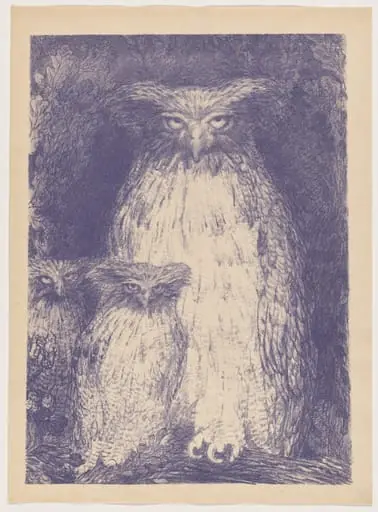
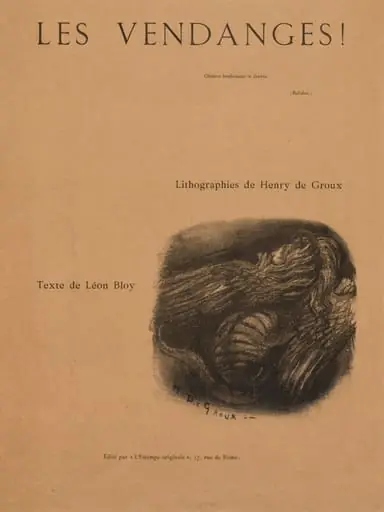
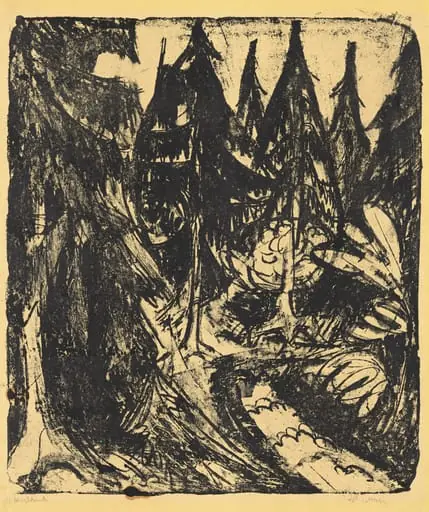
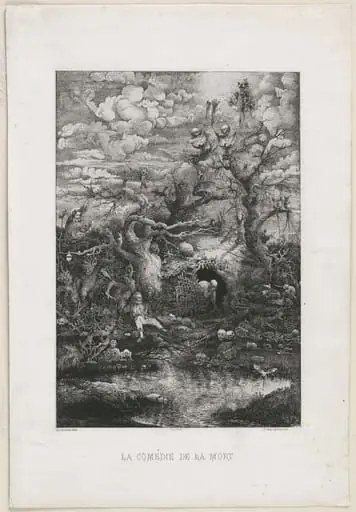
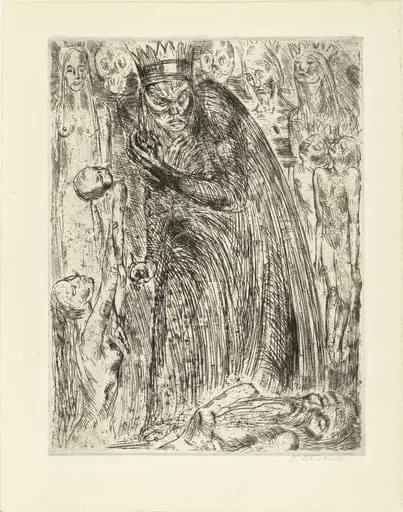
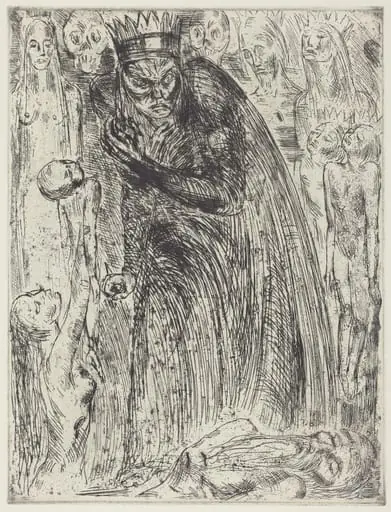
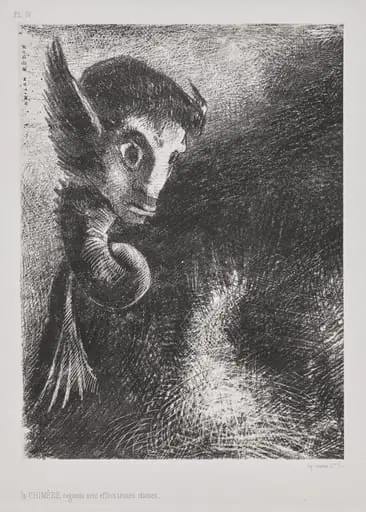
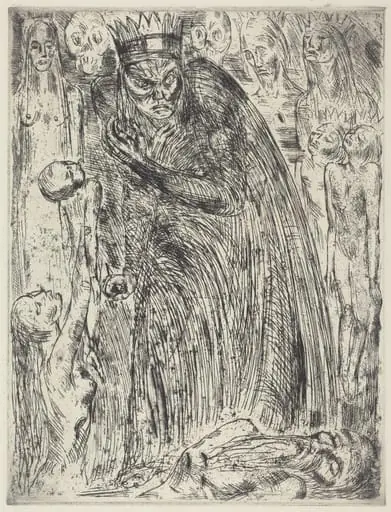
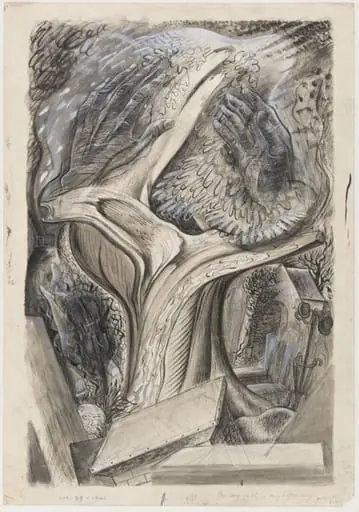
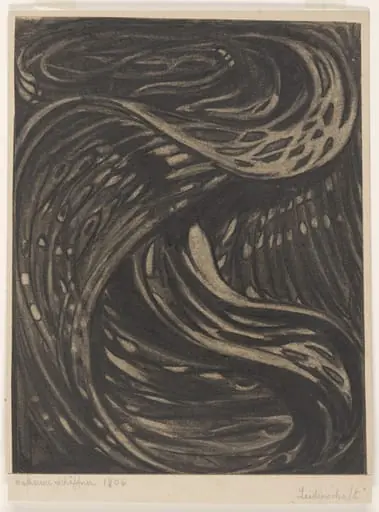
The Vintages!: Seven Owls and a Serpent is a print by the Impressionist artist Henri de Groux. It dates from 1900 and is held in the collection of the Cleveland Museum of Art.
About this work
Overview
Though initially known for dramatic historical scenes, de Groux increasingly turned to enigmatic, nature-infused allegories.
Created around 1900 by Belgian artist Henri de Groux, this lithograph titled *The Vintages!: Seven Owls and a Serpent* belongs to his later Symbolist period. Though initially known for dramatic historical scenes, de Groux increasingly turned to enigmatic, nature-infused allegories. The work is held in the collection of the Cleveland Museum of Art, where it represents his shift toward mystical, non-narrative imagery rooted in organic forms and symbolic creatures.
Subject & Meaning
The image presents seven owls and a serpent in a dense, ambiguous composition, evoking themes of wisdom, secrecy, and transformation. Rather than telling a specific story, the arrangement suggests a ritualistic or mythic moment, characteristic of Symbolist interest in the unseen and the subconscious. The serpent’s coiled presence and the owls’ watchful stillness imply a tension between knowledge and danger, leaving interpretation open to the viewer’s intuition.
Technique & Style
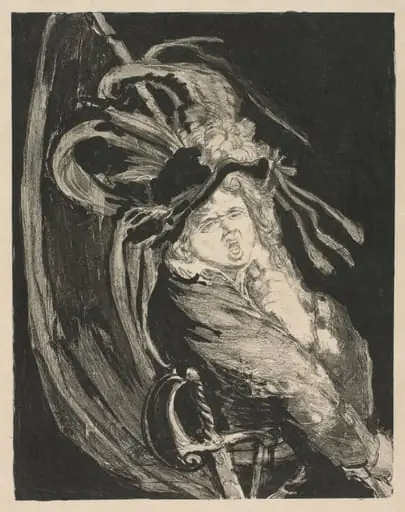
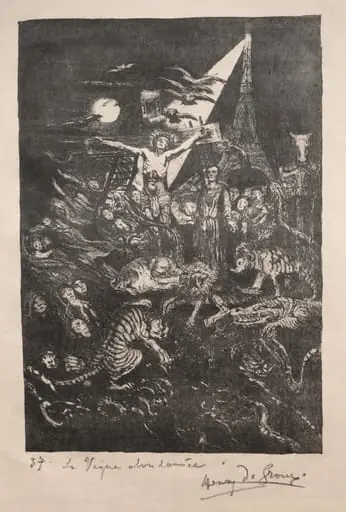
De Groux employed lithography to achieve rich tonal contrasts and fluid, organic lines. The print’s dark, textured backgrounds isolate the figures in a dreamlike space, emphasizing their symbolic weight over realism. His brushwork in the stone is loose yet deliberate, blending naturalistic detail with stylized abstraction. This technique aligns with Symbolist priorities: mood over clarity, suggestion over declaration.
History & Provenance
Henri de Groux produced this work during his time in Paris, following his early prominence in Brussels’ avant-garde scene. After initial acclaim for religious and historical subjects, his focus shifted toward esoteric themes in the 1890s. *The Vintages!* emerged from this phase, reflecting his growing disengagement from conventional narrative. The print entered the Cleveland Museum of Art’s collection in the 20th century, where it remains a key example of his late Symbolist output.
Context
In late 19th-century Europe, Symbolism rejected realism in favor of inner experience and myth. Artists like de Groux turned to animals, dreams, and archetypes to express psychological and spiritual states. *The Vintages!* aligns with broader trends in French and Belgian Symbolist printmaking, where lithography allowed for intimate, atmospheric expression. The work reflects a cultural moment seeking meaning beyond the material world.
Legacy
Though less widely known than contemporaries like Redon or Moreau, de Groux’s prints contributed to the evolution of Symbolist visual language. *The Vintages!* exemplifies how lithography could convey mystery without illustration. Its presence in a major American museum underscores its role in transmitting European Symbolist aesthetics beyond the continent, influencing later generations interested in allegorical and non-literal imagery.
Artist & collection
Artist
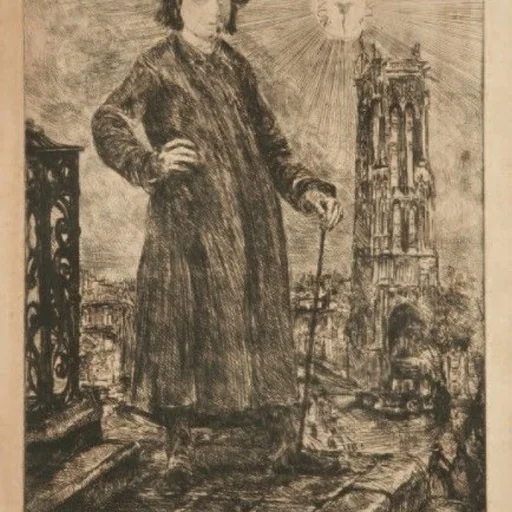
Henry de Groux (15 September 1866 – 12 January 1930) was a Belgian Symbolist painter, sculptor and lithographer.