Artwork
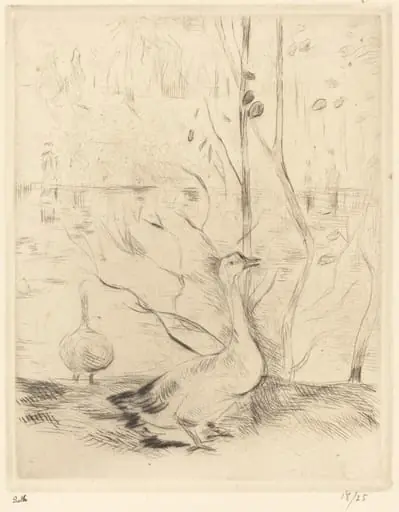
L'Oie
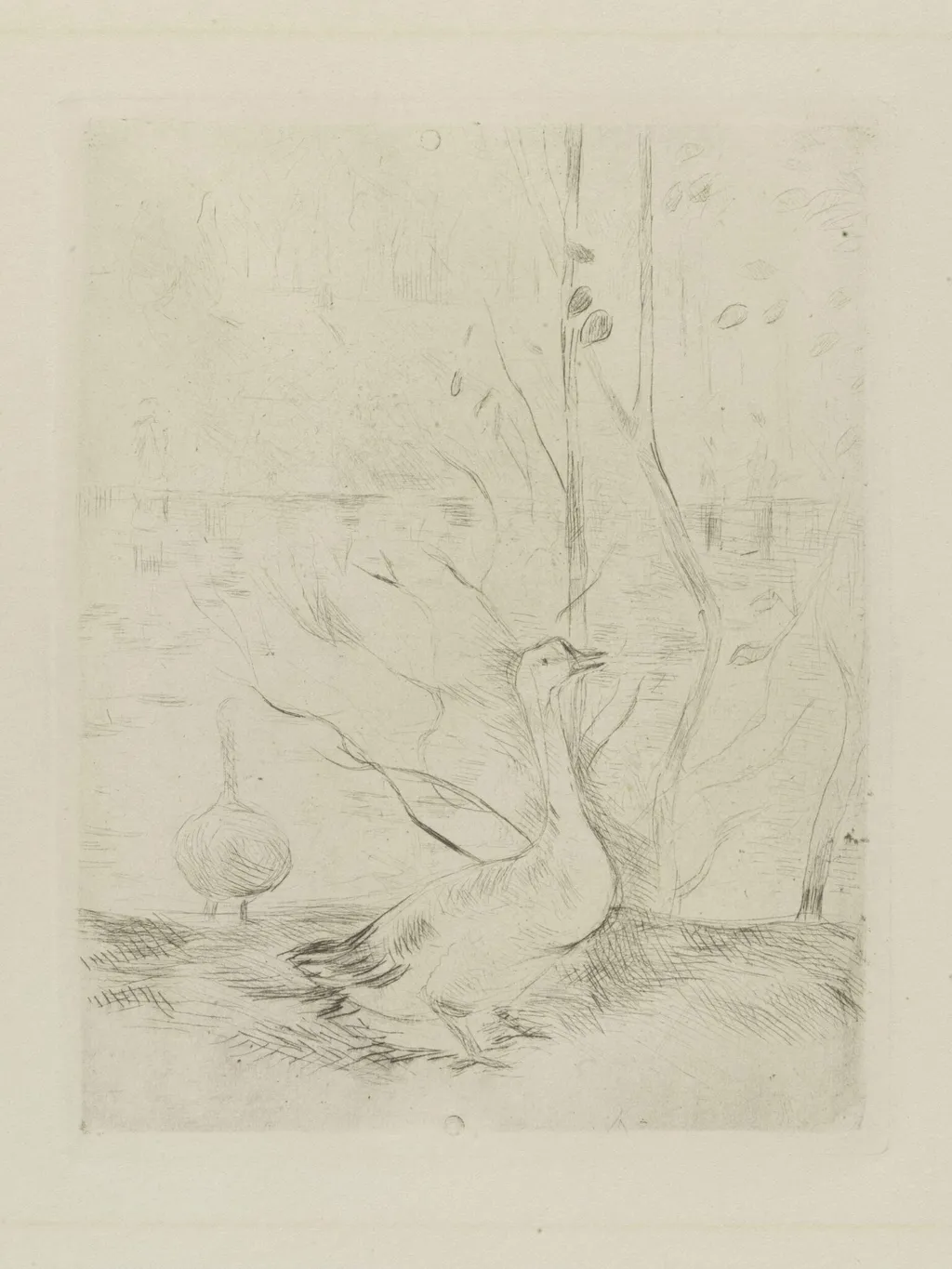
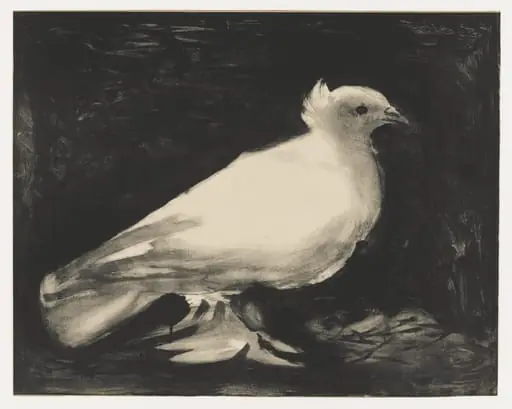
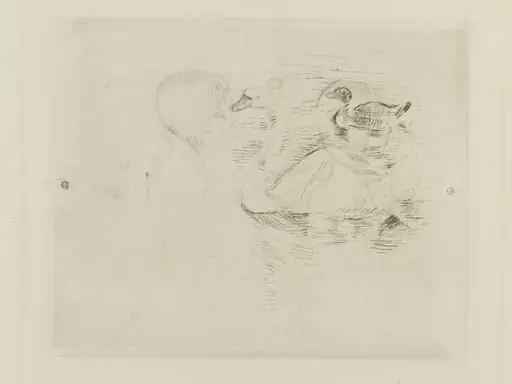
L'Oie is a print by the Impressionist artist Berthe Morisot. It dates from 1889 and is held in the collection of the Victoria and Albert Museum.
About this work
This print shows a simple goose standing sideways. Its lines look scratchy and soft at the same time. The artist used a drypoint needle on a metal plate, then inked it by hand.
Morisot made only eight of these in 1878. She kept the bird’s shape loose, letting the plate’s rough edges show. It feels quick, like a sketch that turned into art.
Check out Morisot, Berthe for more.
Overview
L'Oie is a drypoint print by Berthe Morisot, created around 1878 as part of a suite of eight prints. The work depicts a goose in a simple, sideways pose.
Subject & Meaning
The print features a loose, sketch-like representation of a goose, with the artist intentionally leaving the plate's rough edges visible. The simplicity of the image suggests a focus on capturing a moment or impression.
Technique & Style
Morisot employed drypoint technique, using a needle to scratch lines onto a metal plate, which was then inked by hand. The resulting image has a soft, scratchy quality, characteristic of drypoint prints.
History & Provenance
The print was not published during Morisot's lifetime. It was printed by Ambroise Vollard in 1921, 26 years after her death, from the original plates.
Artist & collection

Artist
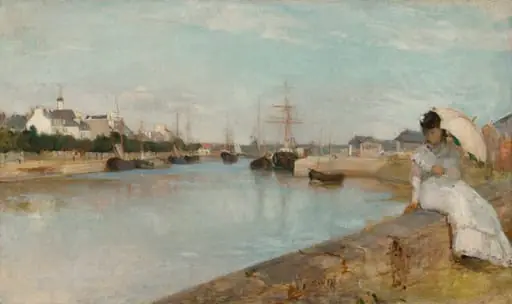
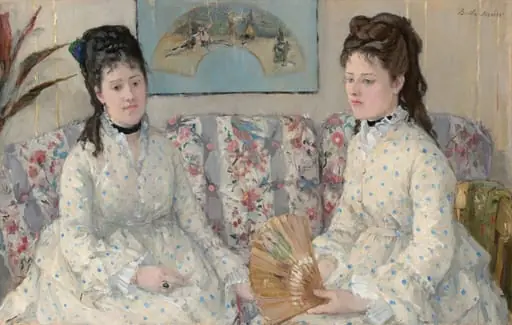
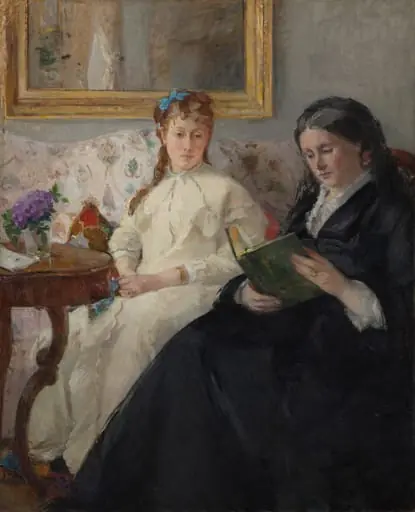
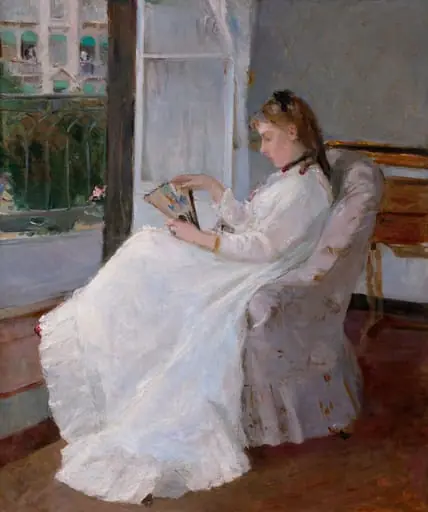
Berthe Marie Pauline Morisot (French: ; 14 January 1841 – 2 March 1895) was a French painter, printmaker and a member of the circle of painters in Paris who became known as the Impressionists.

 Walk in the Boulogne Wood
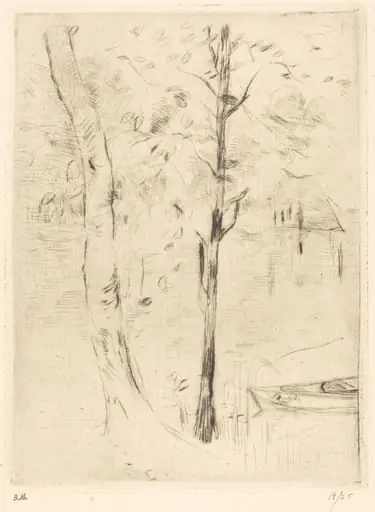 Lake with Rowboat
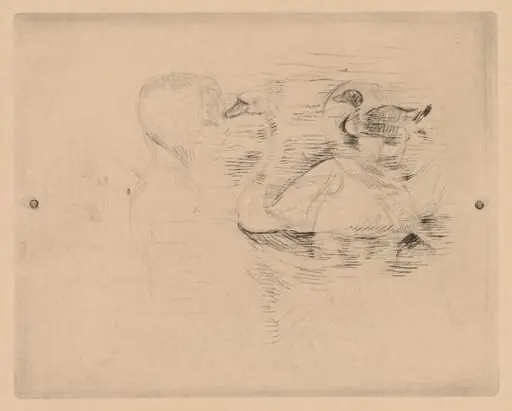 Swan and Duck, with portraits of Julie (Cygne et canard, avec portraits de Julie, or Cygne et canard, essai)
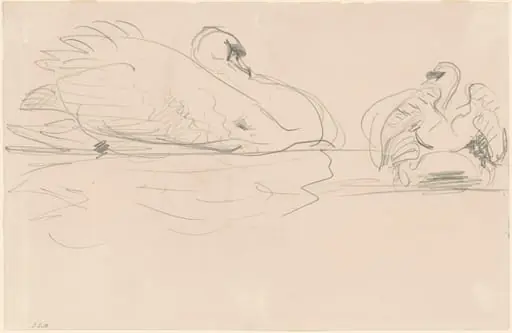 Swans in the Water
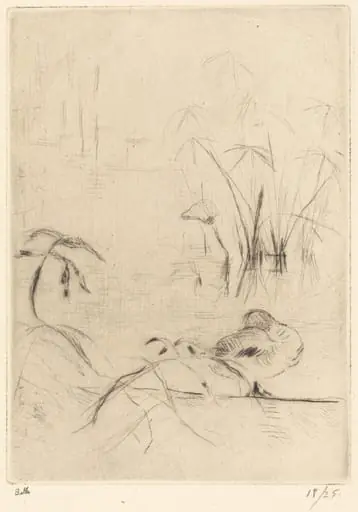 Ducks at Rest on the Bank
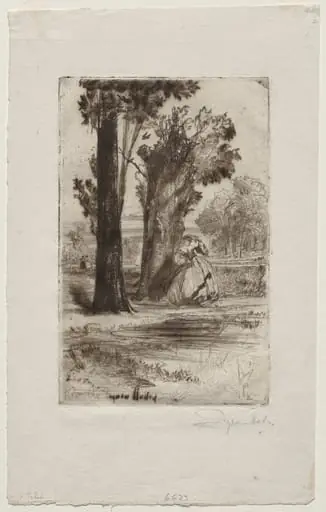 Vicarage at Sonning
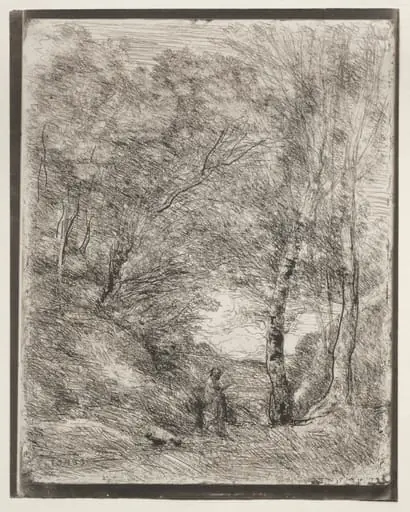 The Gardens of Horace
 Untitled
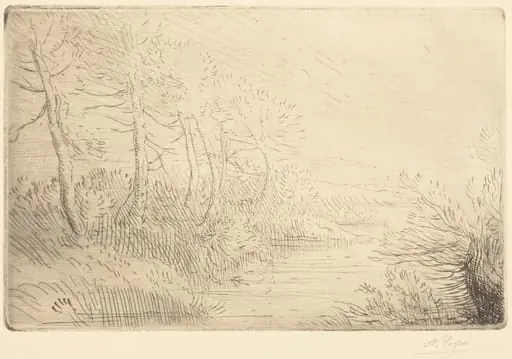 Riverbank (Bord de la riviere)
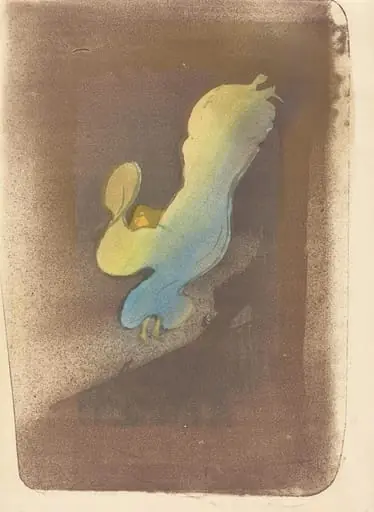 Miss Loïe Fuller
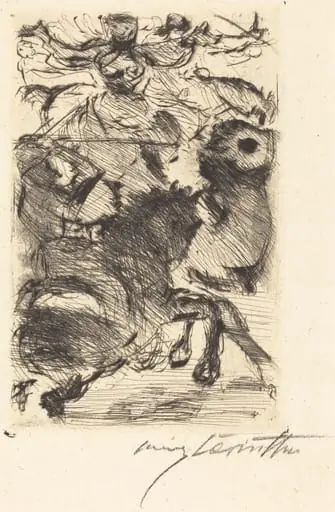 Adhba die Kamelin (Adhba the Camel)
 Swan and Duck