Artwork
Fire of the house the Wolvin in Brussels in 1690
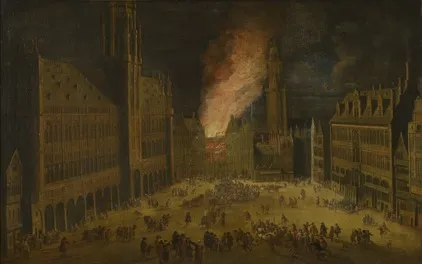
Fire of the house the Wolvin in Brussels in 1690 is an oil painting by the Flemish Baroque painting artist Theodoor van Heil. It is held in the collection of the Royal Museums of Fine Arts of Belgium.
About this work
Overview
Painted in 1696 by Theodoor van Heil, this oil on canvas depicts a catastrophic fire that consumed the Wolvin house in Brussels.
Painted in 1696 by Theodoor van Heil, this oil on canvas depicts a catastrophic fire that consumed the Wolvin house in Brussels. Though the event occurred in 1690, van Heil rendered it six years later, capturing the moment with heightened drama. The work belongs to a small group of Flemish paintings focused on urban conflagrations, reflecting both local memory and artistic interest in destruction as a subject.
Subject & Meaning
The scene portrays the destruction of a prominent Brussels residence amid a crowded city square. Figures scramble in all directions—some flee, others attempt to douse the flames with buckets. The fire is not merely a disaster but a spectacle, drawing onlookers who stand frozen in awe. The painting suggests a tension between human helplessness and the overwhelming force of nature, common in Baroque interpretations of calamity.
Technique & Style
Van Heil employed vigorous brushwork and contrasting tones to amplify the chaos. Dark, smoky skies press down on the scene, while the fire’s orange and yellow hues blaze against them. Figures are rendered with swift, simplified strokes, emphasizing movement over detail. The composition directs the eye toward the central inferno, using diagonal lines of smoke and fleeing bodies to heighten tension and spatial depth.
History & Provenance
The painting entered the collection of the Royal Museums of Fine Arts of Belgium in the 19th century, where it remains today. While little is documented about its early ownership, its survival through centuries suggests it was valued as a record of a significant local event. Van Heil’s reputation as a chronicler of urban fires likely contributed to its preservation as a historical document.
Context
In late 17th-century Brussels, fires were frequent and devastating due to dense wooden construction and limited firefighting resources. Van Heil’s depiction aligns with a broader Flemish tradition of recording civic disasters, often commissioned or viewed as moral reminders of impermanence. His focus on urban destruction distinguishes him from contemporaries who favored serene landscapes or religious themes.
Legacy
Though not widely known outside Belgium, van Heil’s fire scenes remain among the most vivid records of urban catastrophe in Flemish art. This painting contributes to a niche but important genre that documents the vulnerability of early modern cities. It continues to serve as a visual archive, offering insight into how communities witnessed and responded to disaster before the age of photography.
Artist & collection
Artist
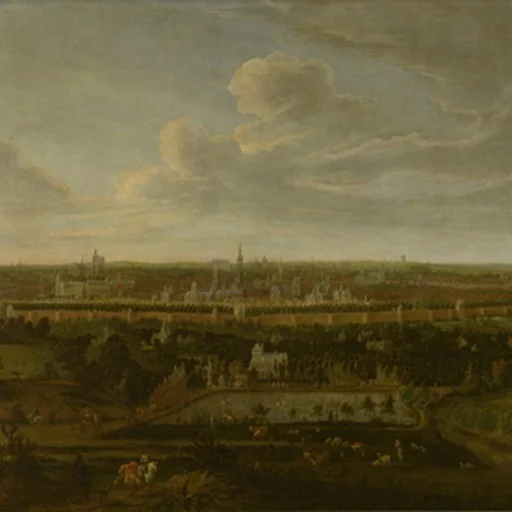
Theodoor van Heil (Brussels, 1635 – after 1691), was a Flemish landscape painter known for his winter landscapes, city views and scenes of burning cities.

Museum
Royal Museums of Fine Arts of Belgium
Continue through works from the same source collection.
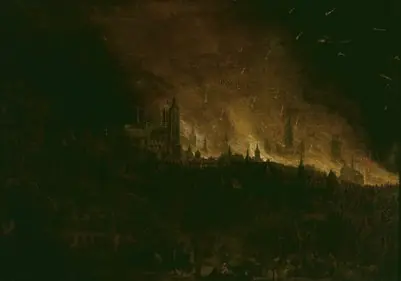
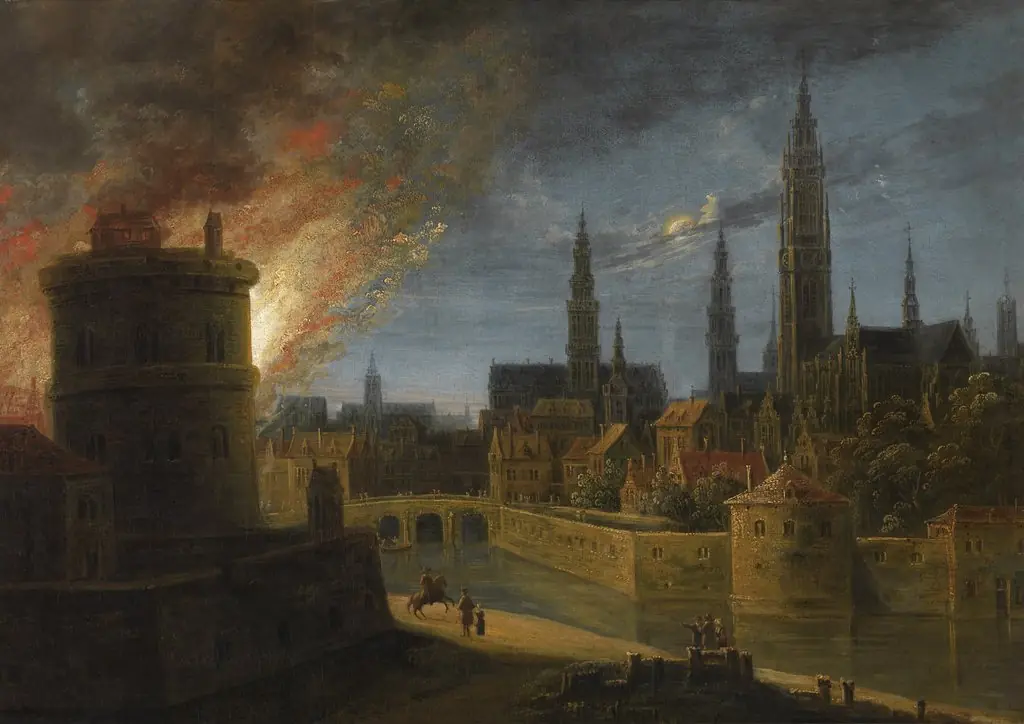 Fire in Antwerp
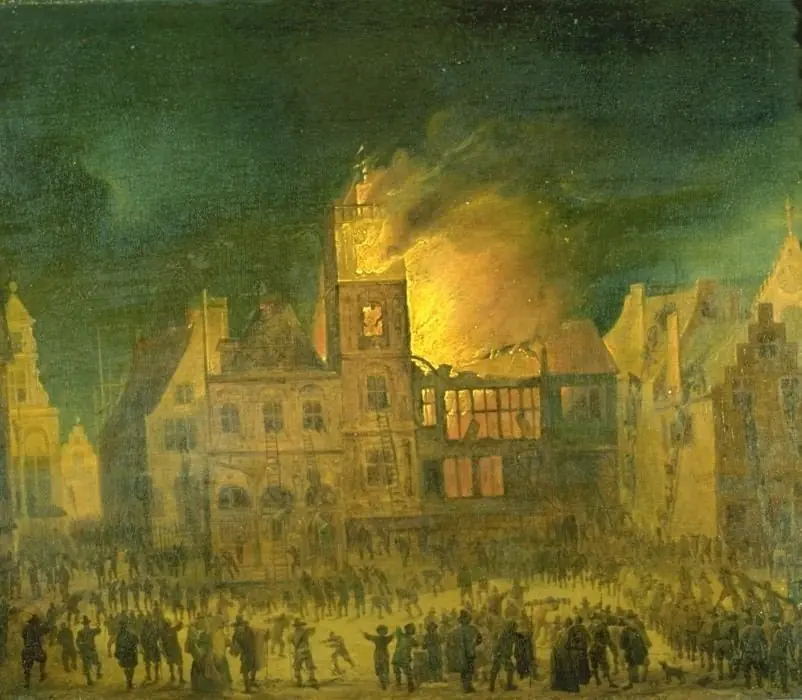 Fire in the Old City Hall of Amsterdam
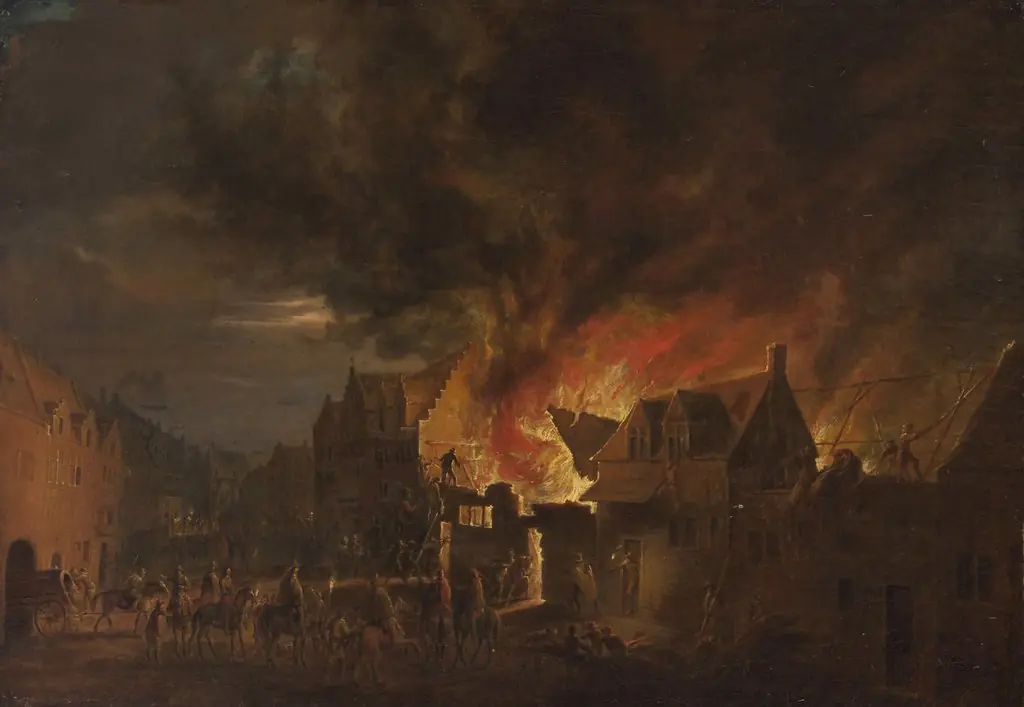 Archduke Leopold Wilhelm at a nocturnal fire
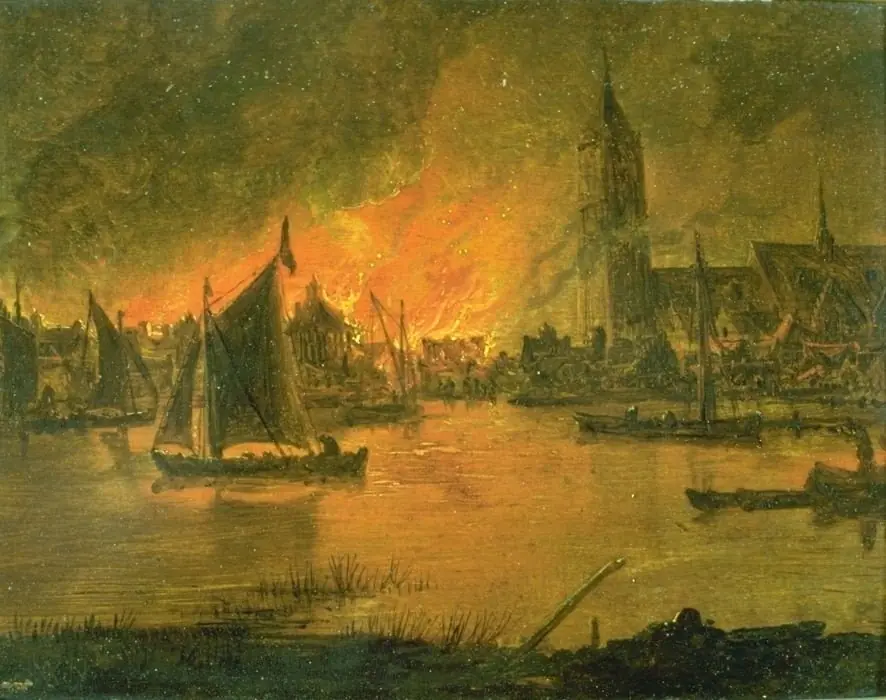 Fire in the Old City Hall of Amsterdam
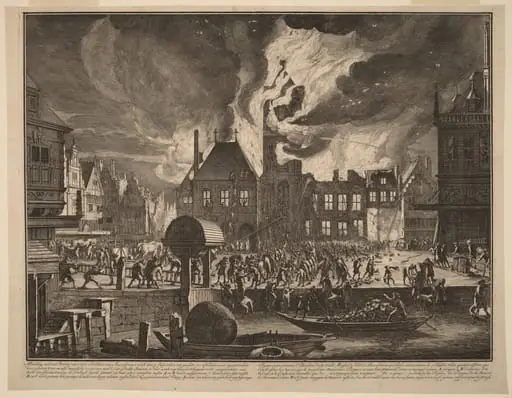 Burning of the Old Amsterdam Town Hall
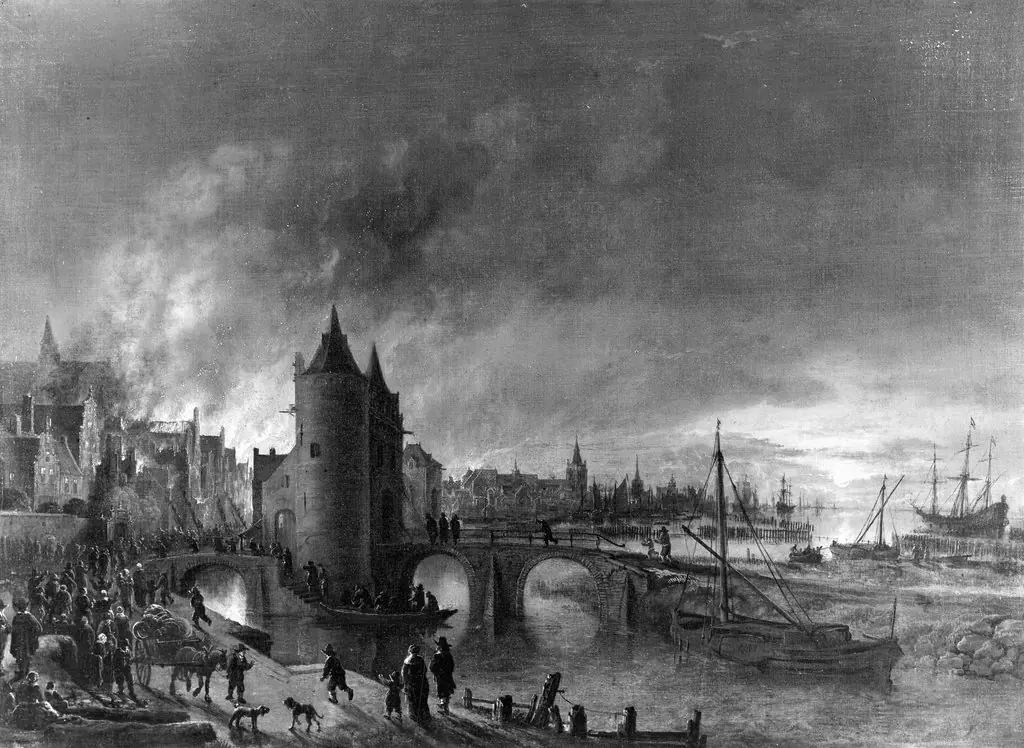 Fire in a Dutch city
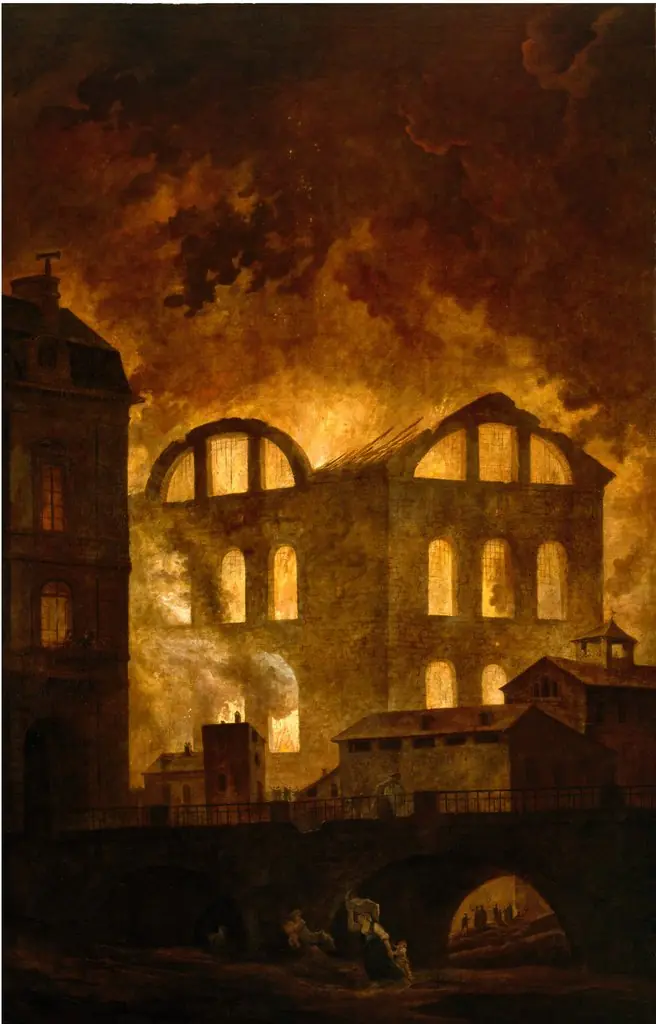 The Fire at the Opera House of the Palais-Royal
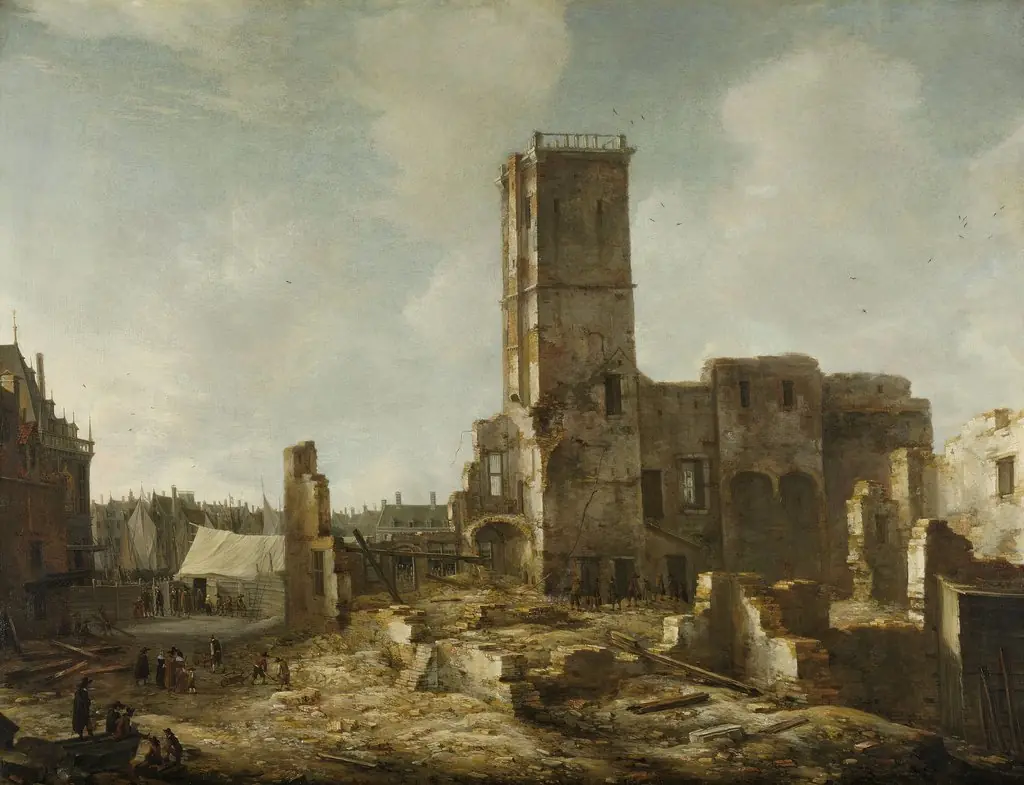 The ruins of the old town hall of Amsterdam after the fire of 7 July 1652