Artwork
Logodna Fecioarei
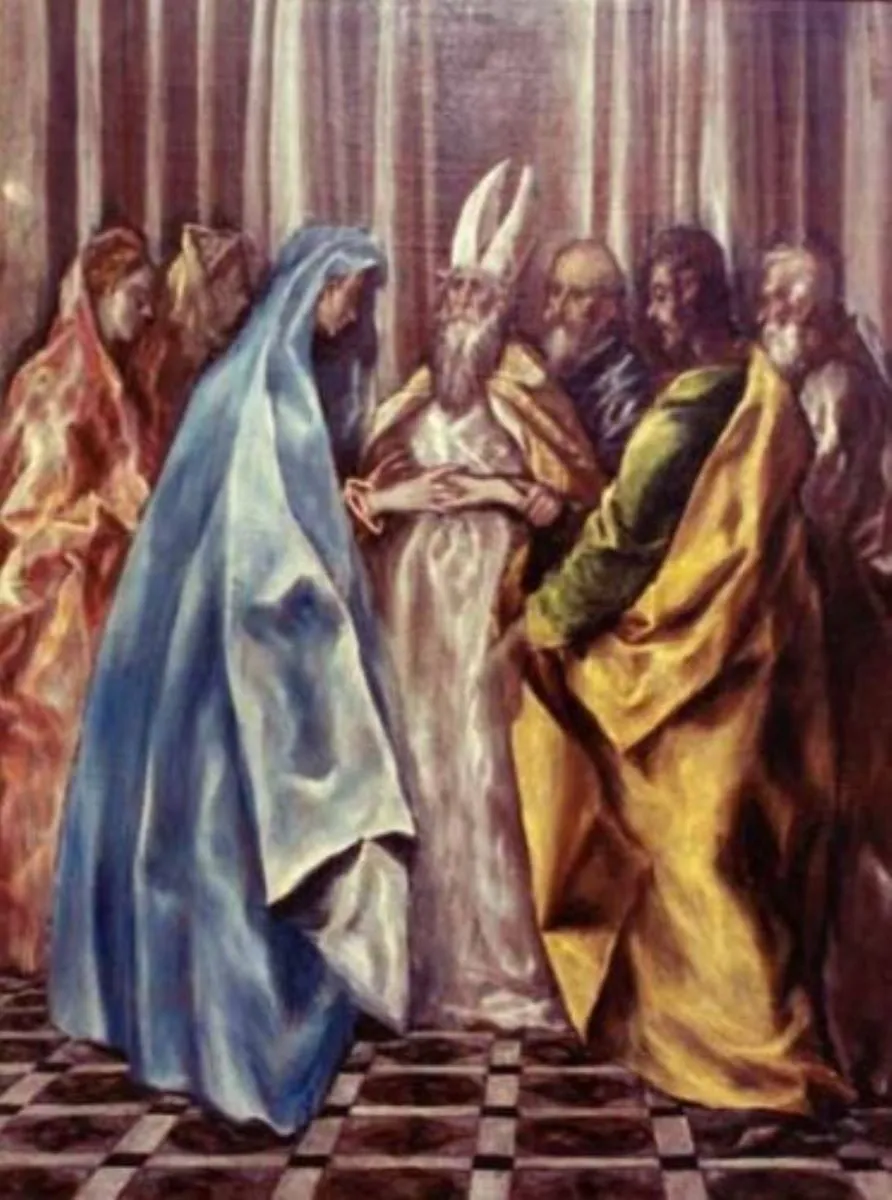
Logodna Fecioarei is an unspecified painting by the Mannerist artist Domenikos zis El Greco Theotokopoulos. It dates from 1650 and is held in the collection of the National Museum of Art of Romania.
About this work
Overview
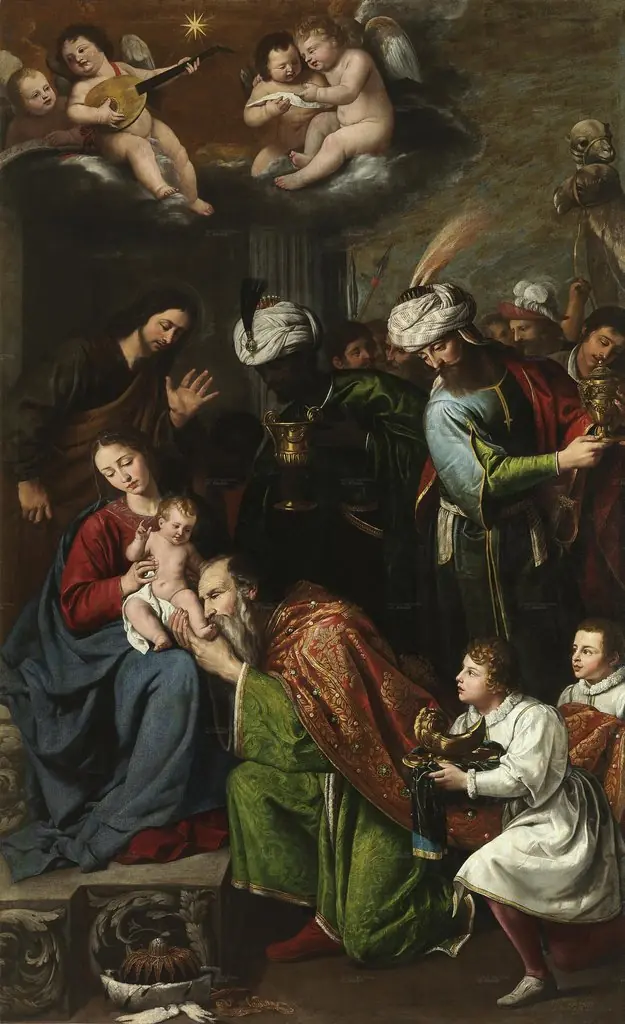
Logodna Fecioarei is a painting by Domenikos Theotokopoulos, known as El Greco, dating to around 1650. The work depicts a scene involving both human figures and angels, characterized by intricate detail and a pronounced use of chiaroscuro.
Subject & Meaning
The subject of Logodna Fecioarei, translating to 'The Annunciation' or a related Marian theme, involves a pivotal moment in Christian theology, typically interpreted as the angel Gabriel's announcement to the Virgin Mary. The inclusion of multiple figures and angels suggests a nuanced exploration of this theme.
Technique & Style
El Greco employed chiaroscuro extensively in this work, leveraging stark contrasts between light and dark to achieve a three-dimensional effect. This technique, alongside the painting's intricate detail, reflects the artist's distinctive style, blending elements of his Byzantine heritage with Western European influences.
History & Provenance
Created circa 1650, Logodna Fecioarei falls within the later period of El Greco's oeuvre. Specific details regarding its commission, early ownership, or any notable restorations are not provided in the available information.
Context
Painted during the Spanish Golden Age, Logodna Fecioarei reflects the religious themes prevalent in 17th-century Spain, where El Greco was based. The work's style also situates it within the broader context of European Baroque art, albeit with El Greco's unique twist.
Legacy
As part of El Greco's corpus, Logodna Fecioarei contributes to the artist's legacy of fusing different artistic traditions. Its use of chiaroscuro and detailed composition exemplifies techniques that would influence later artists, though its specific impact on the broader art historical canon is not detailed here.
Artist & collection
Artist
Domenikos zis El Greco Theotokopoulos
El Greco had a habit of signing his paintings in Greek, as if to say, "I know what I'm doing, even if you don't." His figures stretch like they're made of taffy, long and lean, lit by a light that seems to come from inside the canvas.

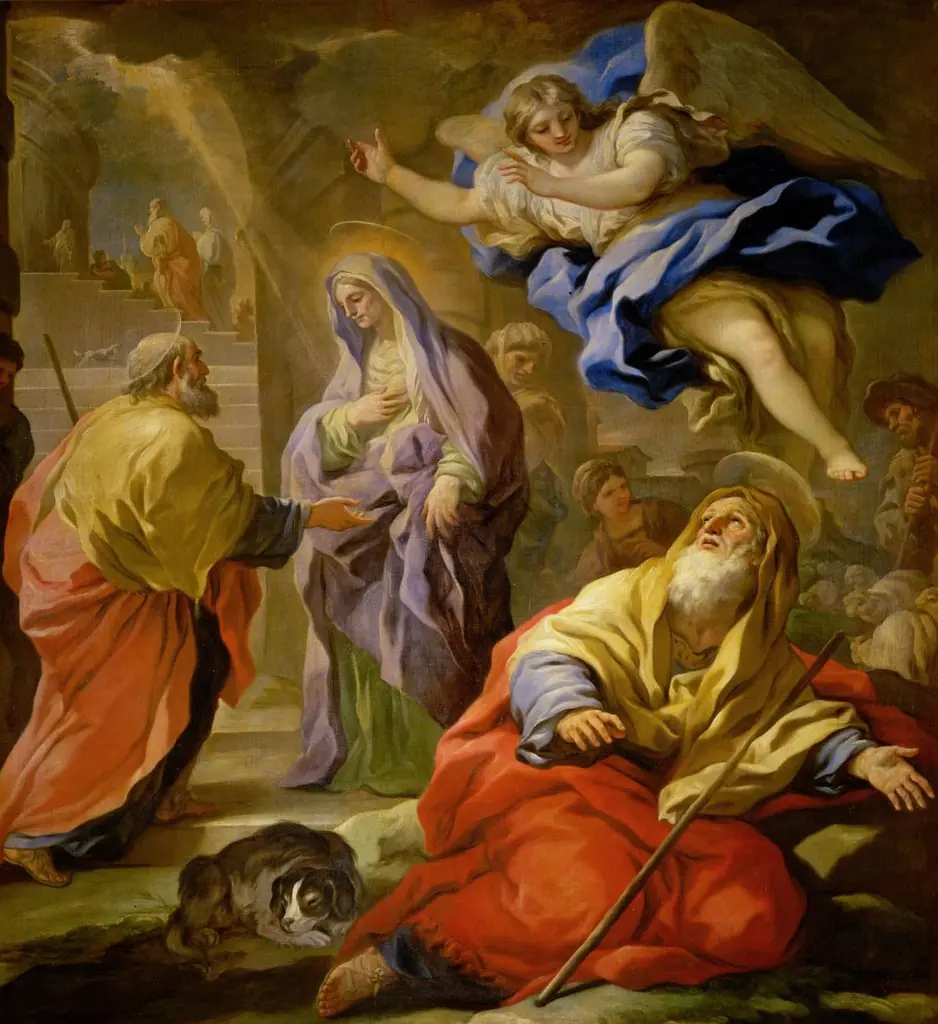 Verheißung an Joachim und Begegnung von Joachim und Anna an der Goldenen Pforte
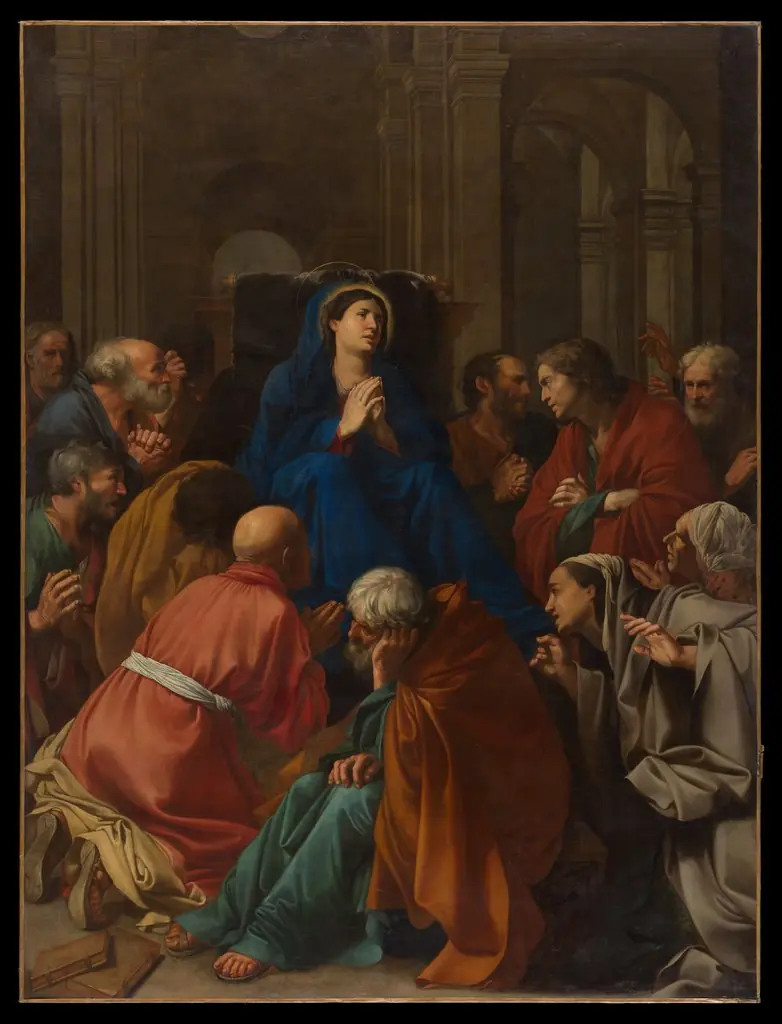 The Dormition of the Virgin
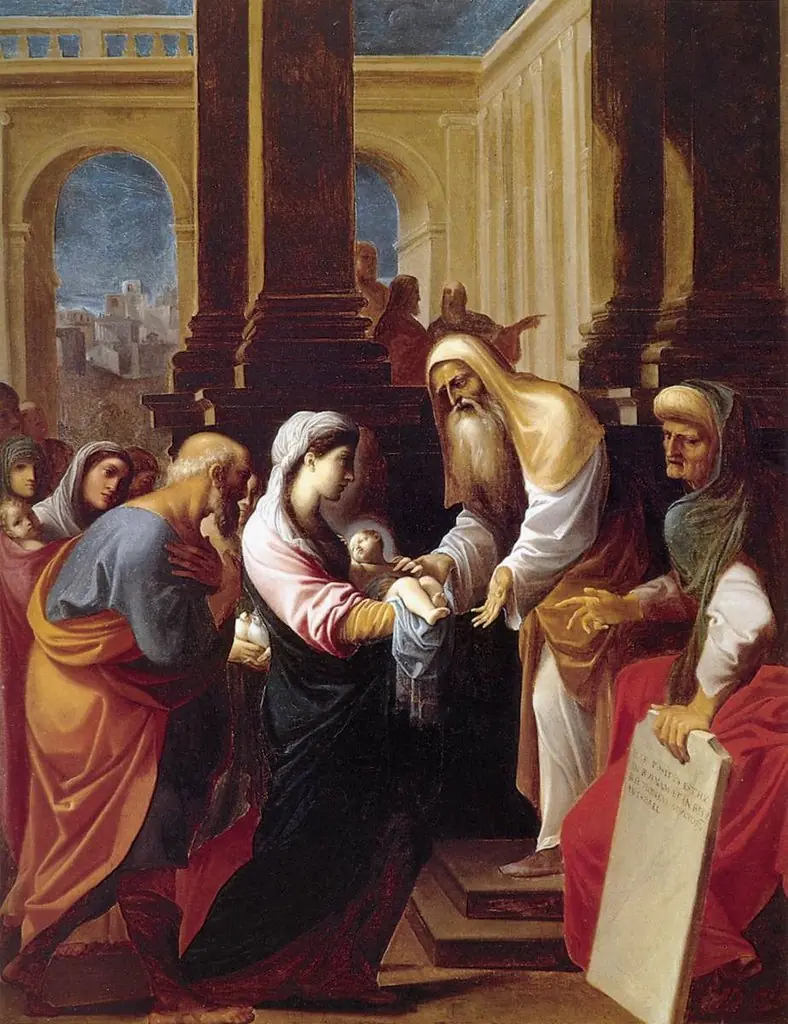 The Presentation of the Christ Child in the Temple
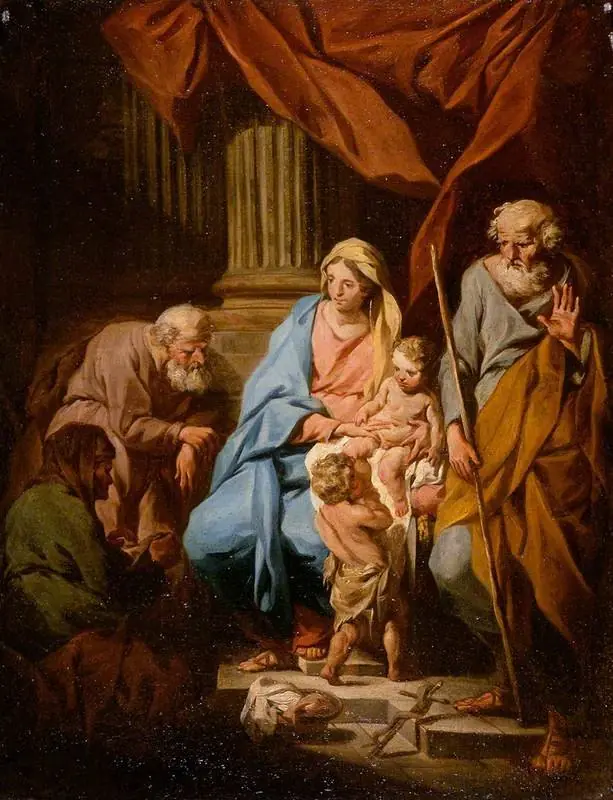 The Holy Family with Saints Elisabeth and Zaccharias and the Infant Saint John
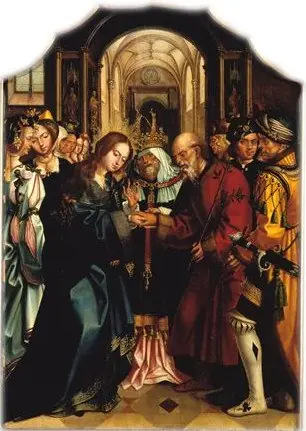 Casamento da Virgem
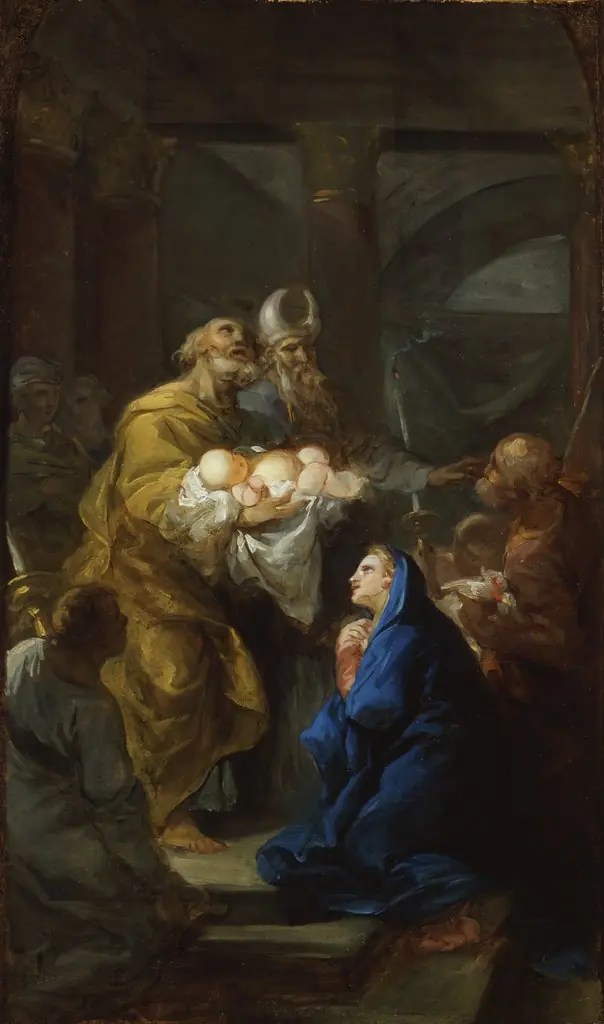 Presentation of Christ in the Temple
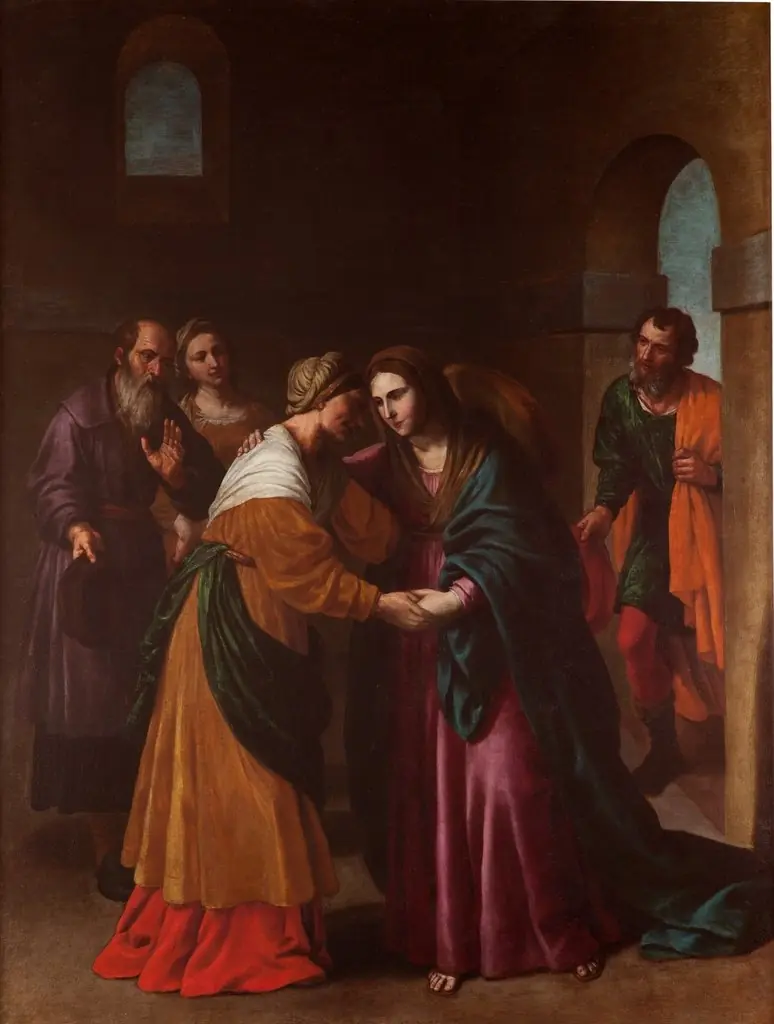 The visitation
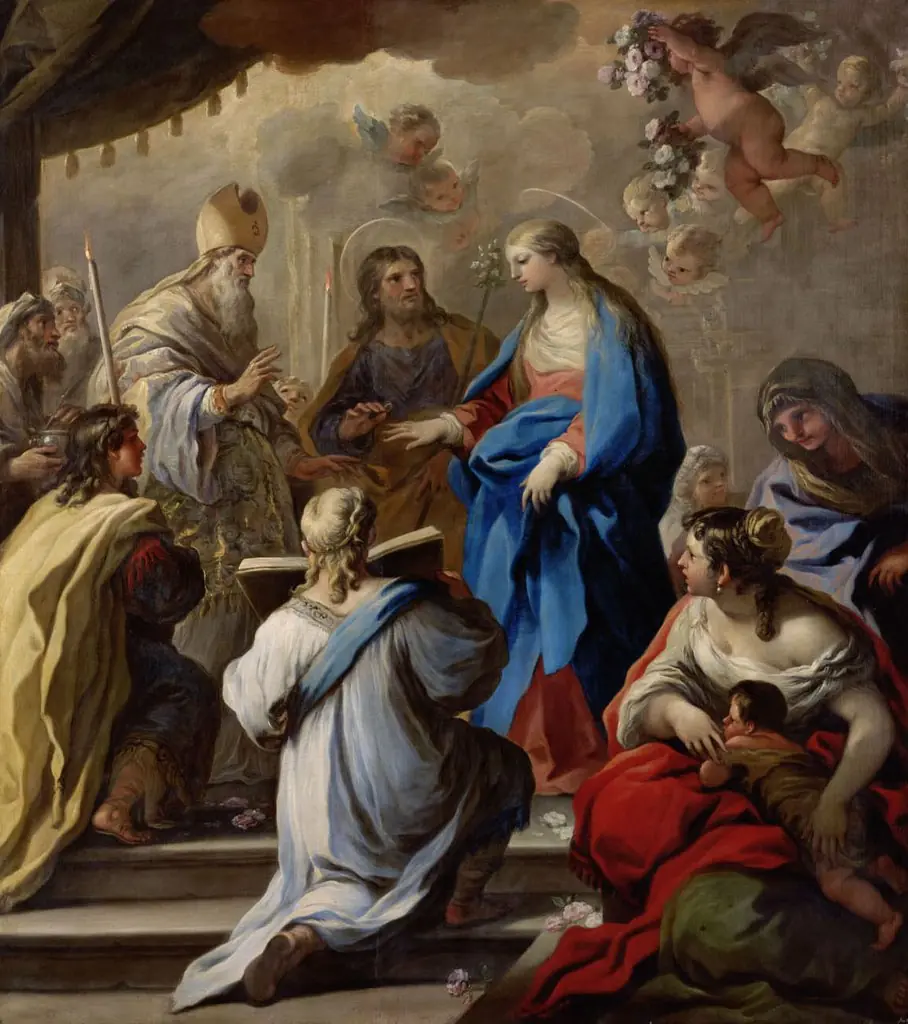 Vermählung Mariae
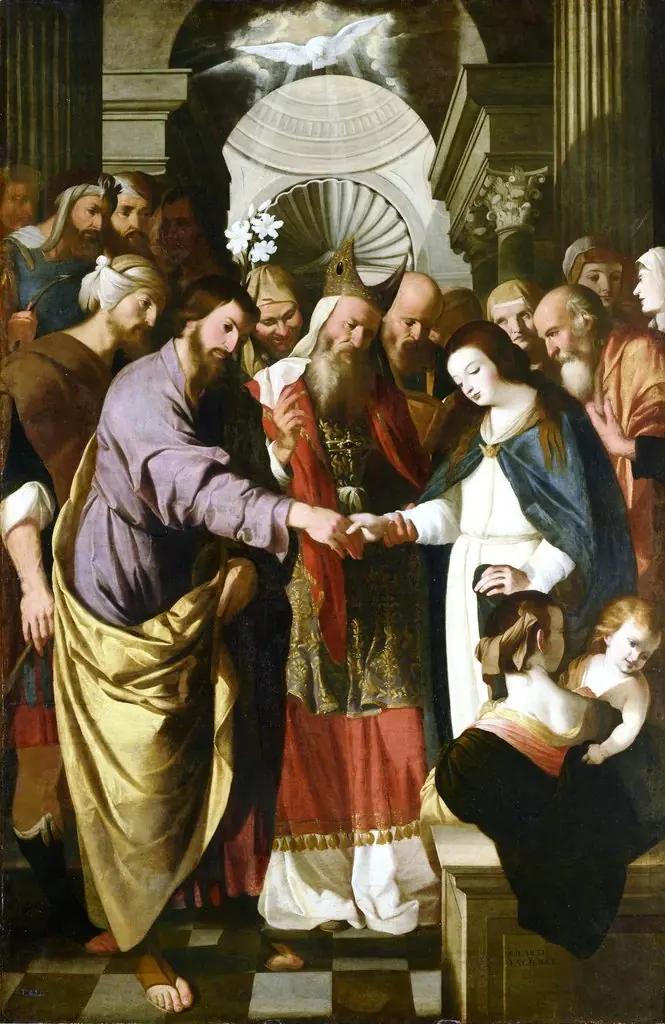 The Marriage of the Virgin
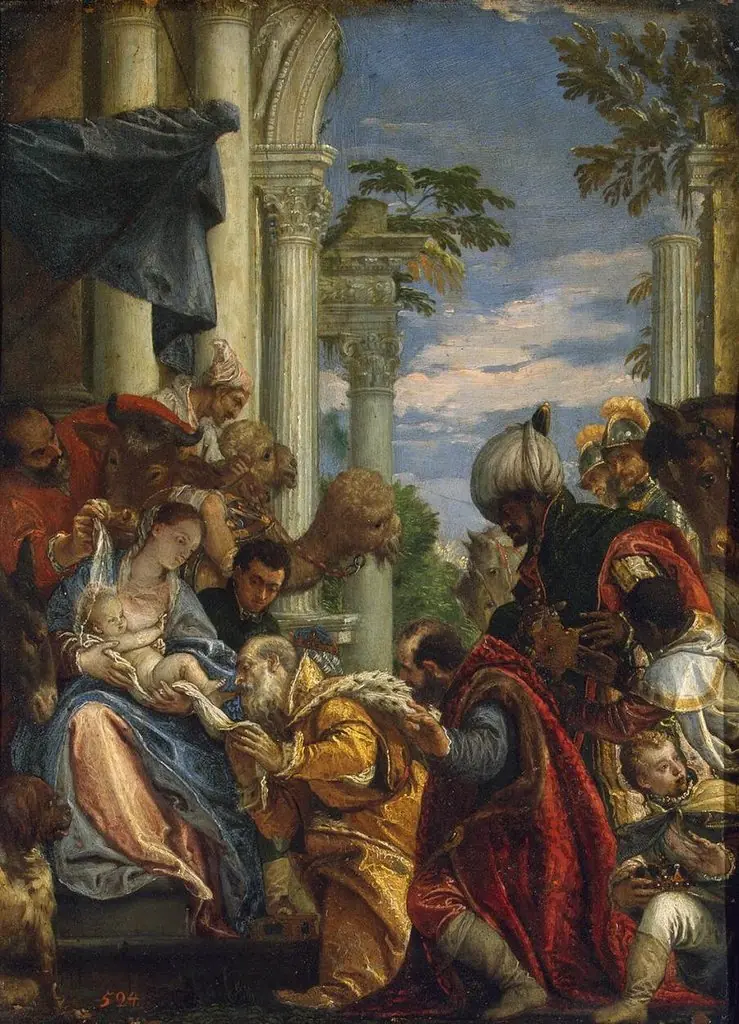 Adoration of the Magi
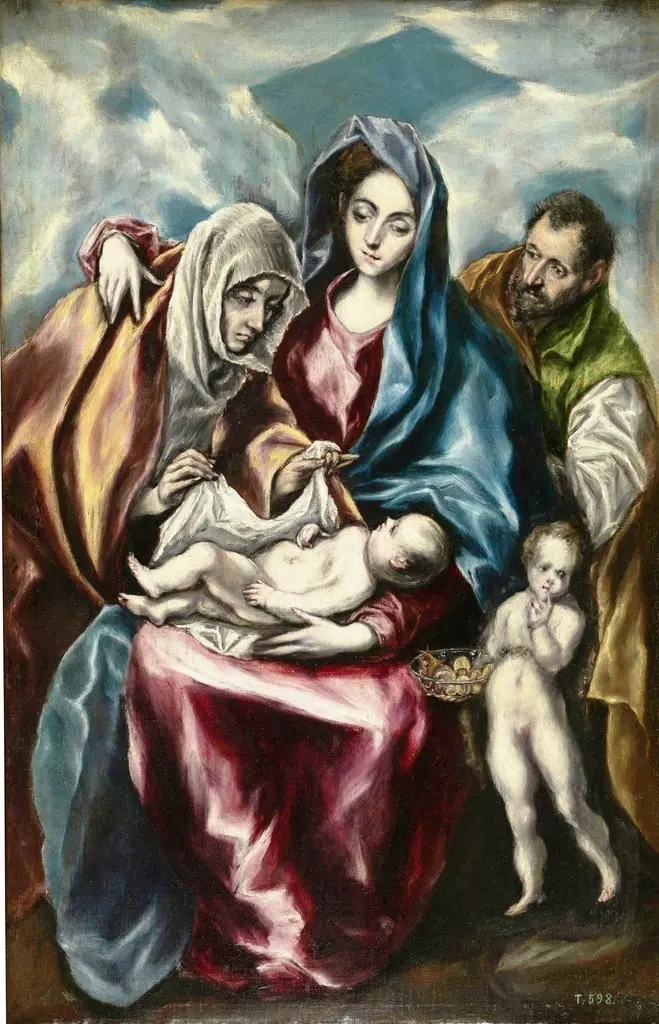 Holy Family with Saints
 The Adoration of the Magi