Artwork
Casamento da Virgem
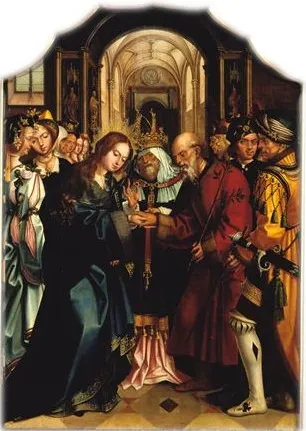
Casamento da Virgem is an unspecified painting by the Early Baroque Italian artist Gregório Lopes. It dates from 1527 and is held in the collection of the National Museum of Ancient Art.
About this work
Overview
The painting resides in the National Museum of Ancient Art in Lisbon, where it remains a key example of Portuguese Renaissance religious art.
Painted in 1527 by Gregório Lopes, this work portrays the marriage of the Virgin Mary and Saint Joseph. Executed in oil on panel, it reflects the devotional painting traditions of early 16th-century Portugal. The composition is structured within a grand architectural space, emphasizing solemnity and ritual. The painting resides in the National Museum of Ancient Art in Lisbon, where it remains a key example of Portuguese Renaissance religious art.
Subject & Meaning
The scene illustrates the sacred union between the Virgin Mary and Saint Joseph, a moment of theological significance in Christian tradition. Rather than emphasizing divine intervention, the painting focuses on human ceremony, with witnesses observing the exchange of vows. The formal setting and restrained gestures convey the dignity of the event, aligning with contemporary devotional ideals that valued modesty and reverence over theatricality.
Technique & Style
Lopes employed a muted palette dominated by earth tones—browns, grays, and muted ochres—to create a somber, contemplative atmosphere. Figures are rendered with careful attention to textile detail, from the folds of cloaks to the texture of head coverings. The architectural backdrop, with its vaulted ceiling and distant archway, suggests spatial depth through linear perspective, though the overall handling remains grounded in Northern European realism rather than Italianate idealism.
History & Provenance
Commissioned for a religious context, likely a chapel or convent, the painting entered the collection of the National Museum of Ancient Art in the 19th century. Its survival through centuries of political and religious upheaval in Portugal underscores its enduring cultural value. No definitive records of its original location survive, but its scale and quality suggest it was intended for a significant ecclesiastical patron.
Context
Created during the height of Portugal’s Age of Discovery, the painting reflects a conservative artistic climate where religious themes dominated visual culture. While Italian Renaissance innovations reached Portugal through prints and travelers, Lopes retained a more localized, northern European aesthetic. This work exemplifies how Portuguese artists adapted foreign influences to suit domestic devotional needs without adopting full-scale humanist ideals.
Legacy
Gregório Lopes’s Casamento da Virgem stands as one of the most carefully composed religious scenes from early Portuguese painting. It influenced later artists in the region by demonstrating how narrative clarity and restrained emotion could convey sacred meaning. Today, it remains a touchstone for understanding the evolution of religious imagery in Portugal before the full impact of Mannerism and the Counter-Reformation.
Artist & collection

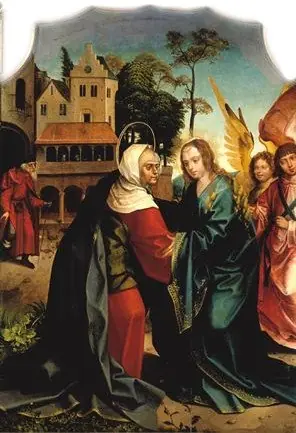 Visitation
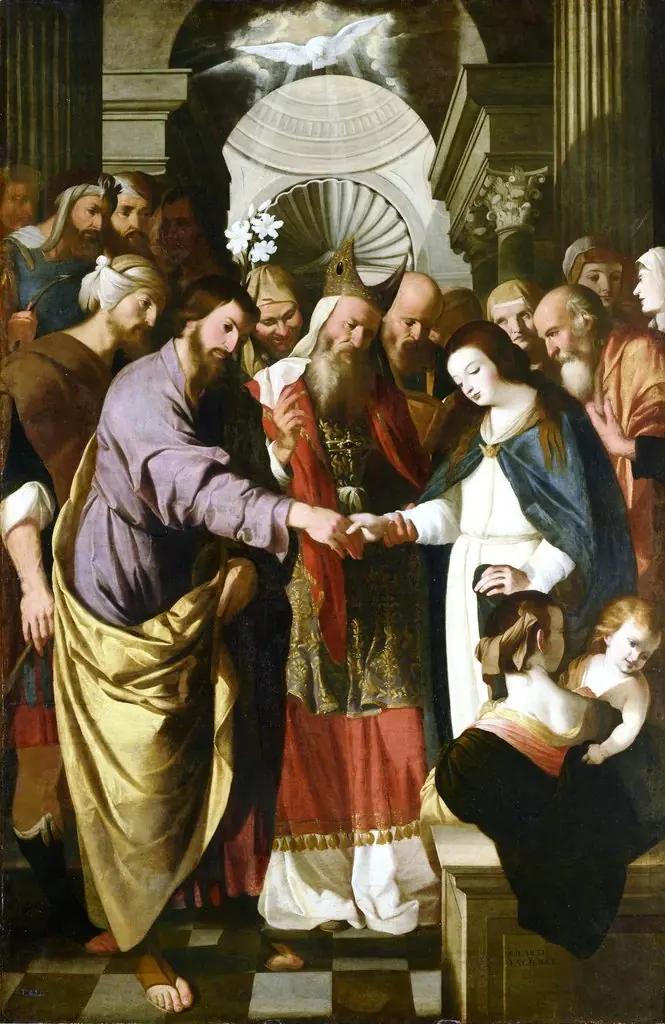 The Marriage of the Virgin
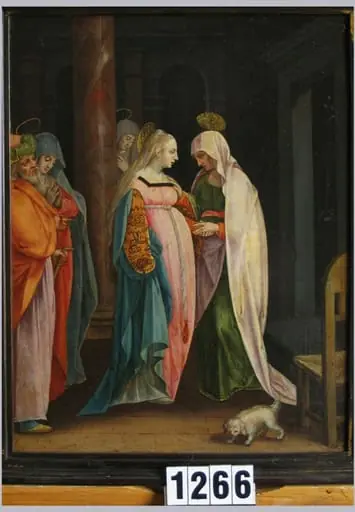 Vizitația (în registrul inventar: Elisabeta și Maria)
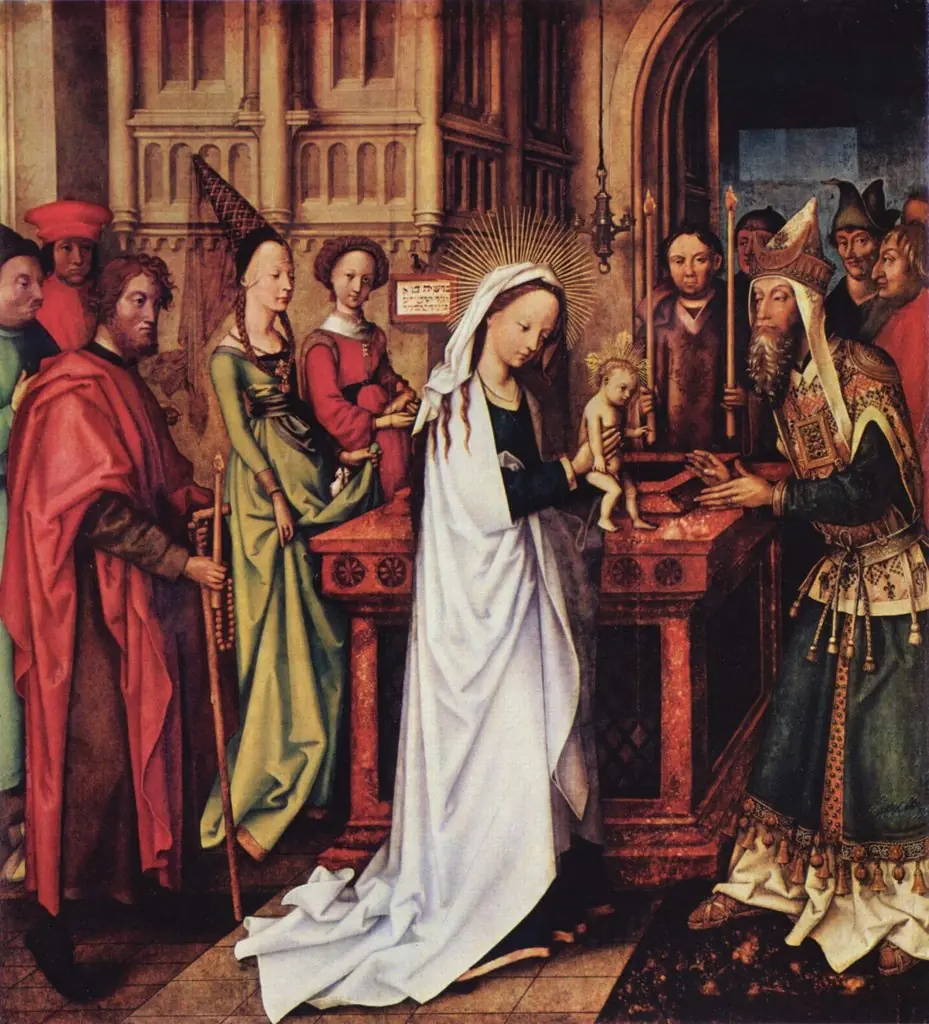 Presentation of Christ Child in the temple
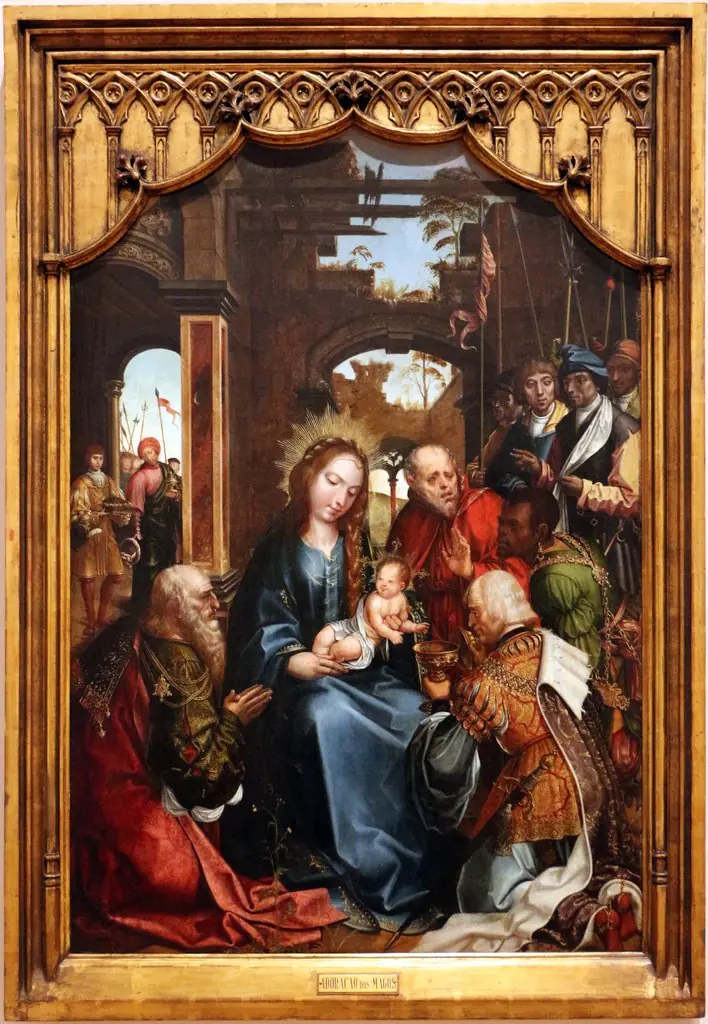
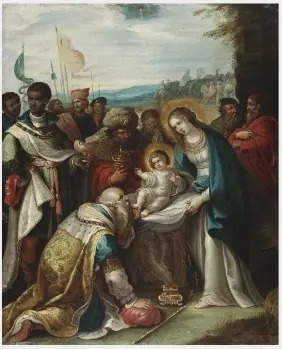 The Adoration of the Magi
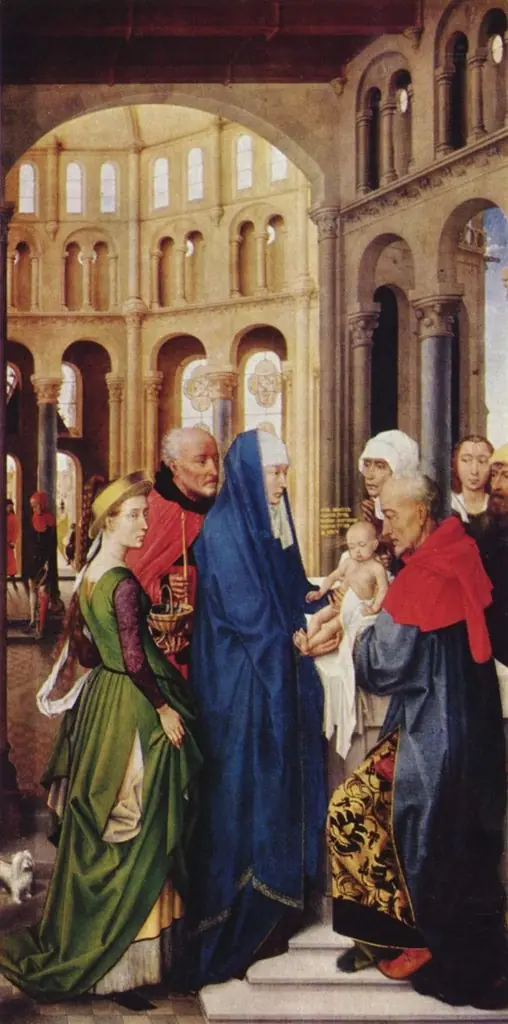 Columba-Altar: Darbringung im Tempel
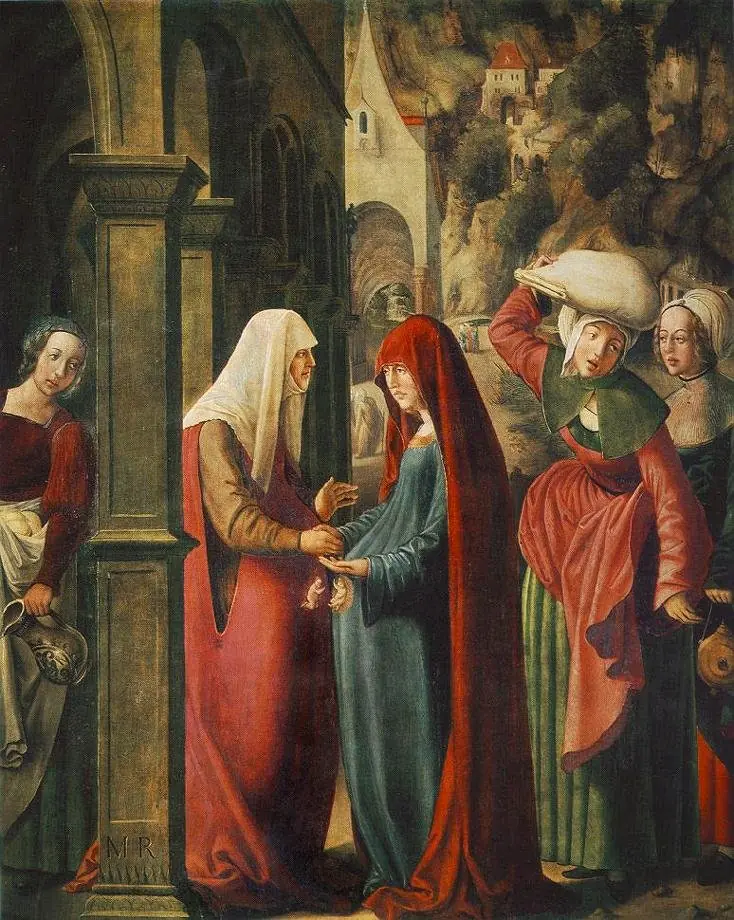 Meeting of Mary and Elisabeth
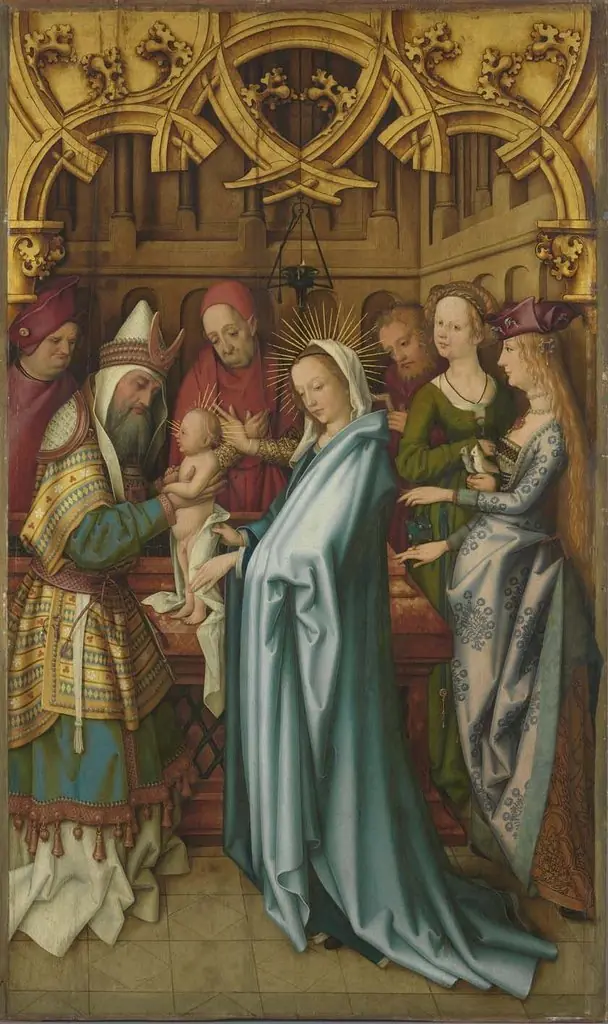 Kaisheimer Altar: Darbringung im Tempel
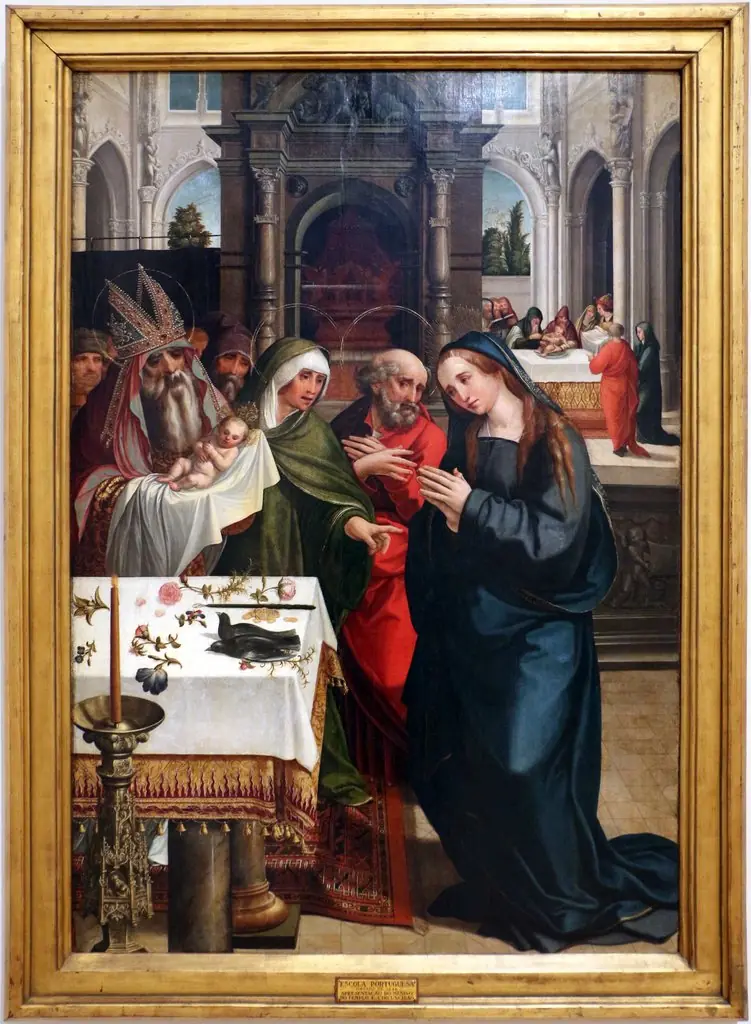 Presentation of Jesus at the Temple
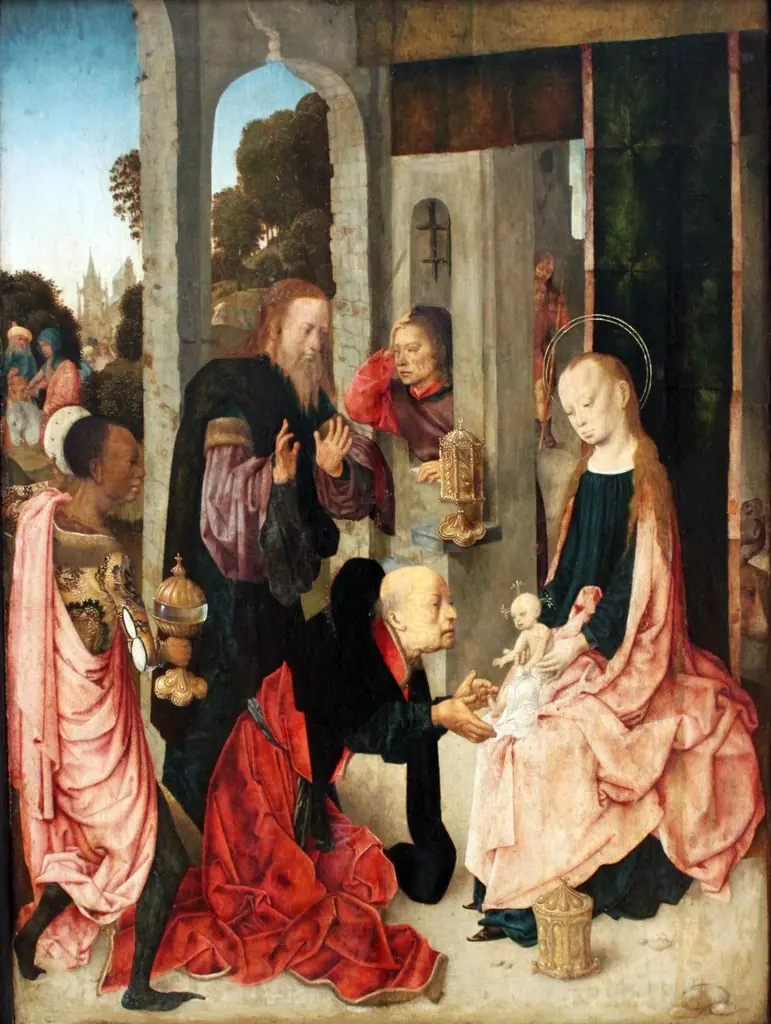 Adoration of the Kings
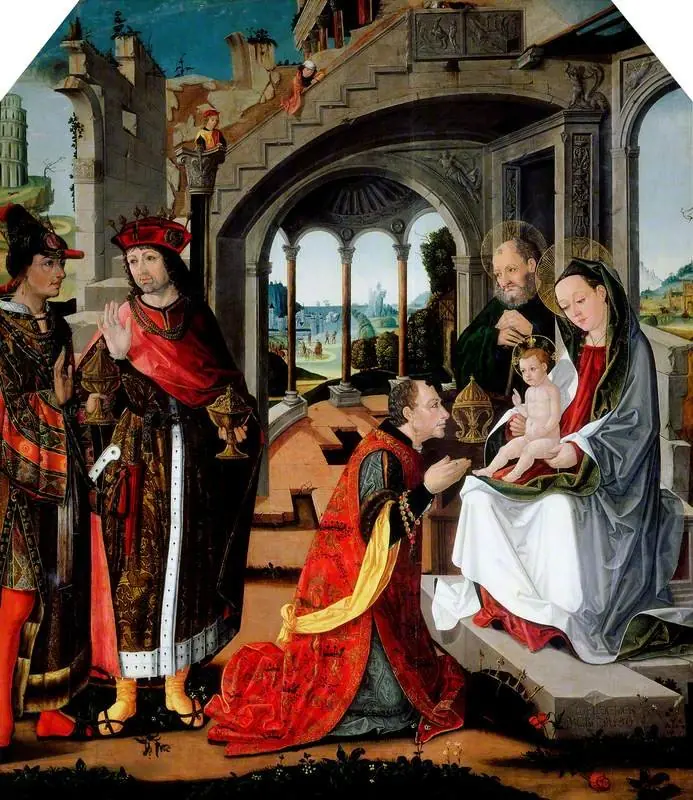 The Adoration of the Magi
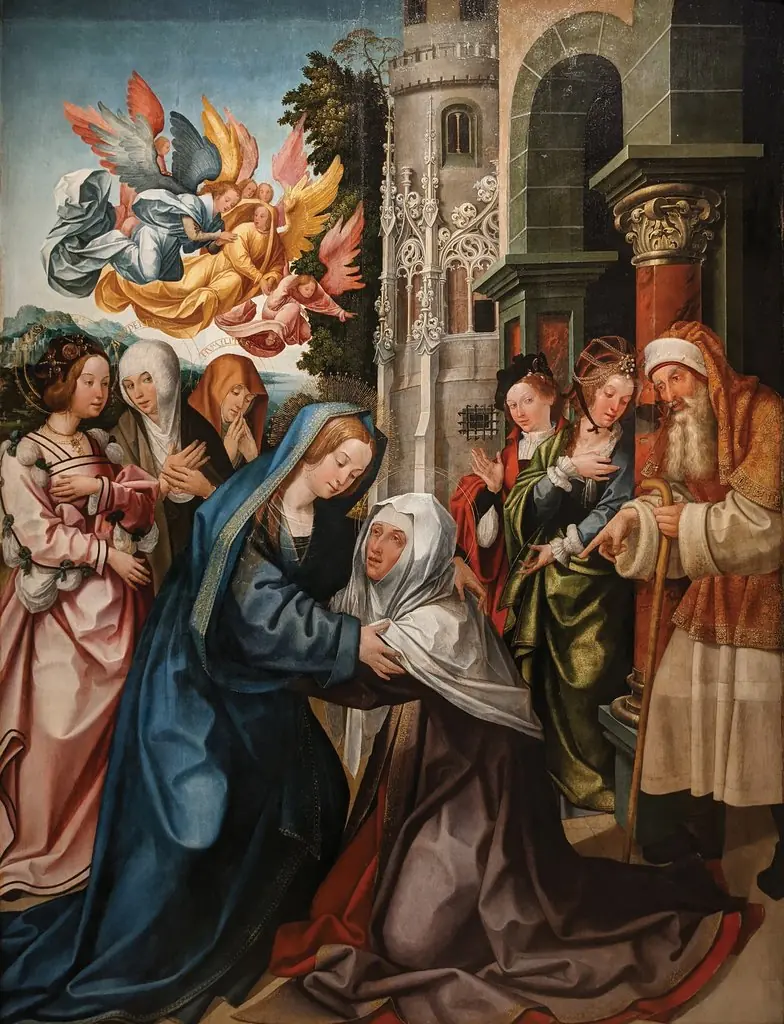 Visitation - Saint Benedict altarpiece