Artwork
Water Gate, Lower Close, Norwich
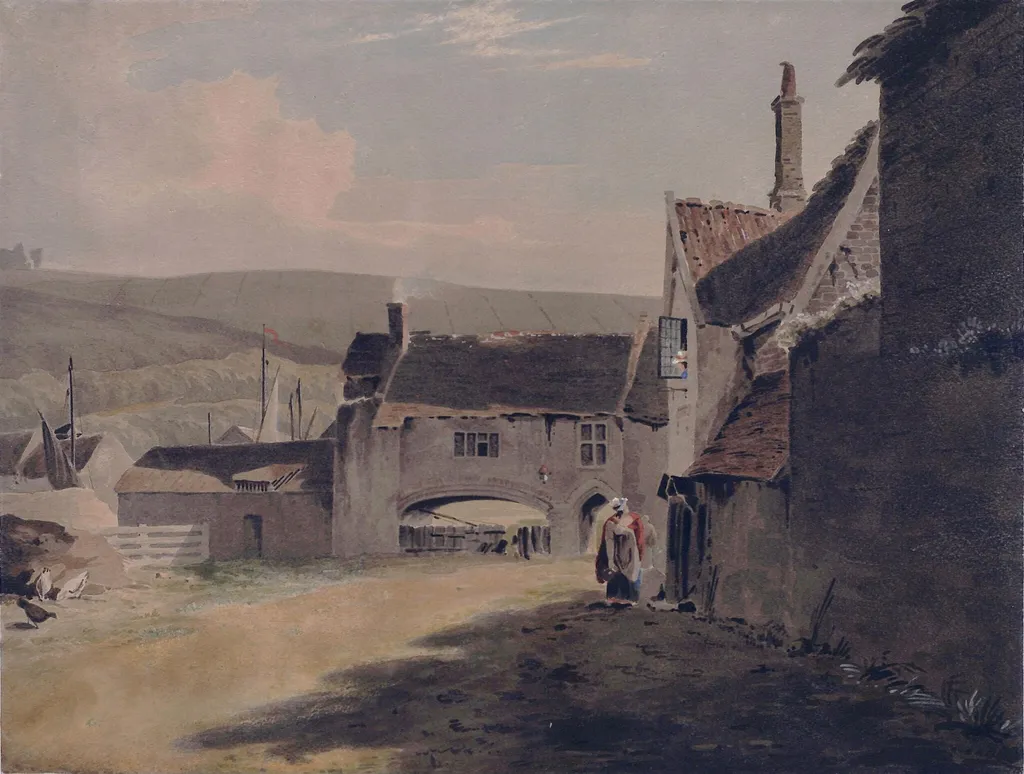
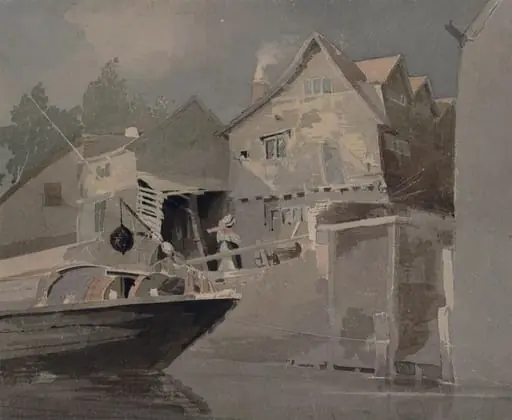
Water Gate, Lower Close, Norwich is a watercolor work on paper by the British Romanticist artist John Thirtle. It dates from 1800 and is held in the collection of the Victoria and Albert Museum. This watercolour captures the Water Gate at Lower Close in Norwich, a modest architectural relic framed by quiet domestic life.
About this work
Overview
The composition centers on a weathered stone archway, flanked by humble outbuildings and a lone figure moving through the space.
This watercolour captures the Water Gate at Lower Close in Norwich, a modest architectural relic framed by quiet domestic life. Rendered in delicate washes, the scene emphasizes texture and atmosphere over detail. The composition centers on a weathered stone archway, flanked by humble outbuildings and a lone figure moving through the space. Soft, muted tones and unobtrusive brushwork convey a sense of stillness, reflecting an interest in unidealized urban landscapes.
Subject & Meaning
The painting portrays an ordinary moment: a woman in dark clothing approaches the gate while chickens forage nearby. These elements suggest daily routines unfolding within historic surroundings. The absence of grandeur or narrative drama shifts focus to the quiet endurance of place and routine. The worn chimney and aged stonework imply time’s passage, inviting contemplation rather than celebration of the subject.
Technique & Style
The artist employed loose, transparent watercolour washes to suggest form without rigid definition. Shadows and textures emerge through layered tints rather than line, creating a hazy, atmospheric effect. The pale sky and soft edges unify the scene, reinforcing a mood of subdued calm. This approach aligns with 19th-century watercolour traditions that valued tonal harmony and spontaneity over precision.
History & Provenance
The painting originates from Norwich, a city with a strong tradition of local topographical art in the early 1800s. While the artist’s identity is not recorded here, the subject aligns with regional works documenting architectural decay and everyday life. It likely belonged to a private collection, possibly linked to local patrons interested in preserving the visual memory of their changing city.
Context
Created during the Romantic era, the work reflects a broader cultural turn toward the value of ordinary and decaying sites. Rather than idealizing nature or ruins, it finds quiet dignity in urban decay and routine. This perspective resonates with contemporaneous interest in vernacular architecture and the emotional weight of place, distinct from grand historical or pastoral themes.
Legacy
As a modest example of regional watercolour practice, the painting contributes to a documented record of Norwich’s architectural fabric before modernization. It stands as a quiet testament to the artistic attention given to overlooked corners of urban life. Its preservation offers insight into how local artists engaged with their immediate environment, away from metropolitan art centers.
Artist & collection
Artist
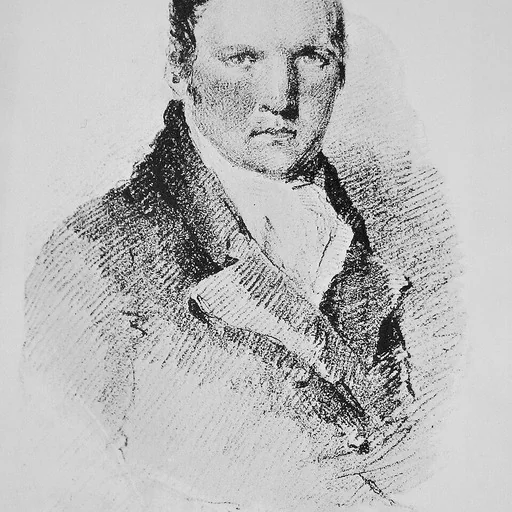
John Thirtle (baptised 22 June 1777 – 30 September 1839) was an English watercolour artist and frame-maker.

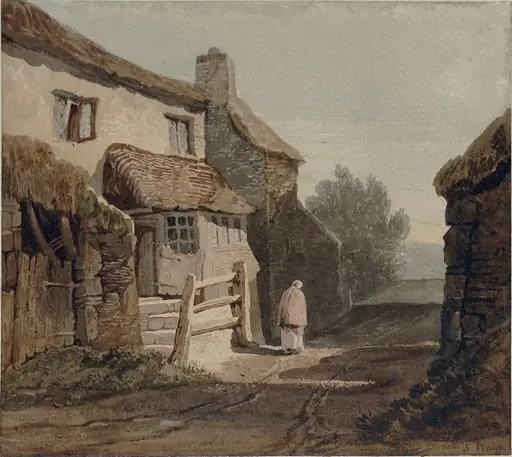 A Cottage in Cornwall
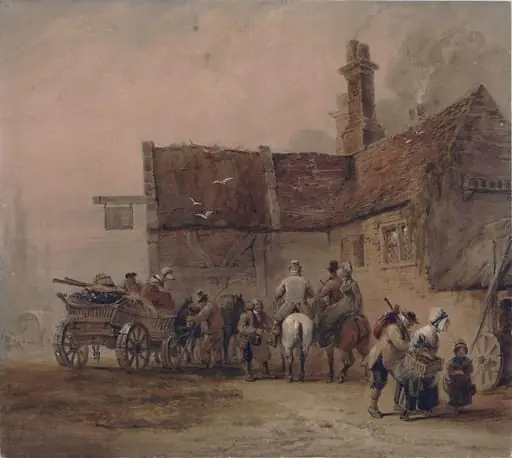 A Wayside Inn
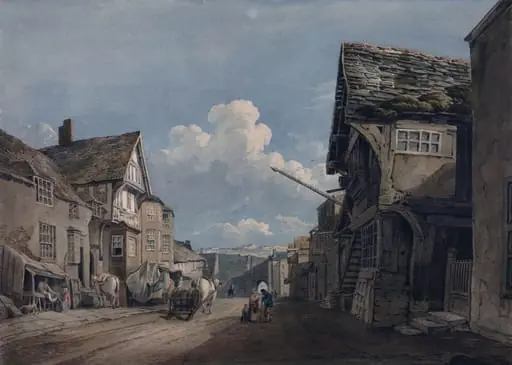 Looking down the High Street at Conway
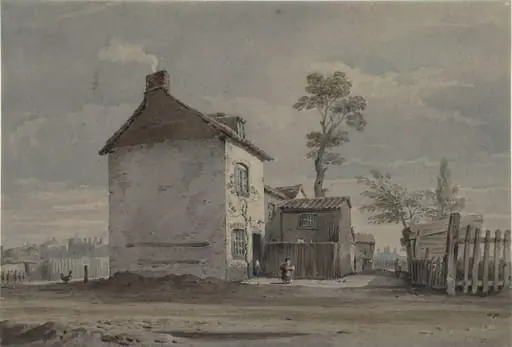 Cottages in a landscape
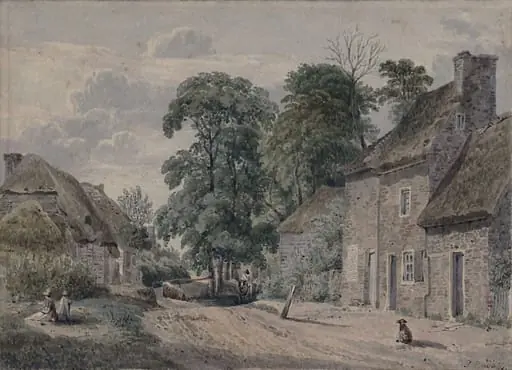 Manstone, near Ramsgate, Kent
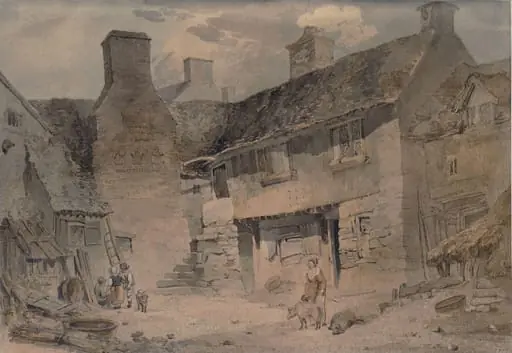 Owen Glendower's Parliament House, Dolgellau
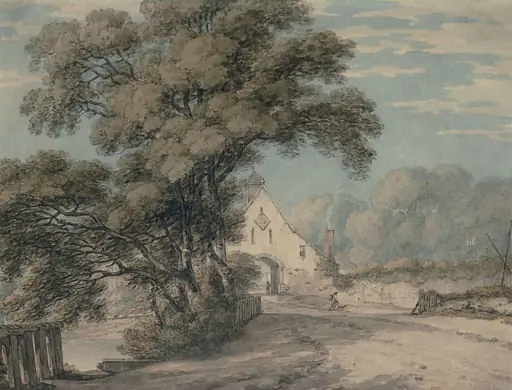 The Gateway at Beaulieu Abbey, Hants
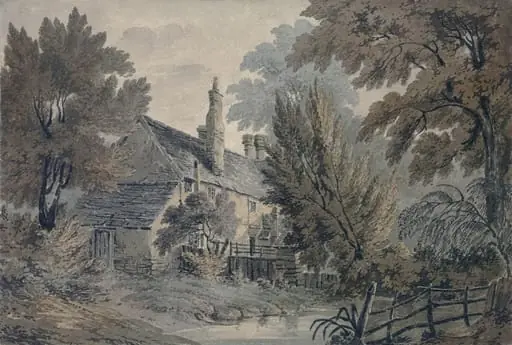 Landscape with House by a Pond
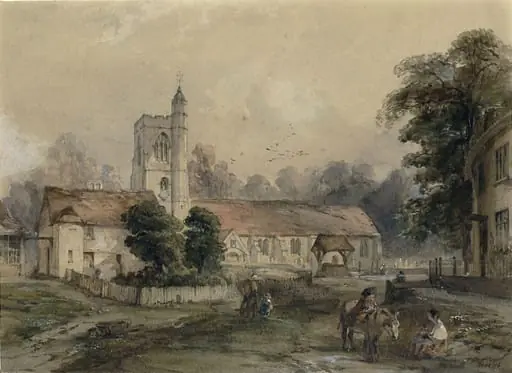 South Weald Church, Essex
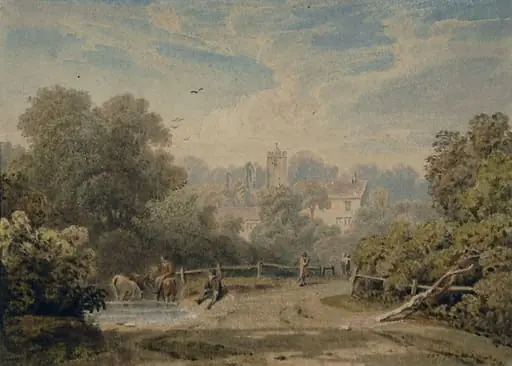 Crowhurst near Hastings
 The Farmhouse
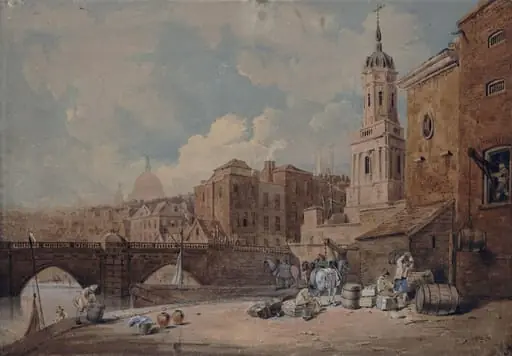
 Quay Side, Norwich