Artwork
Interiööri
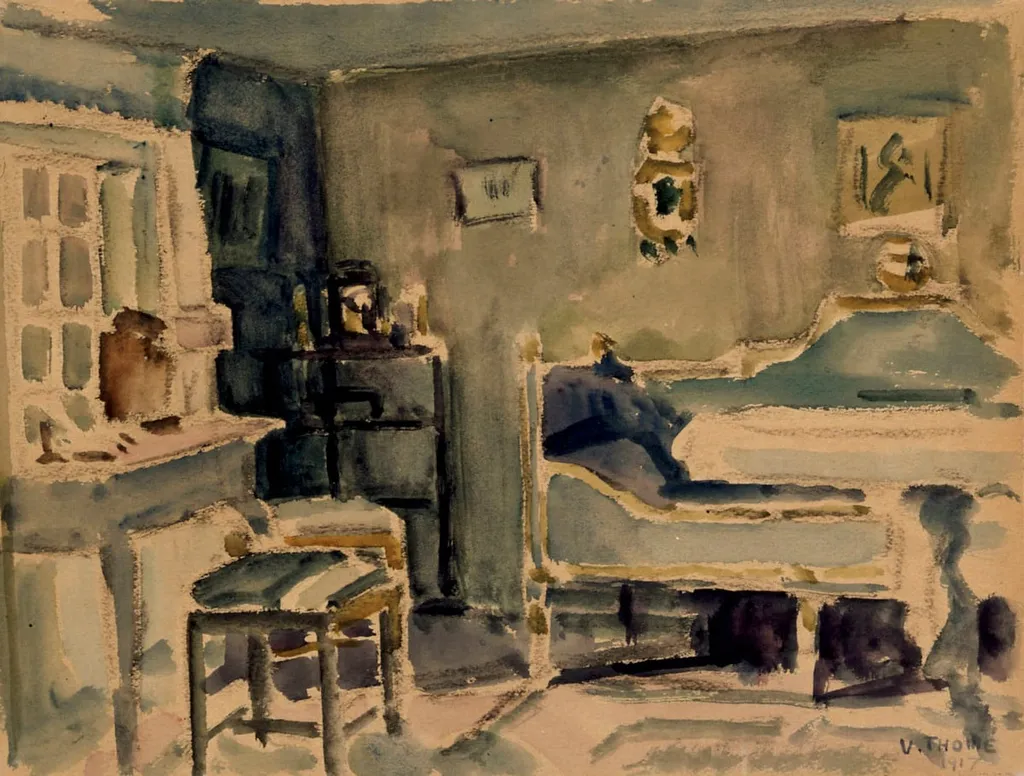
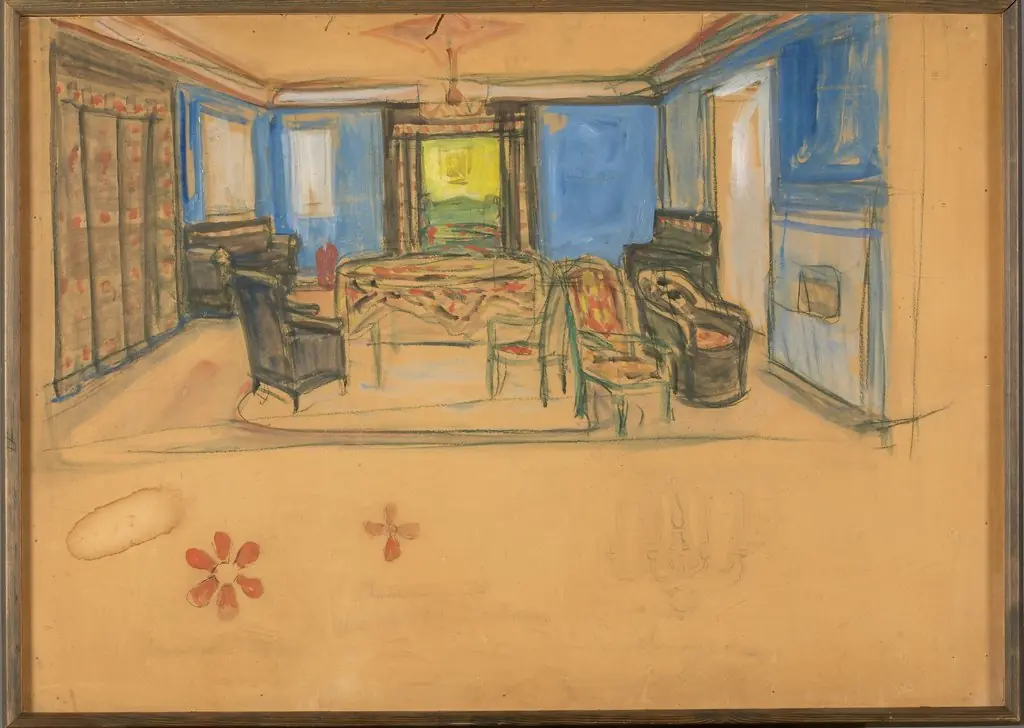
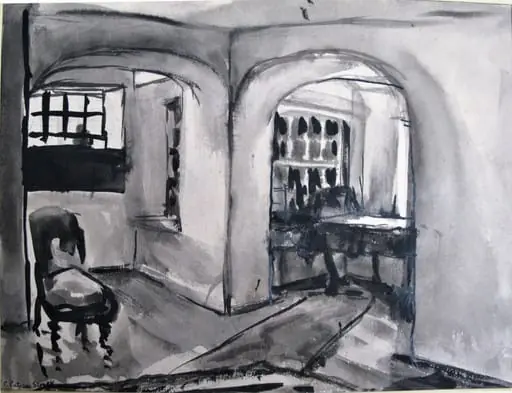
Interiööri is an unspecified work on paper by the Art Nouveau artist Verner Thomé. It dates from 1895 and is held in the collection of the Finnish National Gallery.
About this work
Verner Thomé used glazing, a watercolor trick where you layer thin, see-through washes.
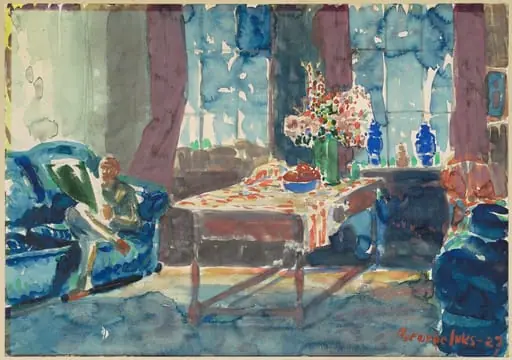
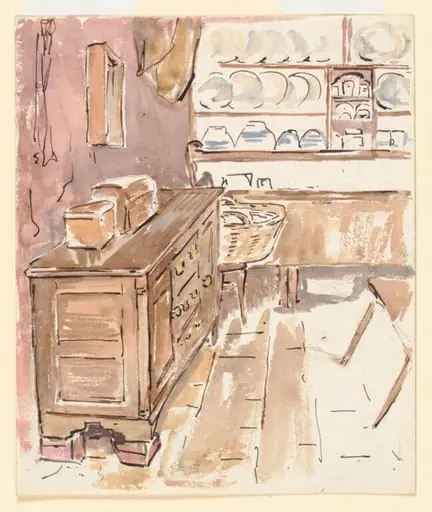
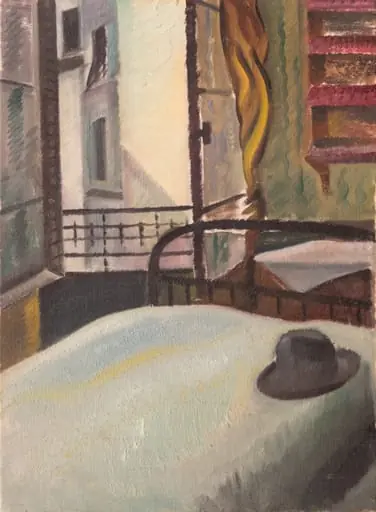
You see a quiet room in soft watercolor. Light falls through a window onto worn wooden floors. A few chairs and a table sit empty. The colors are soft pinks and pale blues.
This was painted in Finland around 1900. Verner Thomé used glazing, a watercolor trick where you layer thin, see-through washes. It makes the light feel alive and gentle.
If this feels familiar, try looking up Helene Schjerfbeck’s interiors.
Overview
Interiööri is a watercolor painting created by Verner Thomé around 1900. It depicts a serene interior scene with soft colors and gentle light.
Subject & Meaning
The painting shows an empty room with worn wooden floors, a few chairs, and a table. Light enters through a window, casting a calm atmosphere. The scene reflects the Art Nouveau emphasis on harmonious compositions and organic forms.
Technique & Style
Thomé employed glazing, a technique involving layered, transparent washes, to achieve a sense of soft, living light. The watercolor's pale pinks and blues contribute to the overall feeling of serenity.
Context
Interiööri is associated with the Art Nouveau movement and Vitalism, an influence evident in its emphasis on organic forms and flowing lines. The work is comparable to the interior scenes of Helene Schjerfbeck, a contemporary Finnish artist.
Artist & collection
Artist
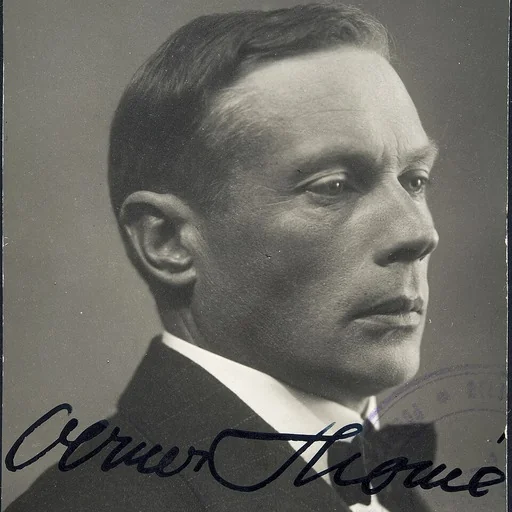
Verner Thomé (4 July 1878 – 1 June 1953) was a Finnish Post-Impressionist graphic artist. He was influenced by Vitalism a German-Scandinavian movement that incorporated Nietzsche's philosophy.