Artwork
Interior la mânăstirea Viforâta
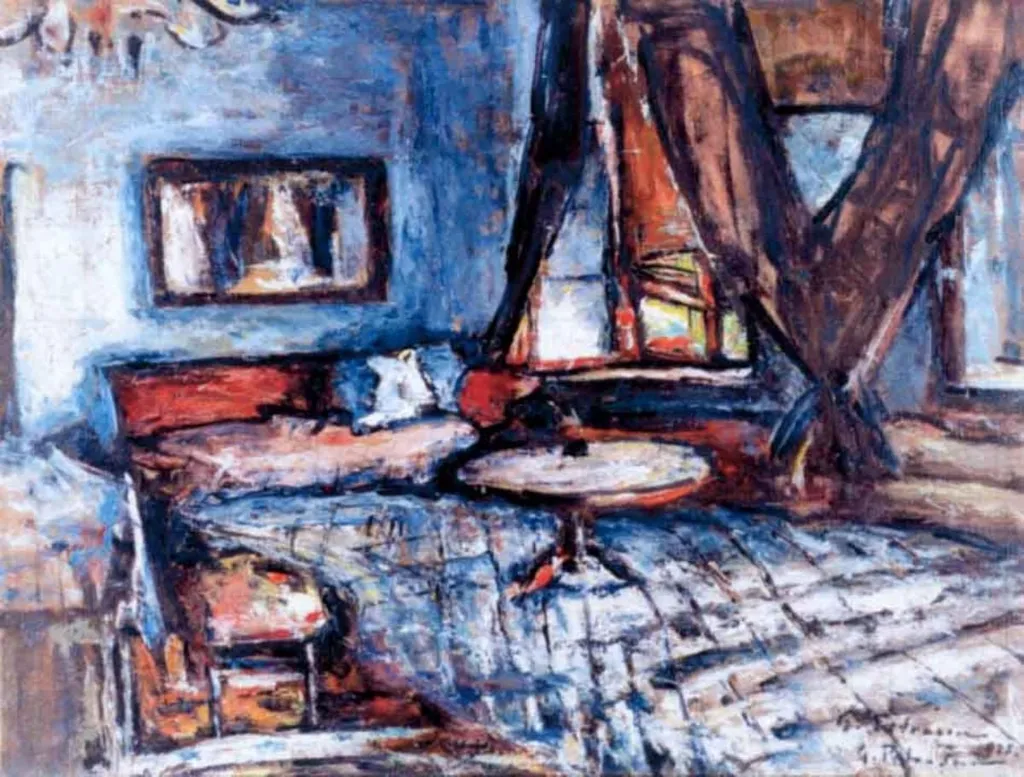
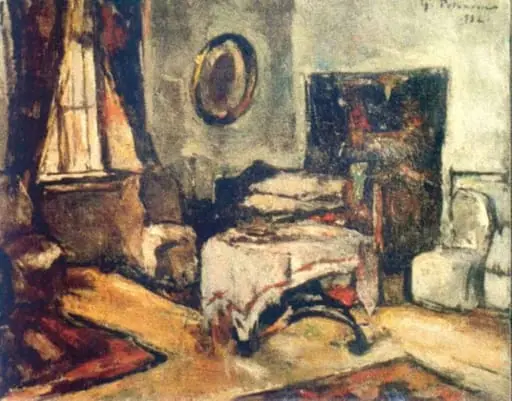
Interior la mânăstirea Viforâta is an unspecified painting by the Romanesque artist Gheorghe Petrașcu. It dates from 1928 and is held in the collection of the Ion Ionescu-Quintus Prahova County Art Museum.
About this work
The artist painted this in 1928, using thick, rough brushstrokes to capture texture.
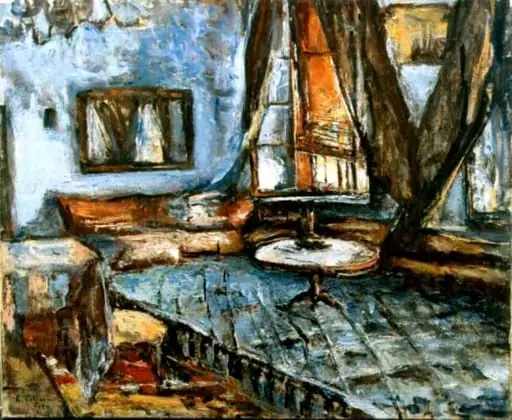
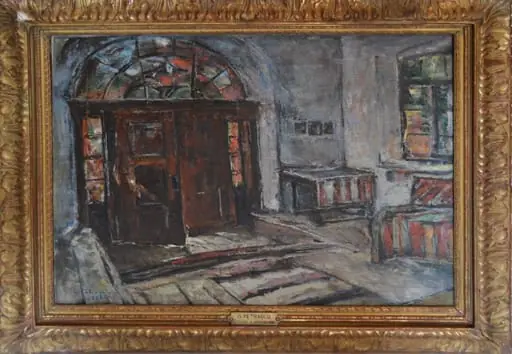
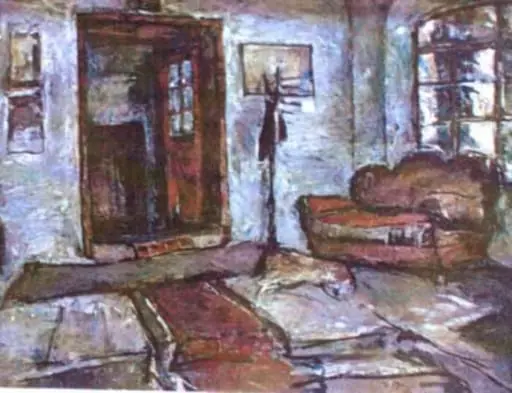
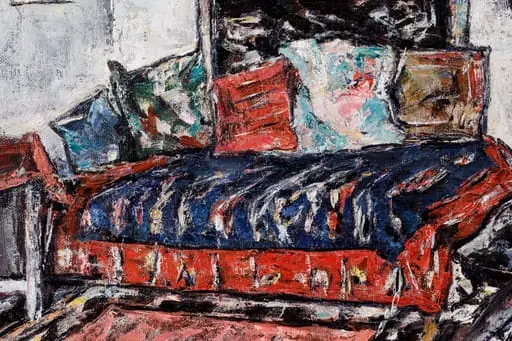
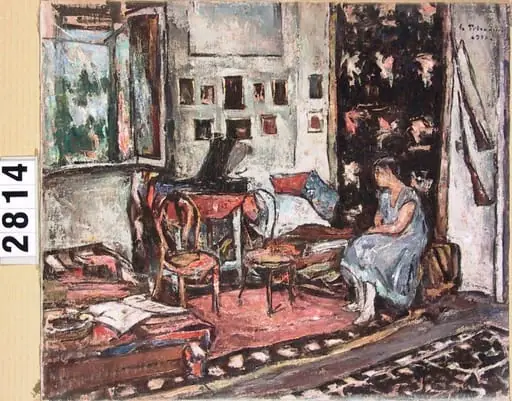
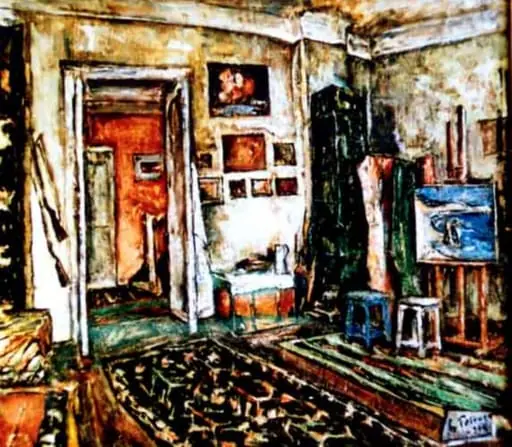
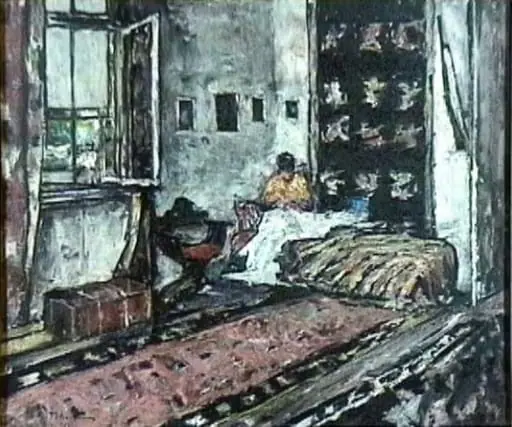
This painting shows a simple monastery room with wooden tables and chairs. Natural light fills the space through two small windows. The walls are bare except for a few hooks and shelves.
The artist painted this in 1928, using thick, rough brushstrokes to capture texture. You can see the brush marks clearly in the wood and fabric. It feels like the room itself is part of the story.
This work makes you wonder about daily life in the monastery. It’s quiet but full of small details. Look up the Museum of Ethnography.
Overview
Gheorghe Petrașcu’s 1928 oil painting depicts the interior of Viforâta Monastery, a modest space defined by its wooden furnishings and sparse décor. The composition is anchored by a pair of small windows that admit a soft, natural light, illuminating tables, chairs, and the plain walls adorned only with a few hooks and shelves. The work is part of the collection of the Museum of Ethnography.
Subject & Meaning
The scene offers a quiet glimpse into monastic daily life, emphasizing the simplicity and functional character of the environment. By focusing on ordinary objects—a bench, a table, a shelf—the painting invites contemplation of the rhythms of work and prayer that unfold within such unadorned walls, suggesting a sense of humility and routine.
Technique & Style
Petrașcu employs a palette of earthy tones rendered with thick, impasto brushwork that makes the texture of wood and fabric palpable. Visible strokes outline the grain of the tables and the folds of cloth, while the handling of light creates subtle contrasts between illuminated surfaces and shadowed corners, reinforcing the tactile quality of the space.
History & Provenance
Created in 1928, the canvas entered the Museum of Ethnography’s holdings, where it remains accessible to the public. Its acquisition reflects the museum’s interest in works that document Romanian cultural and religious settings, aligning the painting with broader collections of folk and ecclesiastical art.
Context
The work belongs to a period when Petrașcu explored rural and spiritual themes, often portraying interiors that convey a sense of place through meticulous observation. Viforâta Monastery, situated in a remote region, provided a setting that resonated with the artist’s interest in the interplay between architecture, light, and everyday objects.
Artist & collection
Artist
Gheorghe Petrașcu painted quiet scenes of buildings, streets, and still lifes in the 1920s and ’30s Romania.
Museum
Ion Ionescu-Quintus Prahova County Art Museum
Continue through works from the same source collection.