Artwork
Clubbington in Warwickshire
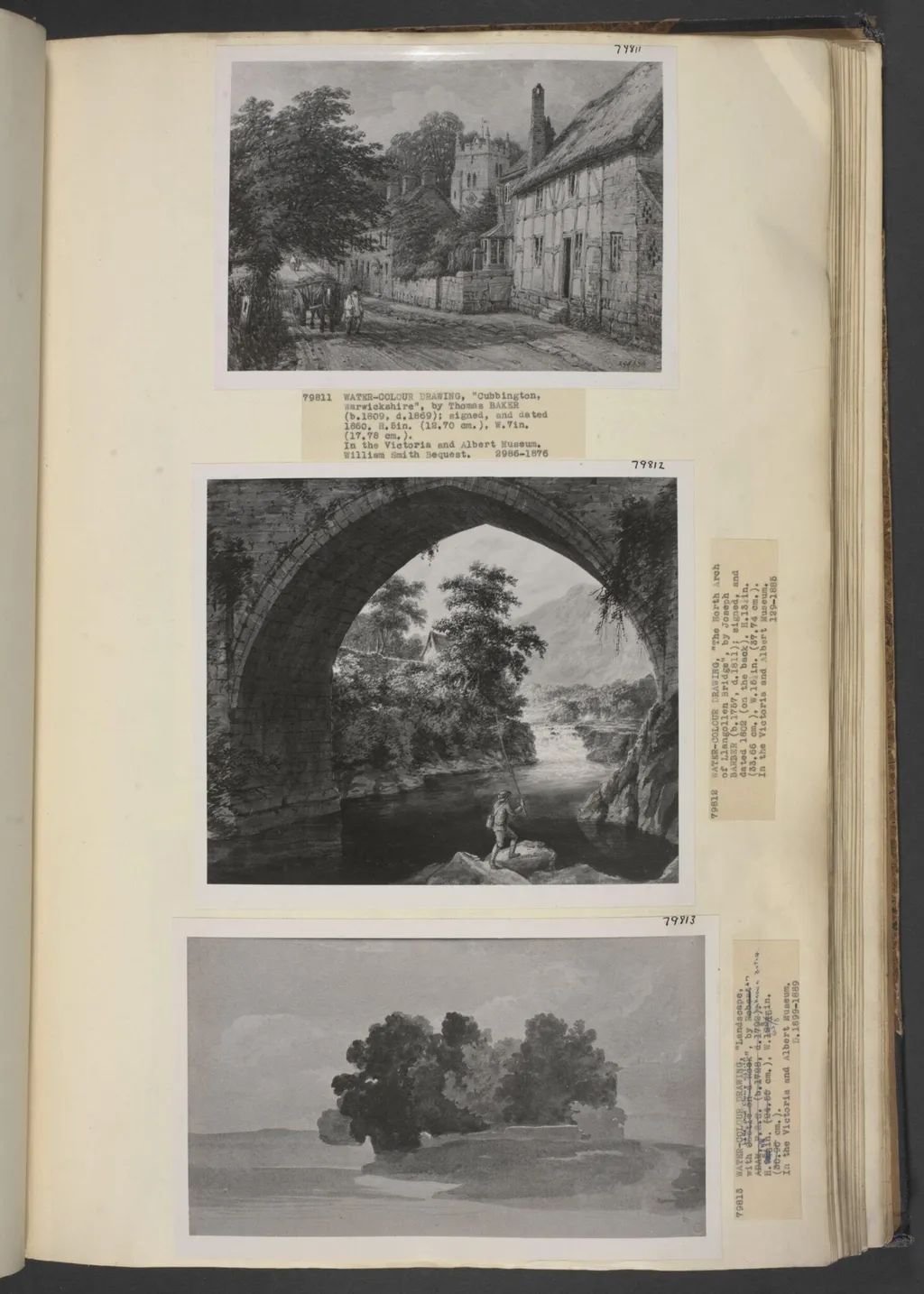
Clubbington in Warwickshire is a watercolor work on paper by the Impressionist artist Thomas Baker. It dates from 1860 and is held in the collection of the Victoria and Albert Museum.
About this work
Overview
Clubbington in Warwickshire is a watercolour painting by Thomas Baker, executed in 1860. The work depicts a serene village scene.
Subject & Meaning
The painting portrays a tranquil Warwickshire village street, featuring old stone houses, a distant church tower, pedestrians, and tree-lined roads with cast shadows. The overall atmosphere conveyed is one of peacefulness, evoking a calm afternoon.
Technique & Style
Baker employed soft watercolour techniques to capture the interplay of light and shadow, imbuing the architectural and natural elements with a sense of gentleness. This approach aligns with the Realism movement's emphasis on everyday life.
History & Provenance
Created in 1860 by Thomas Baker, the painting's current location or ownership is not specified here, though comparable works can be found at institutions like the Victoria and Albert Museum.
Context
Part of the broader 19th-century Realism movement, this piece reflects the era's artistic focus on ordinary, everyday scenes and the use of light to convey realism.
Legacy
While specific impact or notable exhibitions of *Clubbington in Warwickshire* are not detailed, it contributes to the body of Realist watercolours of its time, offering a glimpse into rural Victorian England.
Artist & collection
Artist
English watercolour painter of the 1800s, Thomas Baker turns quiet corners of the countryside into delicate scenes.

 View in North Wales : Valley of the Mawddach river, with Cader Idris in the distance
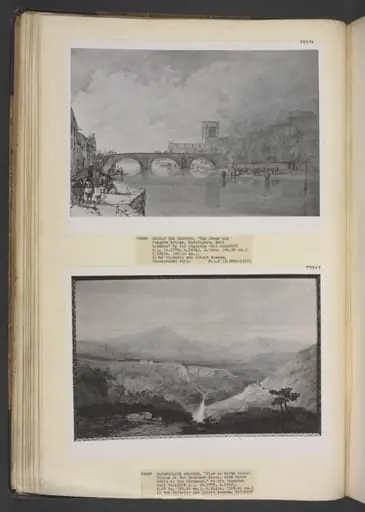 River View with Bridge and Cathedral
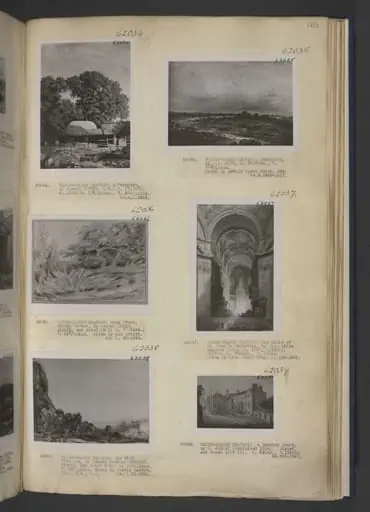 The View from Eze
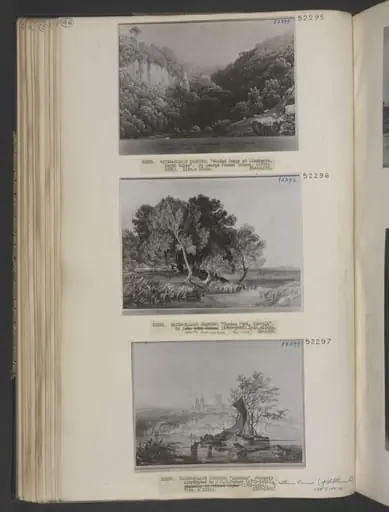 Wooded Gorge, Llanberis
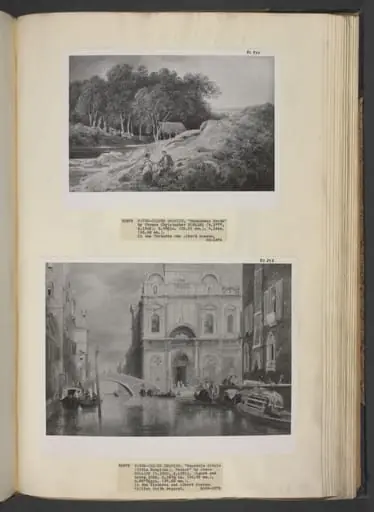 Hampstead Heath
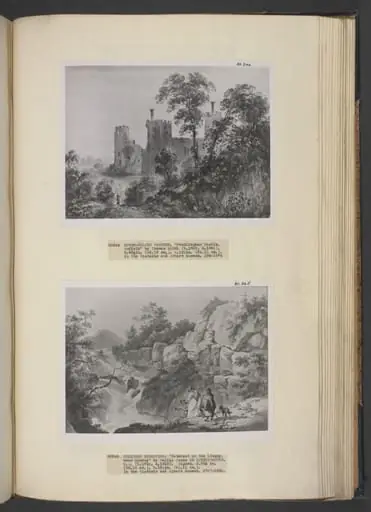 Framlingham Castle
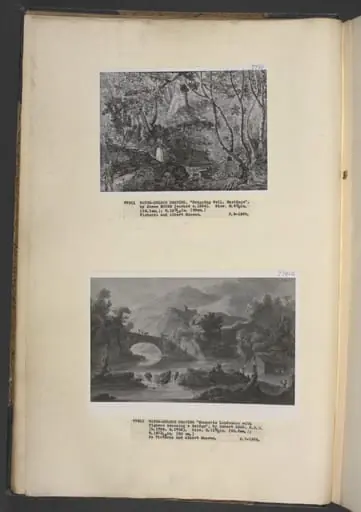 Romantic landscape with figures crossing a bridge
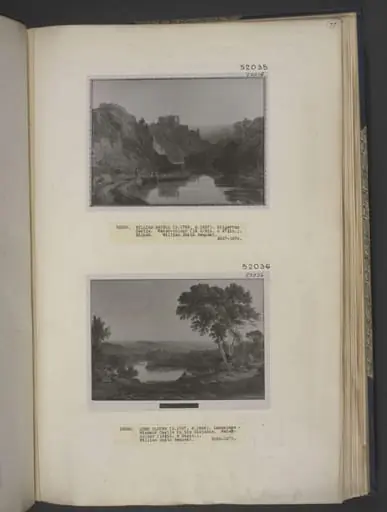 Kilgerran Castle on the Teifi, Pembrokeshire
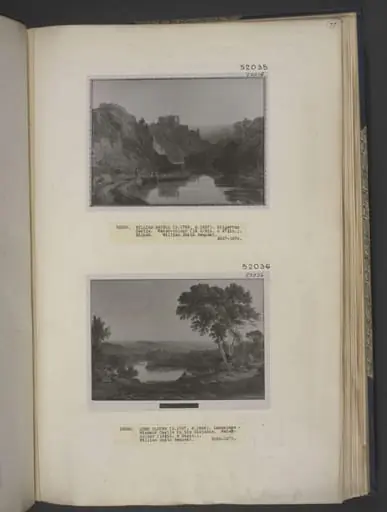 Landscape with Windsor Castle in the distance
 Town and lake of Como, Italy
 View of London from the fields below Hampstead
 The waterfall in Hyde Park