Artwork
Portrait of a Lady
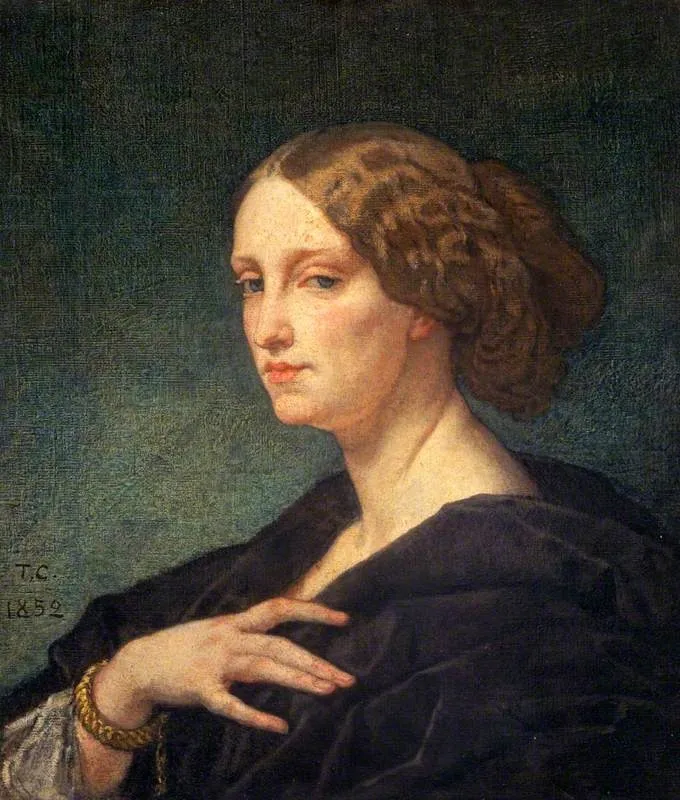
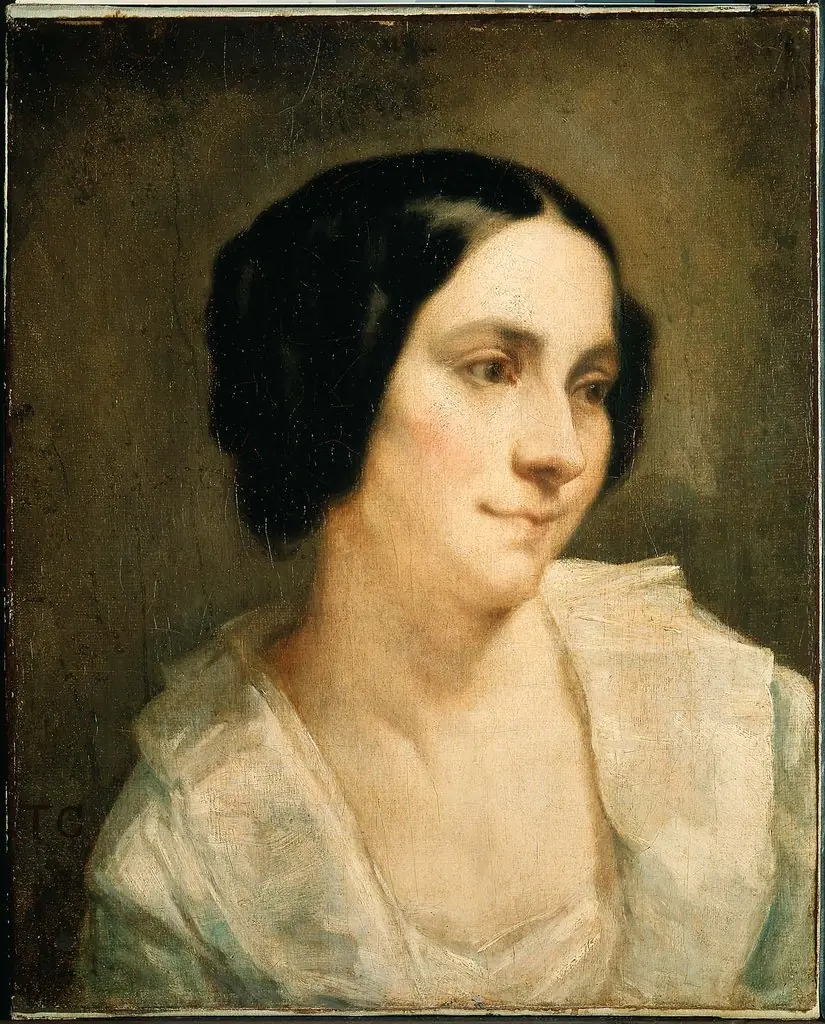
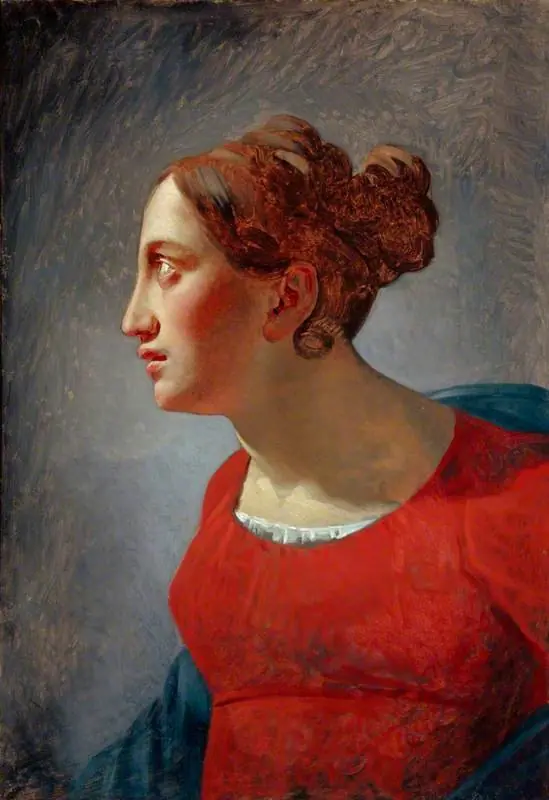
Portrait of a Lady is an oil painting by the Realist artist Thomas Couture. It dates from 1852 and is held in the collection of the National Galleries Scotland.
About this work
Overview
It resides in the collection of the Scottish National Gallery, where it stands as a subtle example of mid-19th-century French realism in a domestic context.
Painted in 1852 by French artist Thomas Couture, this oil portrait depicts an unnamed woman in quiet repose. Executed with restrained elegance, the work reflects Couture’s skill beyond historical subjects, revealing his engagement with intimate portraiture. It resides in the collection of the Scottish National Gallery, where it stands as a subtle example of mid-19th-century French realism in a domestic context.
Subject & Meaning
The sitter, dressed in a dark gown with a low neckline, holds her right hand gently against her chest. Her neutral expression and averted gaze suggest introspection rather than performative poise. The absence of overt symbolism or narrative cues shifts focus to her presence alone, emphasizing psychological stillness. The gold bracelet adds a quiet note of personal adornment, grounding the image in lived experience rather than idealized form.
Technique & Style
Couture employed smooth, controlled brushwork to render the woman’s fair skin and textured curls, avoiding theatricality. The muted greenish-gray background recedes softly, isolating the figure without distraction. Light falls evenly, modeling form with subtlety rather than dramatic contrast. His handling of fabric and jewelry shows attention to material detail, consistent with his academic training yet tempered by a Realist sensibility that favors observation over embellishment.
History & Provenance
Created during a period when Couture was actively teaching at his Paris studio, the portrait likely emerged from his private practice rather than a formal commission. It entered the Scottish National Gallery’s collection in the late 19th or early 20th century, though its exact provenance prior to acquisition remains undocumented. Its preservation reflects early institutional interest in French academic portraiture beyond grand historical themes.
Context
In the 1850s, French art was shifting from Romantic idealism toward Realist observation. Couture, though trained in the academic tradition, influenced a generation—including Manet—who would challenge conventions. This portrait, devoid of narrative or status markers, aligns with emerging interests in individual presence and psychological depth, mirroring broader cultural movements that valued authenticity over spectacle.
Legacy
Though less celebrated than Couture’s large-scale historical works, this portrait exemplifies his capacity for nuanced depiction. It contributes to understanding his pedagogical influence, demonstrating how his emphasis on direct observation extended beyond studio exercises into personal commissions. The painting remains a quiet testament to the evolving role of portraiture in mid-century French art.
Artist & collection

Artist
Thomas Couture (French pronunciation: ; 21 December 1815 – 30 March 1879) was a French history painter and teacher.

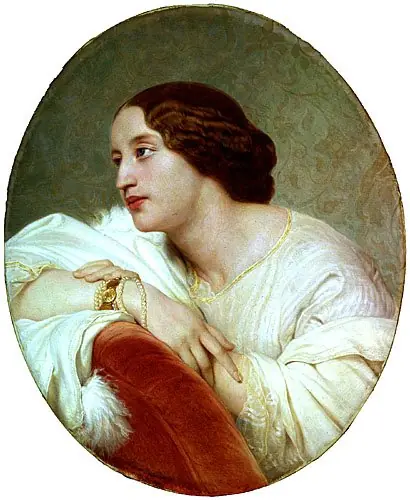 Ludmille Komar, princesse de Beauvau-Craon
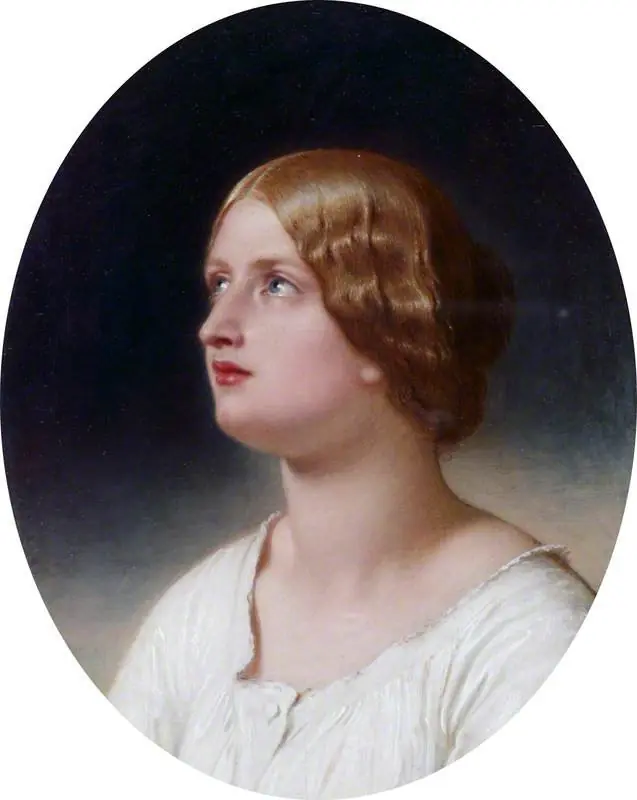 Contemplation
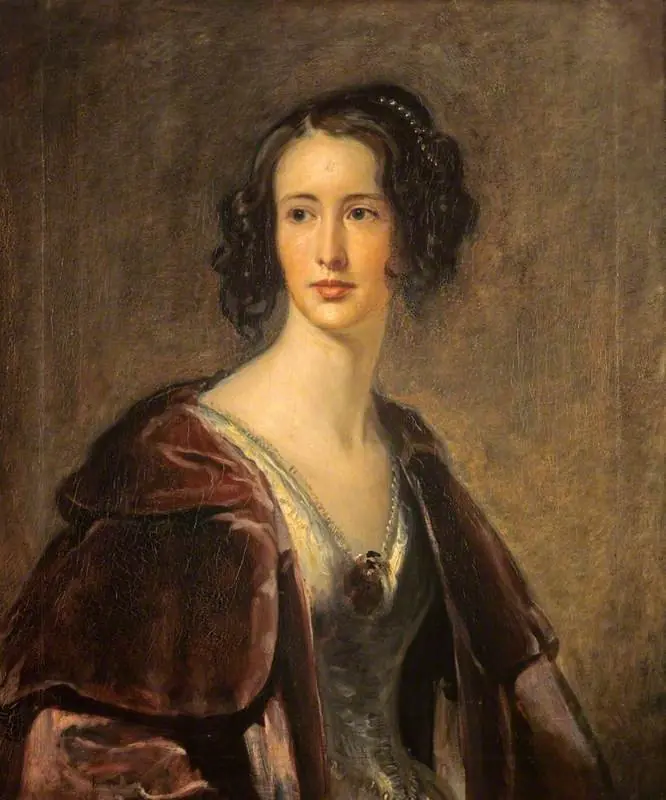 Katherine Monro, Lady Steuart of Allanbank, d. 1868
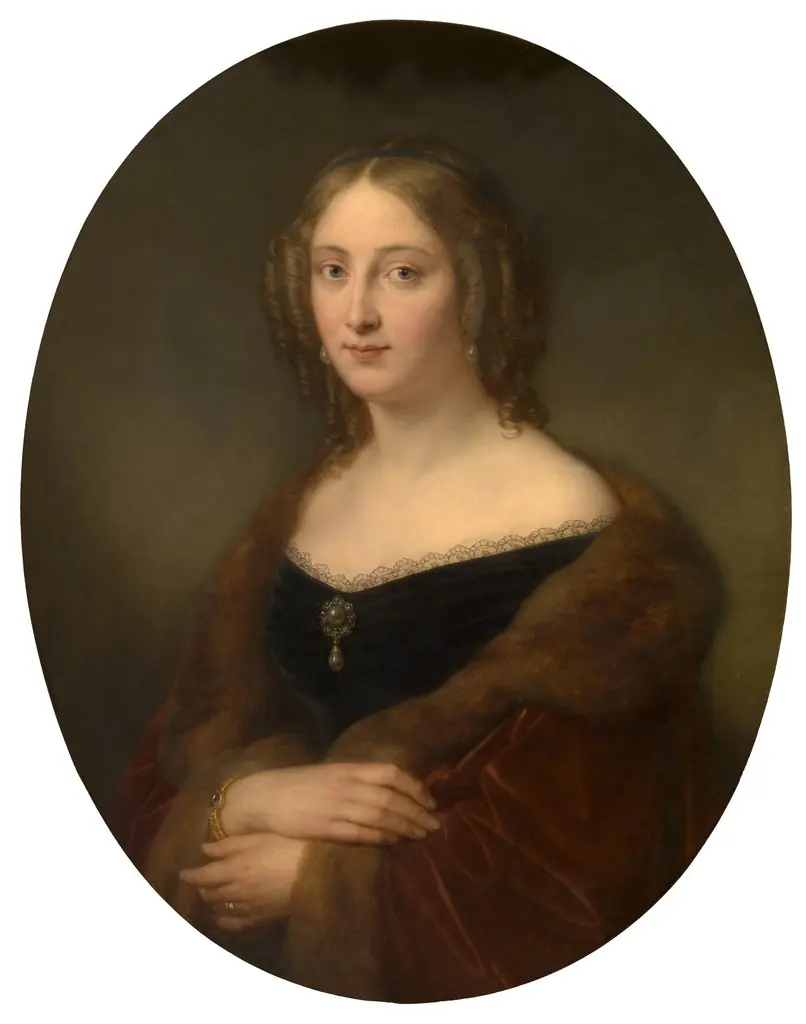 Baroness Adelaïde Vanden Hecke-Baut de Rasmon
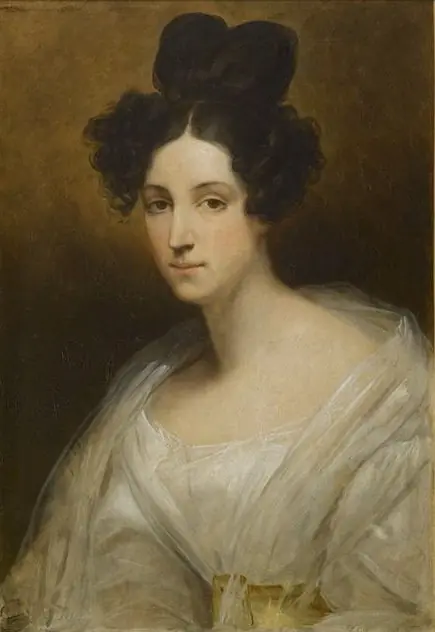 Césarine de Houdetot, Baronne de Barante (1794-1877)
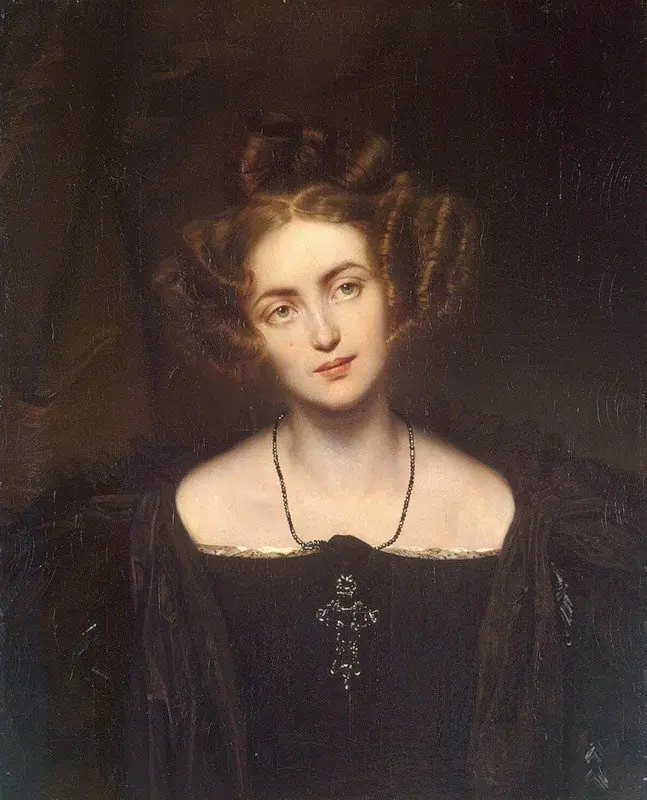 Portrait of Henriette Sontag
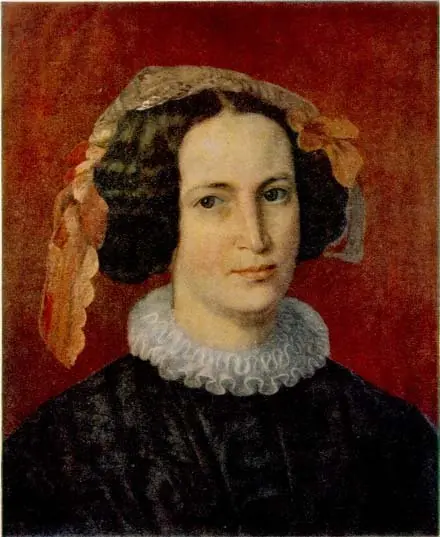 Portrait of Gorlenko
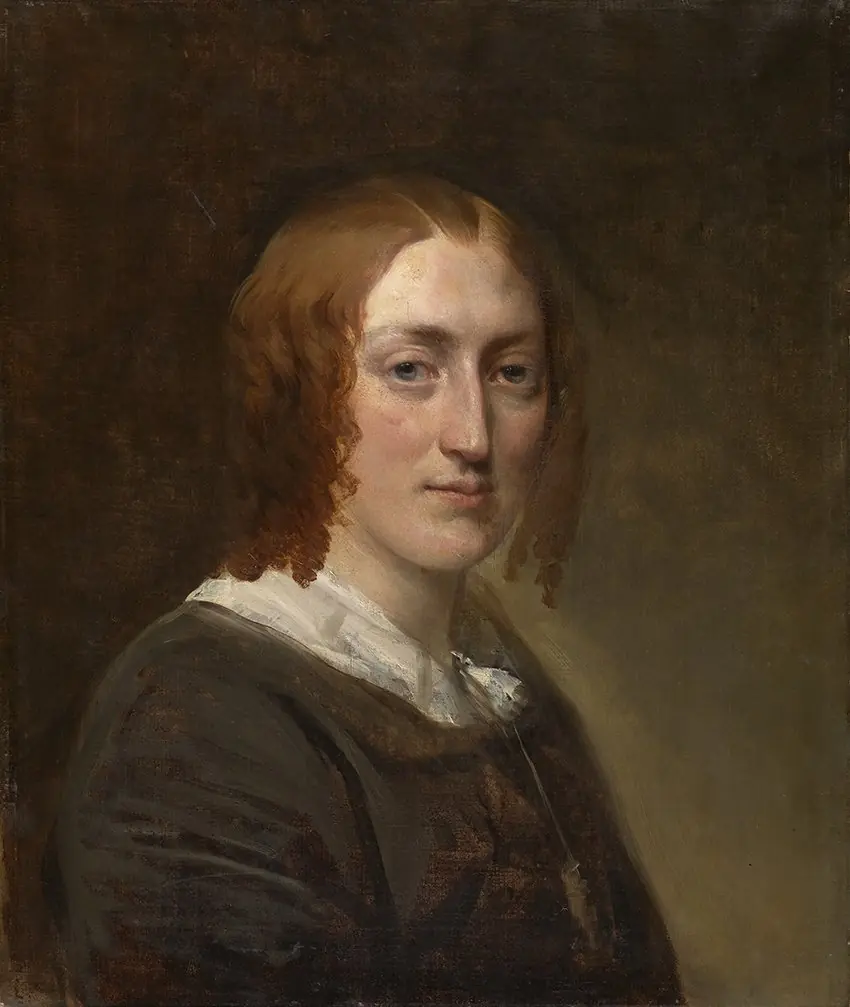 Portret van mevrouw Charles Van der Beeck-Bouvy
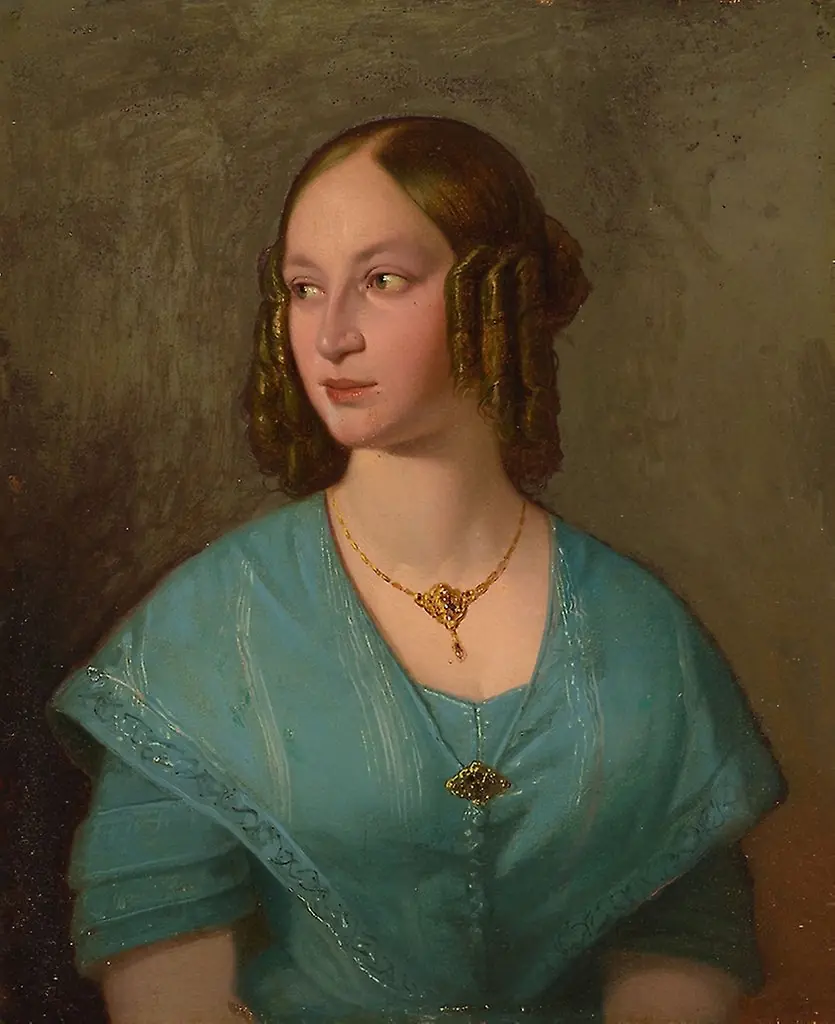 Mrs. Daniel Embury (Emma Catherine Manley)
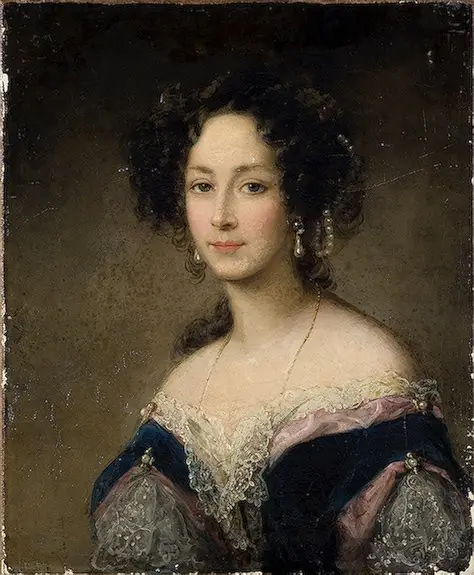 Portrait of Princess Zinaida Yusupova (1809/10-1893)(?)
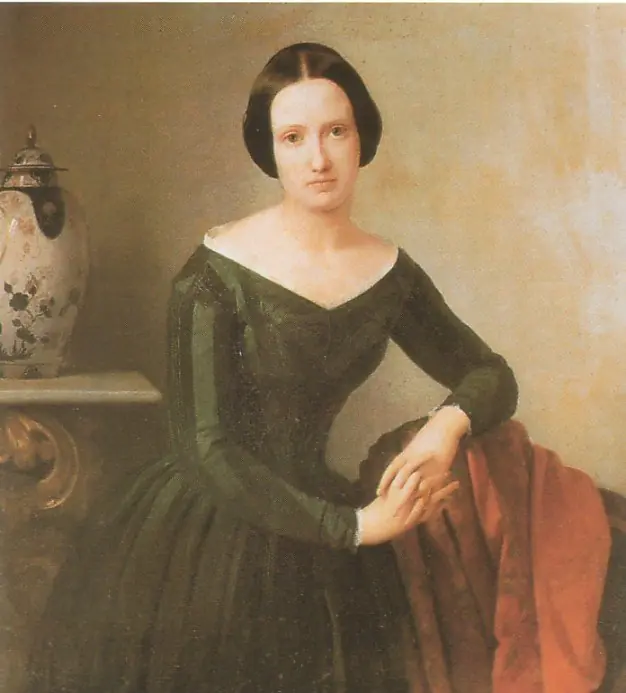 Portrait of Bice Presti Tasca
 Study of Mademoiselle Luisa at the home of Portaels