Artwork
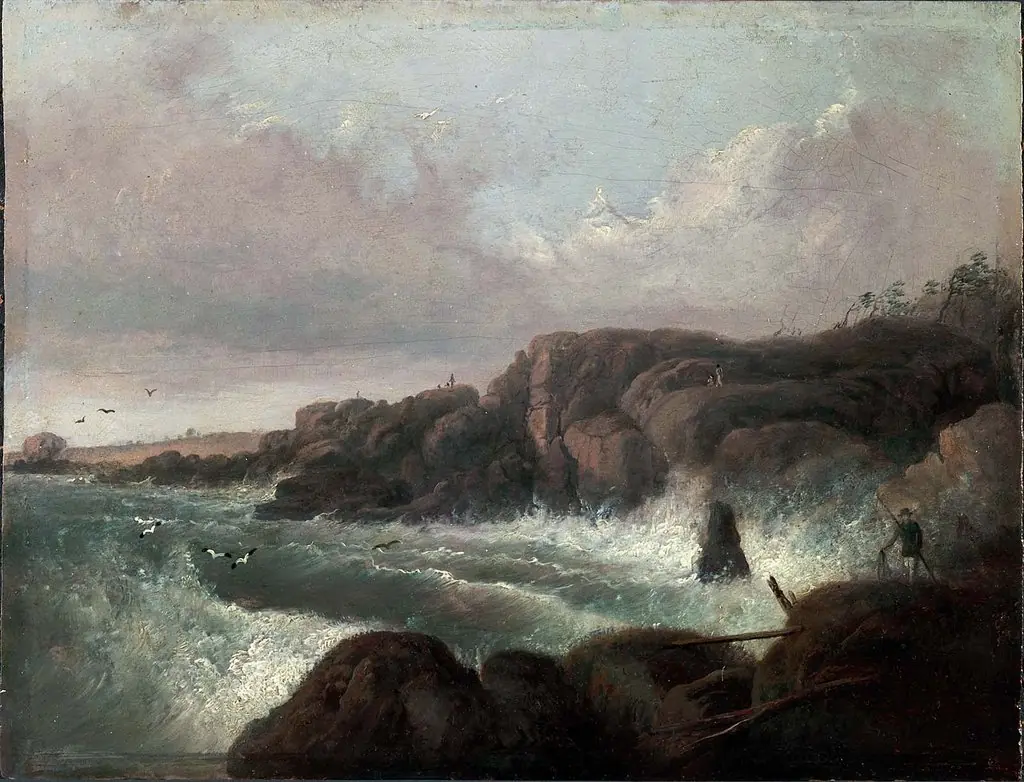
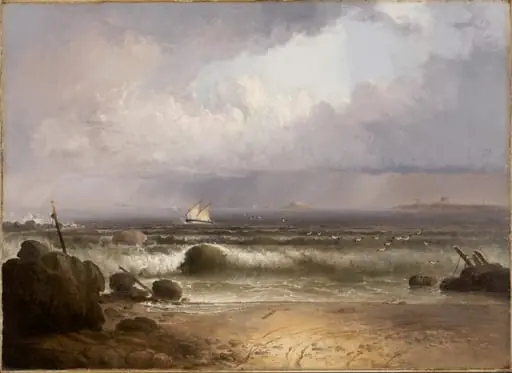
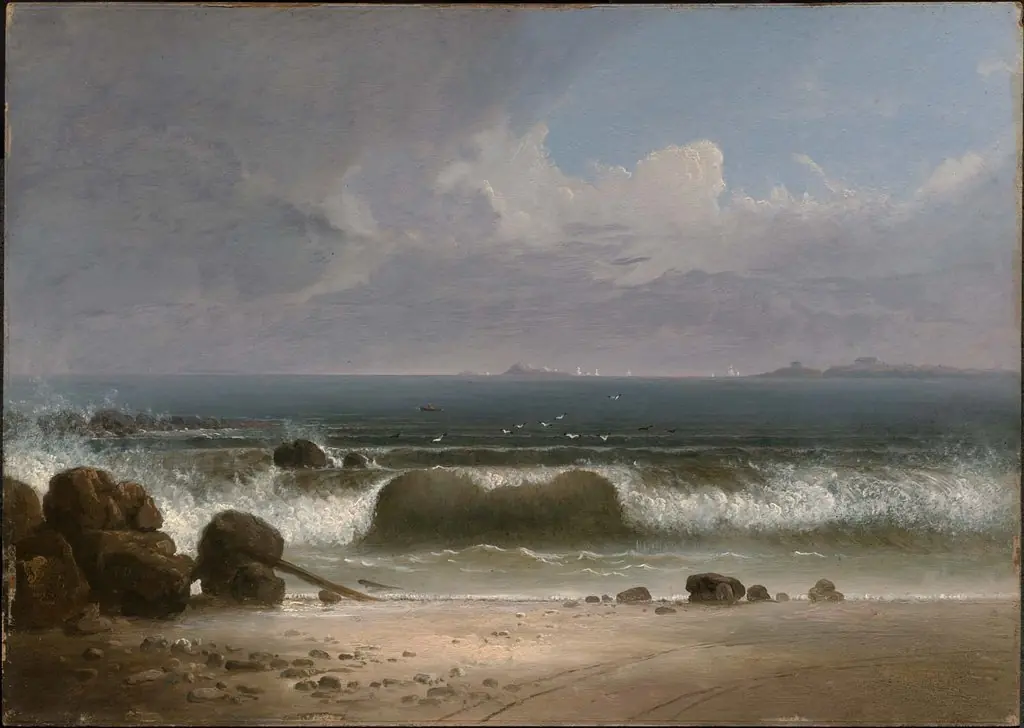
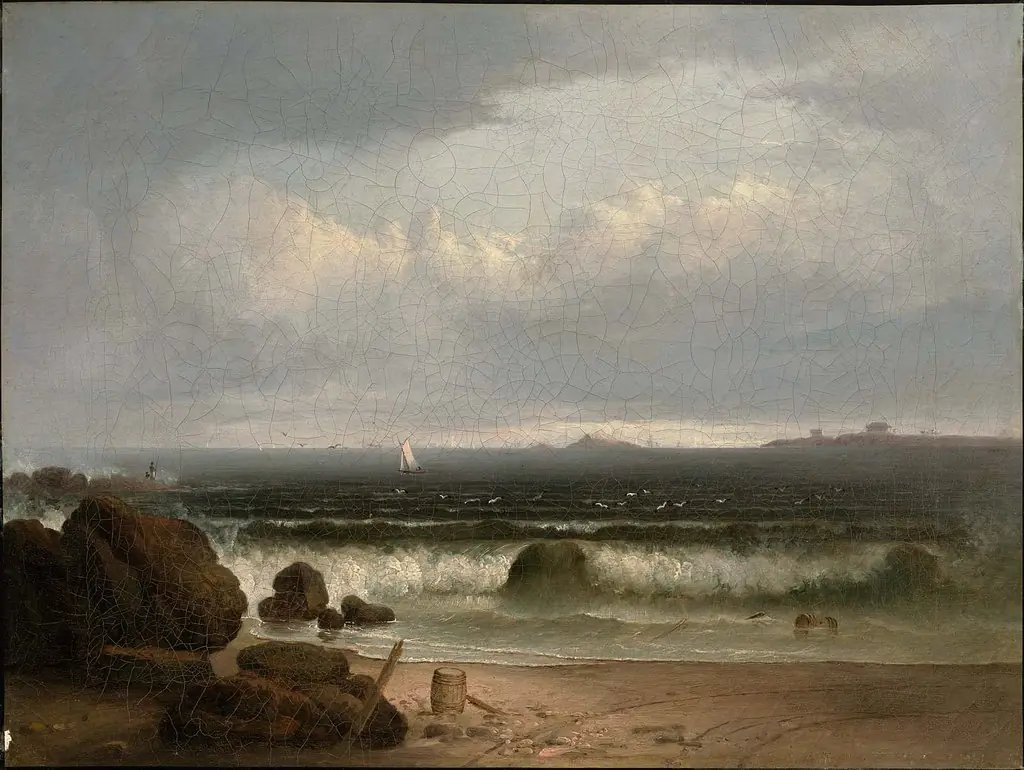
Coming Squall (Nahant Beach with a Summer Shower)
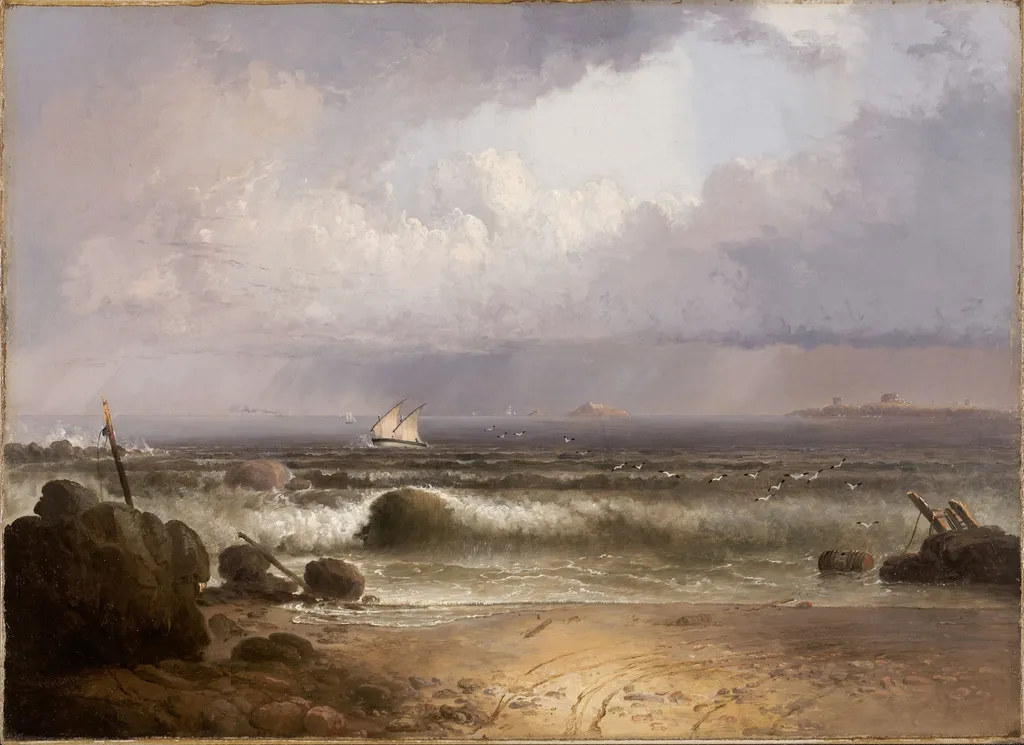
Coming Squall (Nahant Beach with a Summer Shower) is an unspecified painting by the Hudson River School artist Thomas Doughty. It dates from 1835 and is held in the collection of the Art Institute of Chicago.
About this work
Overview
The work belongs to the American Luminist tradition, emphasizing atmospheric conditions and quiet natural forces.
Painted in 1835 by Thomas Doughty, Coming Squall (Nahant Beach with a Summer Shower) captures a coastal scene in Massachusetts during the approach of a summer storm. The work belongs to the American Luminist tradition, emphasizing atmospheric conditions and quiet natural forces. It is currently held in the collection of the Art Institute of Chicago, where it serves as an example of early 19th-century landscape painting focused on transient weather and coastal solitude.
Subject & Meaning
The painting depicts a desolate beach under a gathering storm, with dark clouds pressing low over the water. A small sailboat drifts in the distance, while seabirds skim the surface, fleeing the coming weather. A fragment of shipwreck lies among the rocks in the foreground, suggesting human vulnerability to nature’s power. The scene conveys no human figures, reinforcing a sense of isolation and the inevitability of natural change.
Technique & Style
Doughty employs subtle gradations of light and muted tones to render the shifting sky and reflective water. Brushwork is restrained, avoiding dramatic strokes in favor of soft transitions between cloud, sea, and shore. The composition balances horizontal bands of land, water, and sky, creating a calm yet tense rhythm. Light is diffused rather than spotlighted, characteristic of Luminist sensitivity to ambient illumination and atmospheric mood.
History & Provenance
Created during Doughty’s active period in New England, the painting reflects his frequent visits to Nahant and other coastal sites. It was likely exhibited in the 1830s among early American art circles, though its early ownership records are sparse. The Art Institute of Chicago acquired it in the 20th century, where it has remained as part of its growing collection of American landscape works from the antebellum era.
Context
In the 1830s, American artists began turning from European models to depict their own landscapes with spiritual and emotional resonance. Doughty, influenced by the Hudson River School’s ideals, focused on quiet, contemplative scenes rather than grand vistas. Coming Squall aligns with this shift, emphasizing nature’s subtlety and impermanence over spectacle, reflecting broader cultural interests in nature’s moral and aesthetic authority.
Legacy
Though less widely known than contemporaries like Cole or Bierstadt, Doughty’s work contributed to the development of American landscape painting’s introspective mode. Coming Squall exemplifies how early artists used weather and solitude to evoke emotional depth without narrative. Its preservation in a major institution underscores its role in documenting the evolution of American artistic sensibility toward nature’s quiet, unspoken forces.
Artist & collection