Artwork
View of Baltimore from Beech Hill
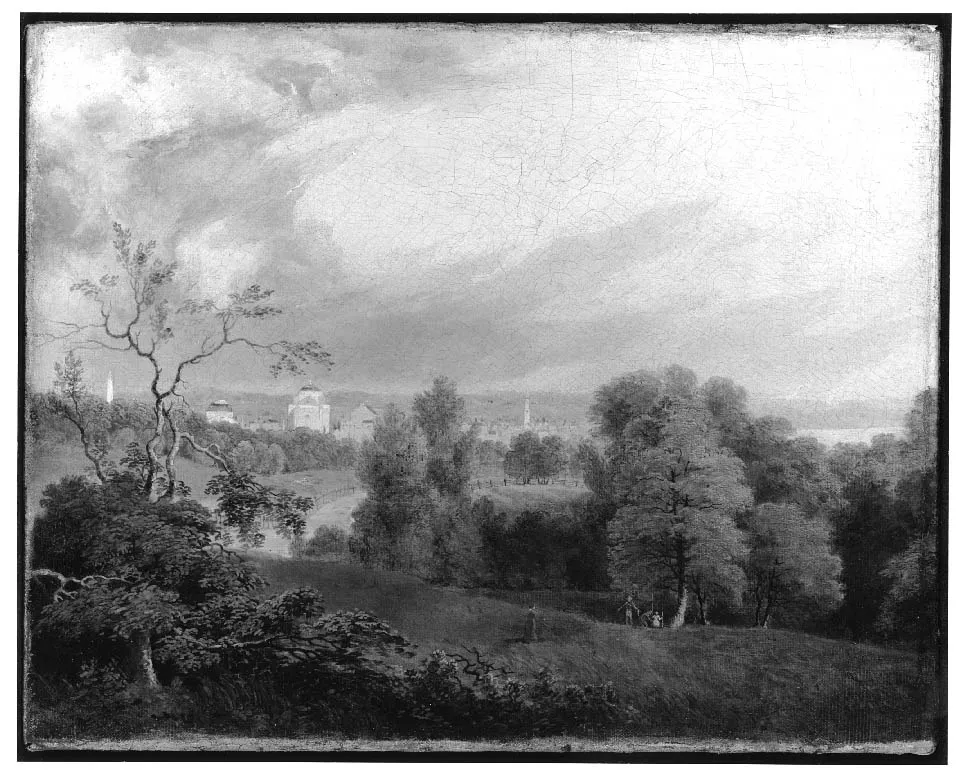
View of Baltimore from Beech Hill is an oil painting by the American Folk Art artist Thomas Doughty. It dates from 1822 and is held in the collection of the Museum of Fine Arts Boston.
About this work
Overview
Its composition balances cultivated land with wilder terrain, reflecting a period when American artists began turning their attention to domestic scenery.
Painted in 1822 by Thomas Doughty, this oil on canvas depicts a quiet vantage point overlooking Baltimore from Beech Hill. The work is part of the Museum of Fine Arts, Boston’s collection and represents an early example of American landscape painting focused on urban-natural interfaces. Its composition balances cultivated land with wilder terrain, reflecting a period when American artists began turning their attention to domestic scenery.
Subject & Meaning
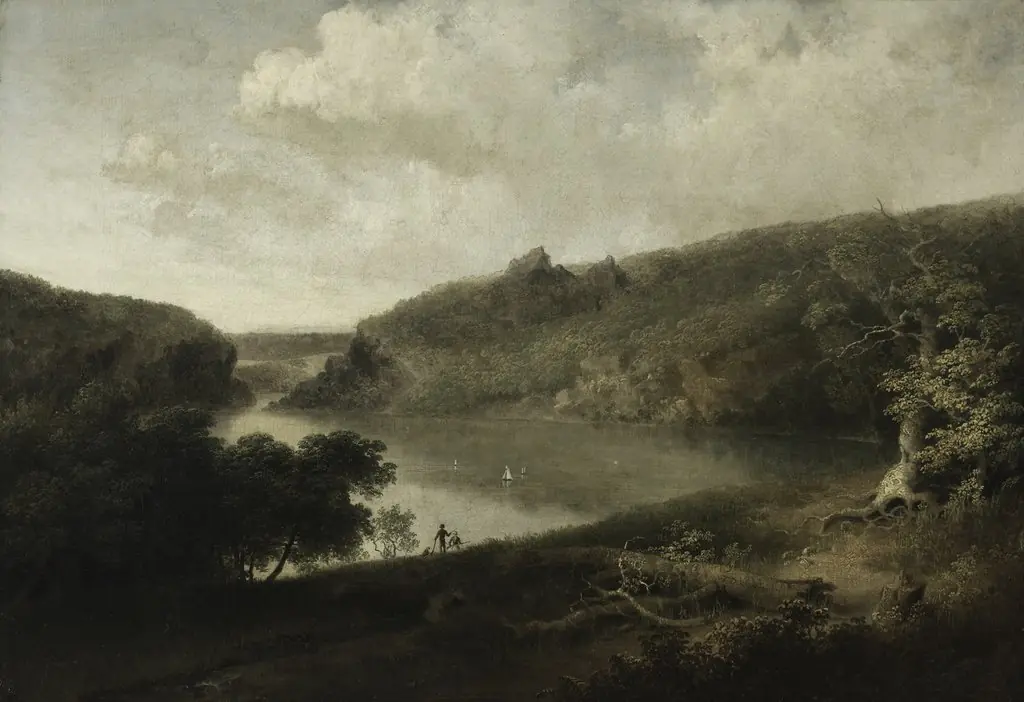
The scene captures Baltimore’s emerging urban fabric nestled within a rural landscape. Doughty includes modest buildings, scattered trees, and a stretch of water, suggesting the city’s growth without emphasizing its industrial character. The absence of human figures and the calm atmosphere convey a contemplative tone, aligning with Romantic ideals that valued nature as a source of quiet reflection amid early industrial change.
Technique & Style
Doughty employed subtle gradations of green, brown, and gray to model form and depth. Soft, blended brushwork defines the sky and foliage, while sharper edges outline architectural elements. Light is diffused across the scene, casting gentle shadows that enhance spatial recession. The palette remains restrained, avoiding dramatic contrasts in favor of atmospheric harmony, characteristic of the Hudson River School’s early influences.
History & Provenance
Created during Doughty’s formative years as a landscape painter, the work predates his association with the Hudson River School but anticipates its aesthetic. It entered the Museum of Fine Arts, Boston’s collection in the 19th century, likely through a private donation or acquisition. Its preservation reflects early institutional interest in American art that documented regional topography with poetic restraint.
Context
In the 1820s, American artists increasingly turned from European models to depict local scenery. Baltimore, as a growing port city, offered a compelling subject—part wilderness, part settlement. Doughty’s painting aligns with a broader cultural shift toward valuing the American landscape as worthy of artistic attention, separate from European traditions, even as urbanization began reshaping the land.
Legacy
Though less widely known than later Hudson River painters, Doughty’s work helped establish a visual language for American landscape art that prioritized quiet observation over grandeur. View of Baltimore from Beech Hill remains a significant early example of how artists documented the evolving relationship between settlement and nature in the young republic, influencing subsequent generations of regional painters.
Artist & collection



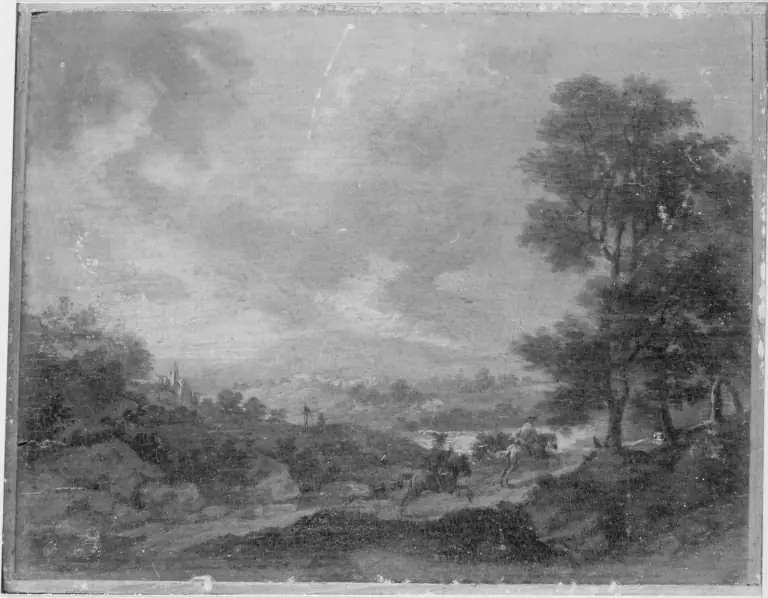 Hügellandschaft
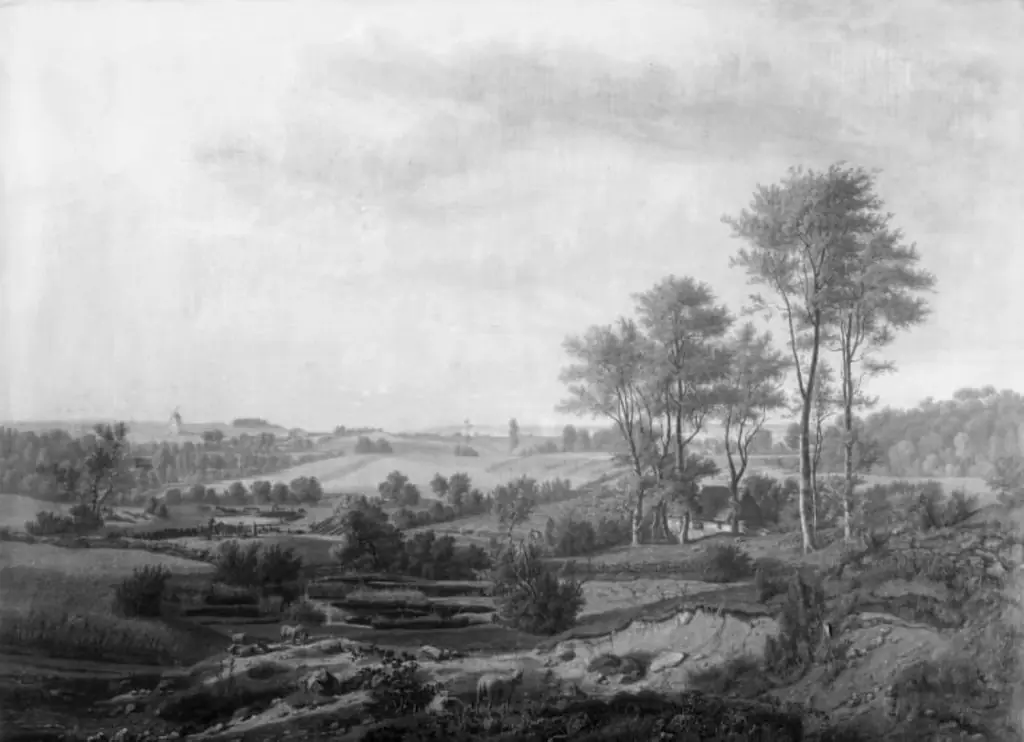 Nordsjællandsk landskab. I baggrunden den svenske kyst
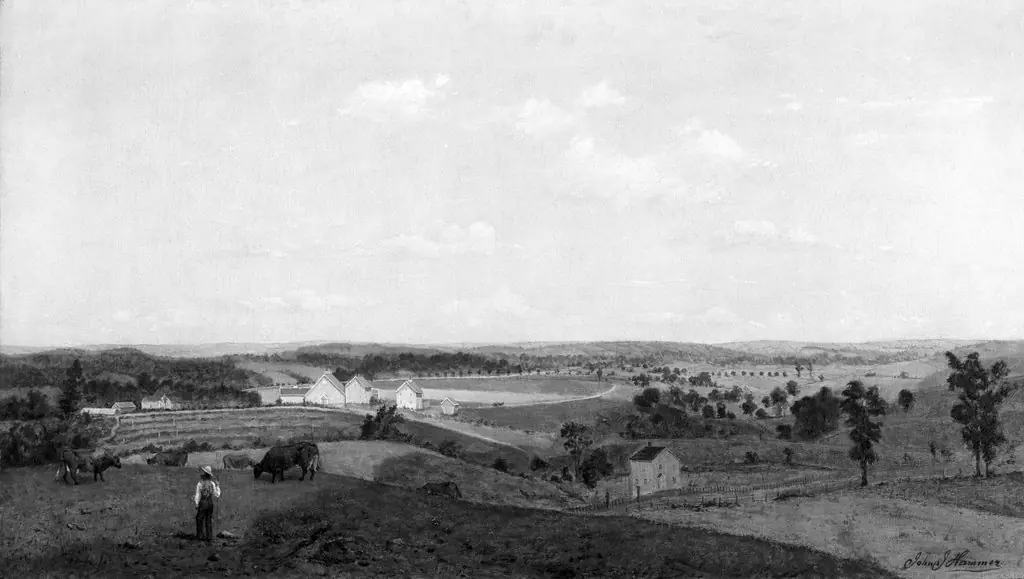 A Peaceful Day in the Mohawk Valley
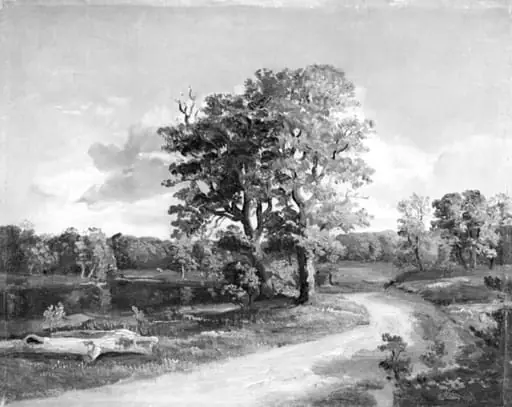 Landscape near Hammermøllen. Study
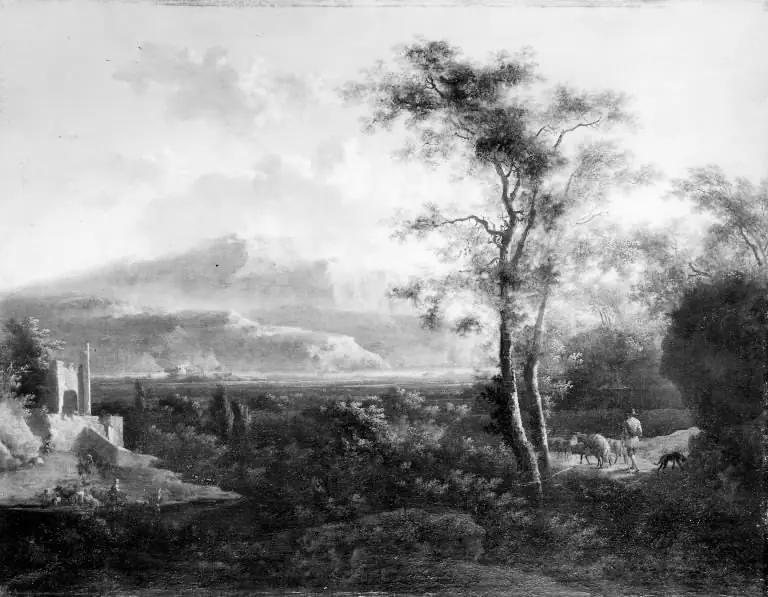 Italianate Landscape
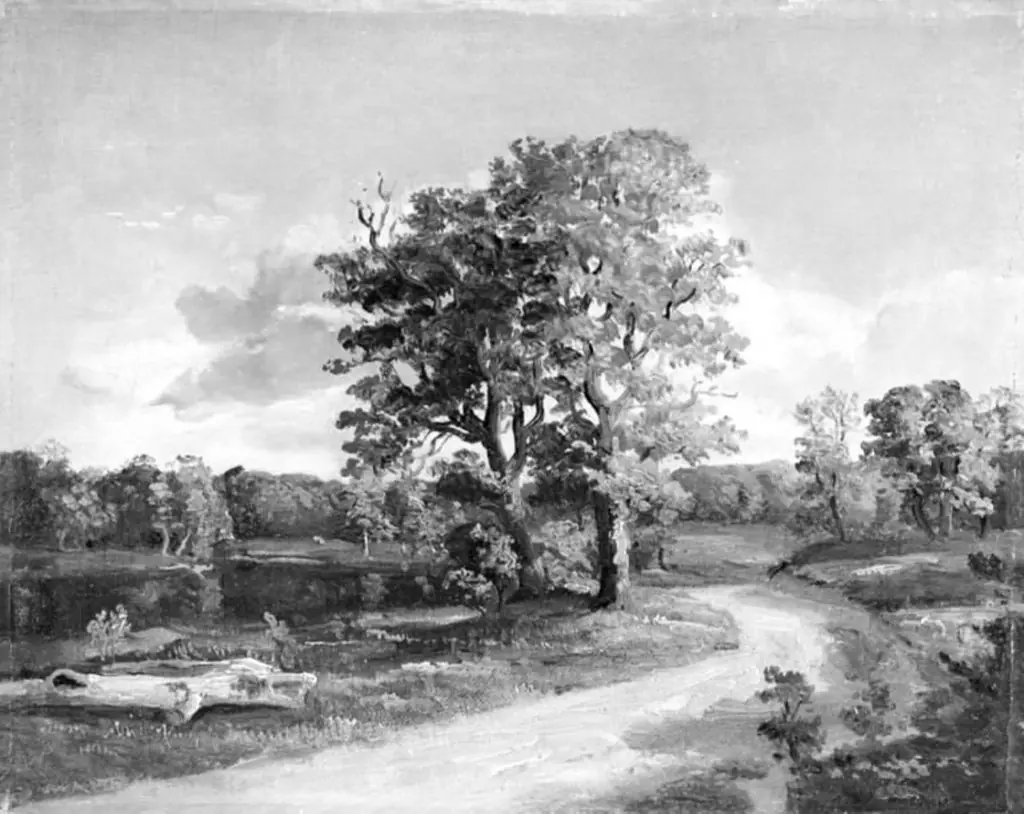 Landscape near Hammermøllen. Study
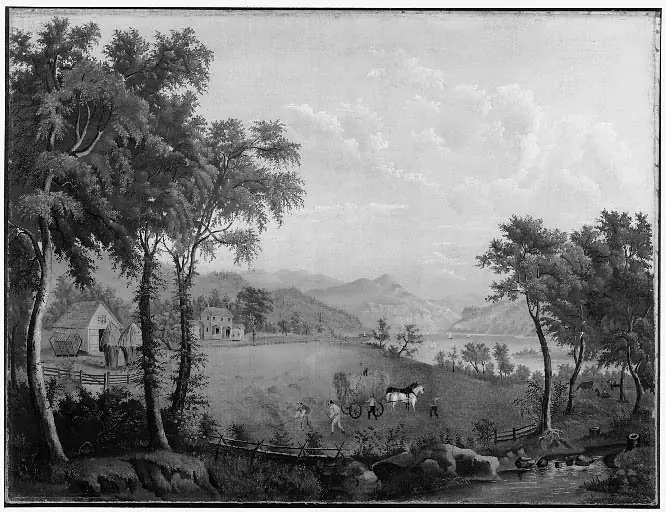 Summer Landscape: Haymaking (after American Harvesting)
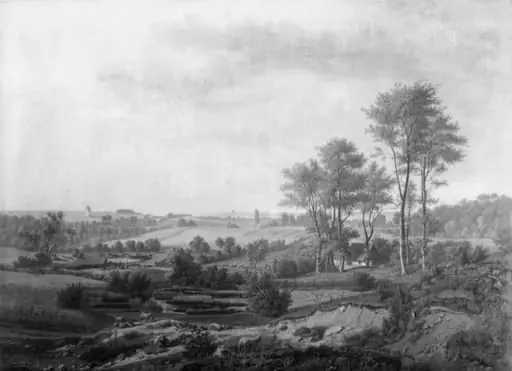 Nordsjællandsk landskab. I baggrunden den svenske kyst
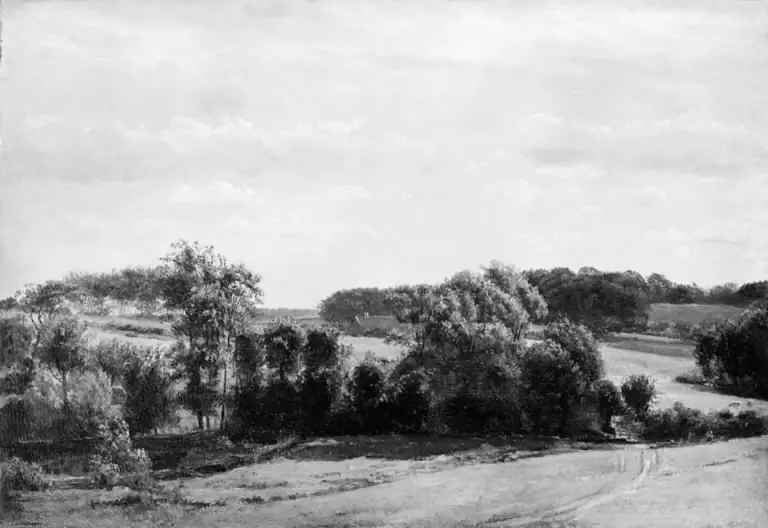 View near Rugaard, Funen
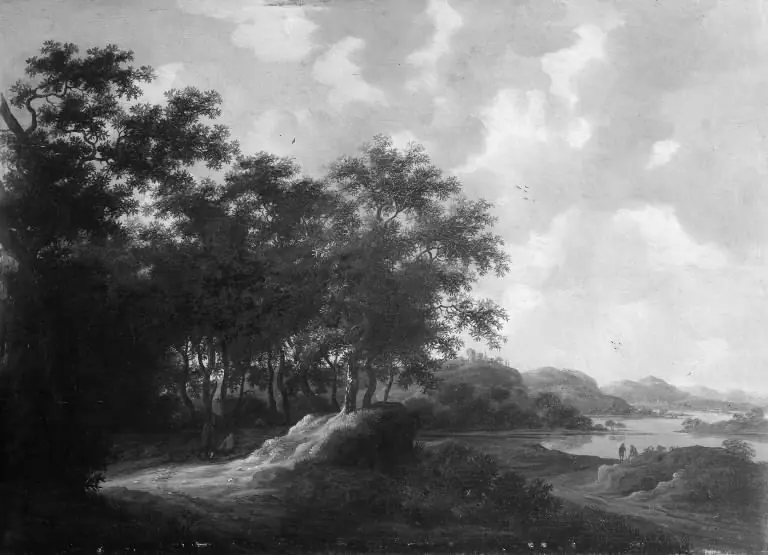 Wooded Landscape with a River
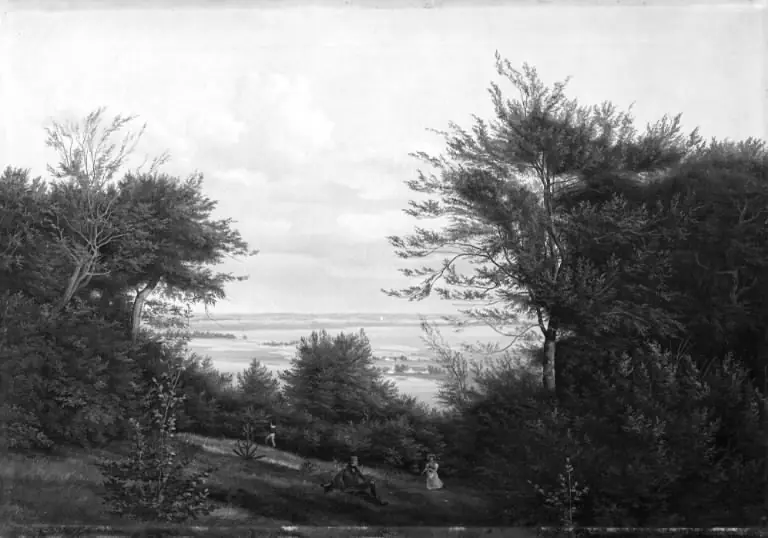 Landskab ved Arresø
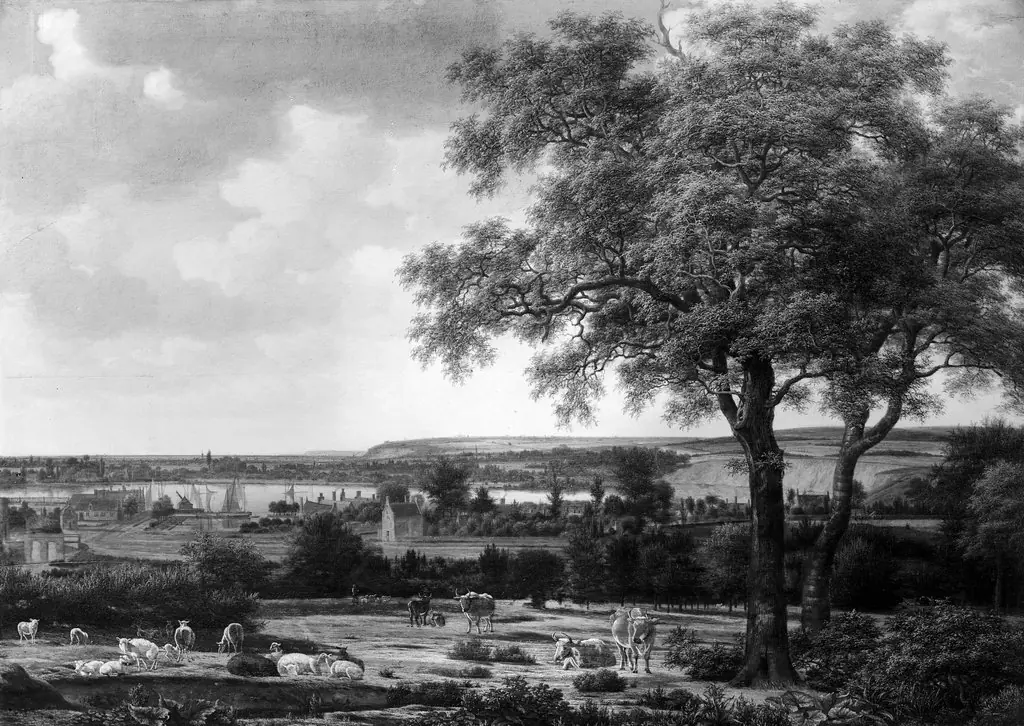 The Rhine Gate and the Port of Arnhem