Artwork
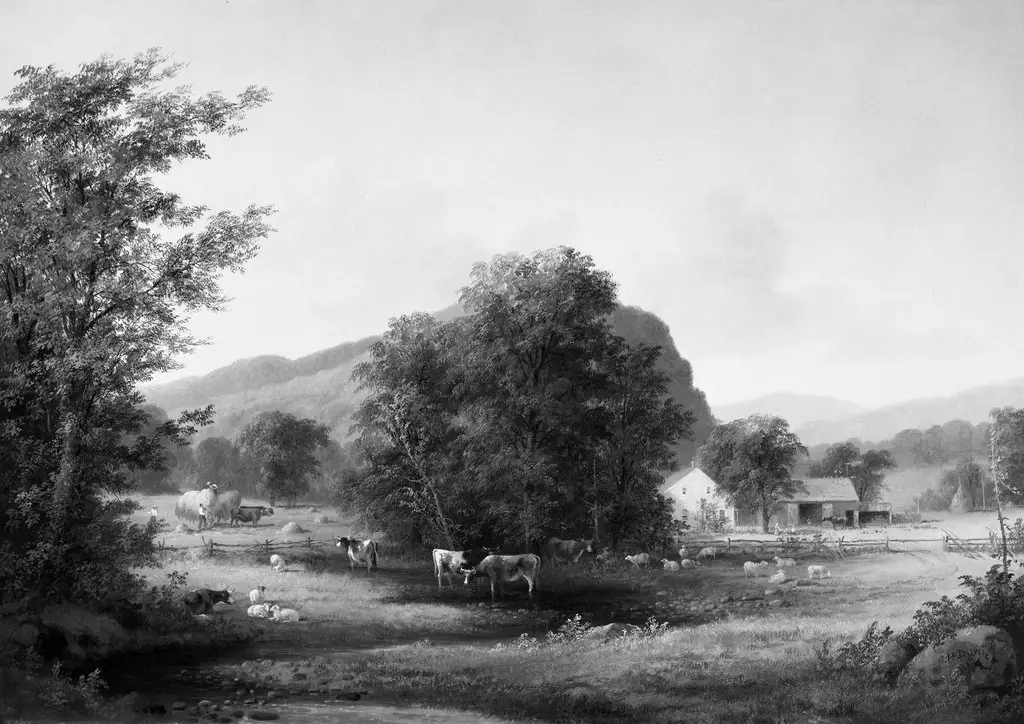
Summer Landscape: Haymaking (after American Harvesting)
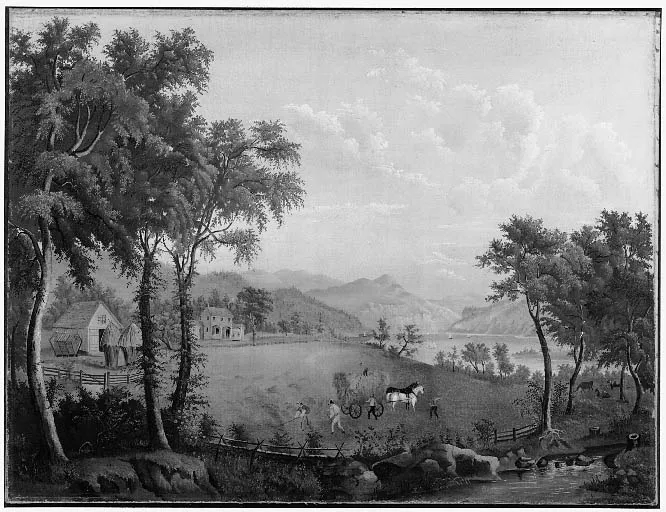
Summer Landscape: Haymaking (after American Harvesting) is an oil painting by the Hudson River School artist Jasper Francis Cropsey. It dates from 1871 and is held in the collection of the Museum of Fine Arts Boston.
About this work
Overview
Jasper Francis Cropsey painted Summer Landscape: Haymaking around 1871 in oil on canvas. The work is part of the Museum of Fine Arts, Boston’s collection. It presents a rural scene of agricultural labor set against a broad, sunlit countryside. The composition emphasizes harmony between human activity and the natural environment, reflecting Cropsey’s interest in the American landscape tradition.
Subject & Meaning
The painting captures laborers gathering hay in a sun-drenched field, a common seasonal task in 19th-century rural America. Rather than dramatizing toil, Cropsey renders it as a quiet, rhythmic part of the land’s cycles. The presence of distant hills, trees, and water suggests a broader ecosystem, reinforcing themes of continuity and the dignity of agrarian life.
Technique & Style
The composition guides the eye from the foreground workers toward the horizon, creating a sense of spatial immersion.
Cropsey employed bold, textured brushwork to convey the texture of grass, foliage, and sky. His palette favors warm golds, greens, and soft blues, enhancing the sense of late summer light. Atmospheric perspective is used to deepen the view, with distant mountains rendered in cooler tones. The composition guides the eye from the foreground workers toward the horizon, creating a sense of spatial immersion.
History & Provenance
The painting was completed after Cropsey’s return from Europe, where he studied European landscape traditions. It reflects his ongoing engagement with American pastoral themes, even as he absorbed European compositional methods. The work entered the Museum of Fine Arts, Boston’s collection in the late 19th century, where it has remained in public view since.
Context
Created during a period of rapid industrialization, the painting offers a contemplative vision of rural life. Cropsey’s work aligned with the Hudson River School’s ideals, emphasizing nature’s grandeur and moral value. Yet his focus on everyday labor distinguishes this piece from more dramatic wilderness scenes, grounding it in the rhythms of ordinary American existence.
Legacy
Summer Landscape: Haymaking exemplifies Cropsey’s ability to merge detailed observation with poetic atmosphere. While less celebrated than some of his monumental vistas, this work reveals his sensitivity to seasonal change and human presence within nature. It remains a quiet but enduring example of how American landscape painting could honor the everyday without idealization.
Artist & collection
Artist
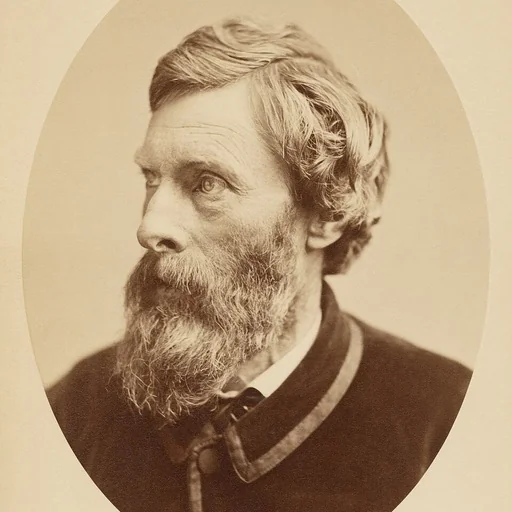
Jasper Francis Cropsey was an American architect and artist. He is best known for his Hudson River School landscape paintings.

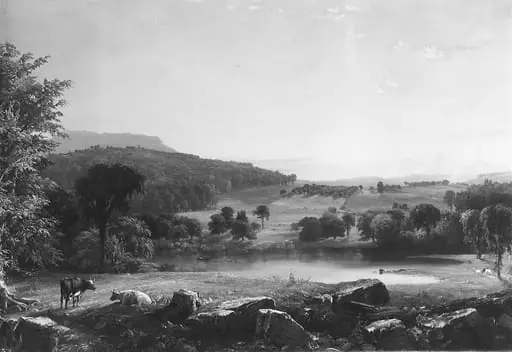
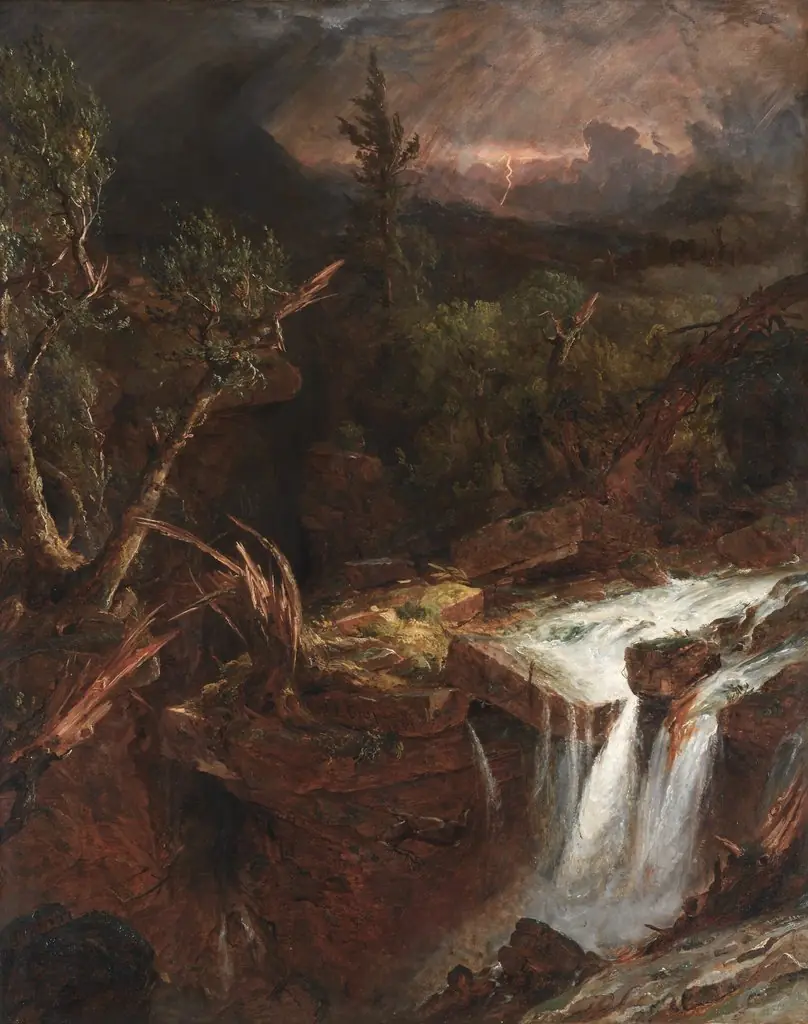
 Summer Landscape
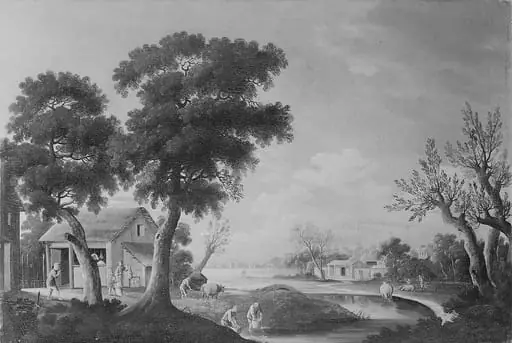 Landscape
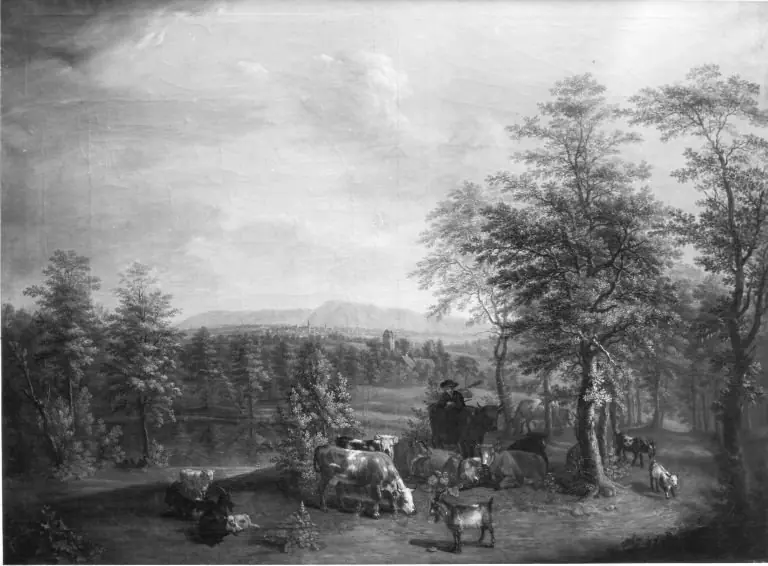 Pfälzische Landschaft mit Herde
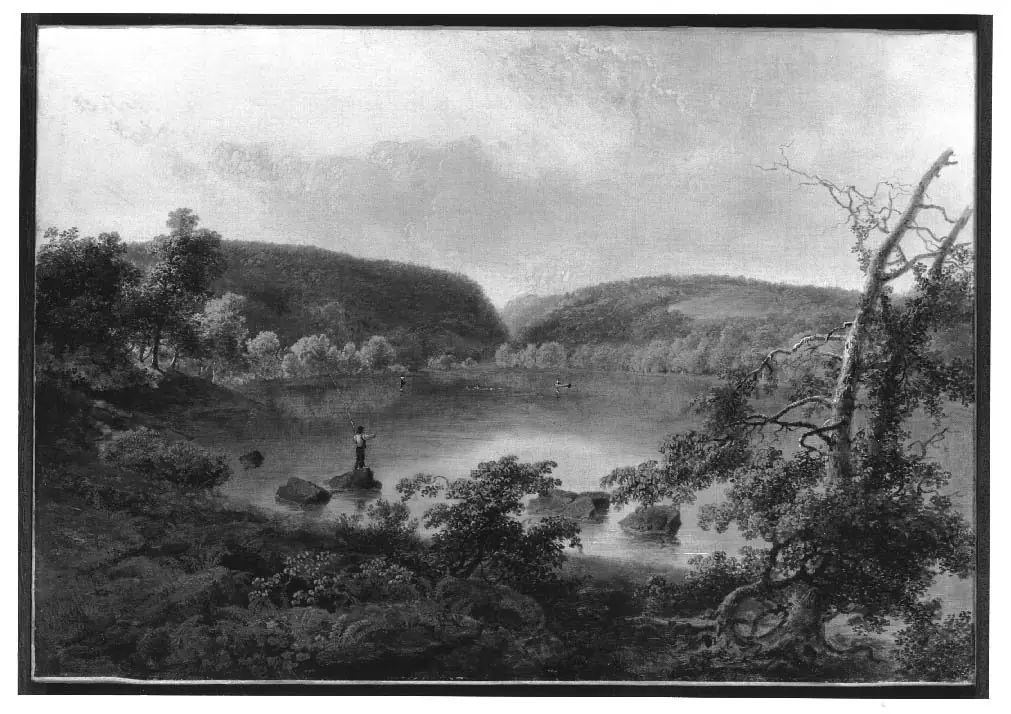 Landscape with Fishermen
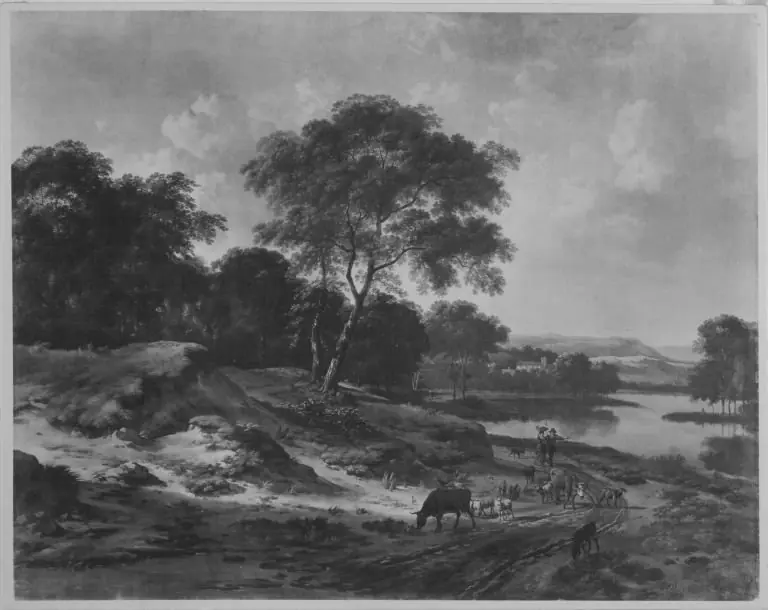 Landschaft mit Hirten
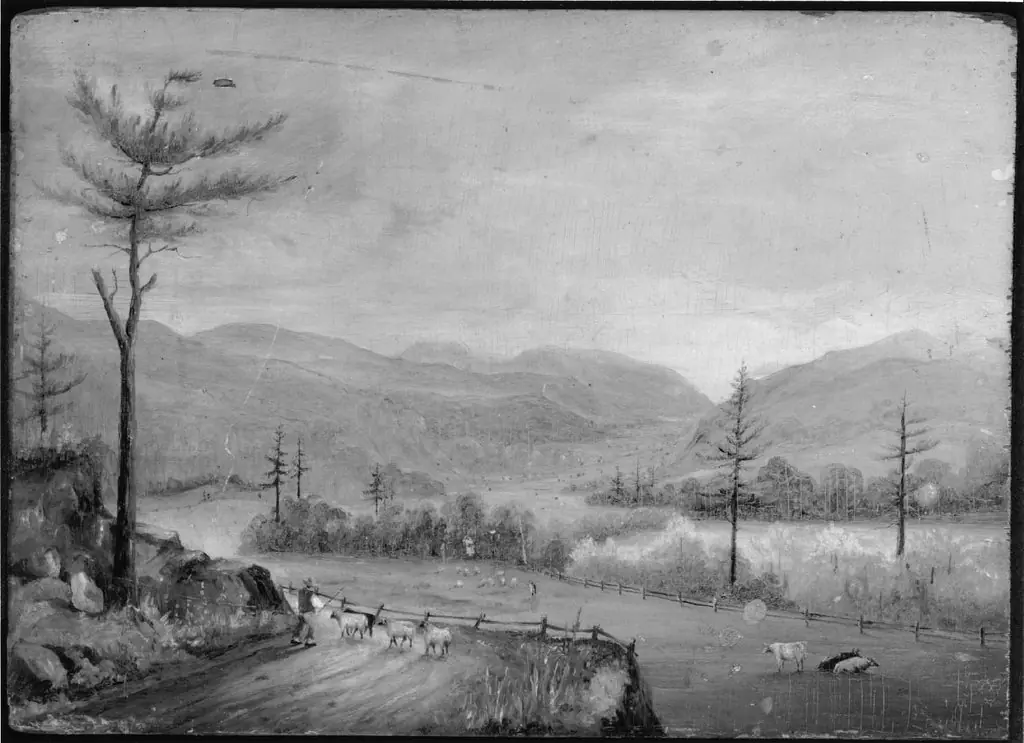 View of Valley of the Franconia Mountains, New Hampshire
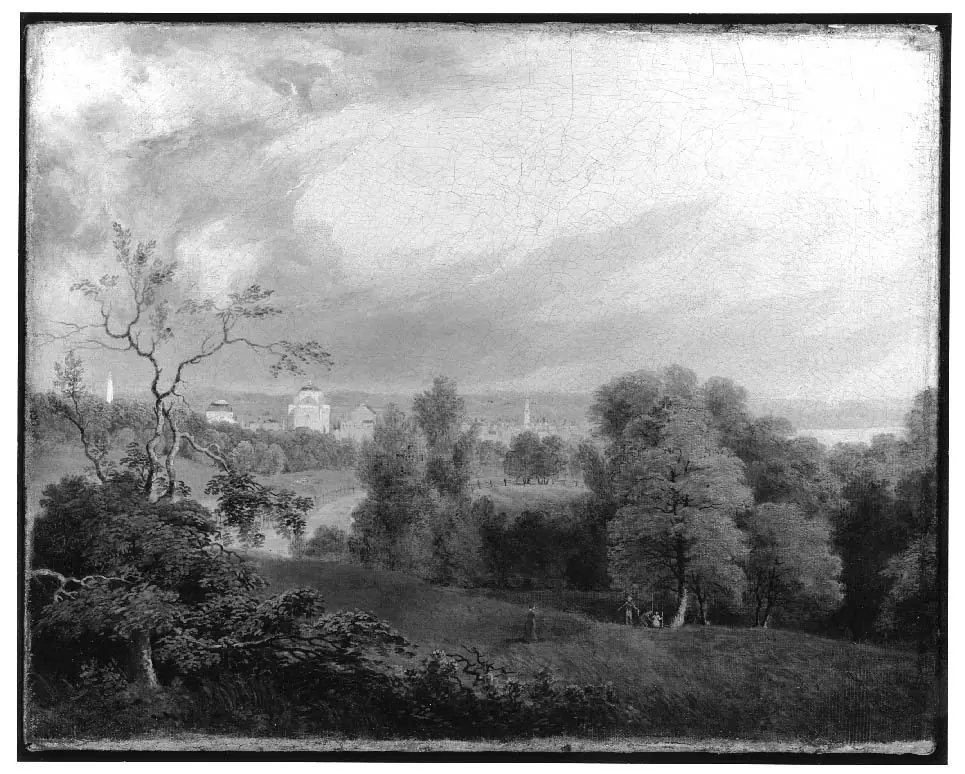 View of Baltimore from Beech Hill
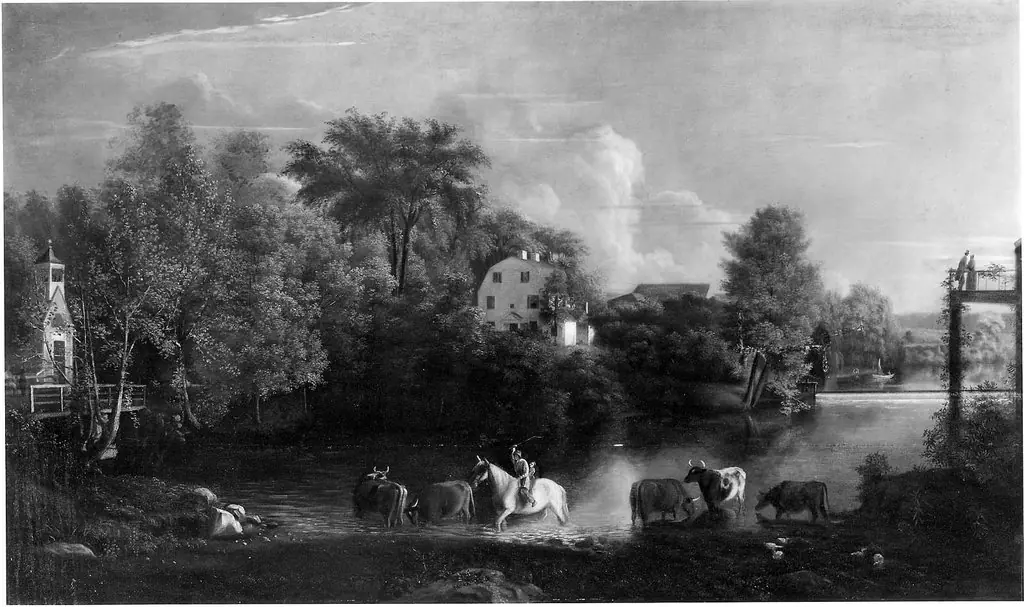 The Hollingsworth Home in Milton
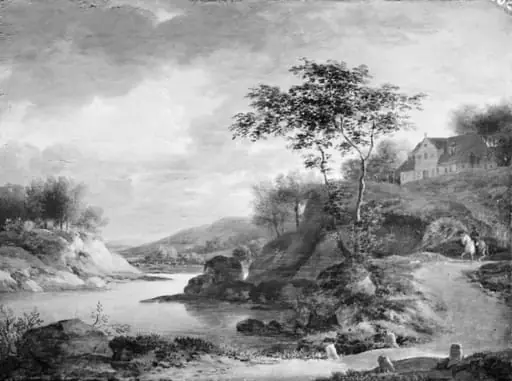 An Autumn Landscape by the Rhine
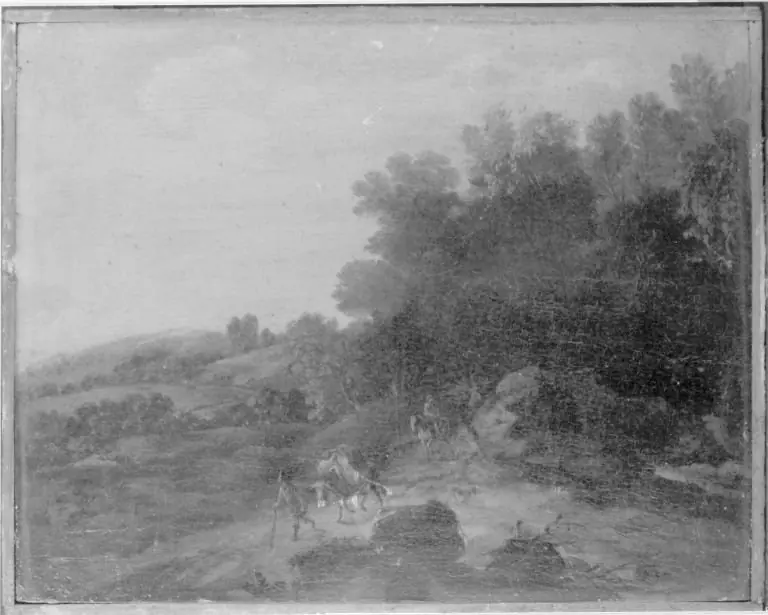 Hügellandschaft
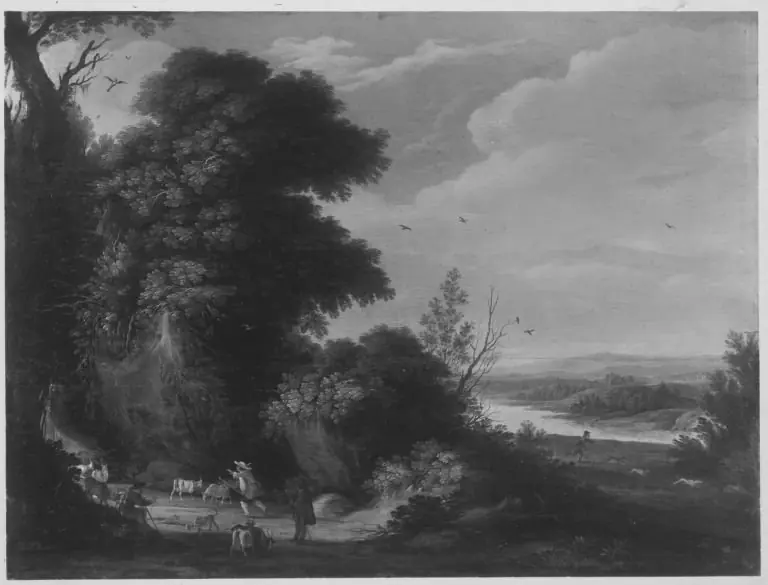 Ideal landscape
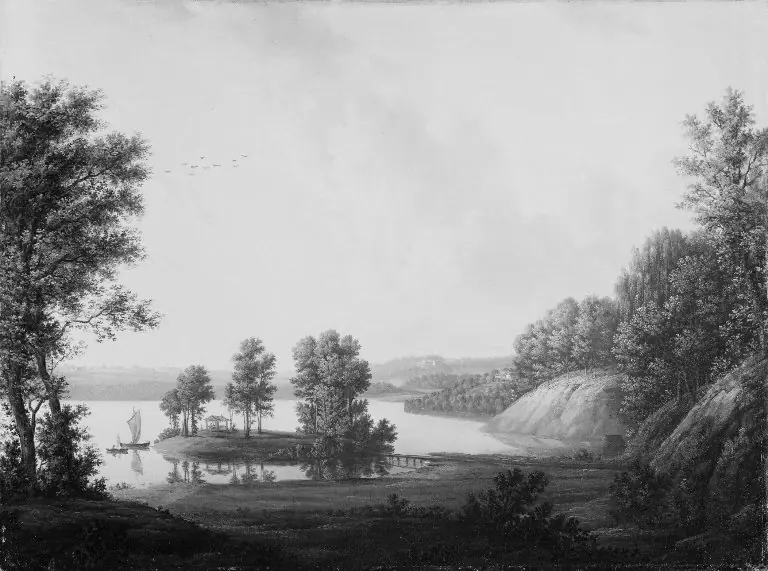 Prospekt fra Dronninggård over Furesøen. I forgrunden øen Chevallier med det kinesiske lysthus