Artwork
Christina Mitchell McNeil, the Mother of Ina, Dowager Duchess of Argyll
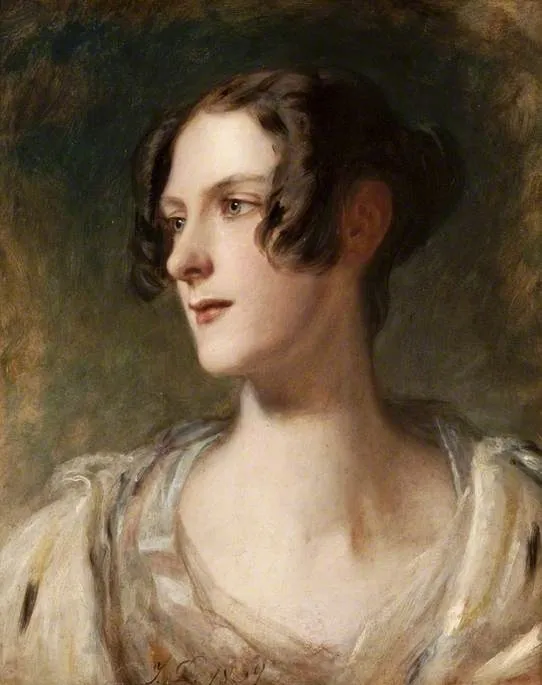
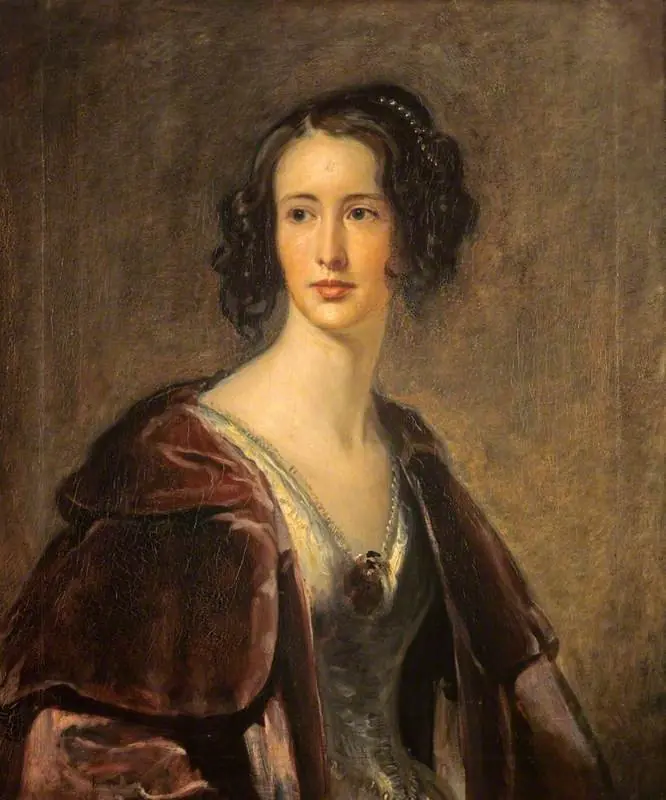
Christina Mitchell McNeil, the Mother of Ina, Dowager Duchess of Argyll is an oil painting by the British Romanticist artist Thomas Duncan. It dates from 1839 and is held in the collection of the Kelvingrove Art Gallery and Museum.
About this work
Overview
Painted in 1839 by Thomas Duncan, this oil portrait depicts Christina Mitchell McNeil, mother of Ina, Dowager Duchess of Argyll. The work resides in the Kelvingrove Art Gallery and Museum, Glasgow. Rendered with restrained elegance, it captures a private moment rather than a formal state image, emphasizing stillness over grandeur.
Subject & Meaning
Christina Mitchell McNeil is portrayed not as a noblewoman in regalia, but as a woman of quiet dignity. Her lowered gaze and subtle turn of the head suggest introspection, perhaps reflecting her role as a mother within a prominent aristocratic lineage. The absence of symbolic attributes directs focus to her personal presence rather than social status.
Technique & Style
Duncan employs soft brushwork to model the contours of her face and the fabric of her light dress, contrasting with the loose, shadowed background. The low neckline and delicate features are rendered with sensitivity, avoiding ornamentation. The dark, uneven backdrop isolates the figure, enhancing the intimacy of the composition.
History & Provenance
Commissioned during Duncan’s early career, the painting remained within the Argyll family before entering the Kelvingrove collection. Its preservation reflects the family’s interest in documenting maternal lineage, though it was never exhibited publicly during the artist’s lifetime.
Context
In the late 1830s, British portraiture increasingly favored psychological nuance over aristocratic display. Duncan, trained in Edinburgh and influenced by Scottish realism, aligned with this shift. This portrait exemplifies a move toward intimate, domestic representation among the gentry, distinct from the grandeur of royal or political portraiture.
Legacy
Though not widely reproduced, the painting is recognized in regional art histories as an early example of Duncan’s sensitivity to character. It contributes to the understanding of how Scottish artists of the period engaged with personal identity in portraiture, away from the conventions of London-based studios.
Artist & collection

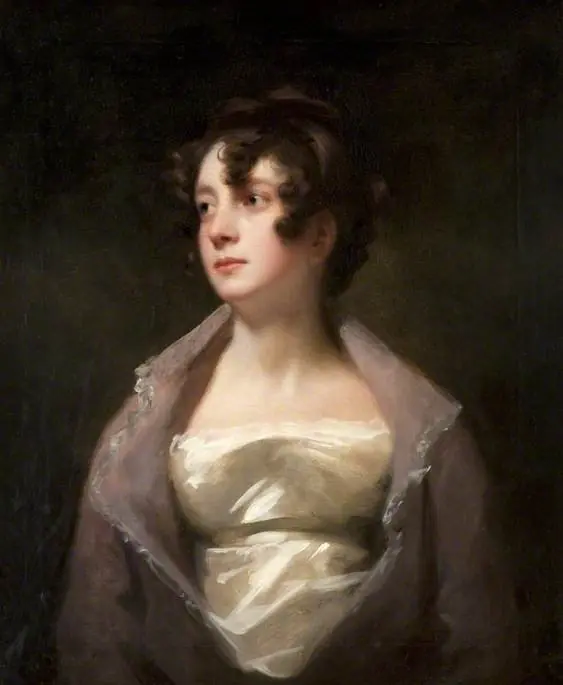 Mrs William Urquhart (c.1796–1864)
 Katherine Monro, Lady Steuart of Allanbank, d. 1868
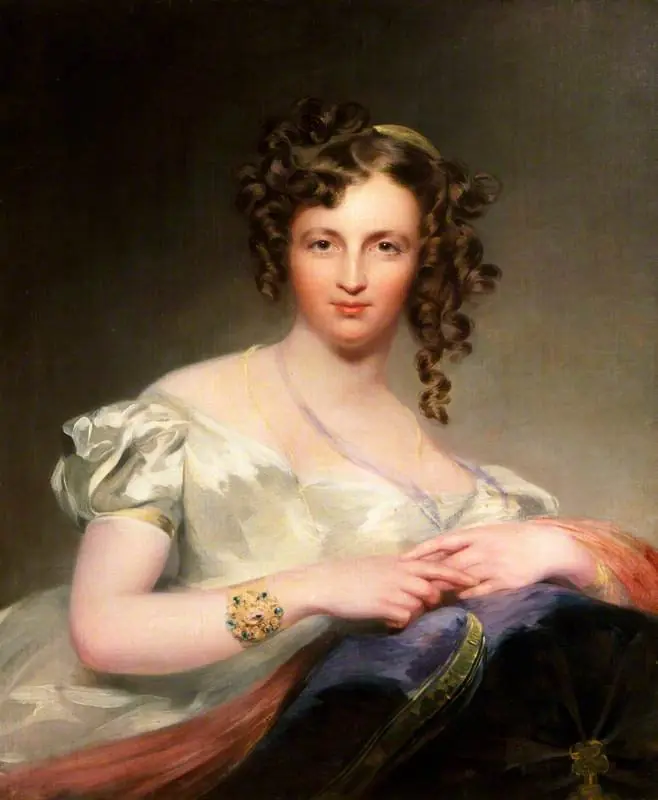 Portrait of a Young Lady
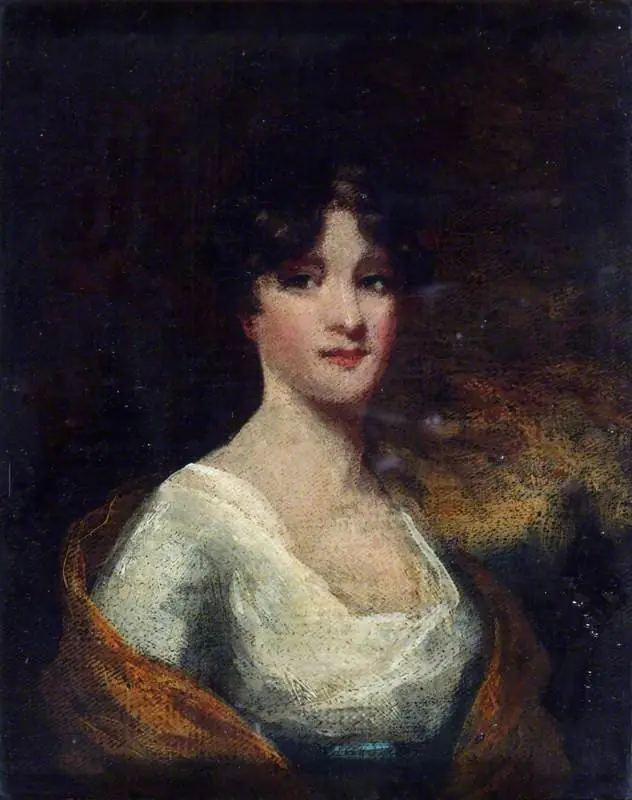 Portrait of a Lady
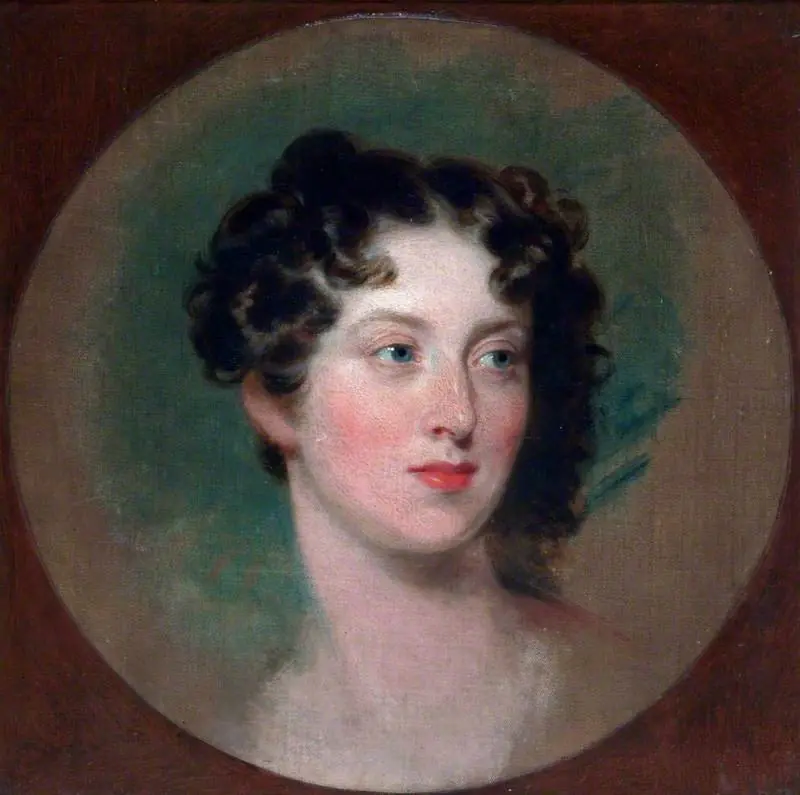 Head of a Lady (after Thomas Lawrence)
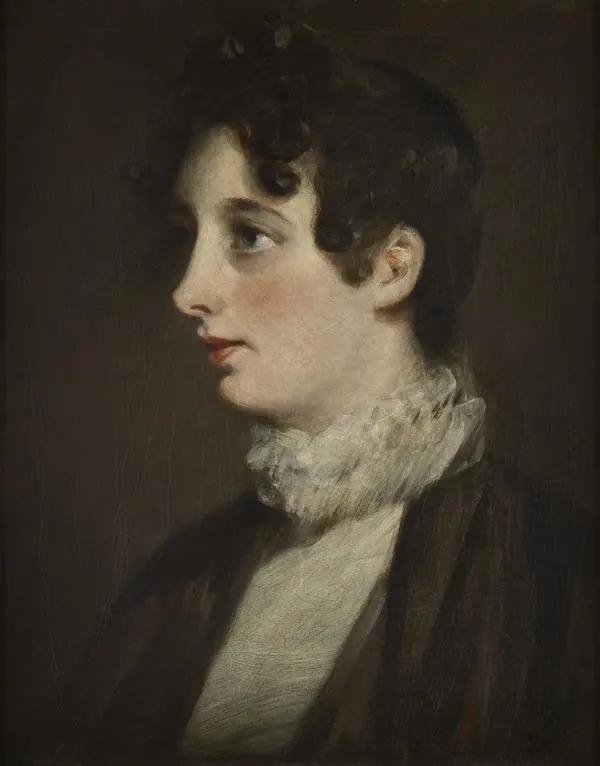 Laura Moubray, neé Hobson (born 1788)
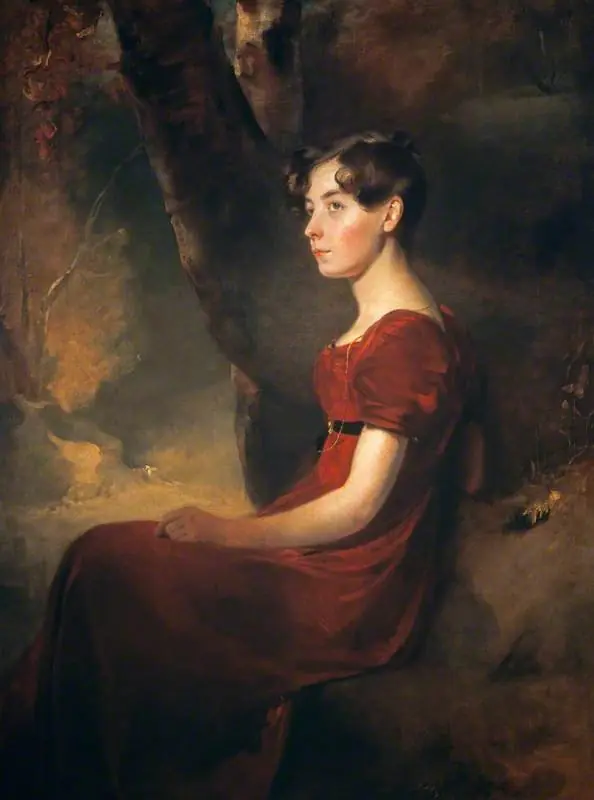 The Artist's Sister (Anne Geddes, 1785 - 1843)
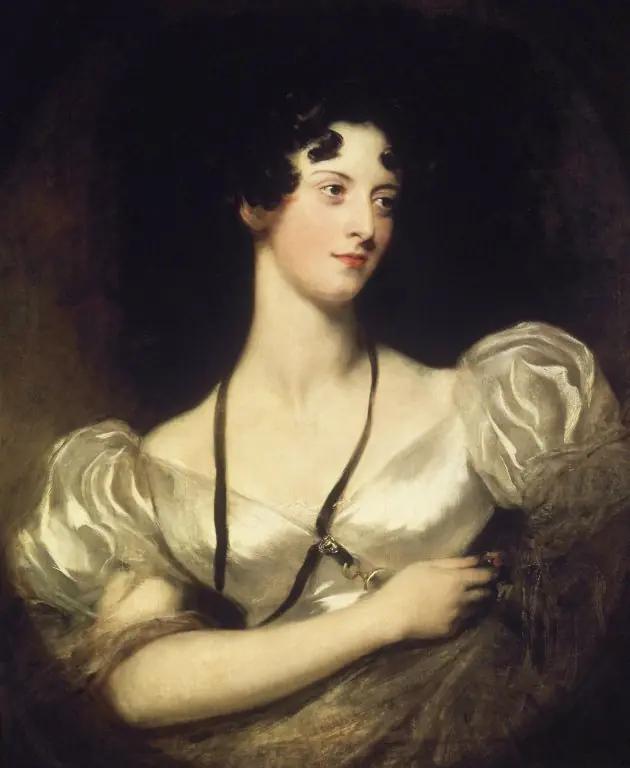 Miss Caroline Fry
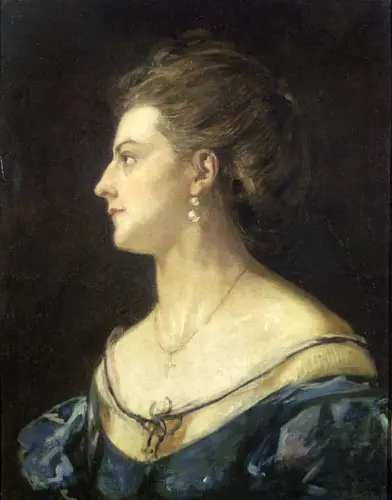 Portrait of his Wife
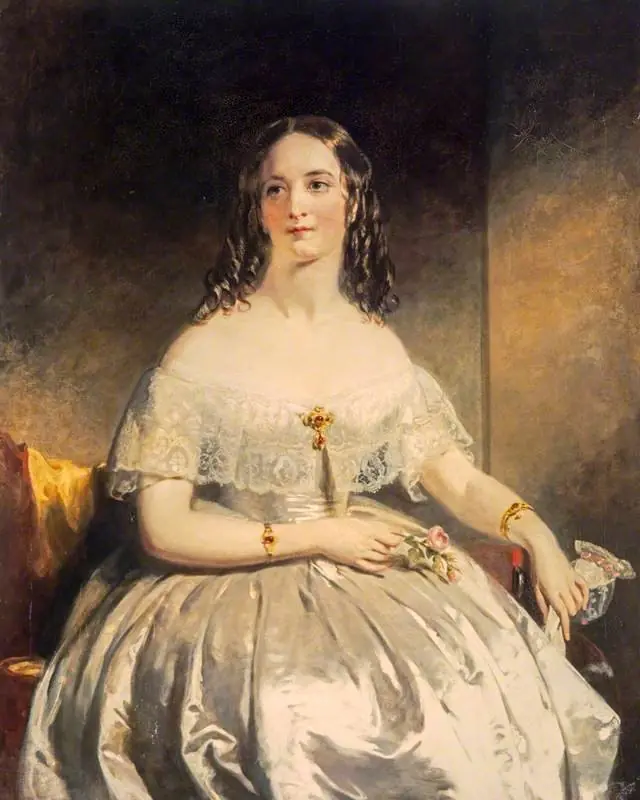 Portrait of a Lady
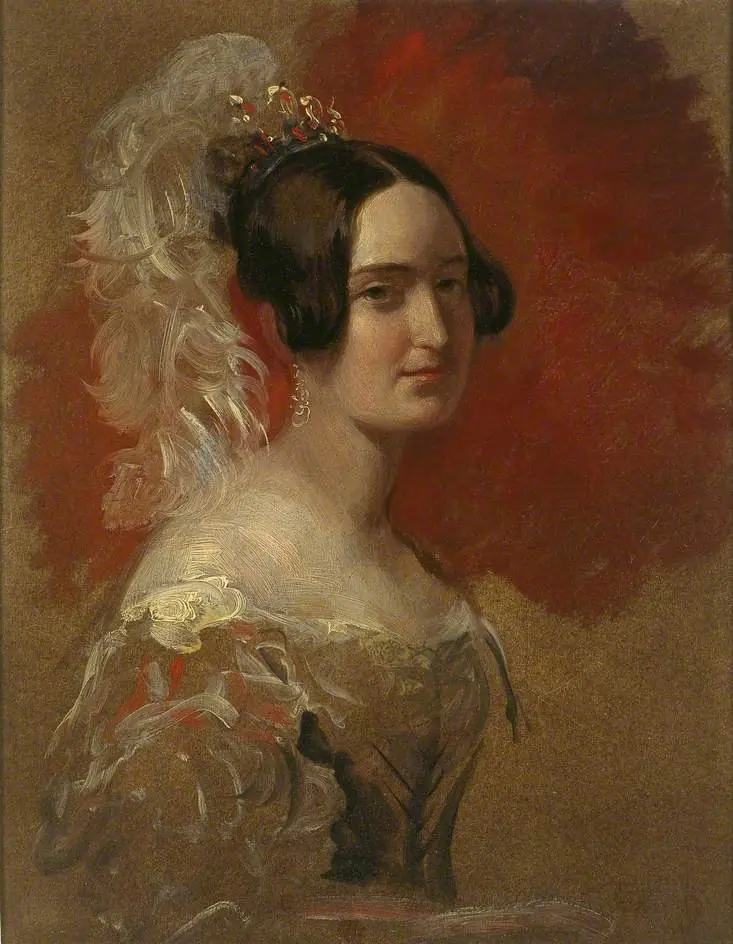 Anna Feodorovna, Princess Hohenlohe-Langenburg
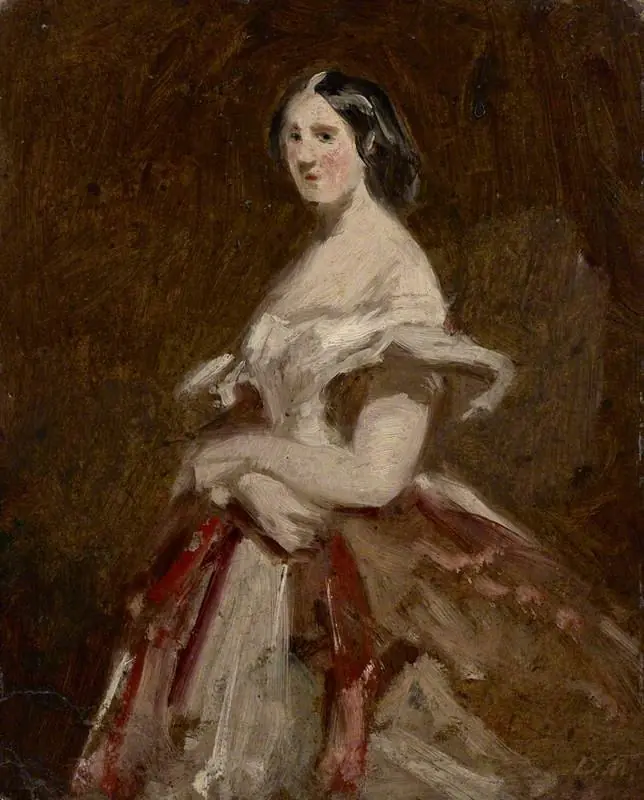 A Lady