Artwork
The Dean's Roll Call
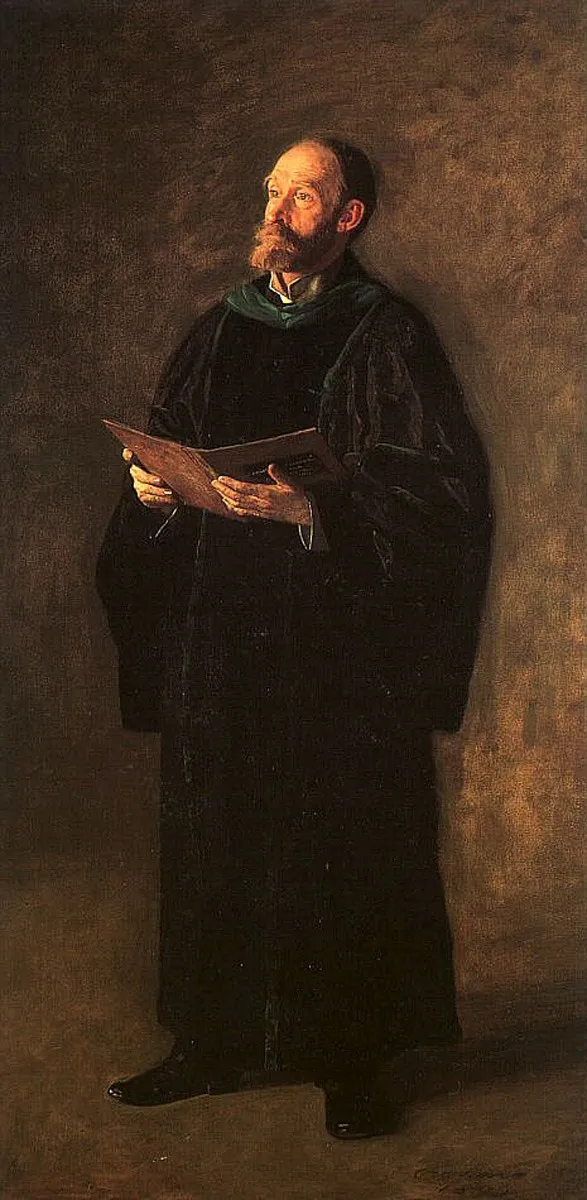
The Dean's Roll Call is an oil painting by the American Impressionist artist Thomas Eakins. It dates from 1900 and is held in the collection of the Museum of Fine Arts Boston.
About this work
Overview
Painted in 1900, *The Dean’s Roll Call* is an oil on canvas portrait by Thomas Eakins, capturing a gathering of academic and clerical figures. Eakins, based in Philadelphia, was known for his commitment to anatomical accuracy and observational rigor. The work reflects his interest in institutional life and the quiet dignity of professional roles, rendered without theatricality or idealization.
Subject & Meaning
Dressed in dark, conservative attire and holding documents or books, they appear engaged in a routine administrative act.
The painting portrays a group of men—likely faculty or administrators—in a formal, interior setting. Dressed in dark, conservative attire and holding documents or books, they appear engaged in a routine administrative act. The composition suggests order and quiet authority, emphasizing the gravity of institutional roles rather than individual personalities, aligning with Eakins’s broader focus on the dignity of everyday professional life.
Technique & Style
Eakins employed precise brushwork and a restrained palette to convey texture and spatial depth. Light falls naturally across the figures, modeling forms with subtle gradations rather than dramatic contrasts. Visible brushstrokes add tactile presence to fabrics and surfaces, while the muted background enhances the solidity of the subjects. His approach prioritizes direct observation over stylistic flourish, reflecting his scientific training and commitment to realism.
History & Provenance
Created during the final decade of Eakins’s career, the painting was acquired by the Museum of Fine Arts, Boston, in the early 20th century. It remained relatively obscure compared to his more famous portraits, partly due to its quiet subject matter. Its inclusion in the museum’s collection reflects institutional recognition of Eakins’s contribution to American realism, even as his reputation was being reassessed after his death.
Context
In the early 1900s, American art was shifting toward impressionism and modernism, yet Eakins remained committed to realism grounded in direct study. *The Dean’s Roll Call* reflects his enduring focus on the intellectual and professional classes of Philadelphia, a city where he taught and observed the rhythms of academic life. The painting stands apart from contemporaneous trends, valuing psychological presence over aesthetic novelty.
Legacy
Though not widely exhibited during his lifetime, *The Dean’s Roll Call* now serves as a quiet testament to Eakins’s dedication to portraying ordinary moments with unembellished truth. It exemplifies his influence on later American realists who valued psychological depth and technical precision. The work continues to be studied for its unflinching depiction of institutional quietude and the dignity of labor.
Artist & collection
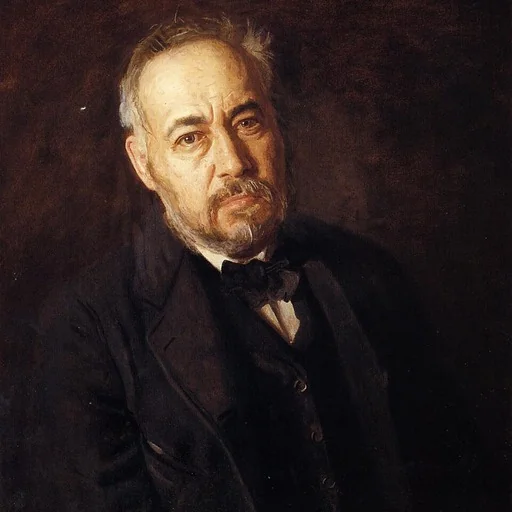
Artist
Thomas Cowperthwait Eakins (; July 25, 1844 – June 25, 1916) was an American realist painter, photographer, sculptor, and fine arts educator.

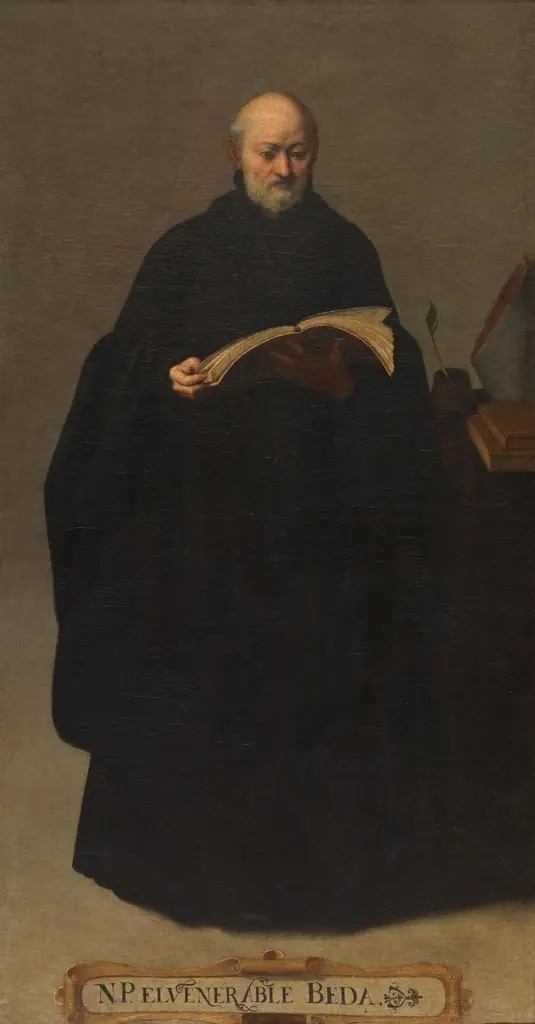 San Beda
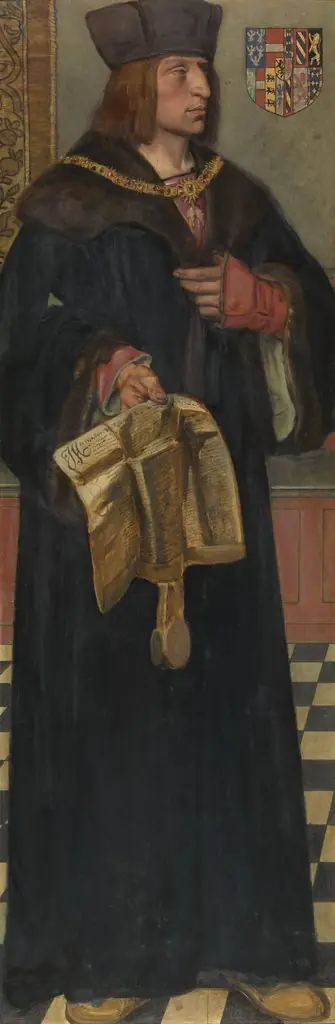 Maximilian I, Holy Roman Emperor
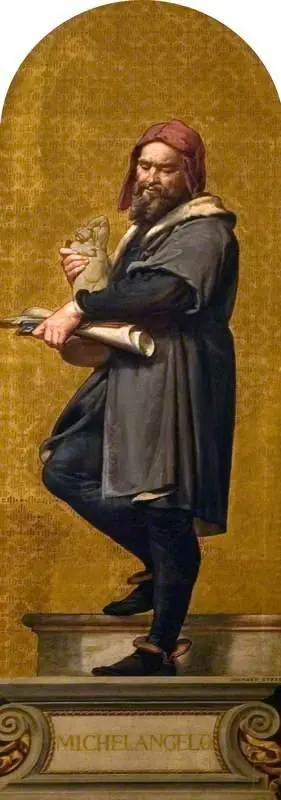 Michelangelo (1475–1564) (design for a mosaic in the Victoria and Albert Museum)
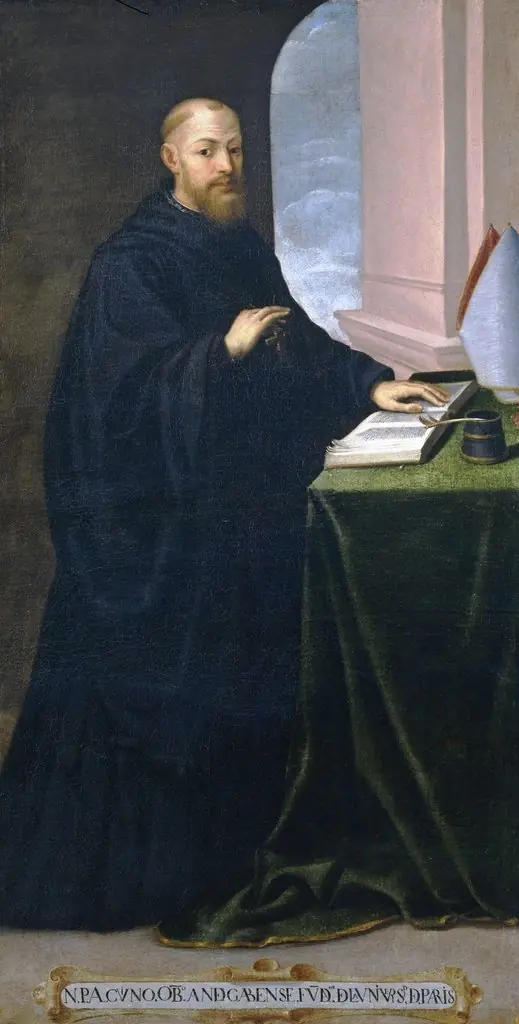 El padre Alcuino
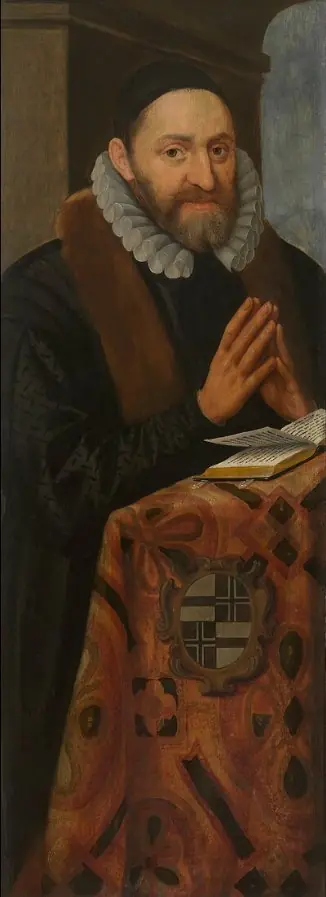 Portrait of Lodewijk Clarys
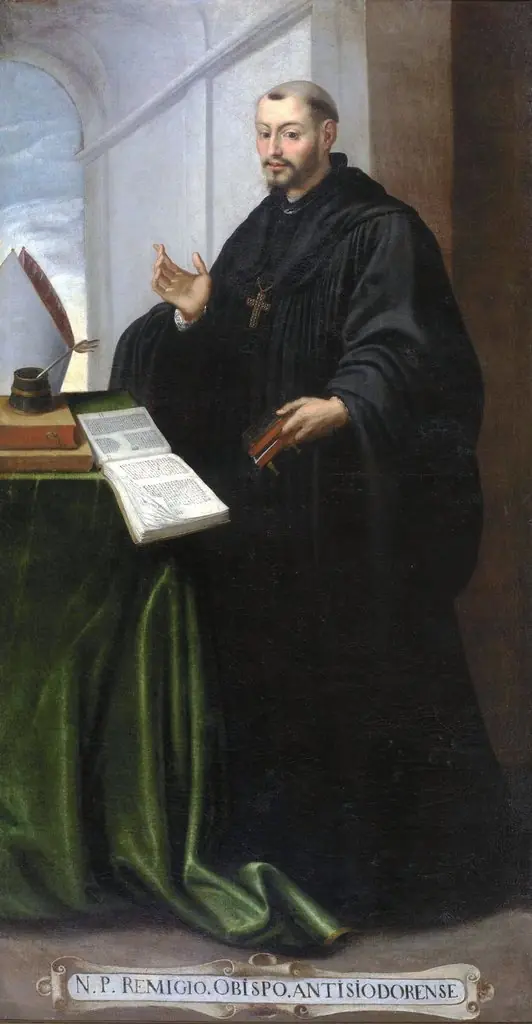 El padre Remigio
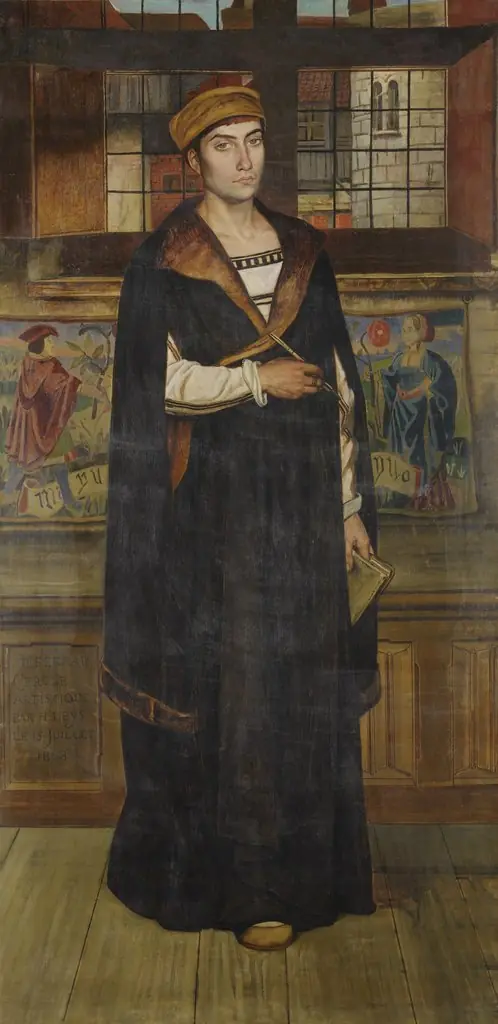 The Painter Quinten Massijs
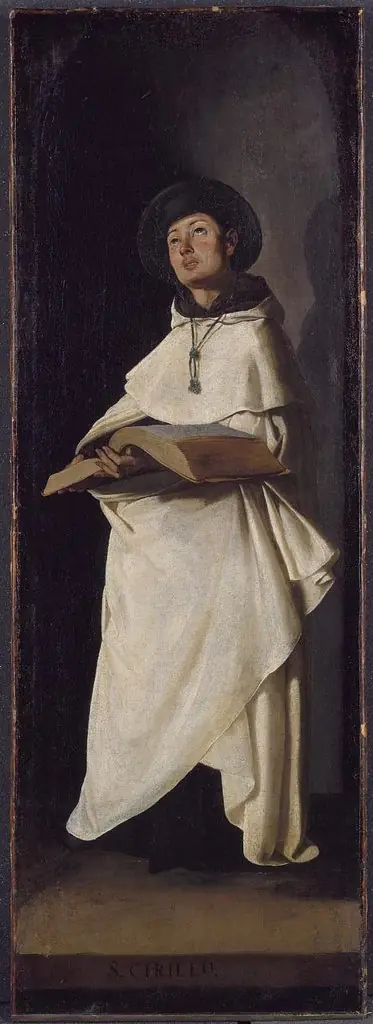 Saint Cyril of Constantinople
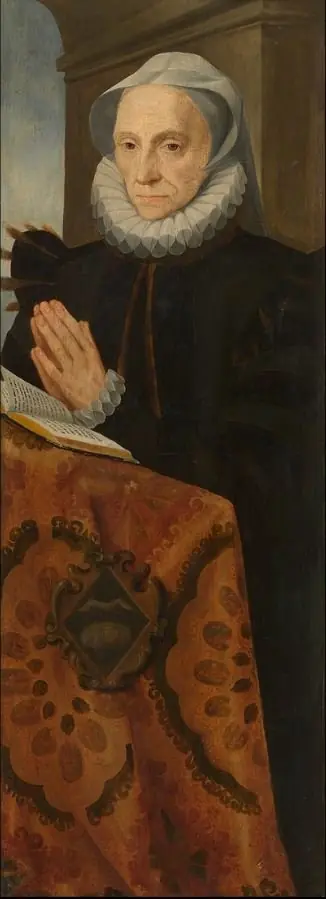 Portrait of Marie le Batteur praying
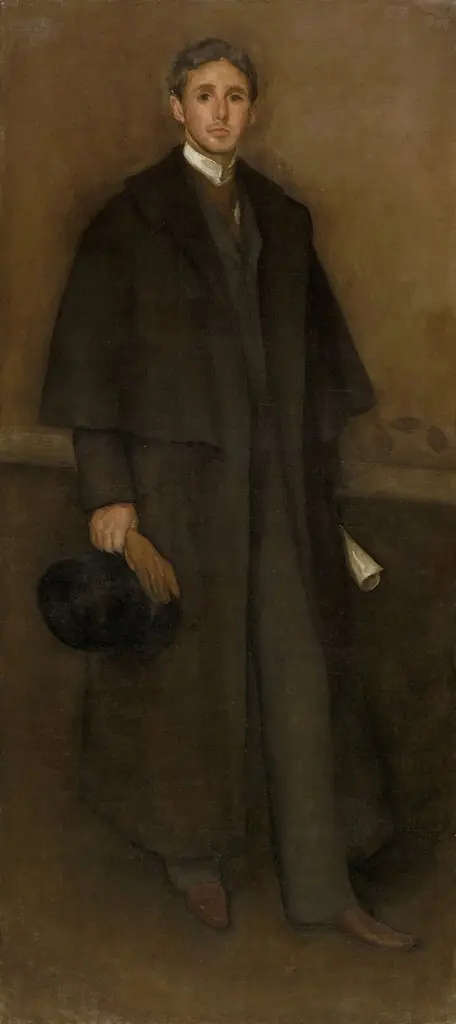 Arrangement in Flesh Color and Brown: Portrait of Arthur Jerome Eddy
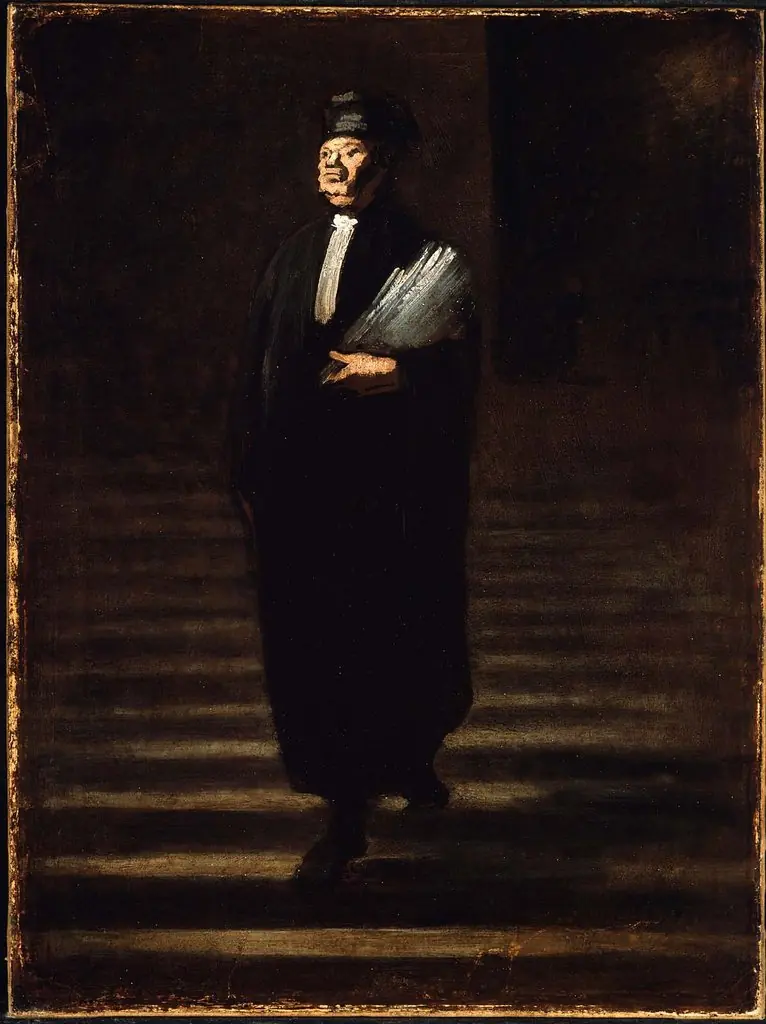 Triumphant Advocate
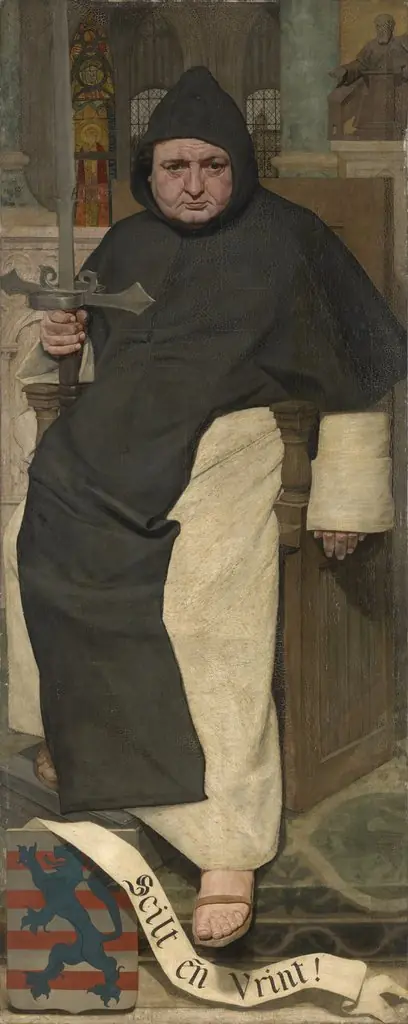 Willem van Saeftinghe, Lay Brother of Ter Doest Abbey