Artwork
Saint Cyril of Constantinople
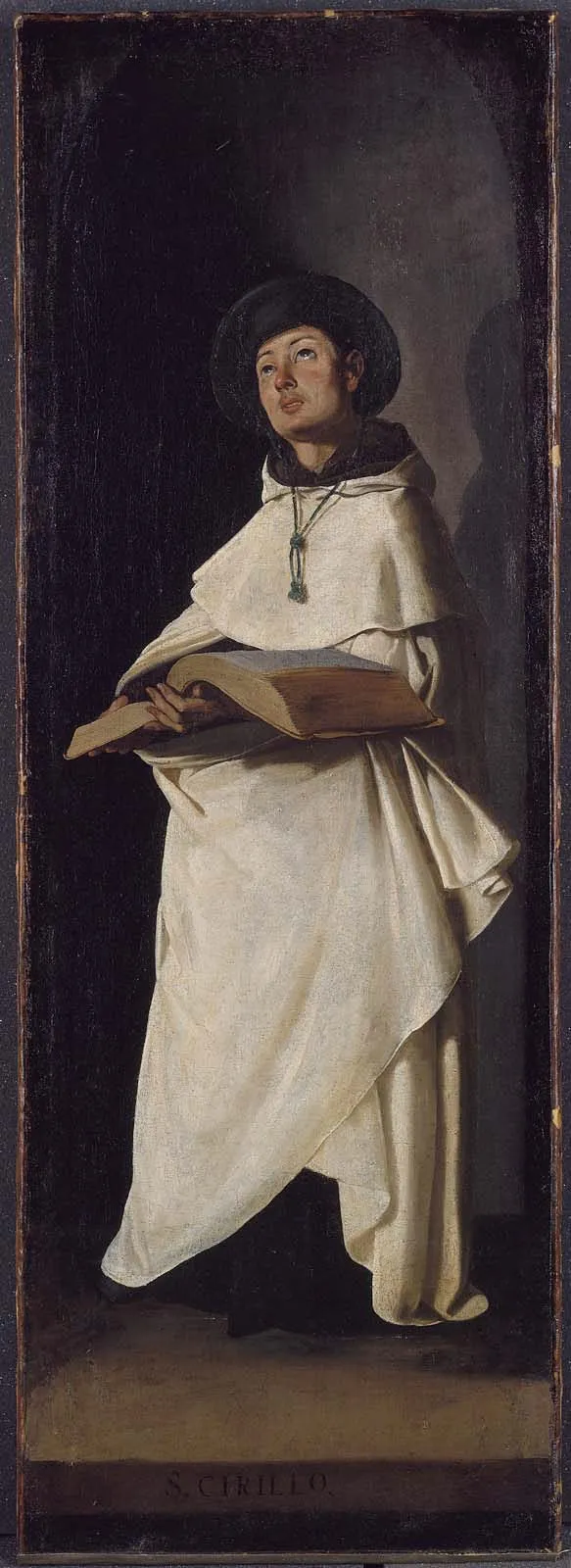
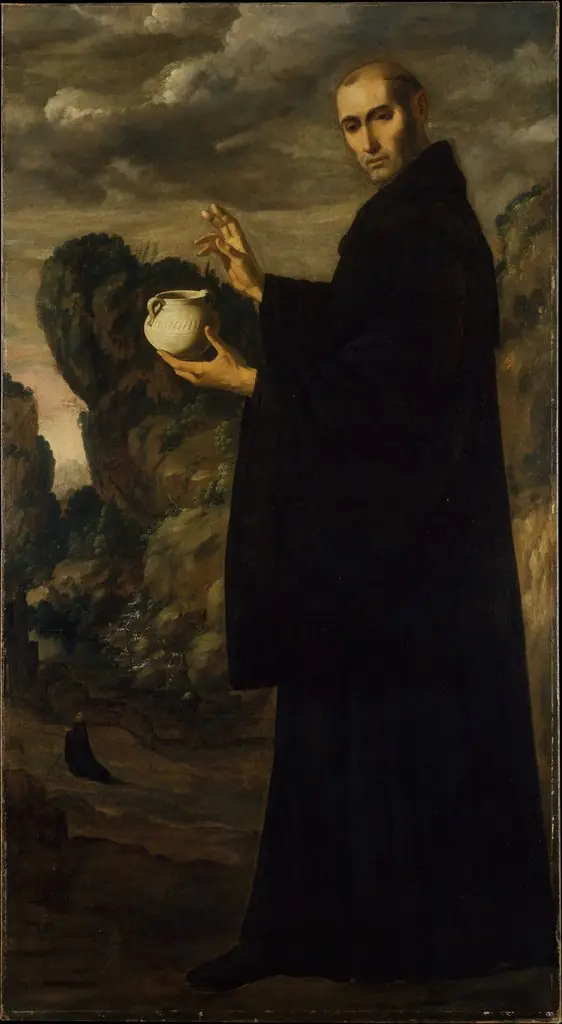
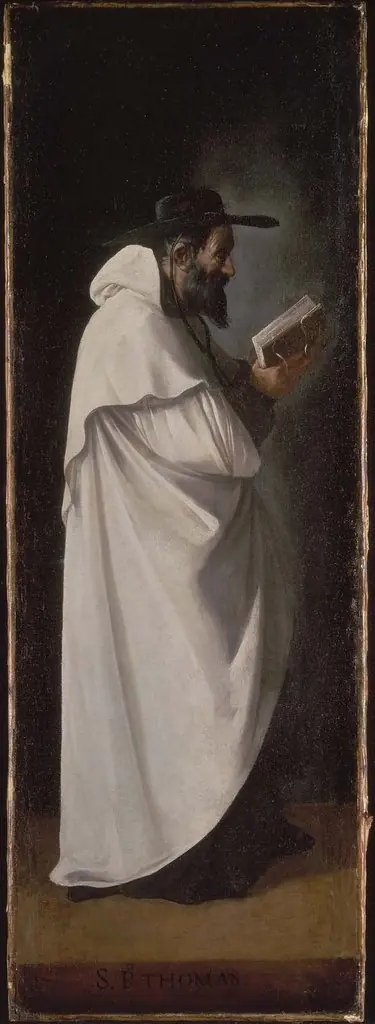
Saint Cyril of Constantinople is an oil painting by the Early Baroque Italian artist Francisco de Zurbarán. It dates from 1600 and is held in the collection of the Museum of Fine Arts Boston.
About this work
Overview
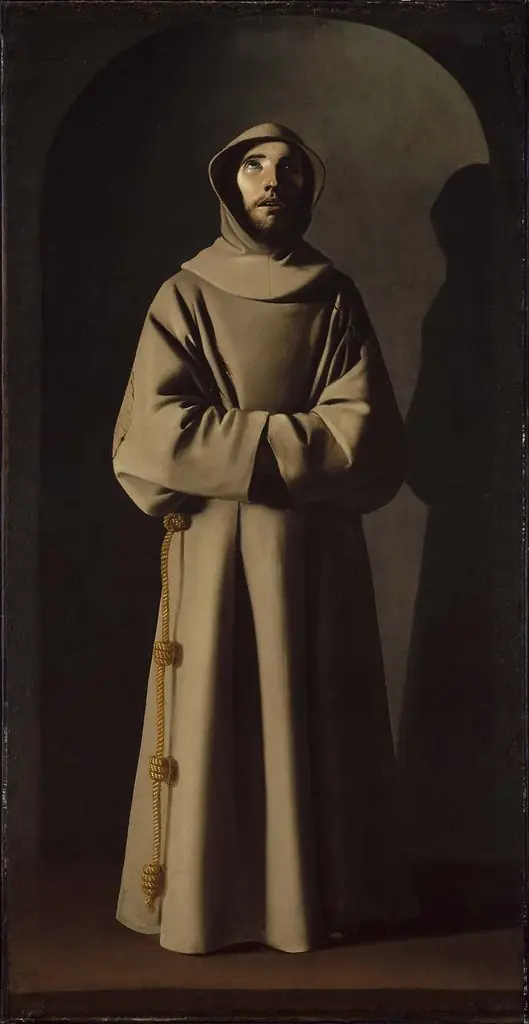
Francisco de Zurbarán’s oil painting titled Saint Cyril of Constantinople dates from around 1600. Executed in the early Baroque period, the work is part of the collection of the Museum of Fine Arts in Boston. It presents a solitary figure in a dark setting, illuminated by a focused light that draws attention to the saint’s face and garments.
Subject & Meaning
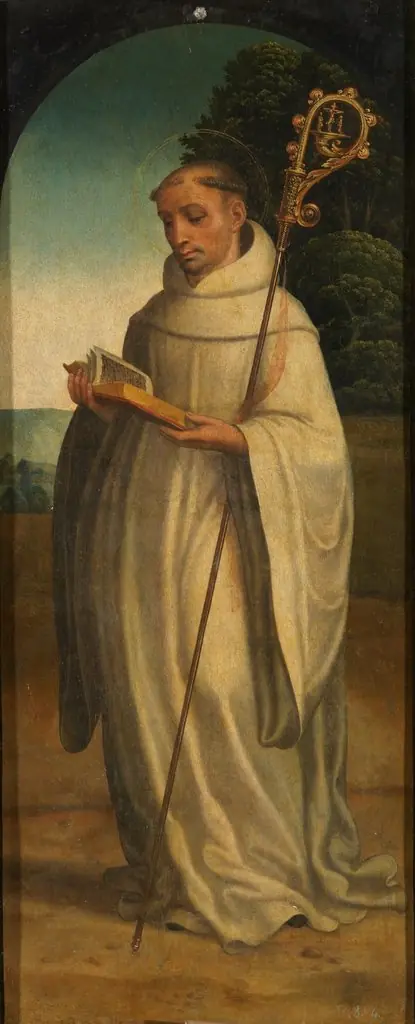
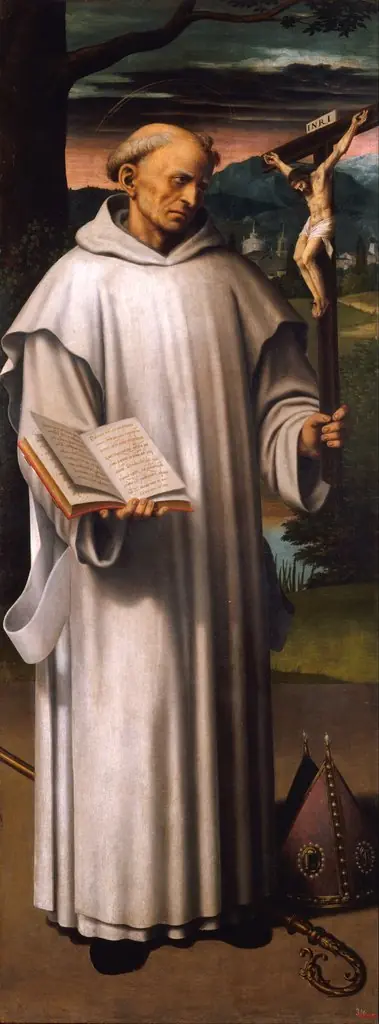
The portrait depicts Cyril Lucaris, a 17th‑century ecclesiastical figure venerated as a saint. He is shown in a white robe, holding an open, aged book, suggesting scholarly or theological contemplation. The calm expression and modest attire convey a sense of piety and intellectual devotion.
Technique & Style
Zurbarán employs chiaroscuro, using a stark contrast between a deep, shadowed background and a bright, localized illumination on the saint’s face, hands, and book. The smooth handling of oil paint renders the textures of fabric and parchment with subtle realism, while the overall composition remains austere and focused.
History & Provenance
Created at the turn of the 17th century, the painting entered the Museum of Fine Arts, Boston, through acquisition in the early 20th century (exact date recorded in the museum’s accession records). Its provenance prior to museum ownership is not extensively documented, reflecting the typical gaps in the early modern art market.
Context
Zurbarán, a Spanish painter known for his religious works, often portrayed saints with a quiet intensity, aligning with Counter‑Reformation ideals that emphasized personal devotion. This portrait fits within his broader oeuvre of solitary saintly figures, where light serves both a visual and symbolic function, highlighting spiritual illumination.
Artist & collection
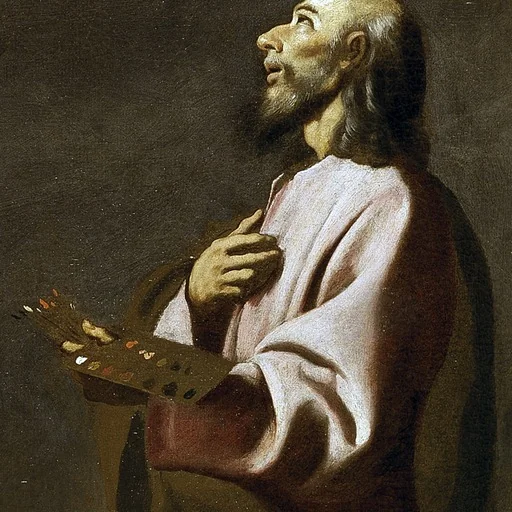
Artist
Francisco de Zurbarán was a Spanish Baroque painter. He is known primarily for his religious paintings depicting monks, nuns, and martyrs, and for his still-lifes. Zurbarán gained the nickname "Spanish Caravaggio",…