Artwork
San Beda
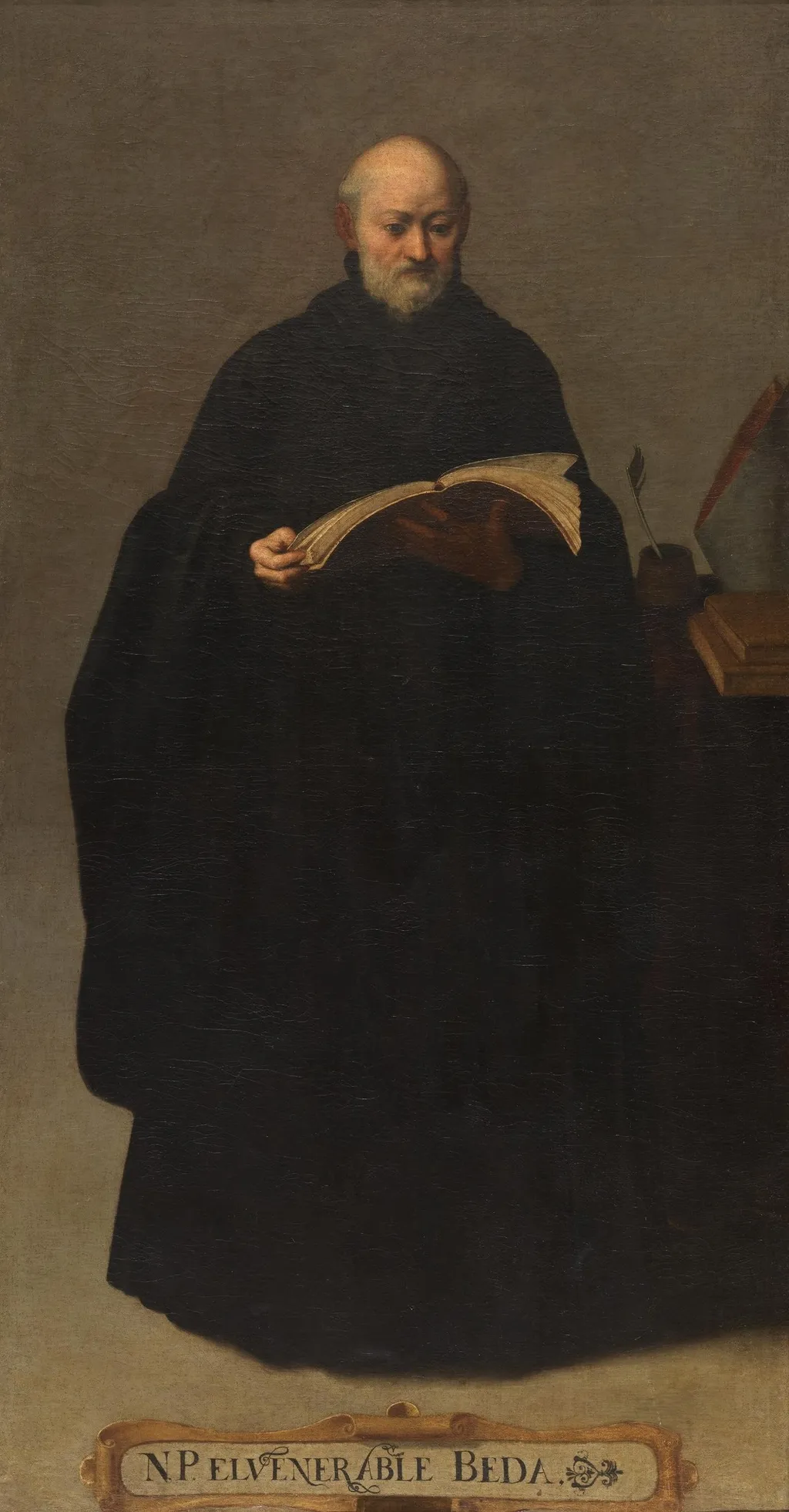
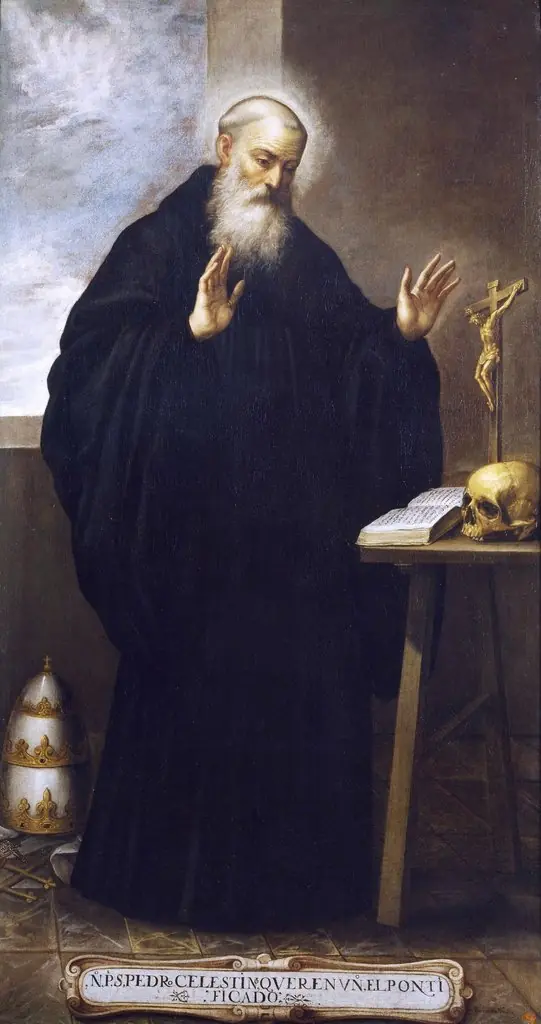
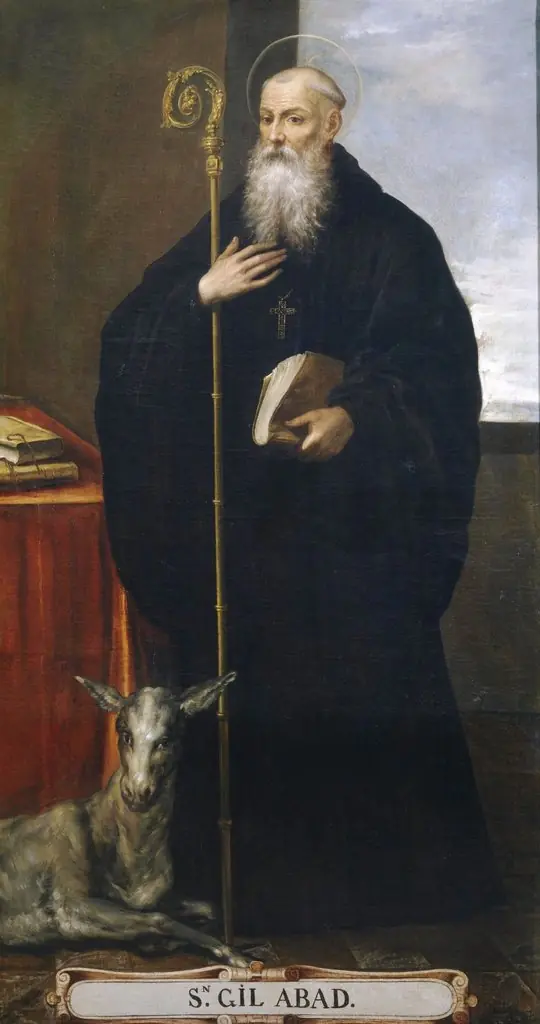
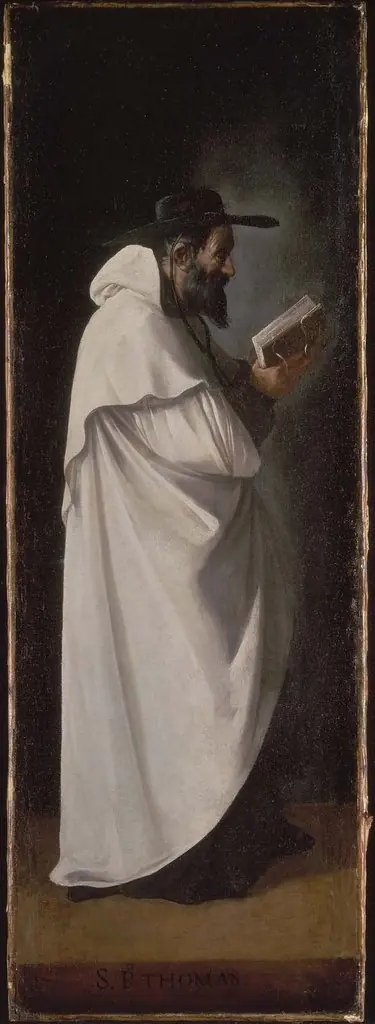
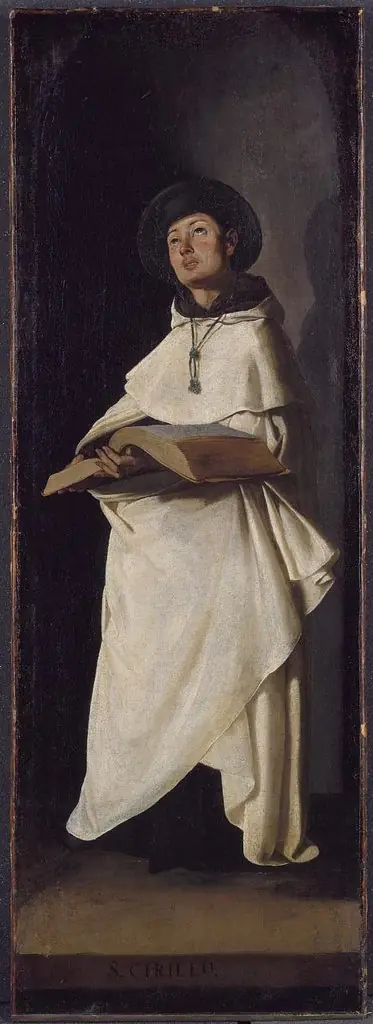
San Beda is an oil painting by the Early Baroque Italian artist Bartolomé Román. It dates from 1601 and is held in the collection of the Museo del Prado.
About this work
Overview
The painting’s restrained palette and intimate scale reflect devotional portraiture common in early 17th-century Spain.
Painted in 1601 by Bartolomé Román, this oil on canvas work portrays a solitary figure engaged in quiet study. It resides in the Museo del Prado in Madrid, where it is cataloged as part of the Spanish Baroque collection. The composition centers on a robed man seated before a desk, his posture and gaze conveying focused reflection. The painting’s restrained palette and intimate scale reflect devotional portraiture common in early 17th-century Spain.
Subject & Meaning
The figure, dressed in a dark, flowing robe, is likely a monk or scholar immersed in textual contemplation. The open book and nearby quill suggest scholarly or spiritual labor, common themes in religious imagery of the period. His downcast eyes and stillness evoke inner thought rather than outward action, aligning with Counter-Reformation ideals that valued personal piety and intellectual devotion over spectacle.
Technique & Style
Román employs chiaroscuro to model the figure’s form, directing light toward the face and hands while allowing the robe and background to recede into shadow. This contrast enhances the tactile presence of the book and pen, anchoring the viewer’s attention to the act of reading. The brushwork is precise yet unobtrusive, favoring quiet realism over dramatic flourish, typical of Spanish religious painting of the era.
History & Provenance
The painting entered the Museo del Prado’s collection in the 19th century, having likely been acquired from a Spanish monastery or ecclesiastical institution. Its attribution to Bartolomé Román, a lesser-known painter active in Madrid around 1600, is based on stylistic comparison with documented works. Little is known of its early ownership, but its preservation suggests it was valued within religious circles.
Context
Created during Spain’s Counter-Reformation, the painting reflects a cultural emphasis on introspection and clerical discipline. Monastic life and textual study were central to religious identity, and such images served both devotional and didactic purposes. Román’s work aligns with contemporaries like Ribera and Zurbarán, who similarly used subdued tones and focused lighting to convey spiritual gravity.
Legacy
Though not widely exhibited, the painting remains a quiet example of early Spanish Baroque portraiture. It contributes to scholarly understanding of how religious figures were visually represented outside grand altarpieces. Its endurance in the Prado’s collection underscores its role as a modest yet authentic record of devotional aesthetics in Habsburg Spain.
Artist & collection