Artwork
A Selection of Twenty of the Most Picturesque Views in Paris: View of the Pantheon taken from the Arsenal
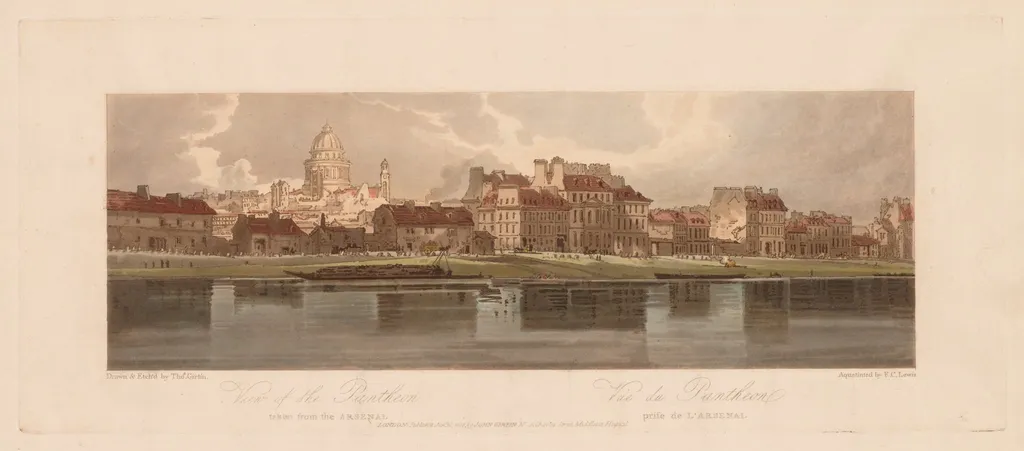
A Selection of Twenty of the Most Picturesque Views in Paris: View of the Pantheon taken from the Arsenal is a print by the Romanticist artist Girtin. It is held in the collection of the Cleveland Museum of Art.
About this work
Overview
Thomas Girtin produced this watercolour in 1803 as part of a series capturing Parisian landmarks, completed shortly after his death.
Thomas Girtin produced this watercolour in 1803 as part of a series capturing Parisian landmarks, completed shortly after his death. The work belongs to a set titled *A Selection of Twenty of the Most Picturesque Views in Paris*, reflecting British interest in French architecture during the post-Revolutionary period. Though executed in watercolour—a medium often dismissed as preliminary—Girtin treated it with the gravity reserved for oil painting.
Subject & Meaning
The view looks across the Seine from the Arsenal toward the Pantheon, framing the building’s dome as the compositional anchor. Low red-roofed houses line the near shore, with figures suggesting quiet daily life. The composition emphasizes spatial depth and architectural hierarchy, positioning the Pantheon as a symbol of civic and intellectual order amid the urban fabric, rather than as a religious monument.
Technique & Style
Girtin employed translucent washes to model form through subtle gradations of light, avoiding hard outlines. The calm water acts as a mirror, doubling the skyline and enhancing the sense of stillness. Light falls unevenly across surfaces, creating tonal contrasts that suggest volume and distance. His method prioritized atmospheric cohesion over detail, aligning with emerging Romantic sensibilities in landscape representation.
History & Provenance
The print was published posthumously in 1803 by Girtin’s associates, who compiled his Paris sketches into a series for commercial distribution. These views were based on drawings made during his 1802 trip to France, a rare journey abroad for the English artist. The series was intended to appeal to British audiences fascinated by French culture after years of political isolation.
Context
Girtin’s work emerged amid growing British tourism to France following the Treaty of Amiens. His focus on architecture, rather than grand historical scenes, aligned with a shift toward topographical accuracy and quiet observation. Unlike contemporaries who idealized ruins, he presented Paris as lived-in and unembellished, reflecting a more documentary impulse in early 19th-century landscape art.
Legacy
Though not widely exhibited in his lifetime, Girtin’s Paris series influenced later watercolourists by demonstrating the medium’s capacity for nuanced light and spatial depth. His approach to urban vistas, combining precision with atmospheric mood, helped redefine watercolour as a vehicle for serious artistic expression, paving the way for artists like J.M.W. Turner.
Artist & collection
Artist
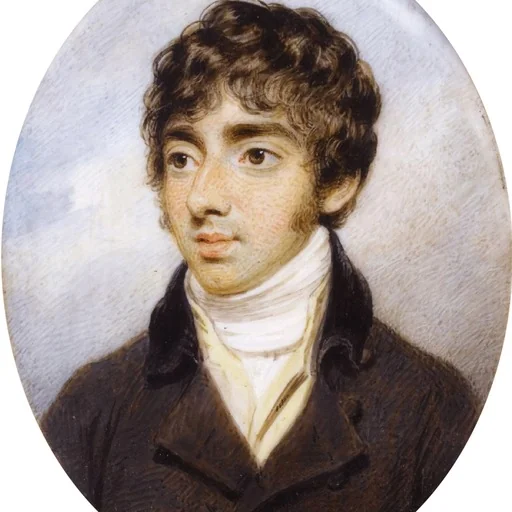
Thomas Girtin (18 February 1775 – 9 November 1802) was an English watercolourist and etcher. A friend and rival of J. M. W. Turner, Girtin played a key role in establishing watercolour as a reputable art form.

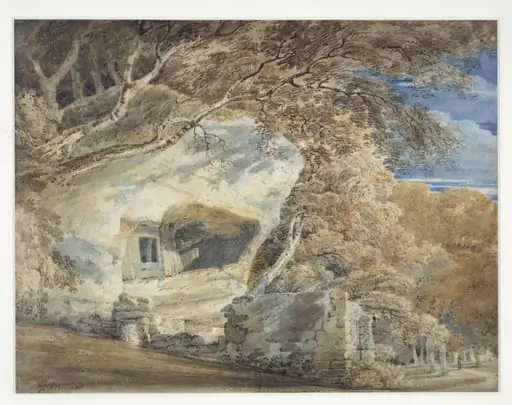
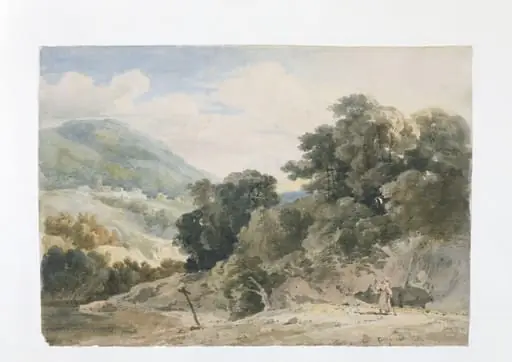
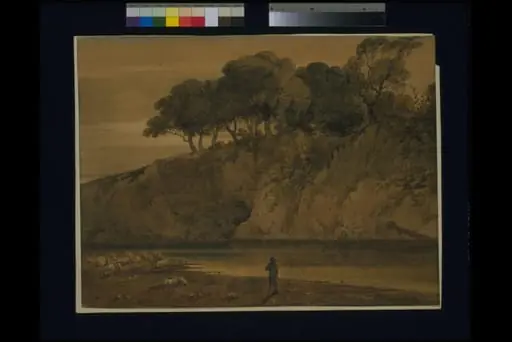
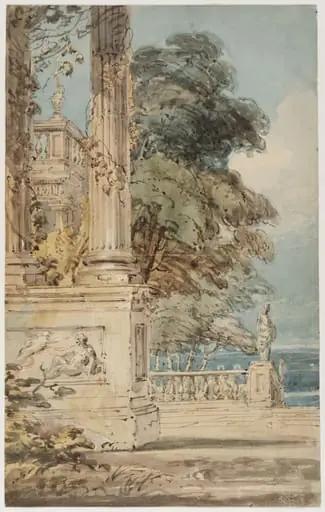
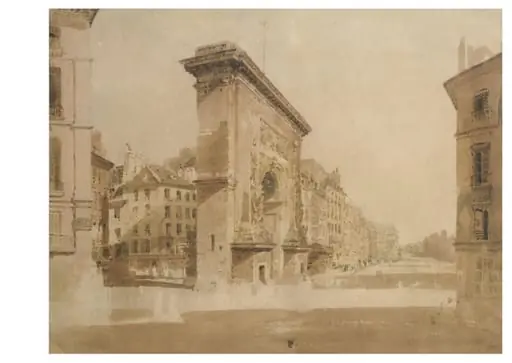
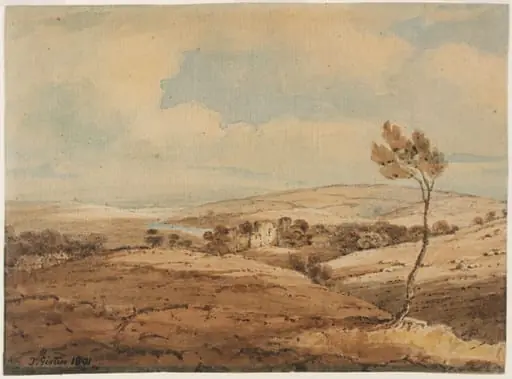
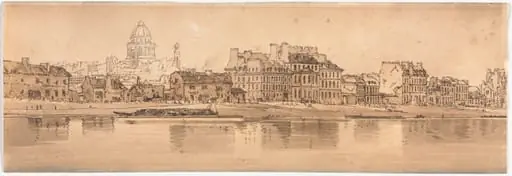 A Selection of Twenty of the Most Picturesque Views in Paris: View of the Pantheon taken from the Arsenal
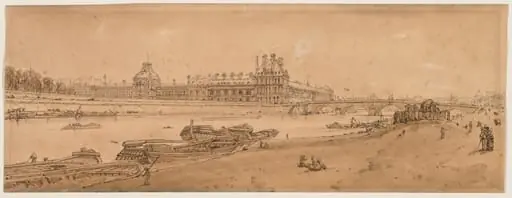 A Selection of Twenty of the Most Picturesque Views in Paris
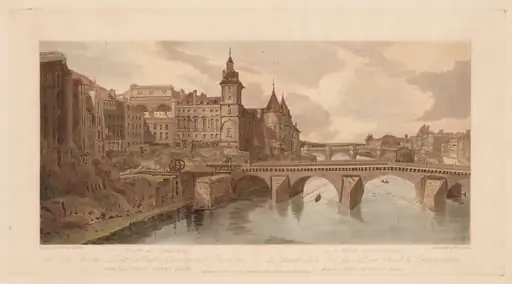 A Selection of Twenty of the Most Picturesque Views in Paris: View of Pont au Change, the City Theatre, Pont Neuf, Conciergerie Prison, &c taken from Pont Notre Dame
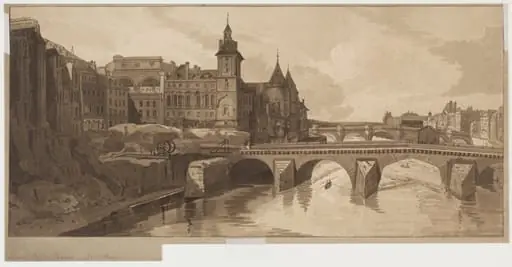 Selection of Twenty of the Most Picturesque Views in Paris:View of Pont au Change
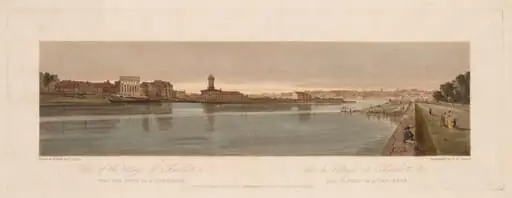 A Selection of Twenty of the Most Picturesque Views in Paris: View of the Village of Chaillot, &c Taken from Pont de la Concorde
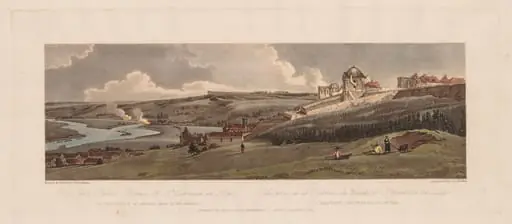 A Selection of Twenty of the Most Picturesque Views in Paris: View from Palace Terrace, at St. Germain en Laye, the Aquaduct of Marli seen in the Distance
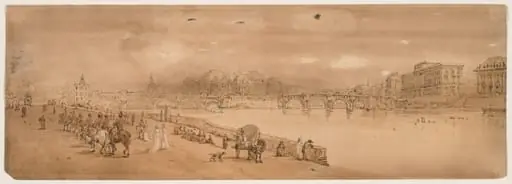 A Selection of Twenty of the Most Picturesque Views in Paris: View of Pont Neuf, and the Mint
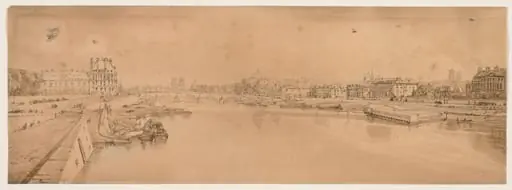 A Selection of Twenty of the Most Picturesque Views in Paris: View of the Tuilleries and Bridge and taken from Pont de la Concorde
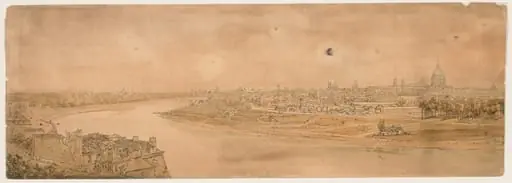 A Selection of Twenty of the Most Picturesque Views in Paris: A General View of Paris, taken from Chaillot
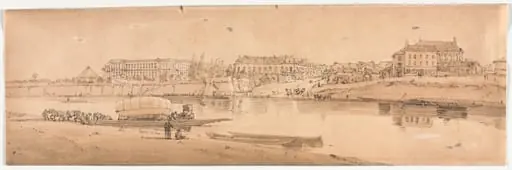 A Selection of Twenty of the Most Picturesque Views in Paris: View of the Palace and Village of Choisi on the Banks of the Seine