Artwork
Woodcock
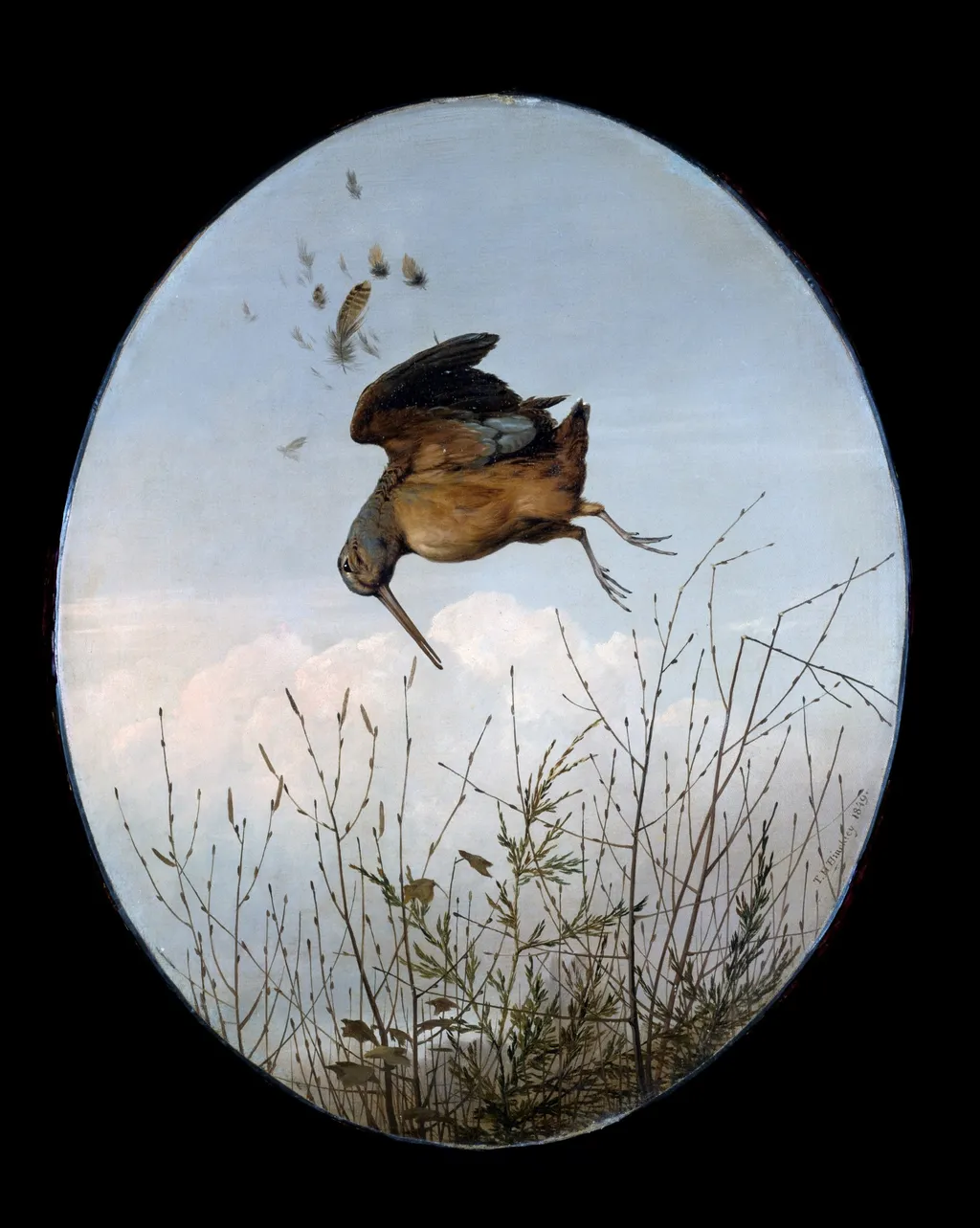
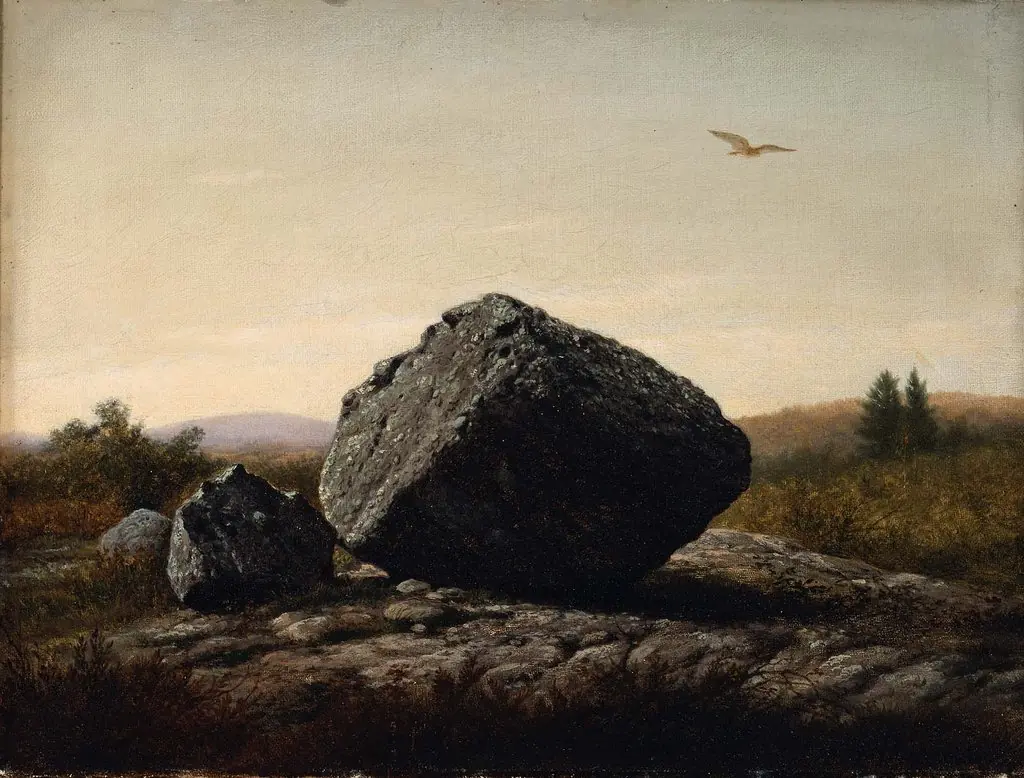
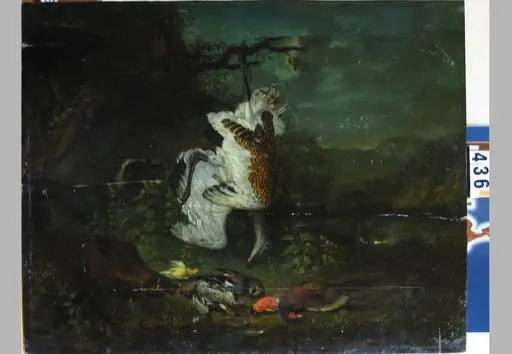
Woodcock is an oil painting by the American Folk Art artist Thomas Hewes Hinckley. It dates from 1849 and is held in the collection of the Museum of Fine Arts, Houston.
About this work
Overview
The composition centers on the woodcock as it arcs through the air, surrounded by scattered foliage and drifting feathers.
Painted in 1849 by Thomas Hewes Hinckley, Woodcock is an oil-on-canvas work depicting a single bird in motion. It resides in the collection of the Museum of Fine Arts, Houston. The composition centers on the woodcock as it arcs through the air, surrounded by scattered foliage and drifting feathers. The background fades into a muted, overcast sky, emphasizing the bird’s presence without distraction.
Subject & Meaning
The painting captures a woodcock mid-flight, a moment rarely observed in nature. Its tucked wings and downward-pointing beak suggest rapid, purposeful movement, possibly evading a predator or adjusting its trajectory. The floating feathers imply recent motion or disturbance, reinforcing the transient quality of the scene. The subject reflects a quiet fascination with wild life, common in 19th-century American naturalist art.
Technique & Style
Hinckley employs chiaroscuro to model the bird’s form, using strong contrasts between light and shadow to create volume and texture. Warm earth tones—browns, ochres, and muted greens—define the plumage, while loose, energetic brushwork renders the surrounding twigs and leaves. The background remains softly blurred, allowing the bird to emerge with sculptural clarity against the hazy sky.
History & Provenance
Created in 1849, the painting entered the Museum of Fine Arts, Houston’s collection through documented acquisition. No record of prior ownership or exhibition prior to its institutional care is widely available. Its survival in good condition suggests careful preservation, though it was not part of major public displays during the artist’s lifetime.
Context
In mid-19th-century America, detailed depictions of wildlife gained traction among artists and naturalists. Hinckley’s work aligns with this trend, though it diverges from scientific illustration by prioritizing dynamic movement over anatomical precision. The painting reflects a broader cultural interest in the American wilderness, even as urbanization reshaped the landscape.
Legacy
Woodcock remains a modest but distinctive example of American ornithological painting from the antebellum period. While Hinckley is not widely known today, this work endures as a quiet testament to the artist’s attention to natural behavior and his skill in translating fleeting moments into enduring images. It contributes to the understudied genre of wildlife painting outside the Hudson River School.
Artist & collection


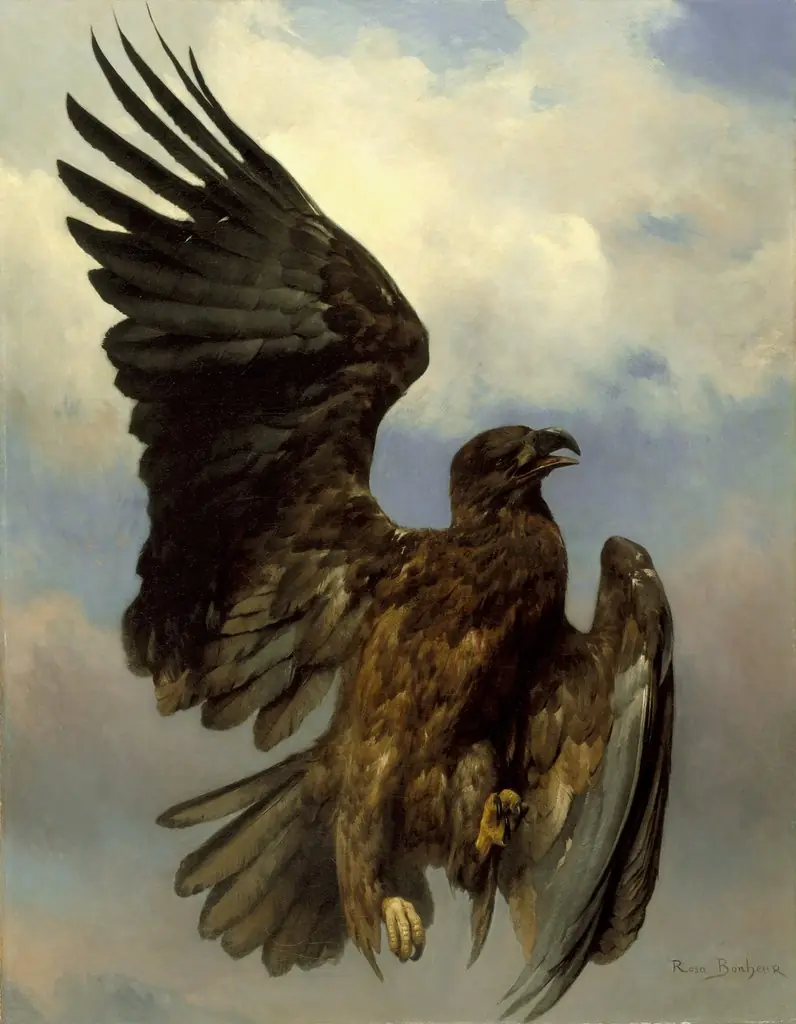 The Wounded Eagle
 Disturbed: A Plover Rising from Its Nest
 Ansichten aus den vier Weltteilen mit Szenen von Tieren: Damaskus
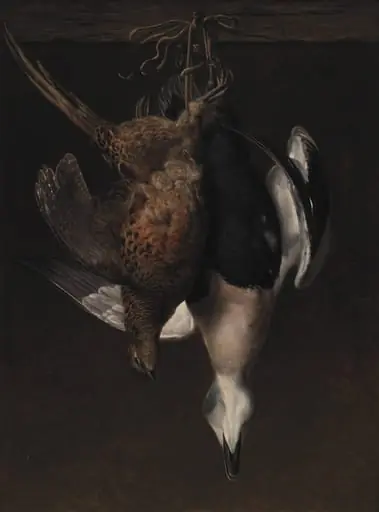 Game. A Pheasant and an Eider
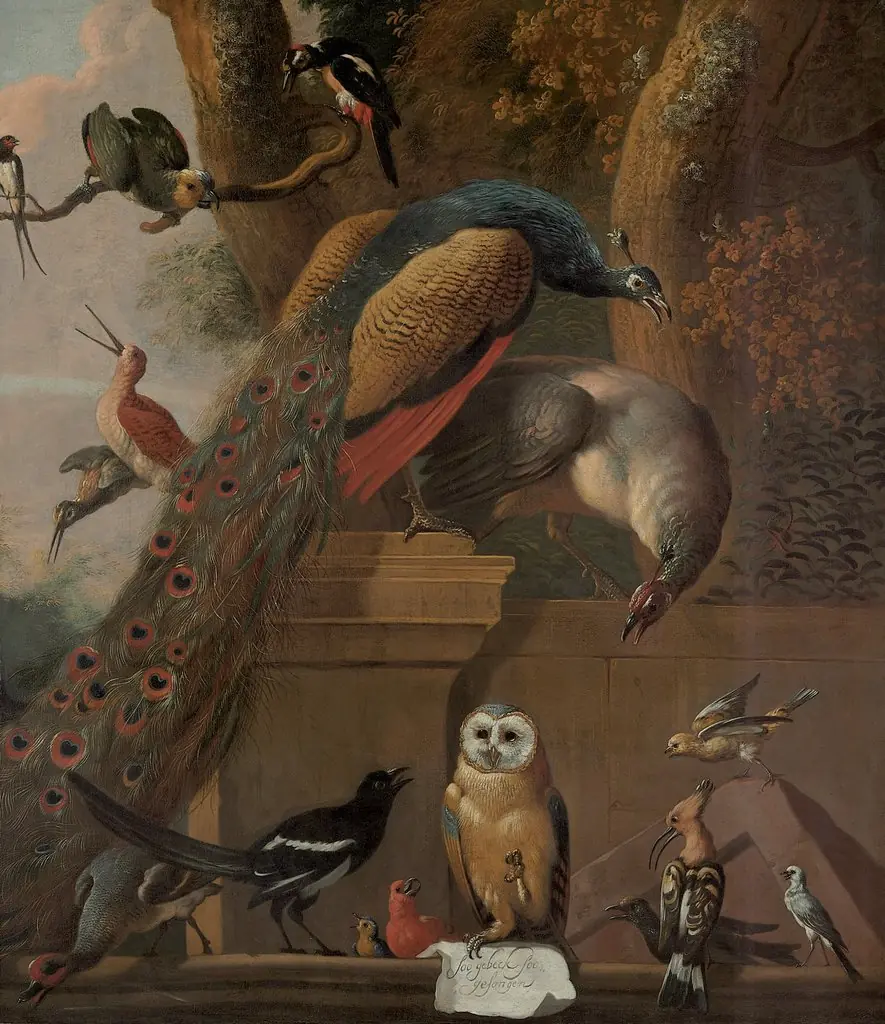 Bird Concert
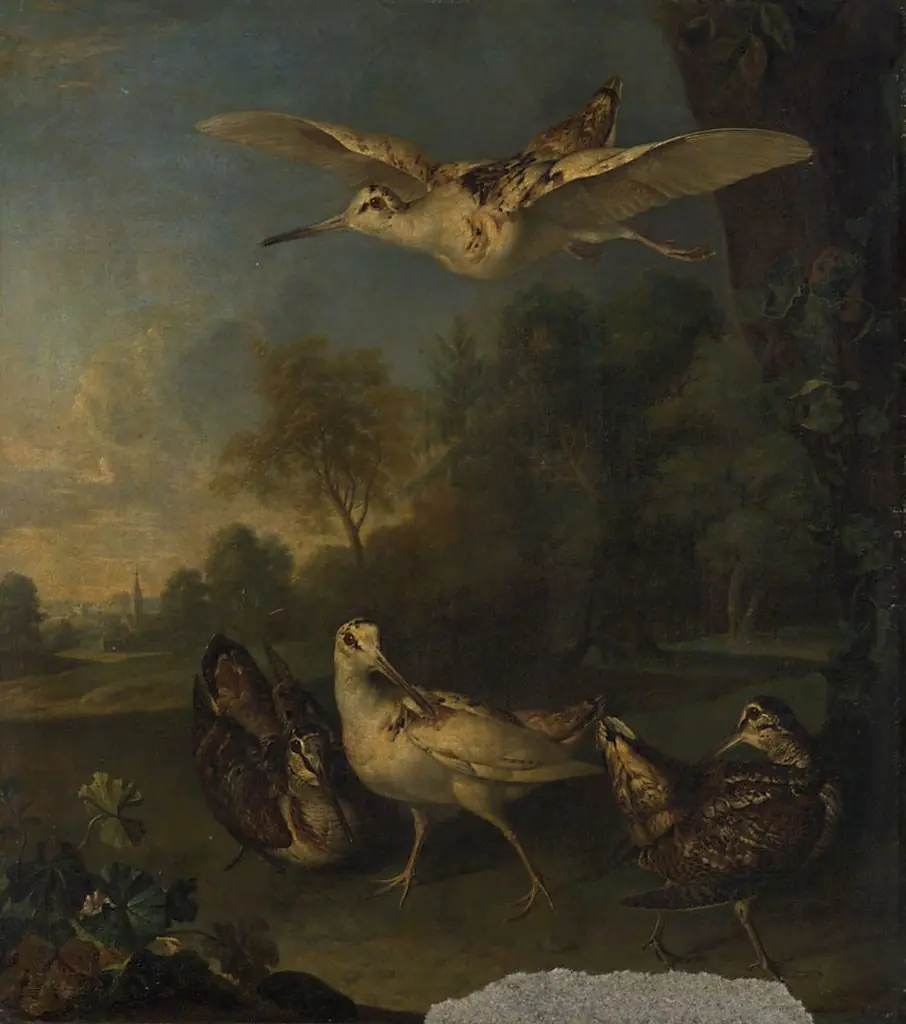 Weisse und braune Schnepfen
 Three Pigeons
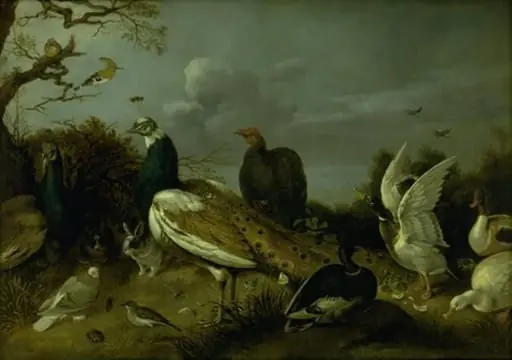 Peacocks, Ducks and other Animals
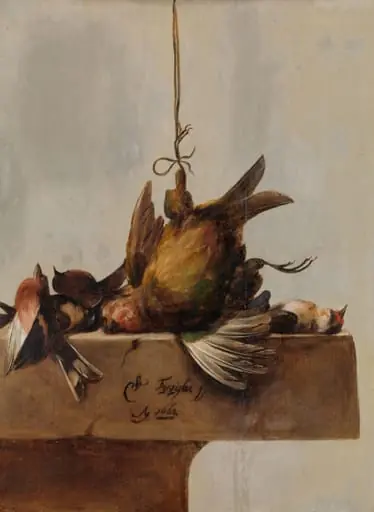 Still Life with Birds
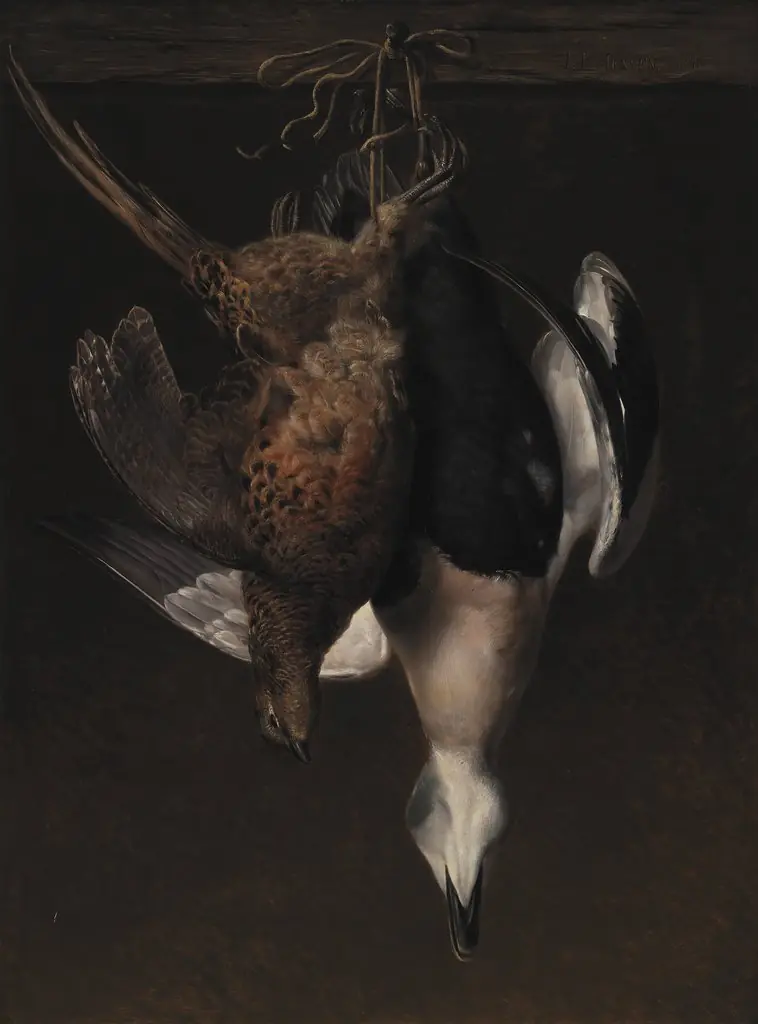 Game. A Pheasant and an Eider
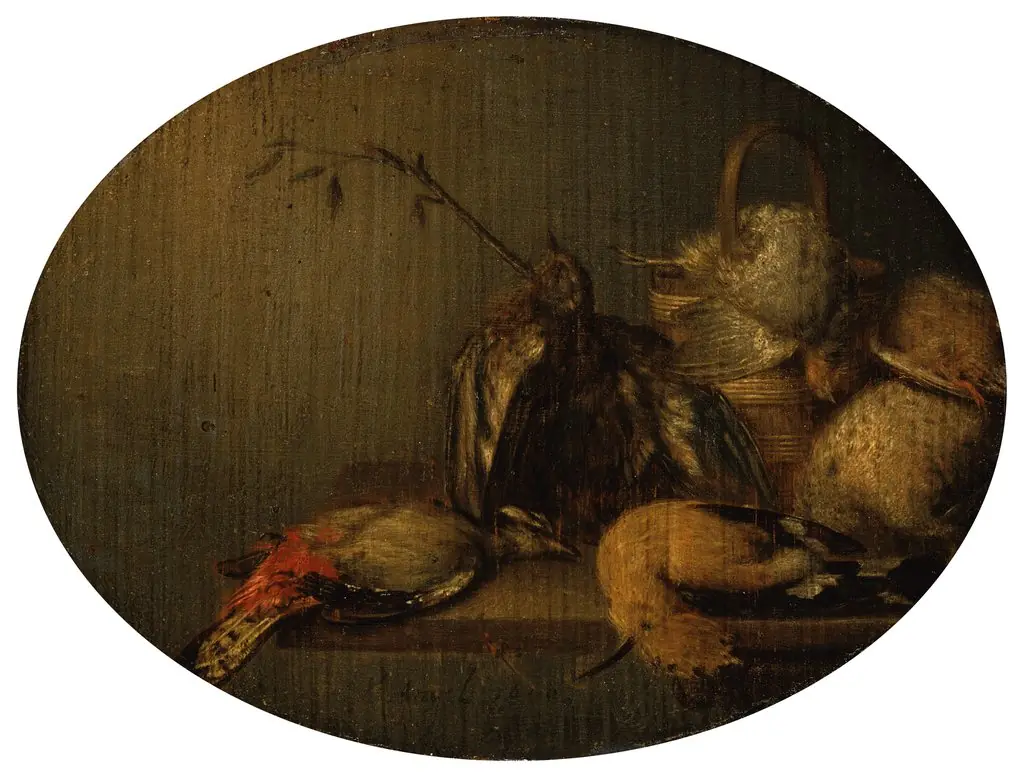 Still Life with Dead Birds
 Vânat la malul apei (în Reg. Inv.: Vânat la apă). Pandant: Vânat cu corn de vânătoare