Artwork
Double Portrait of Arthur Wolfe and his Wife Anne
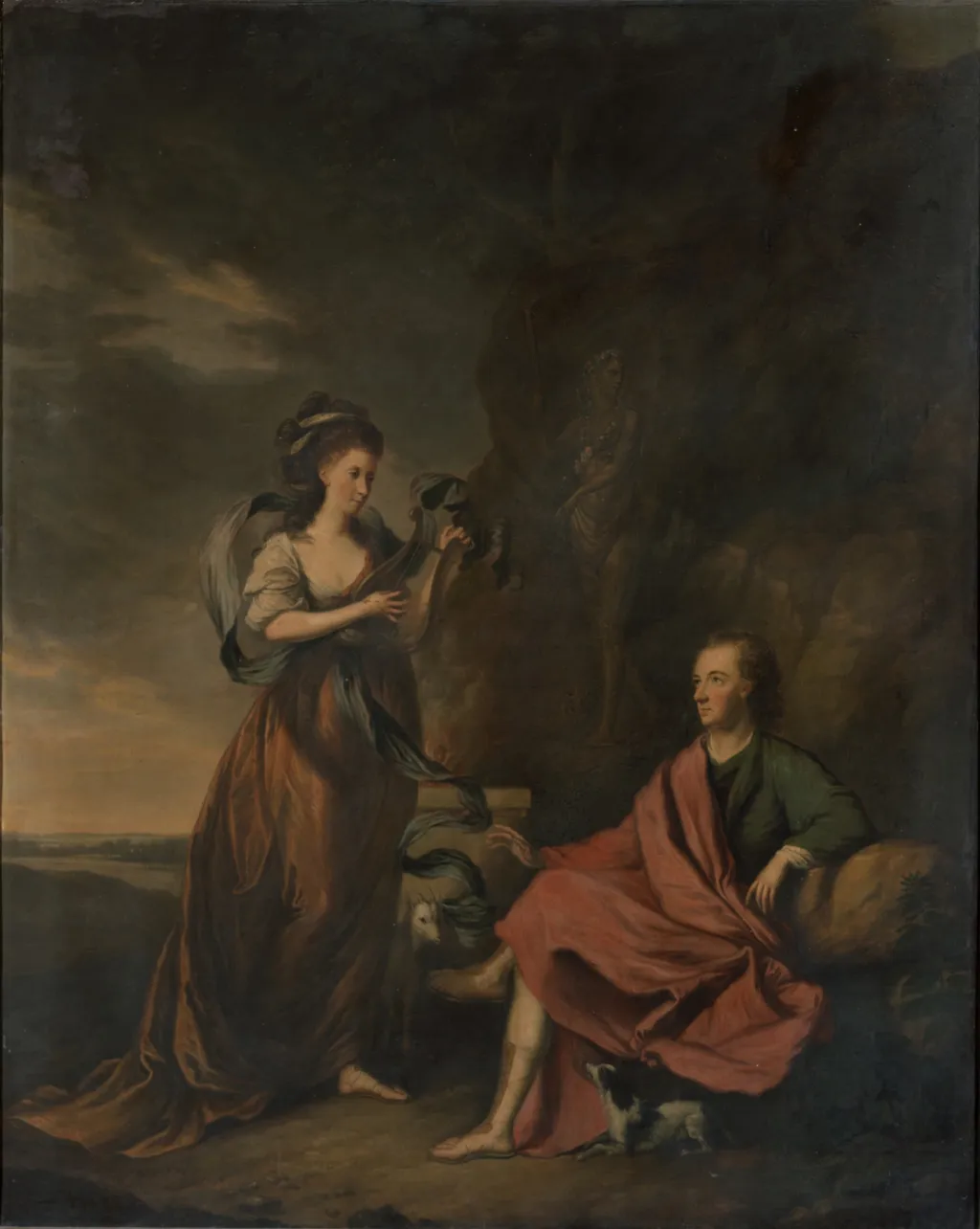
Double Portrait of Arthur Wolfe and his Wife Anne is an oil painting by the Rococo painting artist Thomas Hickey. It dates from 1769 and is held in the collection of the National Gallery of Ireland.
About this work
Overview
Painted in 1769 by Thomas Hickey, this oil-on-canvas portrait captures Arthur Wolfe and his wife Anne in a composed, outdoor setting.
Painted in 1769 by Thomas Hickey, this oil-on-canvas portrait captures Arthur Wolfe and his wife Anne in a composed, outdoor setting. Hickey, an Irish artist trained at the Royal Dublin Society, specialized in portraiture and genre scenes. The work reflects his engagement with European artistic conventions of the time, blending personal representation with naturalistic surroundings to convey quiet domestic harmony.
Subject & Meaning
The portrait presents Arthur and Anne Wolfe as a married pair in a moment of calm intimacy. Their positioning—Anne standing, Arthur seated—suggests a balance of presence and repose. The inclusion of a small dog between them signals companionship, while the fabric in Anne’s hand may imply domesticity or refinement. The tranquil landscape reinforces an idealized vision of marital stability and genteel leisure.
Technique & Style
Hickey employed oil paint to render soft textures and subtle tonal shifts, particularly in the fabrics and skin tones. The figures are rendered with delicate detail, while the background remains loosely brushed, creating depth without distraction. The composition follows a diagonal axis, guiding the eye from Anne’s figure to Arthur’s seated form, anchored by the dog. The palette is restrained, favoring earth tones with muted accents of blue and red.
History & Provenance
The painting was completed in 1769 during Hickey’s early career, before his later travels to India and other parts of Asia. Its early date places it among his lesser-known Irish-period works. While its immediate provenance after completion is undocumented, it has remained within private collections, preserving its original condition and attribution to Hickey without significant alteration.
Context
In late 18th-century Ireland, portraiture served both personal and social functions, often affirming status through refined settings and attire. Hickey’s work aligns with broader European trends of the Rococo, emphasizing elegance and naturalism over grandeur. This portrait reflects the tastes of the Anglo-Irish gentry, who sought to align themselves with continental ideals of leisure and cultivated life.
Legacy
Though Hickey is better known for his later works in Asia, this early portrait remains a representative example of his skill in capturing individual character within a serene environment. It contributes to the understanding of Irish portraiture before the rise of larger institutional patronage, offering insight into the domestic ideals of a provincial elite during the Enlightenment era.
Own this work as a print
Artist & collection
Artist
Thomas Hickey (c. 13 May 1741 – May 1824) was an Irish painter. Born in Dublin, Hickey was the son of Noah, a confectioner in Capel Street, and Anne Hickey. A younger brother was John Hickey, the sculptor. He was…

 An Indian Lady, perhaps 'Jemdanee', Bibi of William Hickey
 Portrait of two Children
 Thomas Leland (1722-1785)
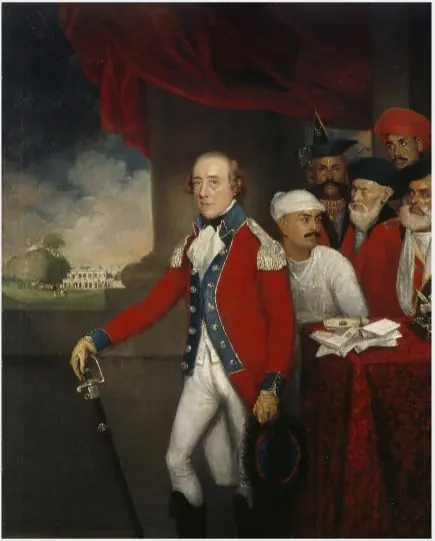 Lieutenant-Colonel William Kirkpatrick with His Assistants
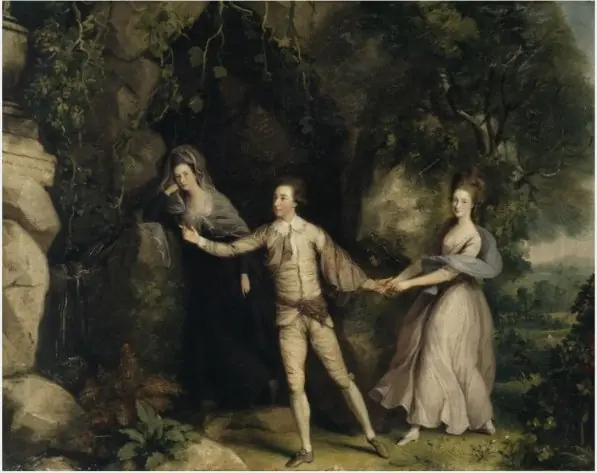 An Actor between the Muses of Tragedy and Comedy
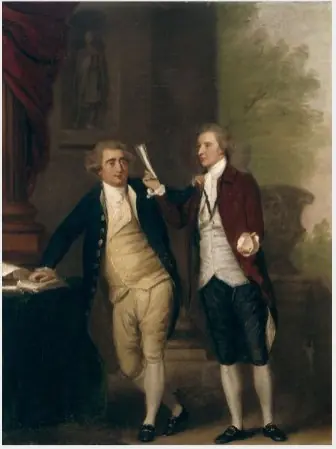 Edmund Burke (1729-1797) in Conversation with Charles James Fox (1749-1806)
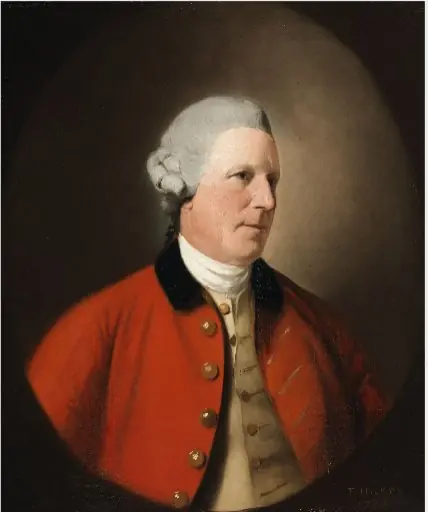 Sir Armine Wodehouse, 5th Baronet
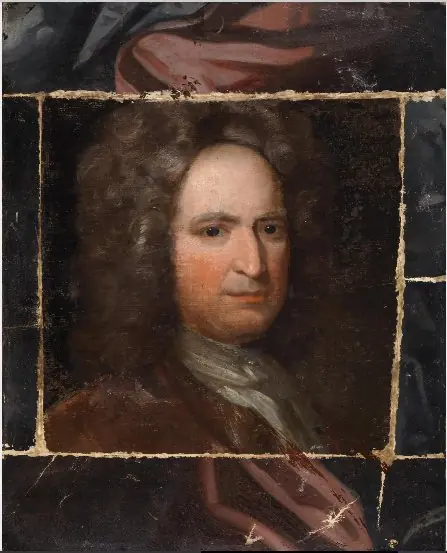 Portrait of the Reverend Samuel Madden (1686-1765), Philanthropist
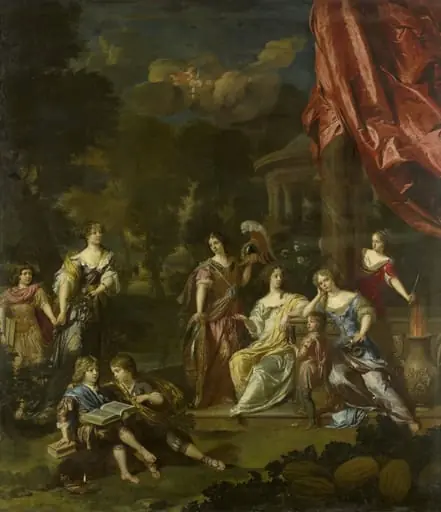 Untitled
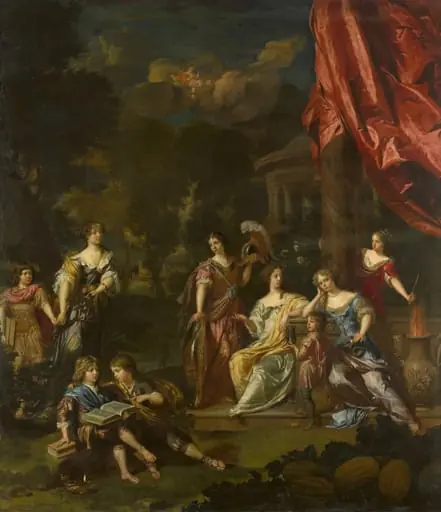 Allegorizing Group Portrait of the Children of Diederic Pietersz van Leyden van Leeuwen, Burgomaster of Leiden, and Alida Paets
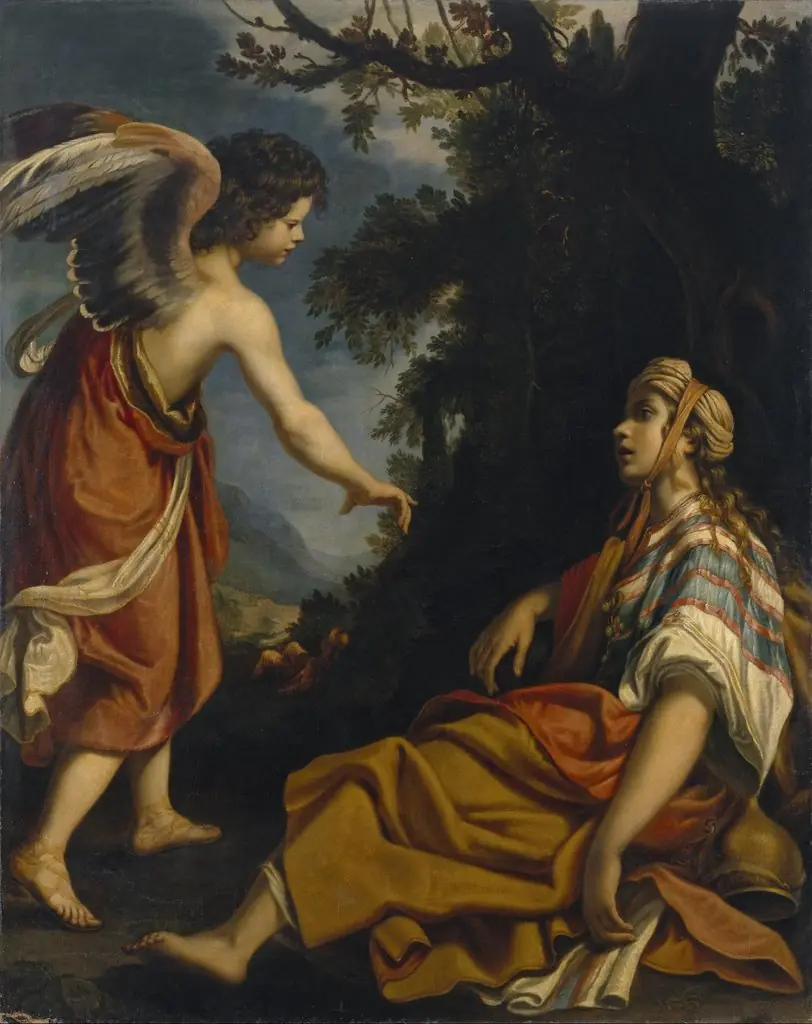 Hagar in the Desert
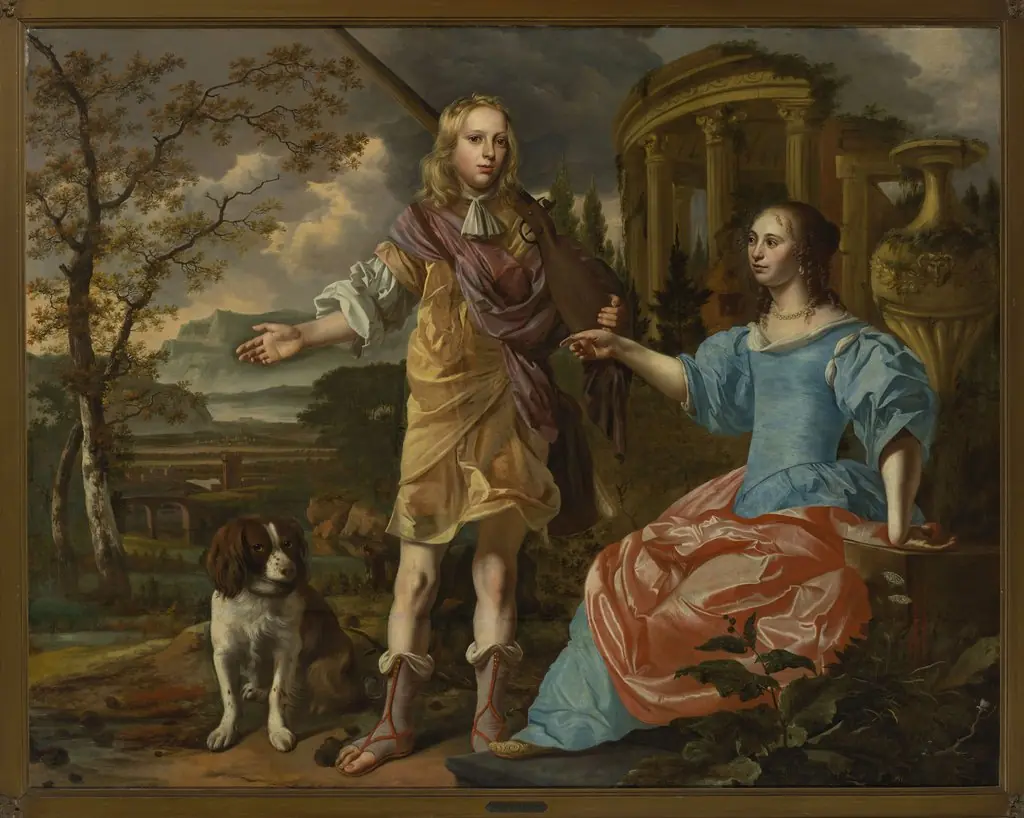 Portrait of a hunter with a lady
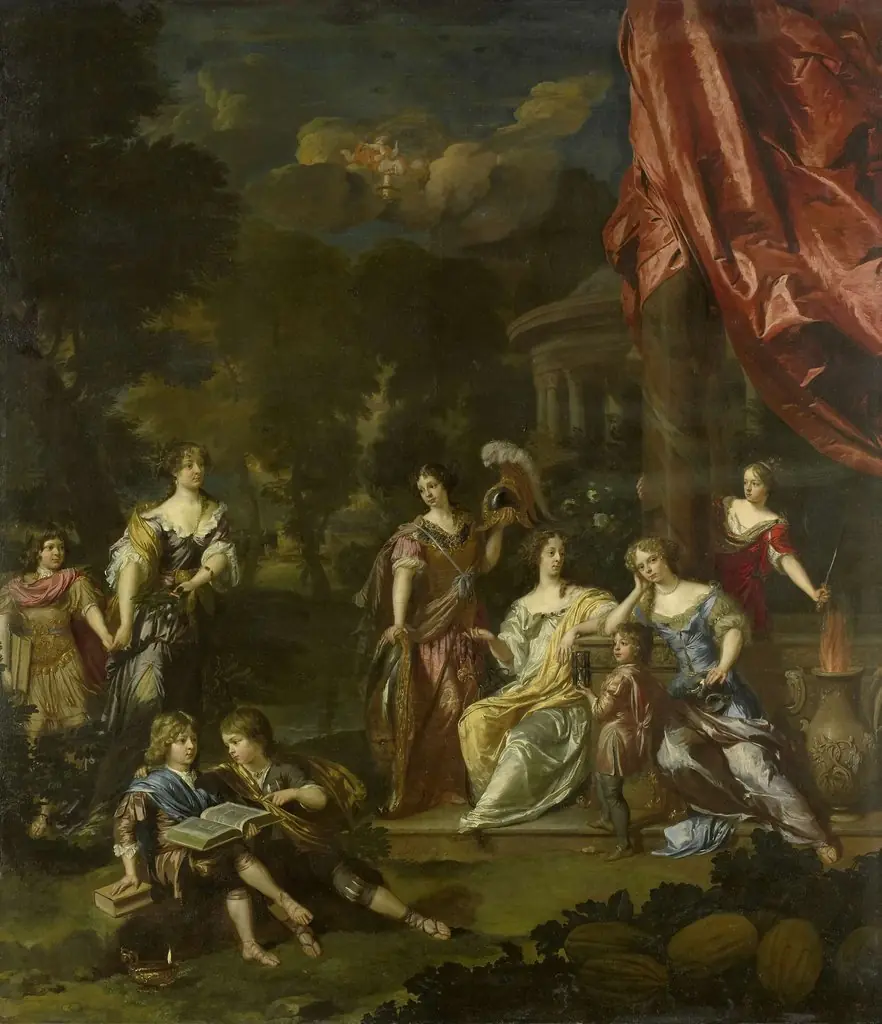 Group portrait with allegorical overtones of the children of Diederic Pietersz van Leyden van Leeuwen (1628-1682), burgomaster of Leiden, and Alida Paets (1625-1673)
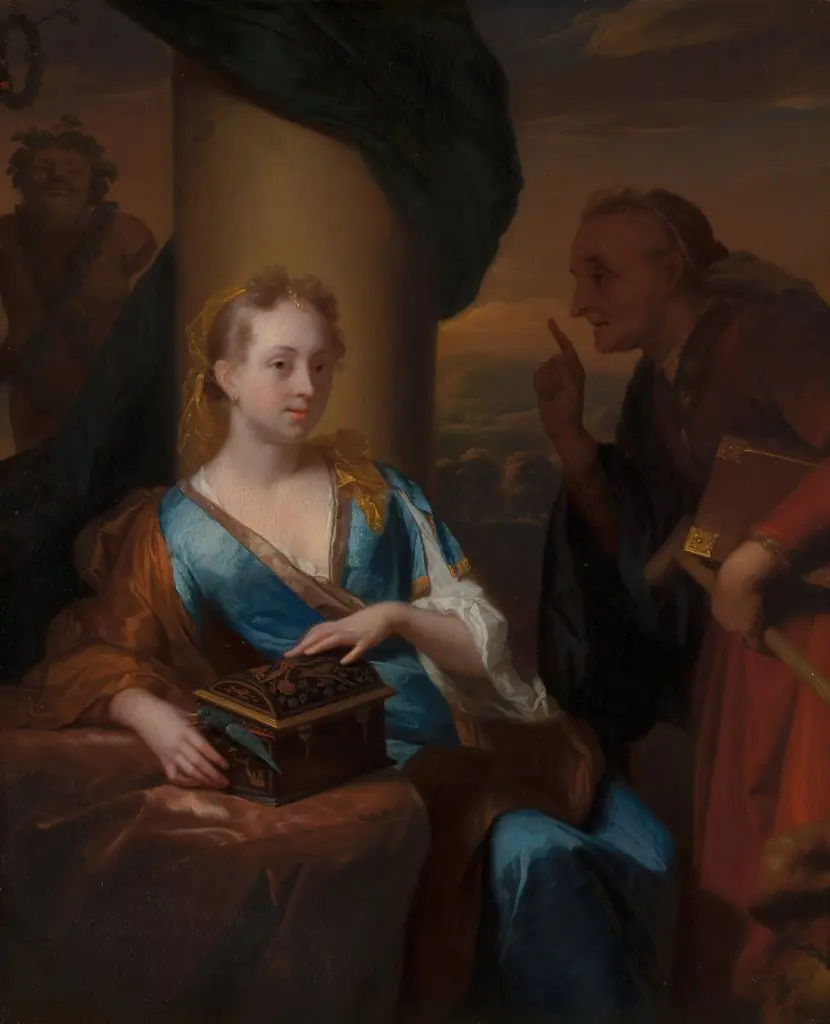 The Chastity Lesson
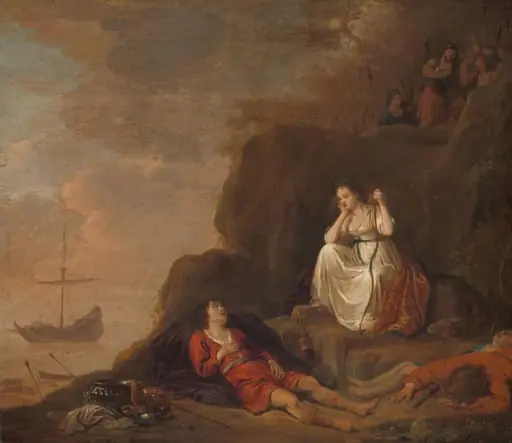 Theagenes and Chariclea
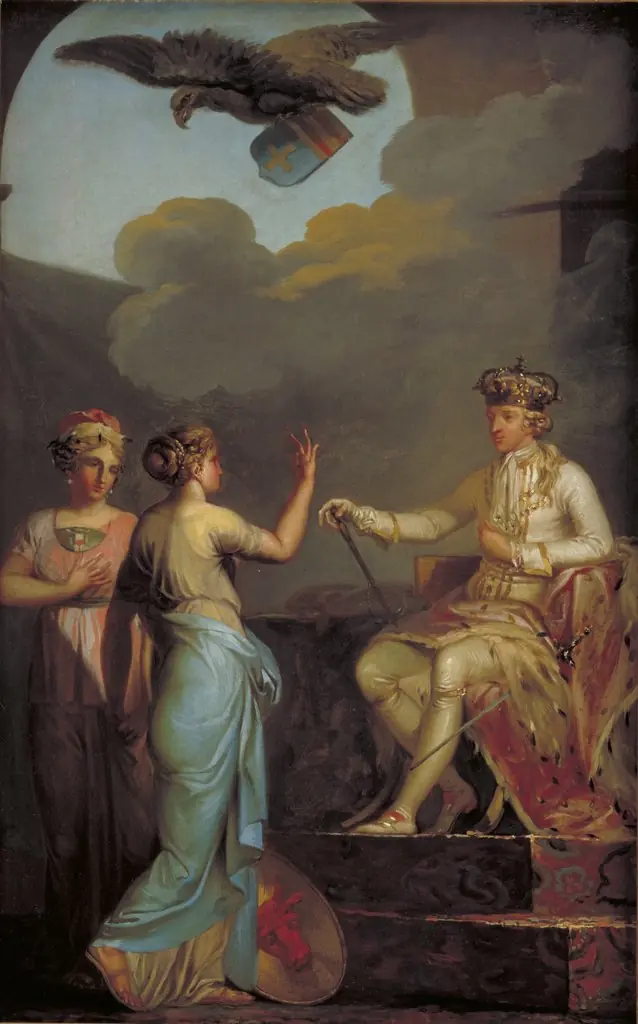 Christian VII Uniting the Ducal with the Royal Part of Holstein in 1767
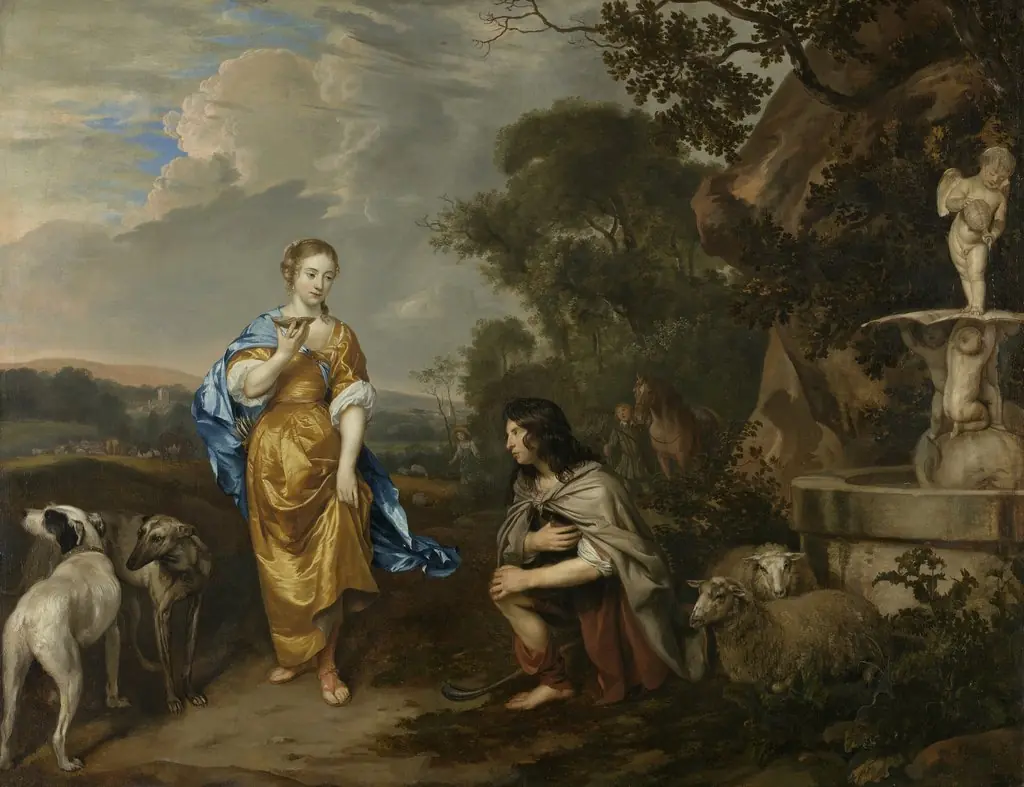 Double portrait of a young couple as Granida and Daiphilo
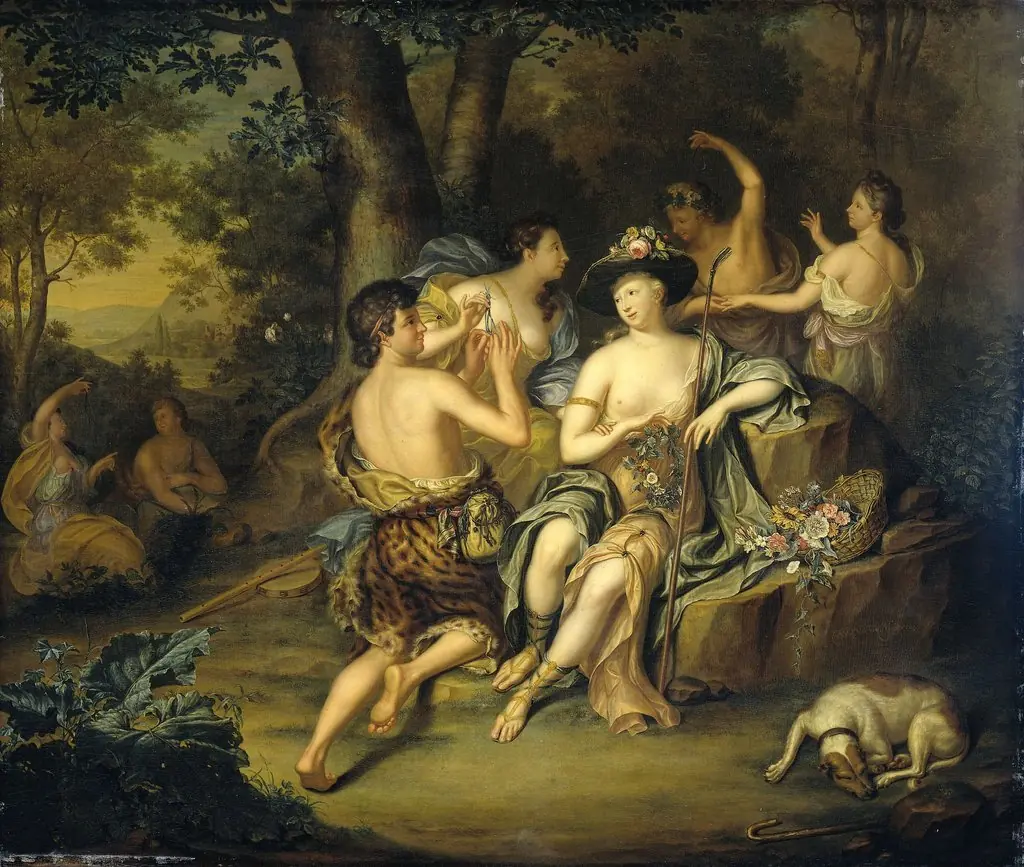 Amarilli bekranst Mirtillo
 "Shepherds and Shepherdesses in a Landscape
 Nymphs in a Landscape