Artwork
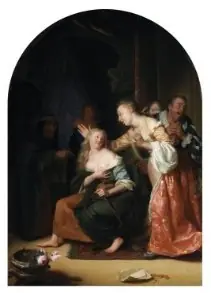
The Chastity Lesson
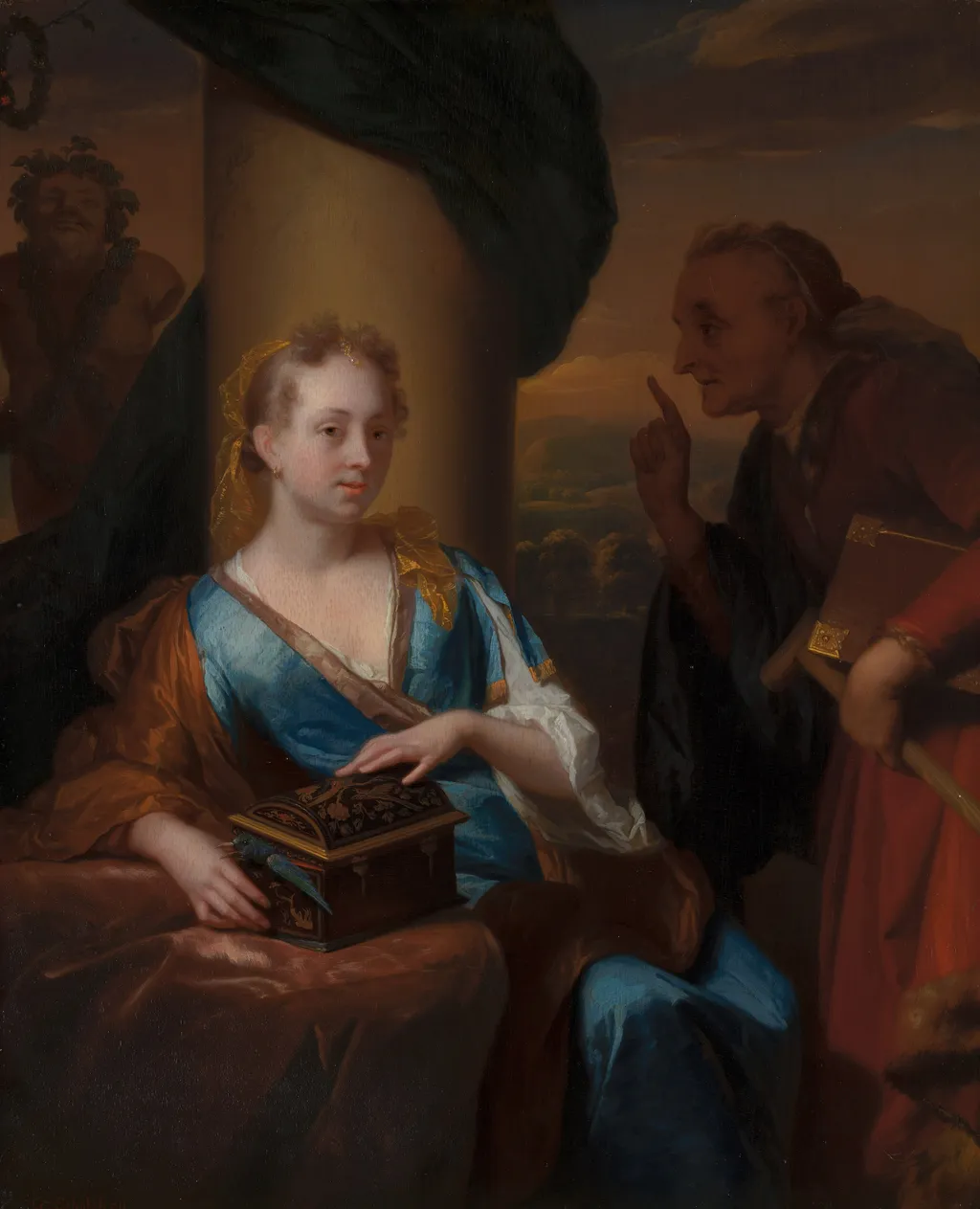
The Chastity Lesson is an oil painting by the Dutch Golden Age artist Godfried Schalcken. It dates from 1690 and is held in the collection of the Mauritshuis.
About this work
Overview
Painted in 1690 by Godfried Schalcken, this oil-on-canvas work belongs to the Dutch Golden Age and exemplifies the Leiden fijnschilders tradition.
Painted in 1690 by Godfried Schalcken, this oil-on-canvas work belongs to the Dutch Golden Age and exemplifies the Leiden fijnschilders tradition. Schalcken, known for his meticulous detail and controlled use of artificial light, captures a quiet domestic moment with surgical precision. The scene unfolds in a dim interior, where light sources guide attention to the figures and their interaction, reflecting the era’s fascination with psychological nuance and controlled illumination.
Subject & Meaning
The painting portrays a woman in classical attire, holding a small ornate box, as an older man gestures toward her with solemn intent. The setting—marked by a column and wreath—suggests an ancient context, likely referencing moral or chastity-related instruction from antiquity. The man’s pointed gesture and the woman’s attentive gaze imply a moment of admonition or education, possibly alluding to ideals of female virtue in a society that valued moral discipline within private life.
Technique & Style
Schalcken employs fine brushwork and subtle chiaroscuro to model forms with quiet realism. The light, emanating from an unseen source, glances off the woman’s blue dress and the metallic box, creating soft highlights against deep shadows. His handling of textures—fabric, stone, and skin—is exacting, characteristic of the Leiden fijnschilders. The composition avoids dramatic action, instead relying on stillness and lighting to convey tension and narrative weight.
History & Provenance
Created during the height of Schalcken’s career, the painting reflects his reputation for candlelit genre scenes favored by collectors across Europe. While its early ownership is undocumented, it entered institutional collections in the 19th century, where its technical precision and thematic ambiguity attracted scholarly interest. Its survival in good condition underscores its appeal to connoisseurs of Dutch interior painting and its role in preserving the aesthetic values of late 17th-century Holland.
Context
In late 17th-century Dutch society, domestic interiors often served as allegorical spaces for moral instruction. Classical references in art were common among the educated elite, who used them to frame contemporary values. Schalcken’s choice of ancient dress and architecture aligns with a broader trend of blending historical allusion with everyday scenes, allowing viewers to reflect on virtue, authority, and gender roles through familiar settings rendered with extraordinary detail.
Legacy
Schalcken’s work influenced later artists interested in controlled lighting and psychological subtlety, particularly in 18th-century European genre painting. Though less celebrated than Rembrandt or Vermeer, his technical discipline and narrative restraint secured his place in the canon of Dutch fijnschilders. *The Chastity Lesson* remains a quiet testament to how art could encode moral instruction within the intimacy of the home, without overt sermonizing.
Own this work as a print
Artist & collection
Artist
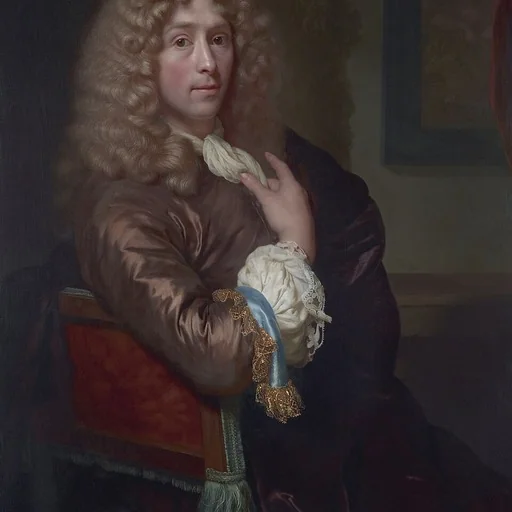
Godfried Schalcken (8 October 1643 – 16 November 1706) was a Dutch artist who specialized in genre paintings and portraits.

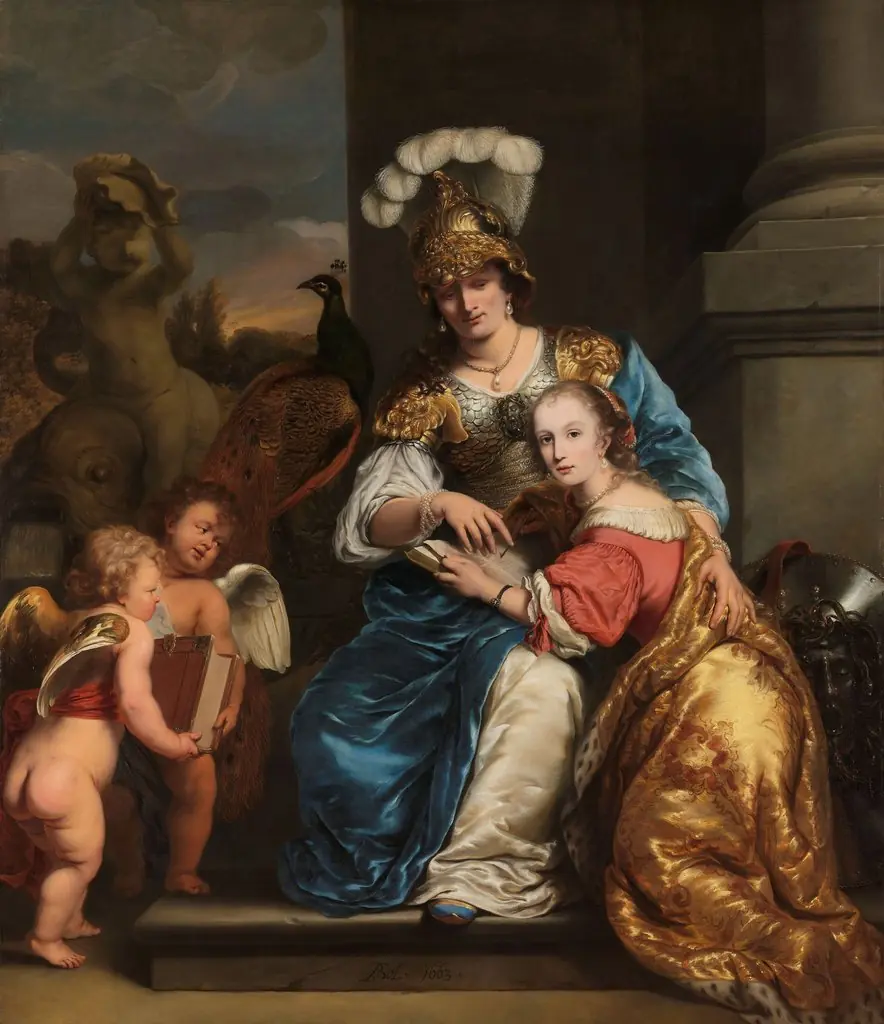 Margarita Trip as Minerva, Instructing her Sister Anna Maria Trip
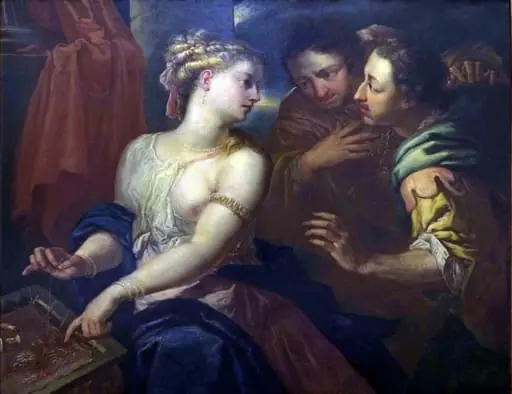 Penelopa și doi pretendenți
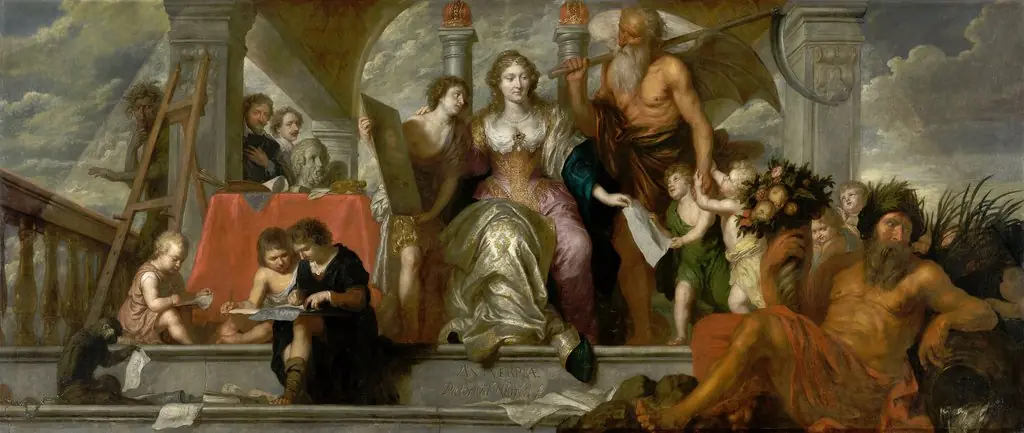 Antwerp, Nourishing the Painters
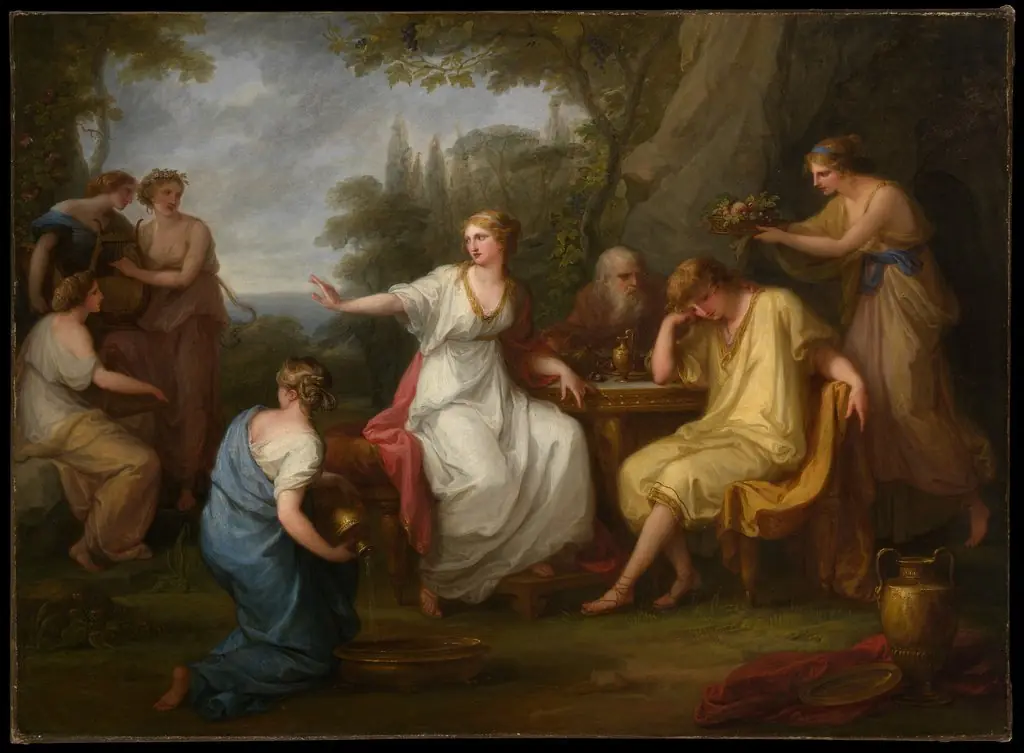 The Sorrow of Telemachus
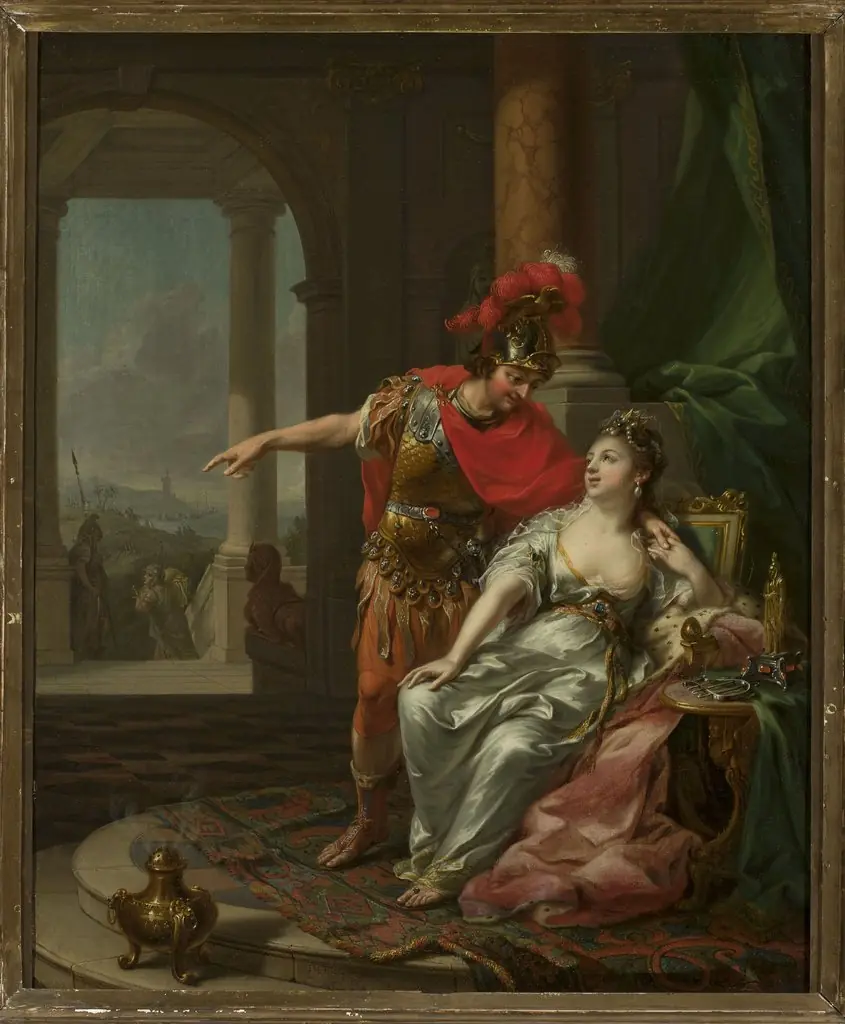 Antony and Cleopatra
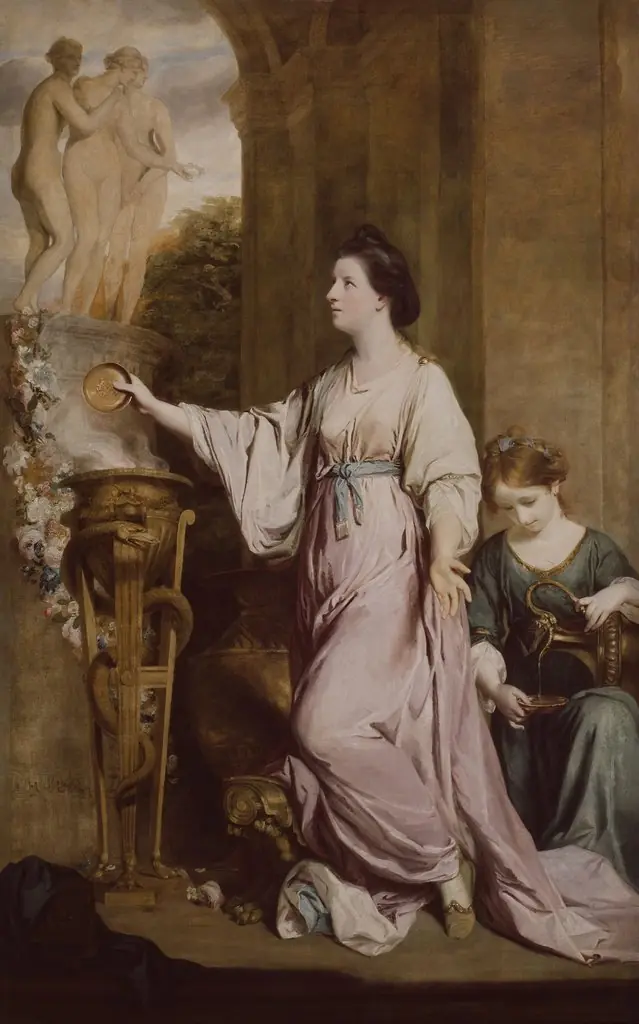 Lady Sarah Bunbury Sacrificing to the Graces
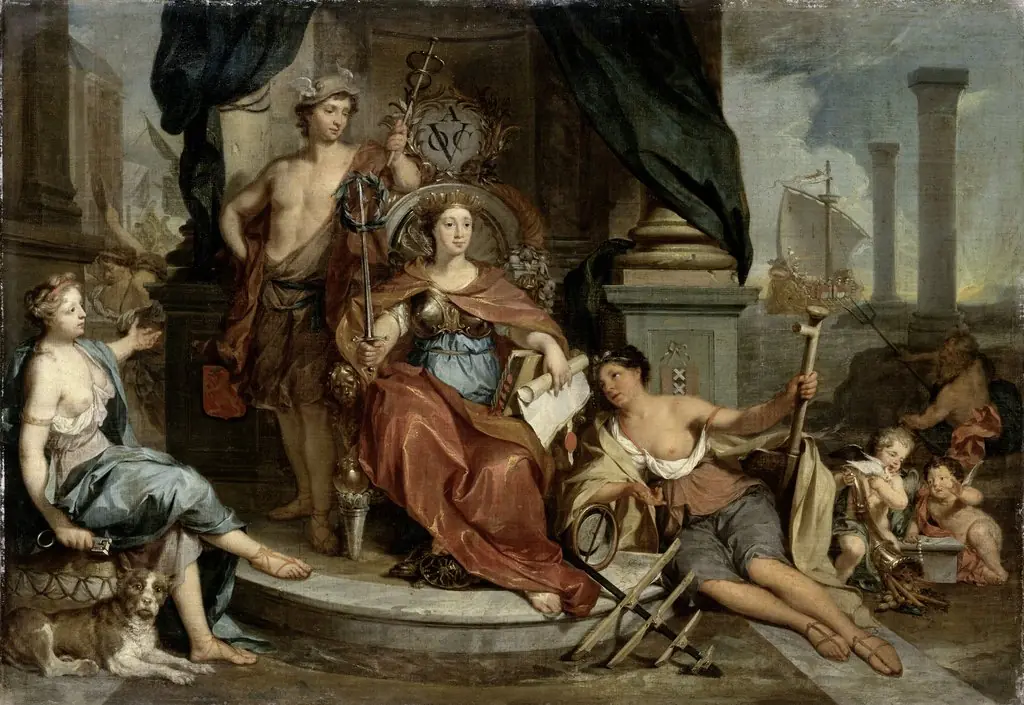 Apotheosis of the Dutch East India Company (Allegory of the Amsterdam Chamber of Commerce of the VOC)
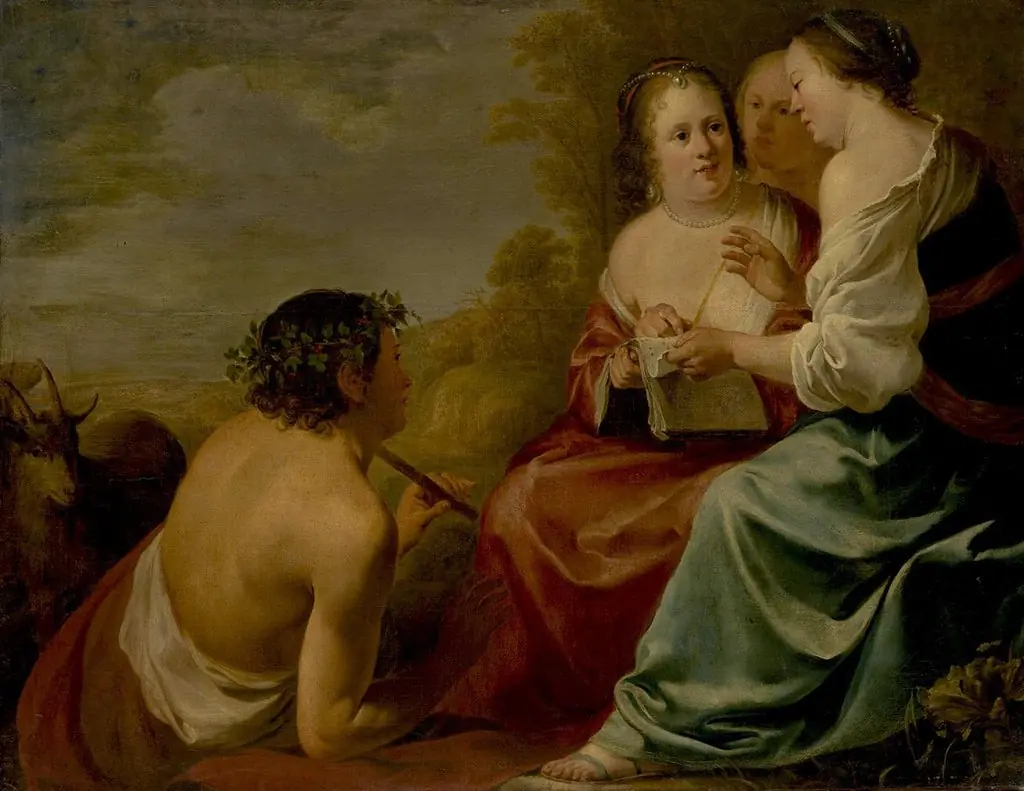 A Shepherd's Concert
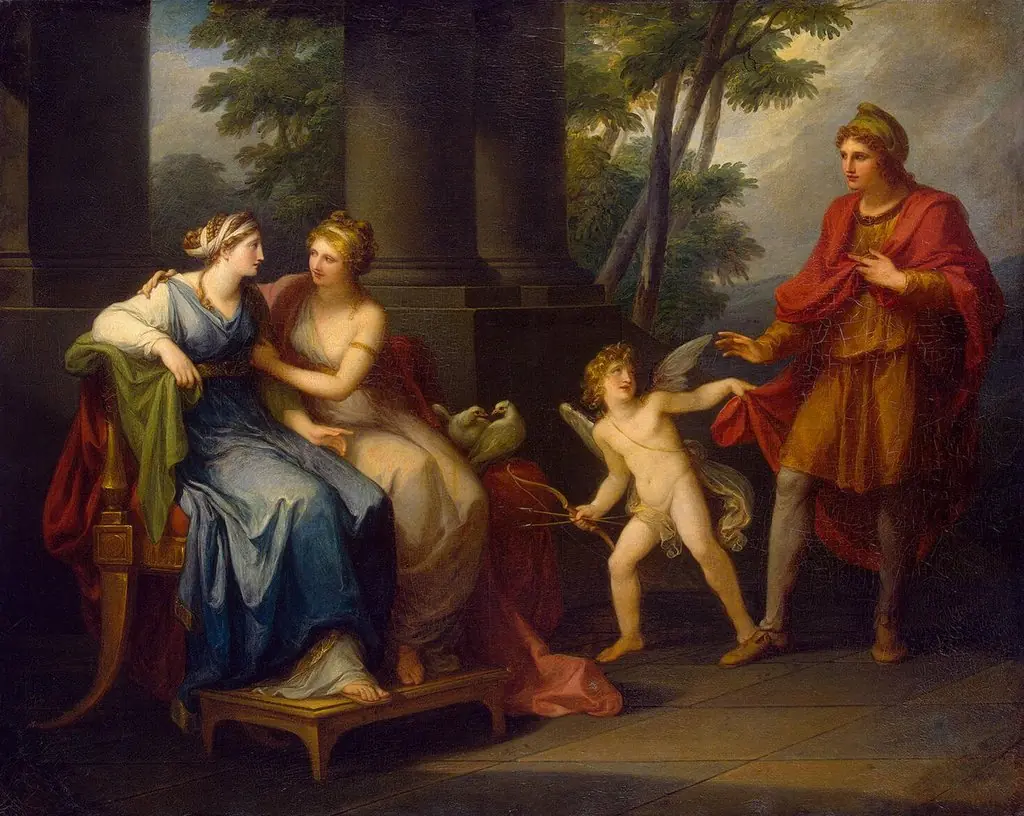 Venus Induces Helen to Fall in Love with Paris
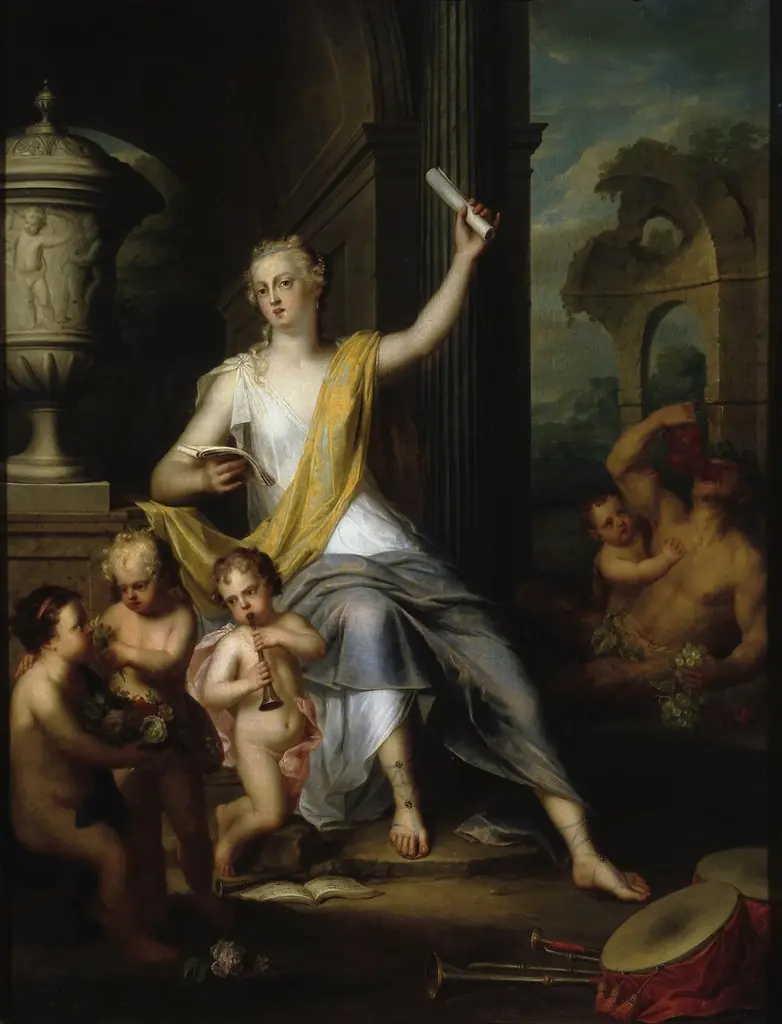 Allegory of the Hearing, the Taste and the Smell
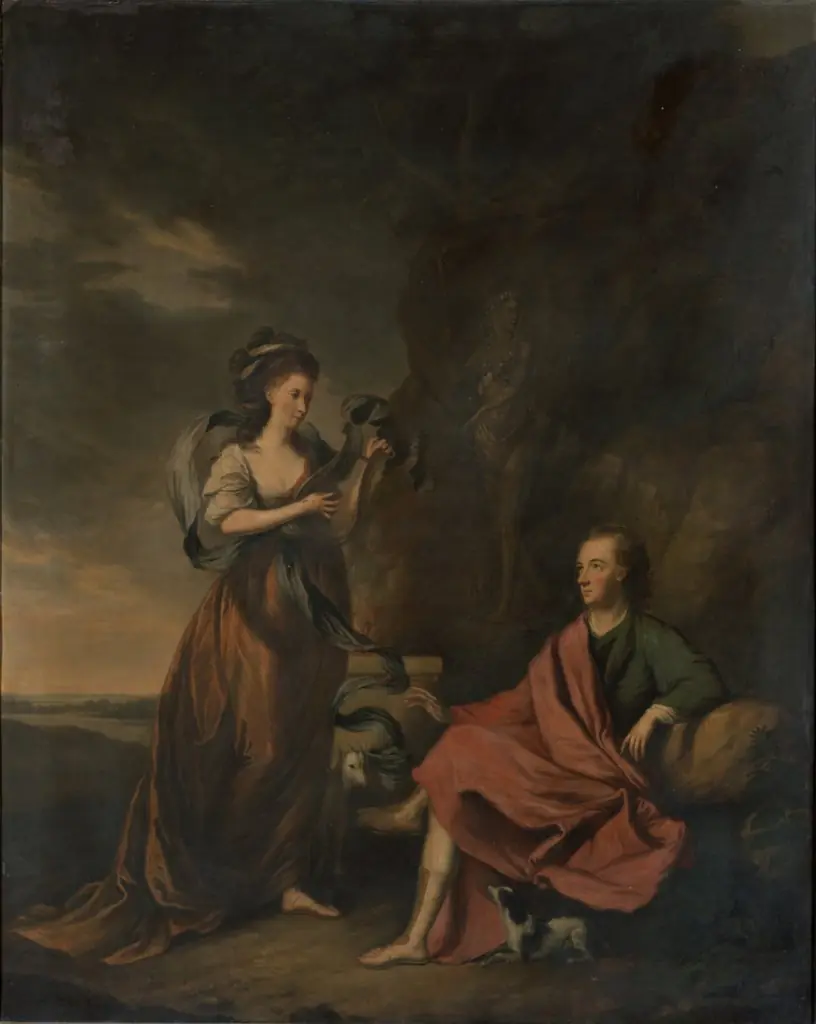 Double Portrait of Arthur Wolfe and his Wife Anne
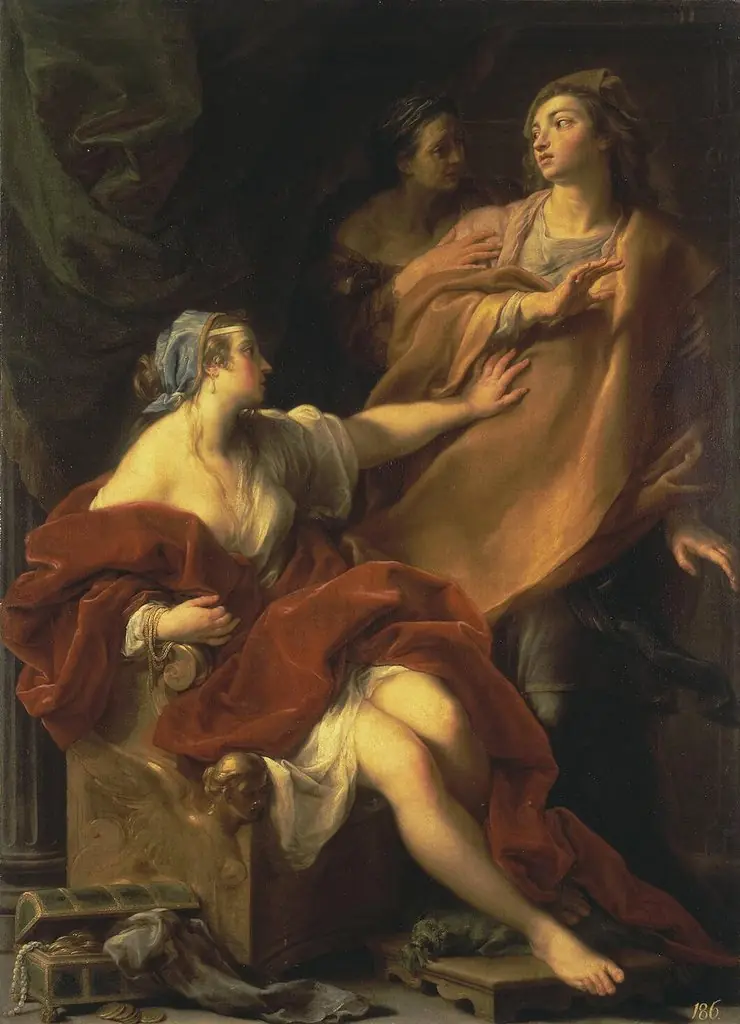 Allegory of Sensuality