Artwork
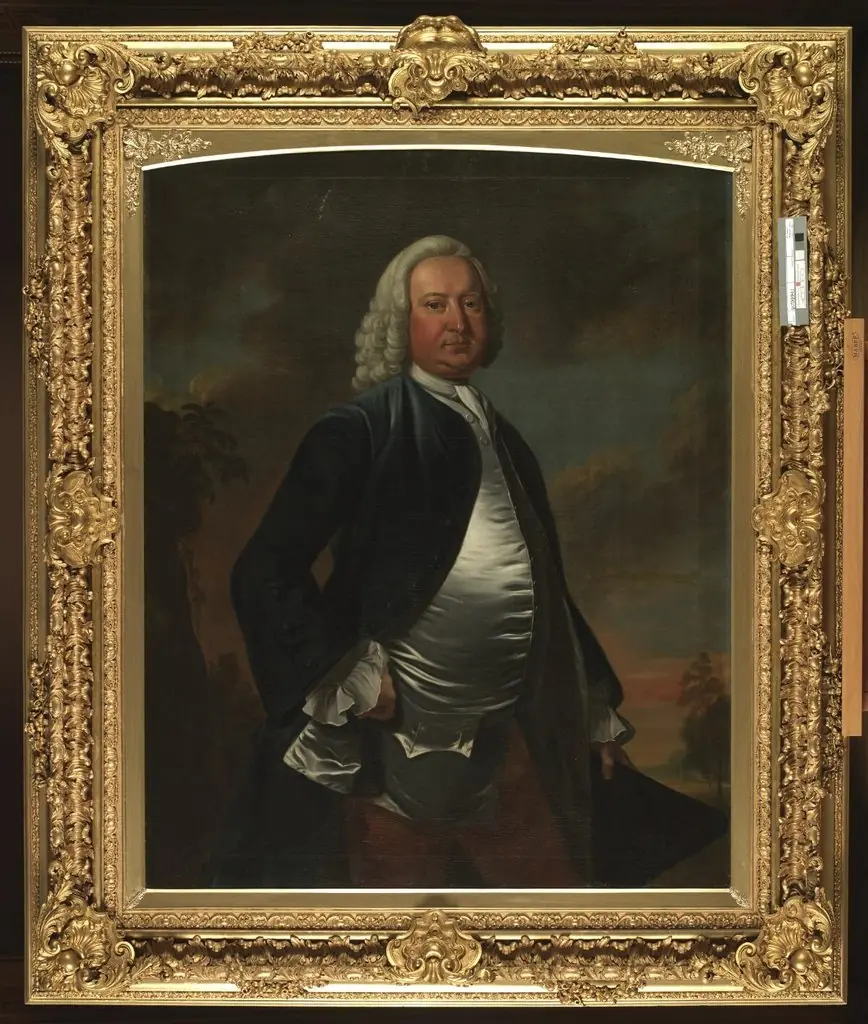
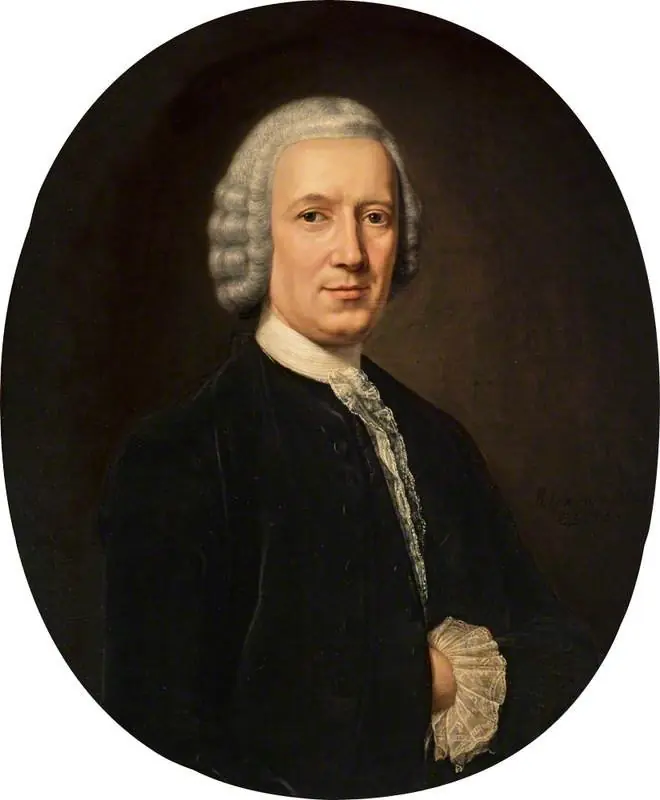
Charles Erskine, 1716 - 1749. Barrister
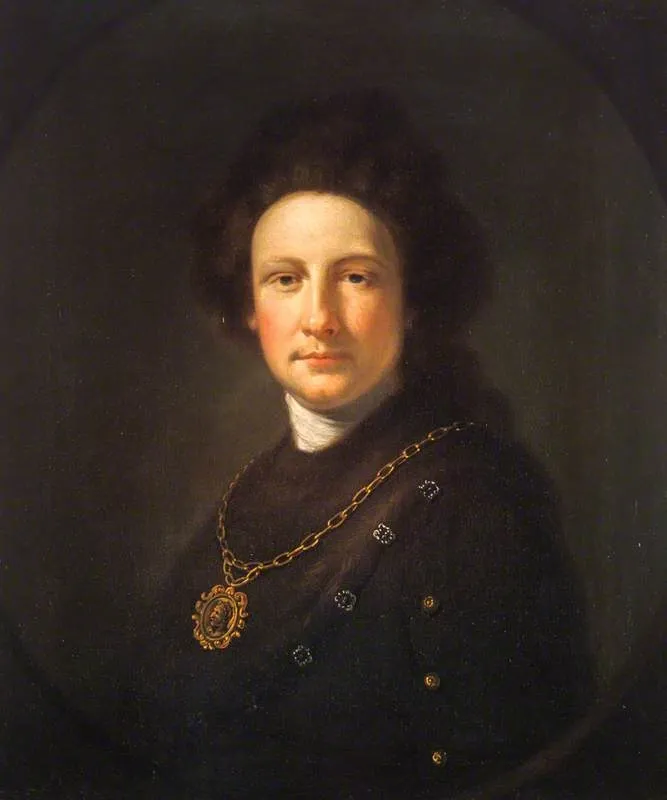
Charles Erskine, 1716 - 1749. Barrister is an oil painting by the Rococo painting artist Thomas Hudson. It dates from 1747 and is held in the collection of the National Galleries Scotland.
About this work
Overview
Thomas Hudson’s 1747 oil portrait depicts Charles Erskine, a Scottish barrister who lived from 1716 to 1749. The work is part of the Scottish National Gallery’s collection and presents the sitter in a formal, restrained pose that emphasizes his professional stature.
Subject & Meaning
Erskine is shown with dark, tightly curled hair and a solemn expression, conveying the seriousness associated with his legal career. His attire—a black coat trimmed with gold buttons, a white cravat, and a prominent gold chain with a pendant—signals both his social rank and the decorum expected of a barrister in mid‑eighteenth‑century Scotland.
Technique & Style
Hudson employs a limited, muted palette, allowing the dark background to recede and the sitter’s features to emerge sharply. The rendering of fabric and metalwork demonstrates the artist’s skill in depicting texture, while the subtle chiaroscuro adds depth and a dignified atmosphere to the composition.
History & Provenance
The portrait was completed two years before Erskine’s death and entered the Scottish National Gallery’s holdings as part of its 19th‑century acquisitions of Scottish portraiture. It remains a key example of Hudson’s work for the British aristocracy and professional class.
Context
Created during a period when portraiture served as a primary means of documenting personal identity and status, the painting reflects the conventions of Georgian portraiture. Hudson, a leading London portraitist, often catered to clients seeking to affirm their social position through refined, yet restrained, visual representation.
Artist & collection

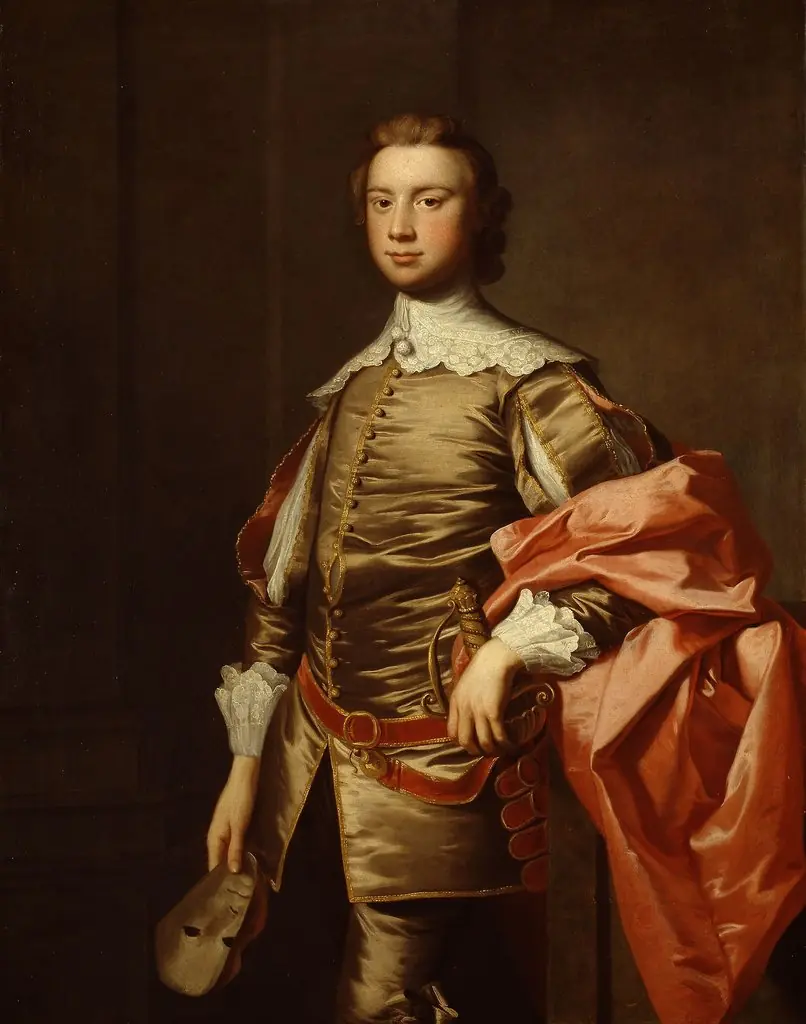
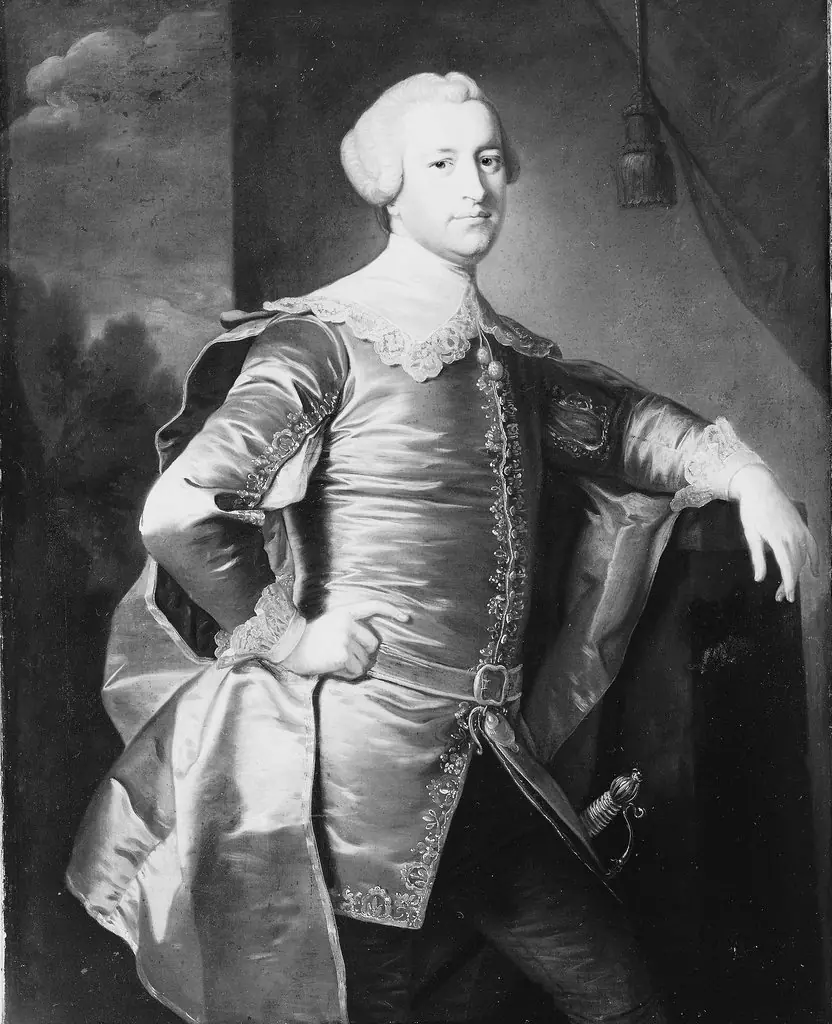
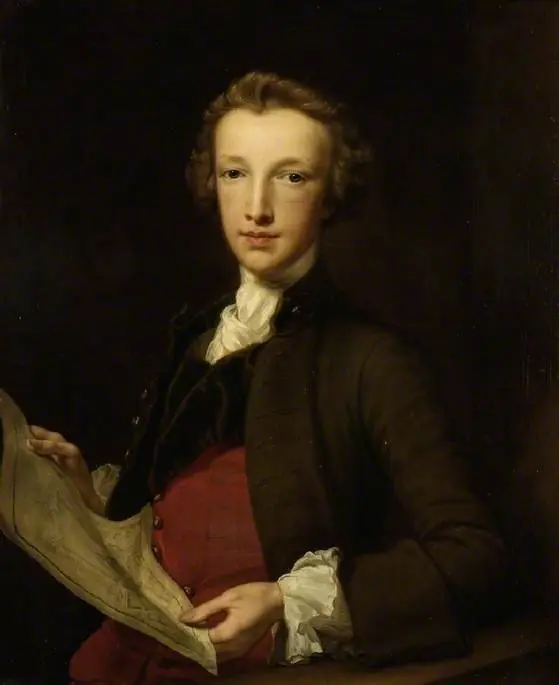 Edward Morrison
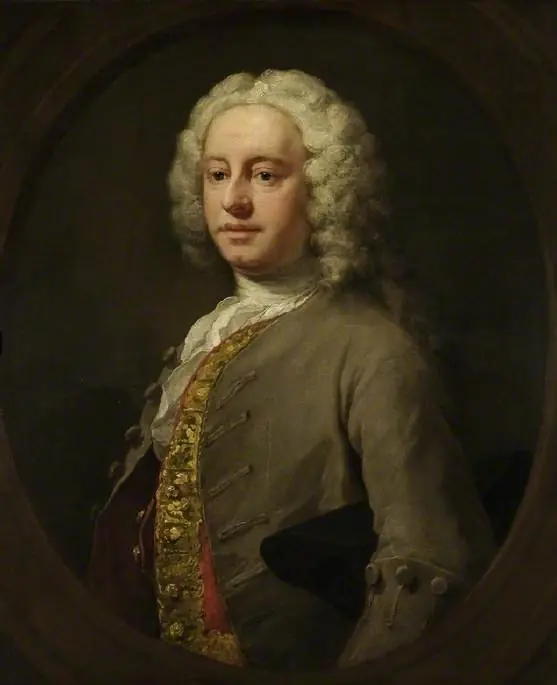 Portrait of an Unknown Man
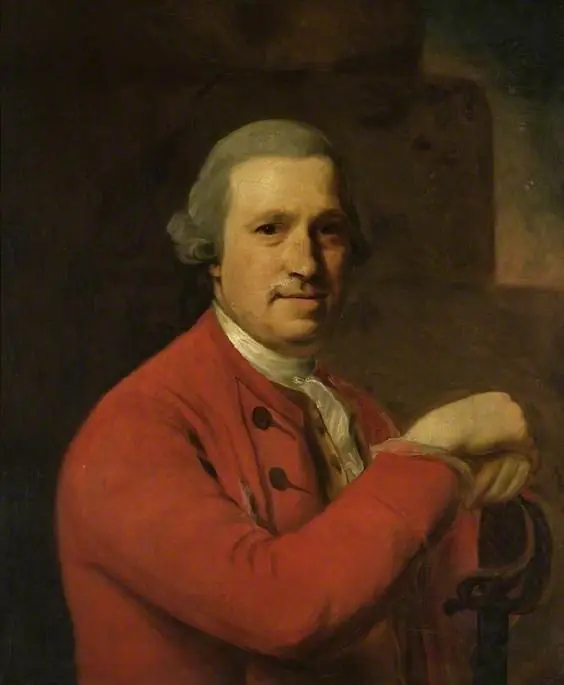 General Lloyd
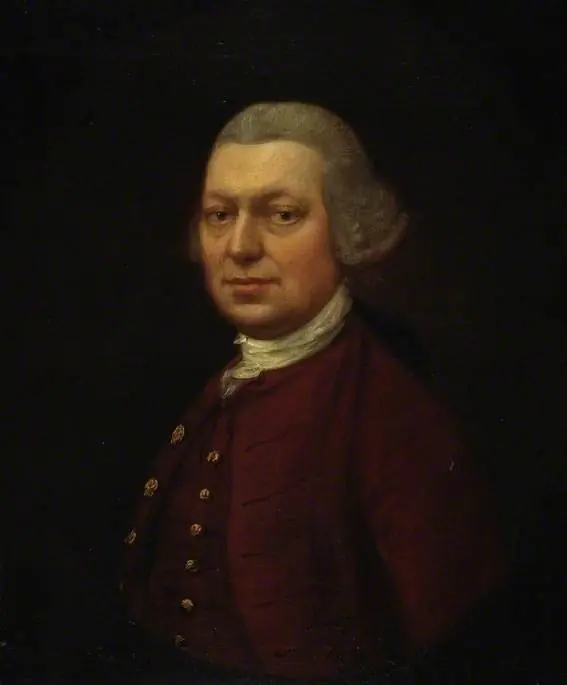 Joshua Kirby
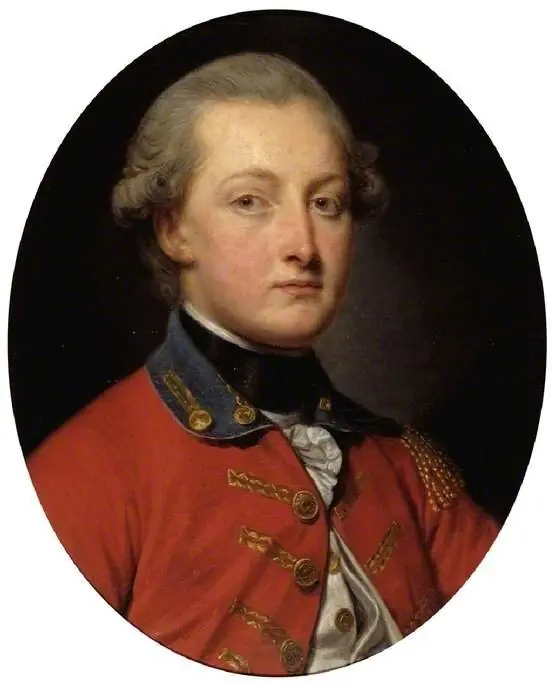 Portrait of George Augustus Herbert, 11th Earl of Pembroke, 1759-1827
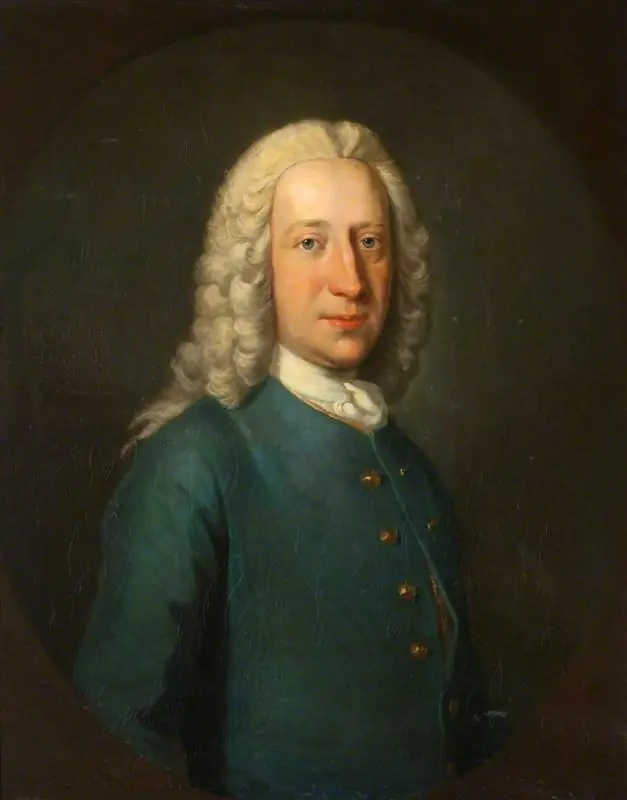 Portrait of a Gentleman
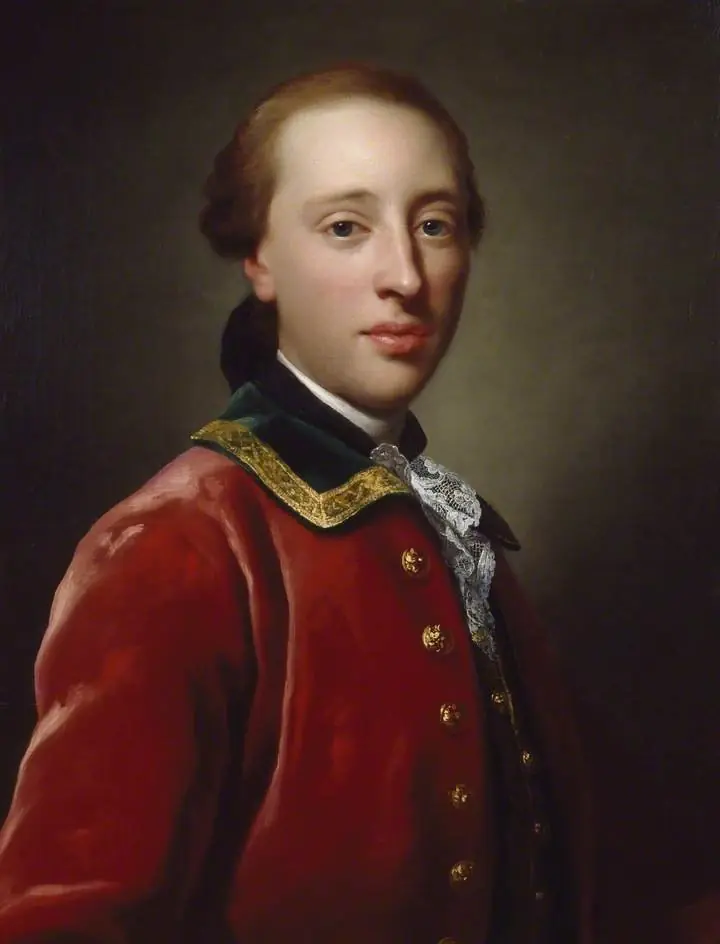 William Fermor
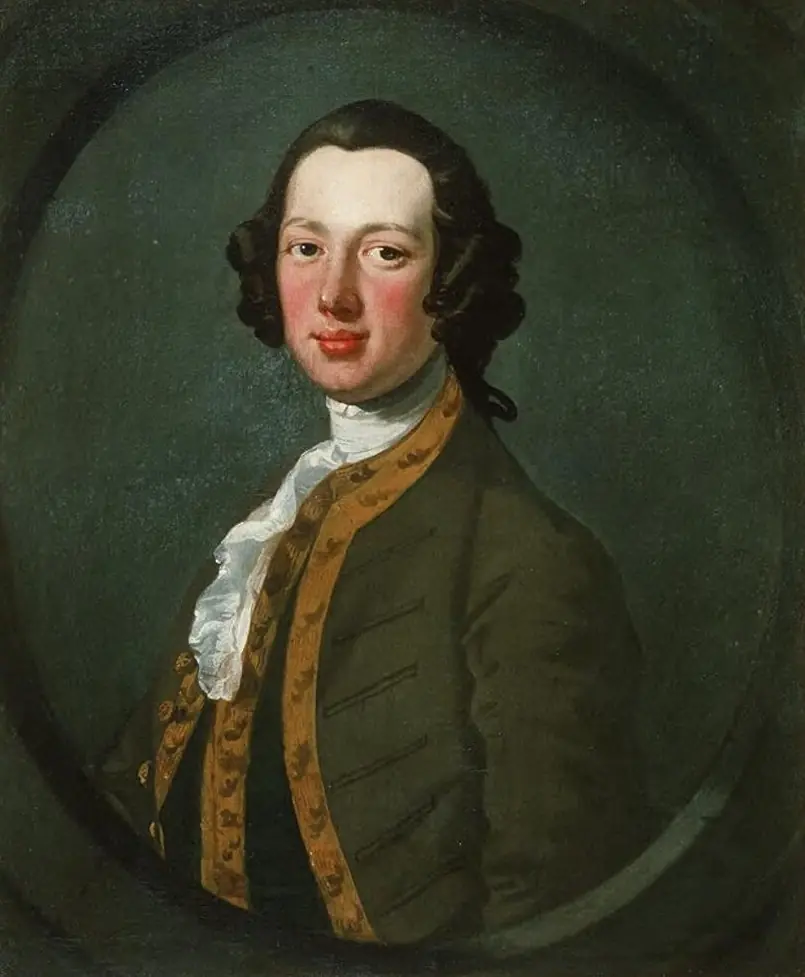 Captain Walter Griffith of Bron-Gain
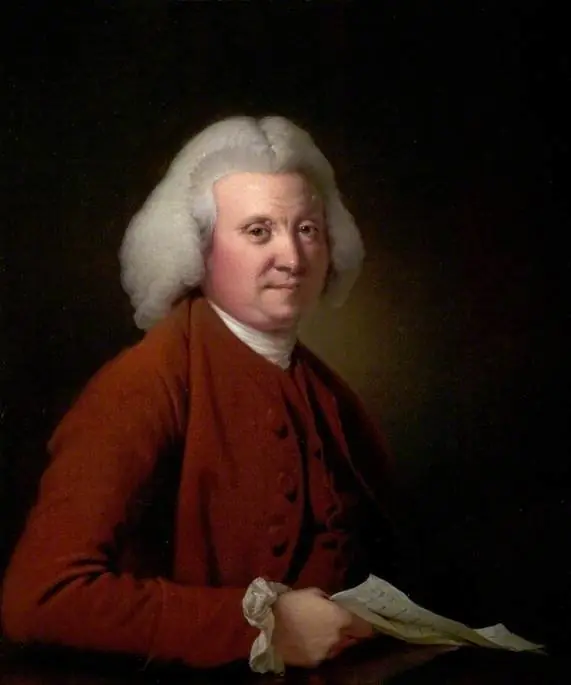 Samuel Crompton (c.1720–1782)
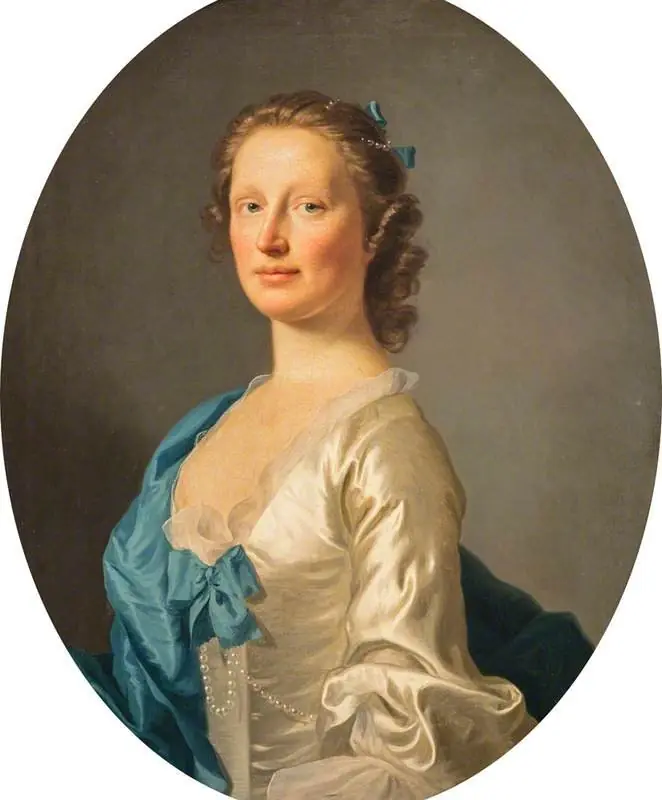 Portrait of a Lady, formerly called Flora Macdonald
 Portrait of Adrian Hope of Amsterdam (1709 - 1781)
 Portrait of a gentleman in a red cloak