Artwork
John Newton
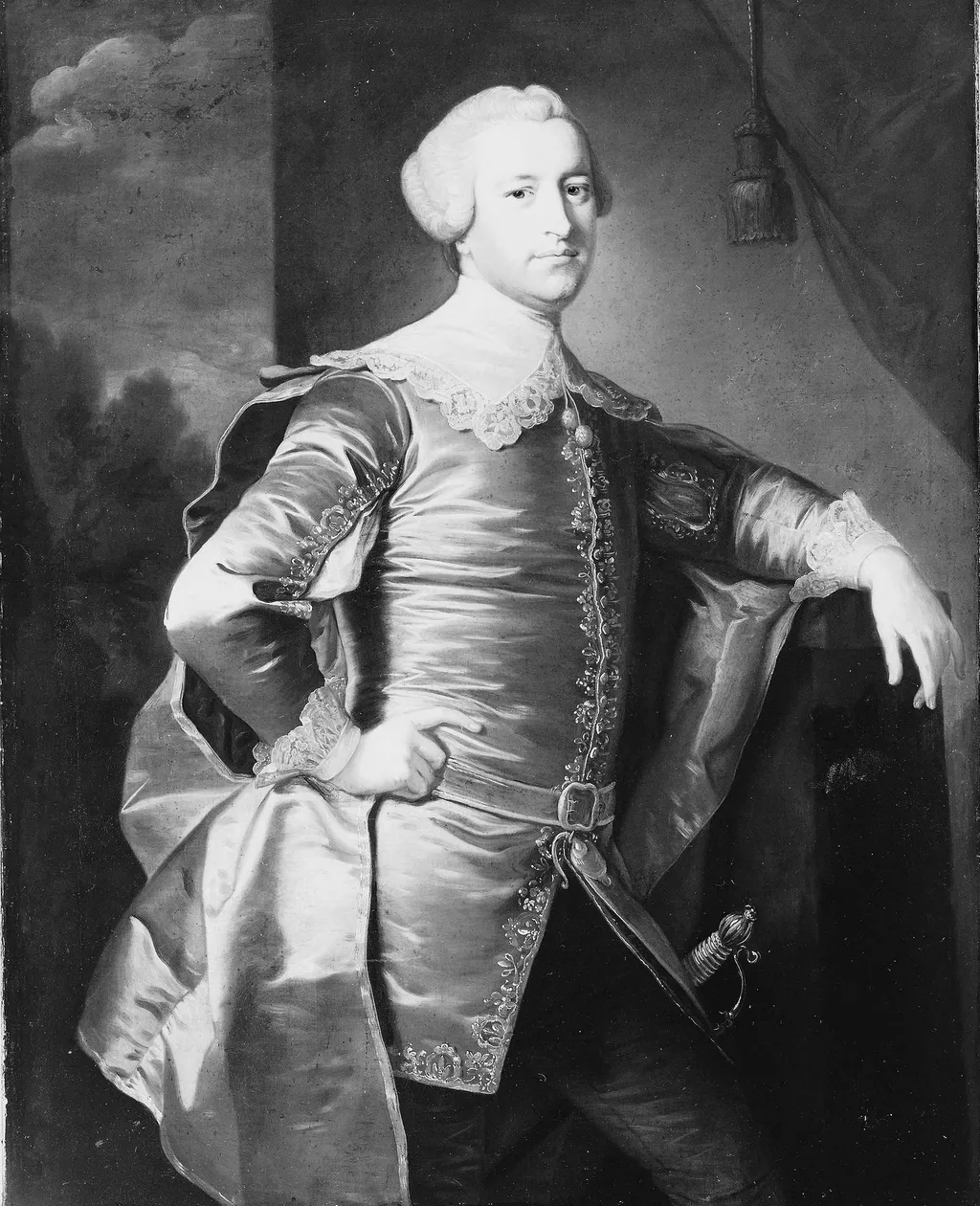
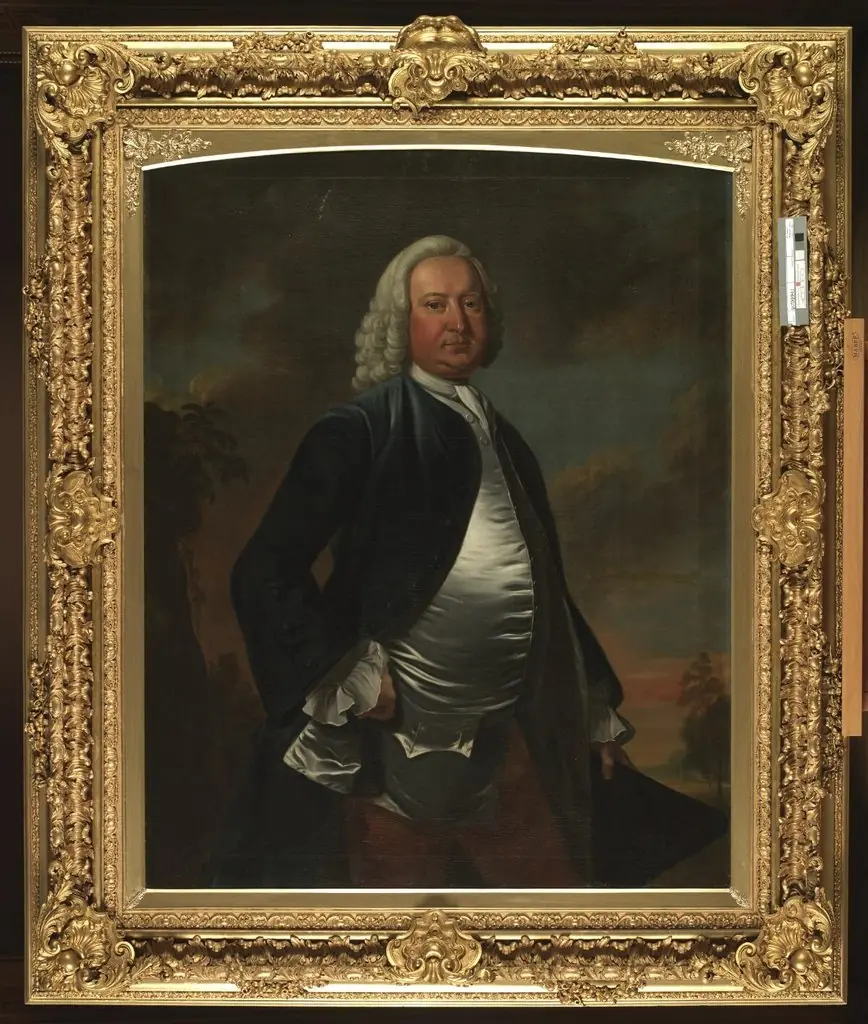
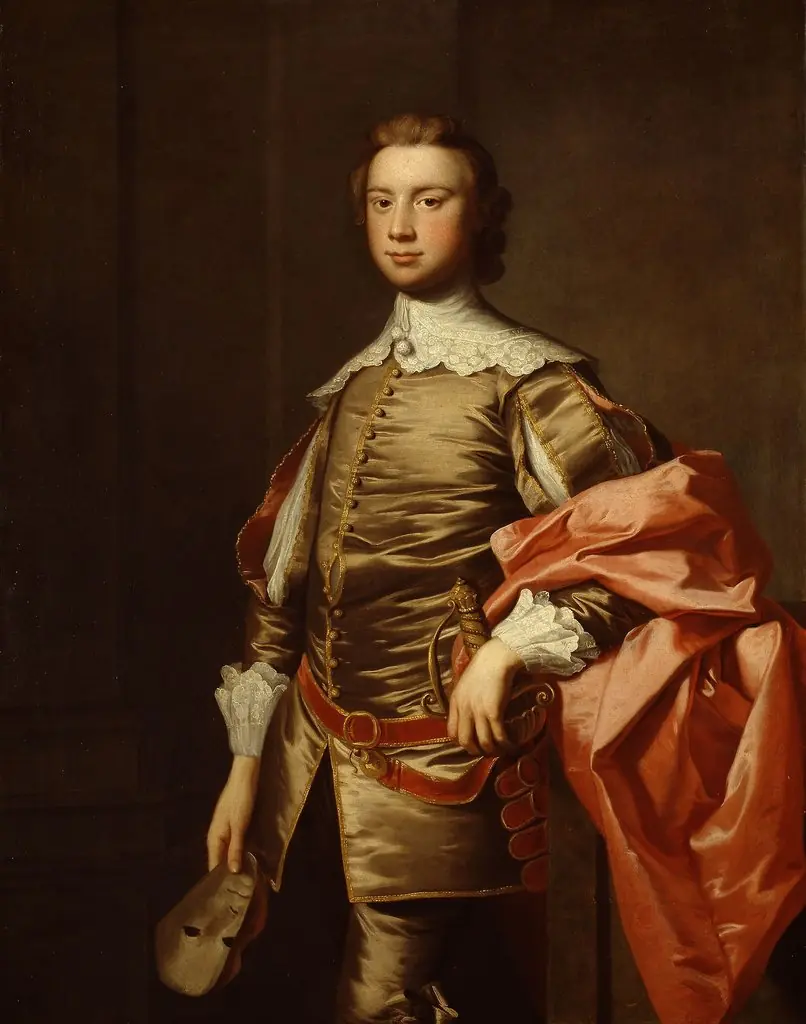
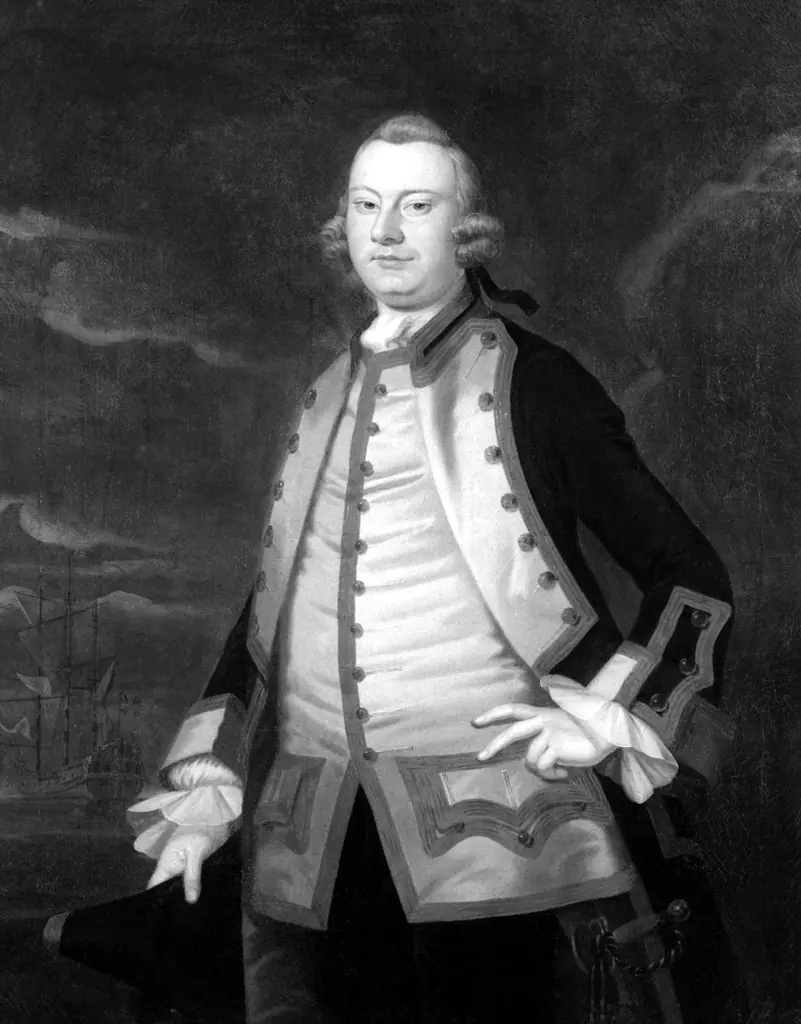
John Newton is an oil painting by the Rococo painting artist Thomas Hudson. It dates from 1757 and is held in the collection of the Art Institute of Chicago.
About this work
Overview
Painted in 1757 by Thomas Hudson, this oil portrait depicts John Newton, a figure of social prominence. The work is part of the permanent collection at the Art Institute of Chicago. Its formal composition and rich detail reflect the conventions of mid-18th-century British portraiture, emphasizing the subject’s status through deliberate visual cues rather than narrative context.
Subject & Meaning
John Newton is portrayed in attire indicative of aristocratic or military standing: a satin coat with lace trim, a matching waistcoat, and a sword at his side.
John Newton is portrayed in attire indicative of aristocratic or military standing: a satin coat with lace trim, a matching waistcoat, and a sword at his side. His pose—hand resting on the hip—conveys composure and authority. The inclusion of the sword suggests a connection to service or nobility, though the portrait focuses more on social identity than specific achievement, aligning with the era’s emphasis on appearance as a marker of rank.
Technique & Style
Hudson employs fine brushwork to render the textures of silk, lace, and metal with precision. The lighting is even and controlled, highlighting the subject’s clothing and facial features without dramatic contrast. The background remains muted, directing attention to the figure. This restrained yet meticulous approach characterizes Hudson’s approach to portraiture, prioritizing elegance and clarity over emotional intensity.
History & Provenance
The painting was completed in 1757 and entered the Art Institute of Chicago’s collection through documented acquisition. Its ownership history prior to the 20th century is not widely recorded, but its preservation suggests it remained in private hands until institutional acquisition. The work has been consistently attributed to Hudson without scholarly dispute, reflecting its stylistic consistency with his known oeuvre.
Context
In mid-18th-century Britain, portraiture served as a tool for asserting social position. Hudson, based in London, was among the leading portraitists of his time, catering to the gentry and emerging professional elite. This painting reflects a broader trend where clothing, posture, and accessories were carefully chosen to communicate lineage, wealth, and civic role, often more than personal character.
Legacy
Though John Newton himself is not historically prominent, the portrait endures as an example of Hudson’s skilled execution and the visual language of status in Georgian England. It contributes to the understanding of how portraiture functioned as a social artifact, preserving the aesthetics and values of a class-driven society without overtly dramatizing its subjects.
Own this work as a print
Artist & collection

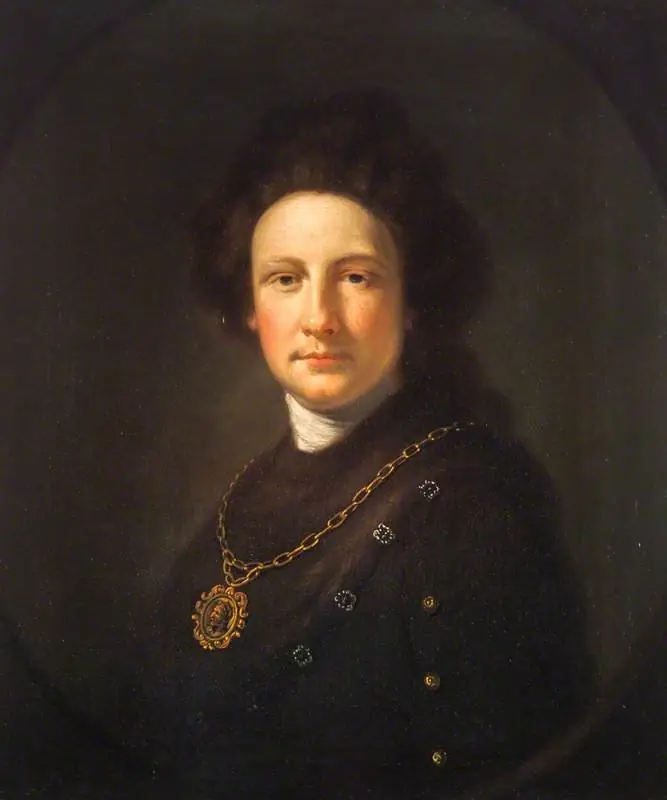
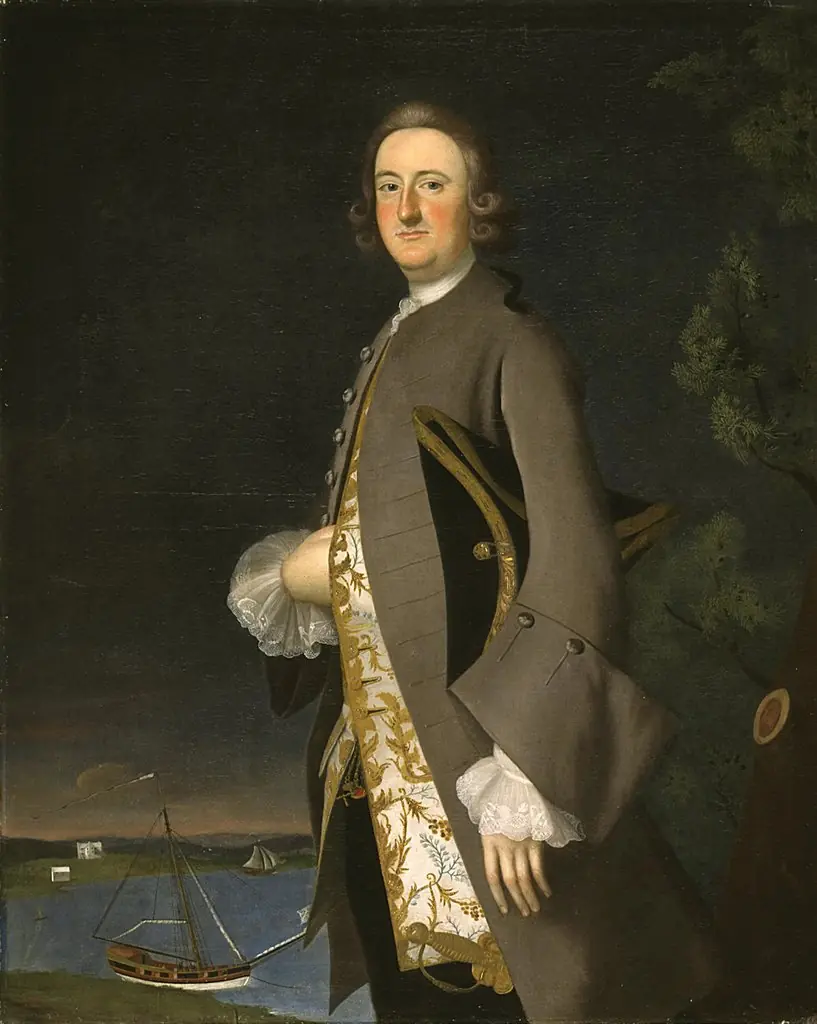 Portrait of Captain John Pigott
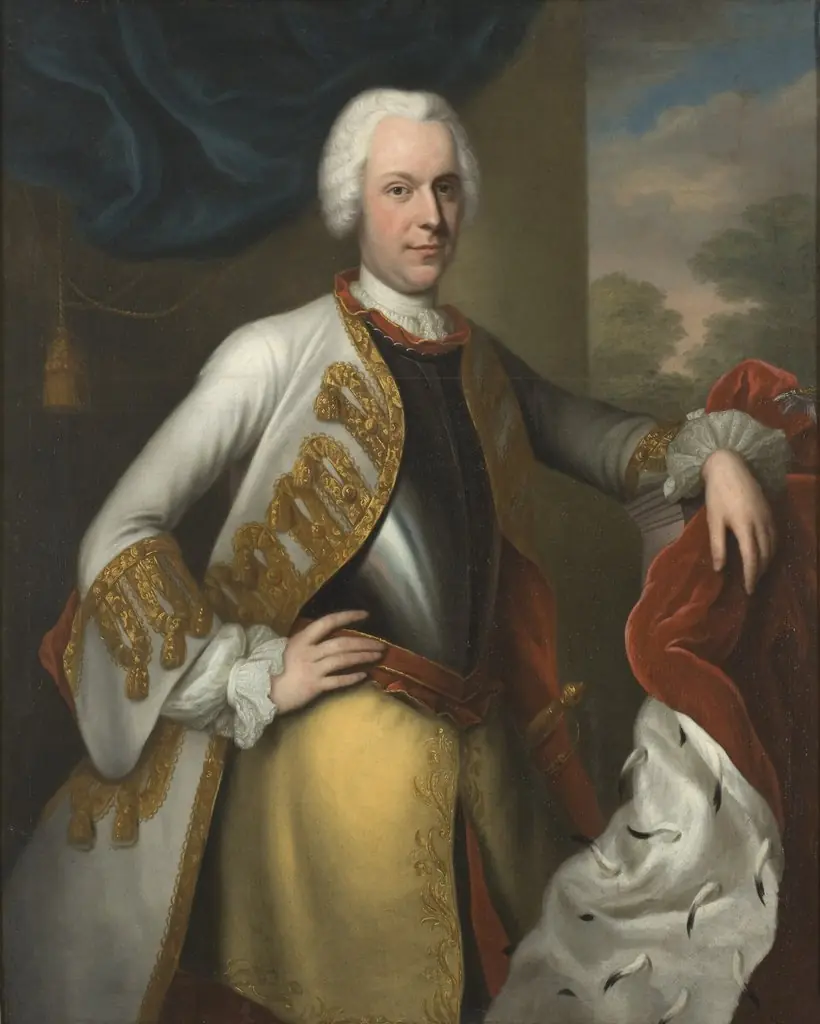 Adolf Fredrik (1710-1771), king of Sweden, duke of Holstein-Gottorp, prince bishop of Lübeck, married to Lovisa Ulrika of Prussia
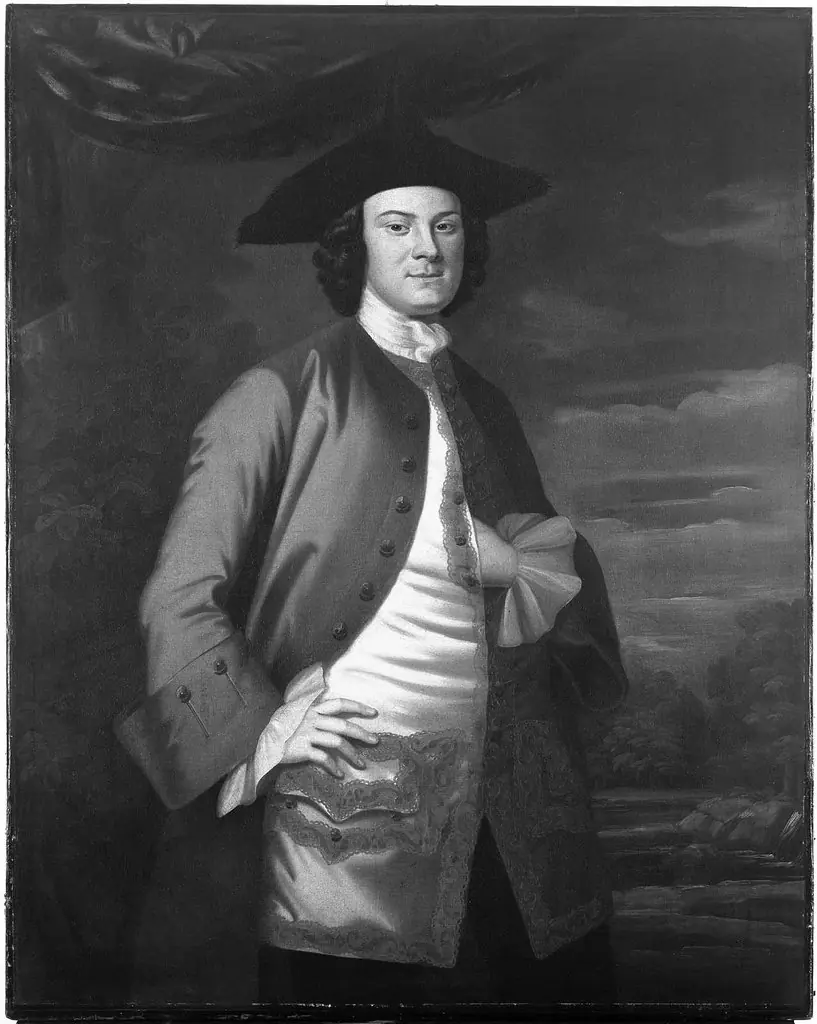 Thomas Dongan
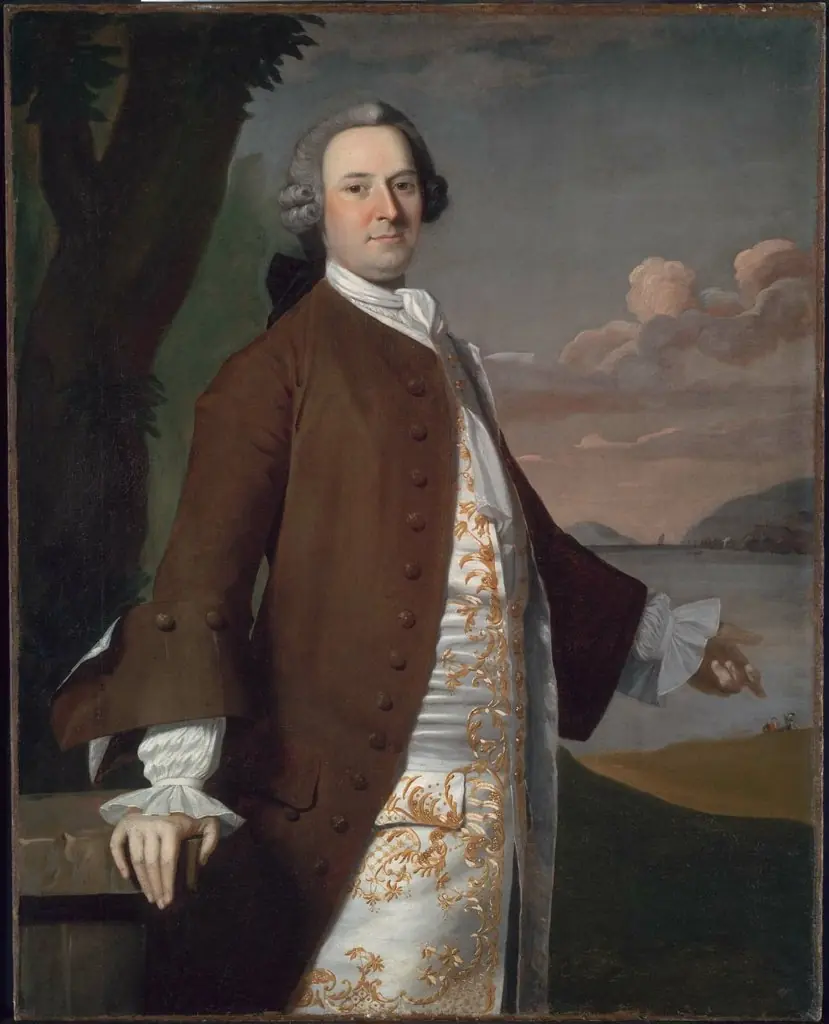 Isaac Winslow
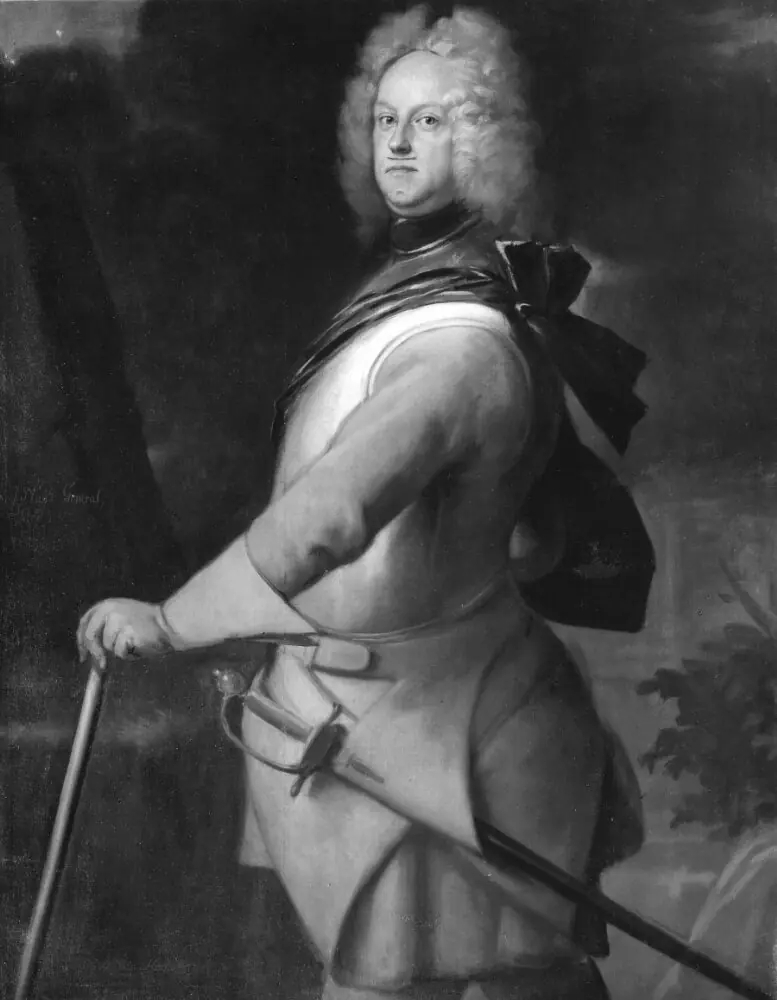 Carl Gustaf Hård (1674-1744), greve, riksråd, general
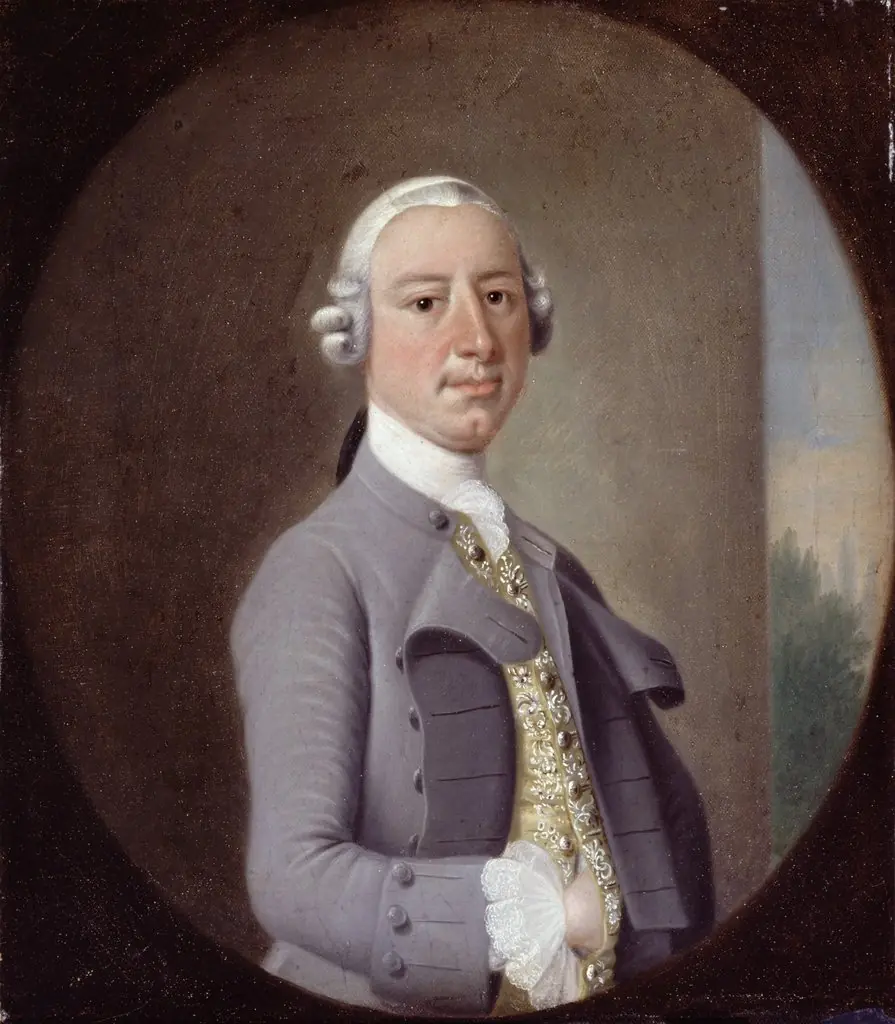 William Wragg
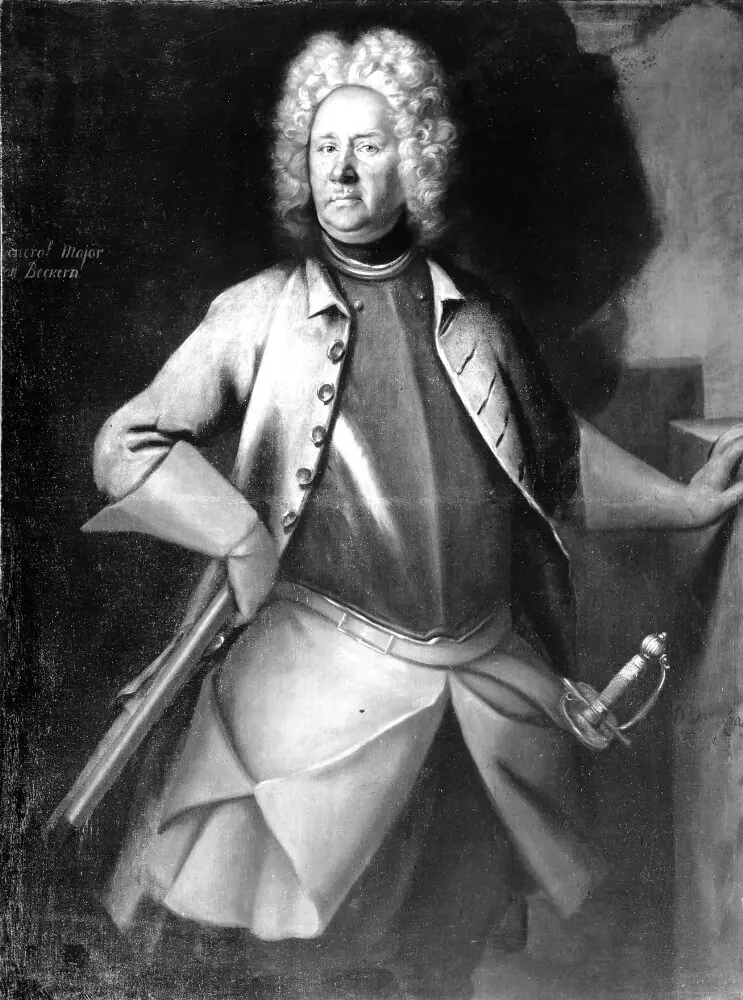 Johan Vilhelm von Beckern (1655-1733), friherre, generalmajor
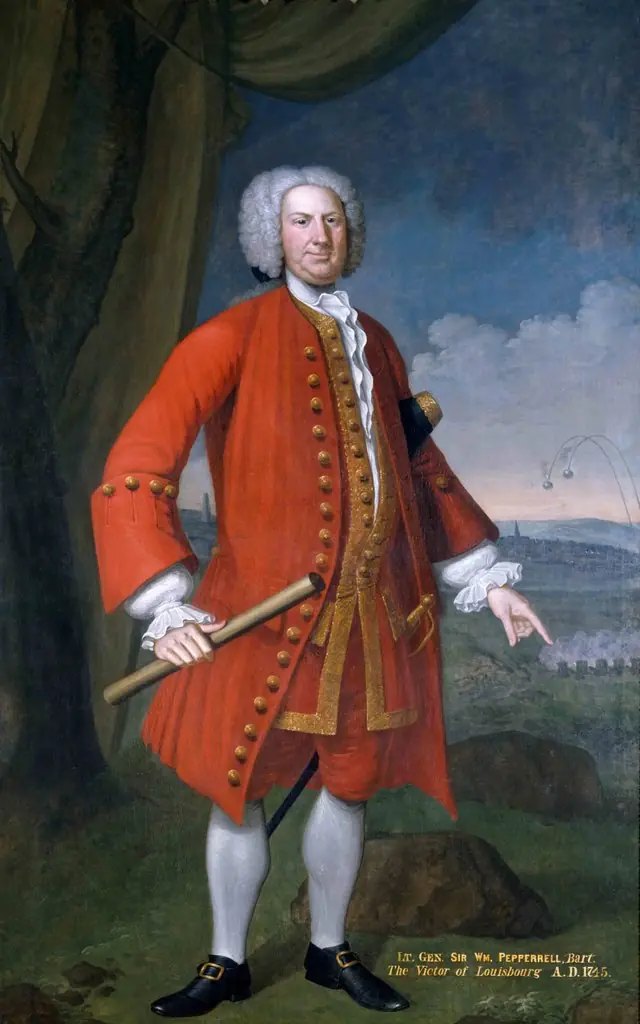 Portrait of William Pepperrell
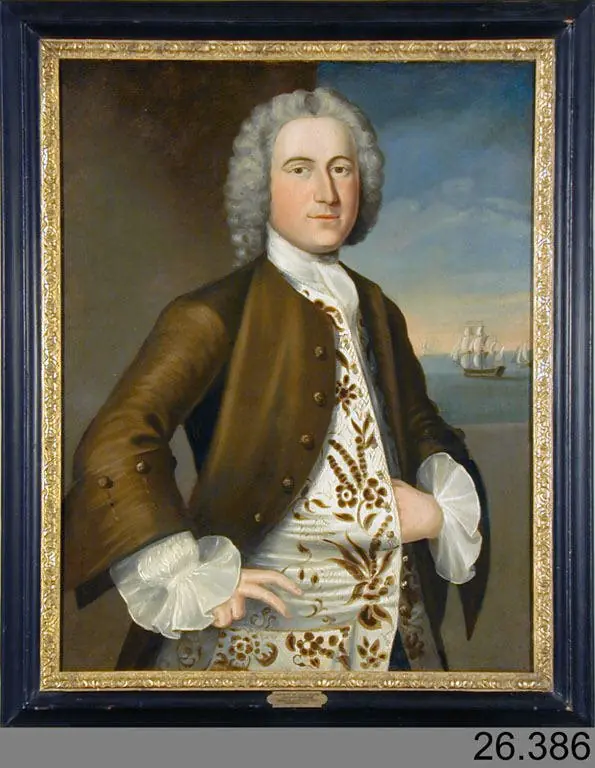 John Adams
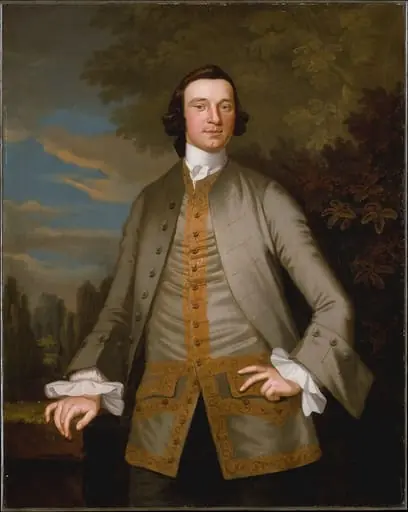 William Axtell
 Portrait of a Man (possibly Sir Charles Hardy)
 Portrait of Count Jørgen Scheel (1721-1786)