Artwork
William Fermor
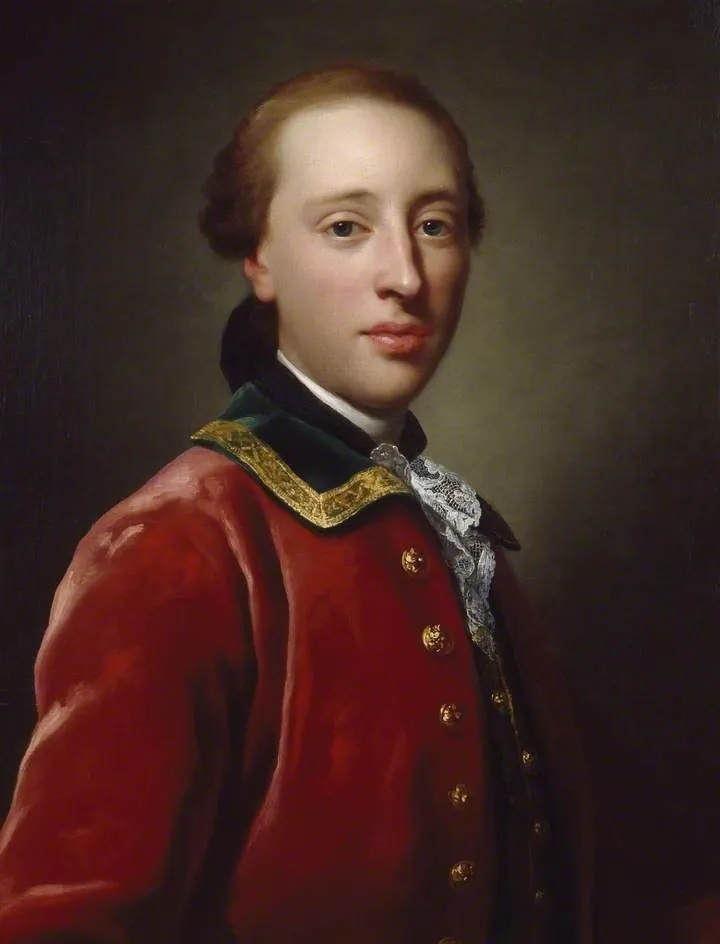
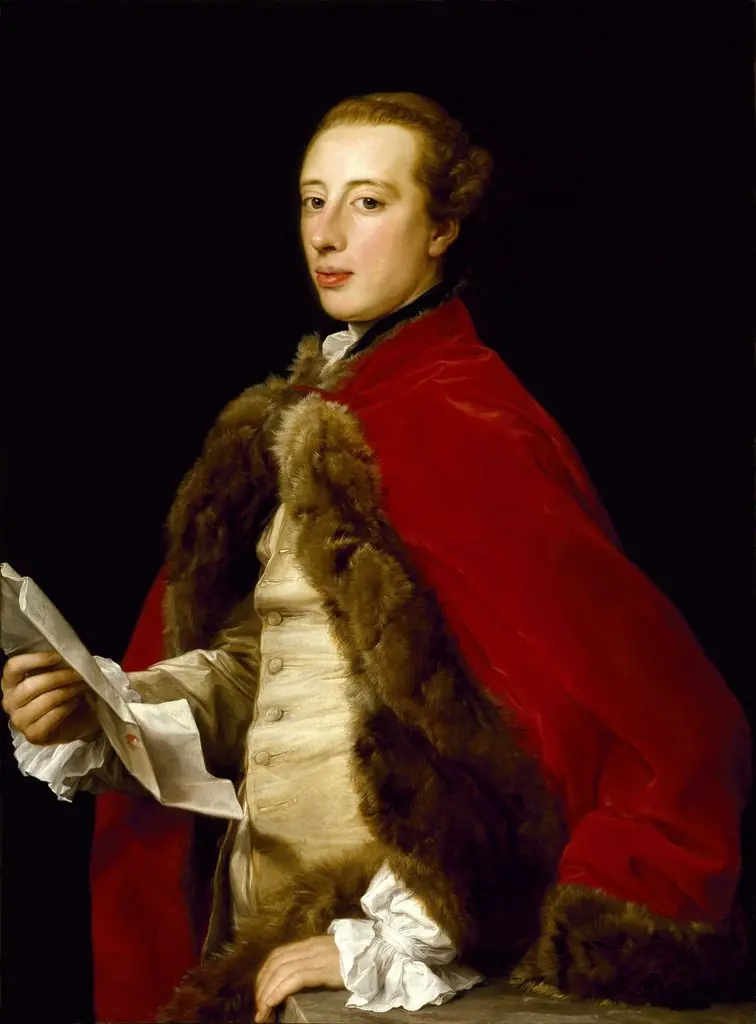
William Fermor is an oil painting by the Rococo painting artist Anton Raphael Mengs. It dates from 1757 and is held in the collection of the Ashmolean Museum.
About this work
The man's attire and hairstyle suggest a formal or professional setting, possibly from the 18th century.
The painting depicts a man with fair skin and light brown hair, styled in a low ponytail. He wears a red jacket with gold buttons and a green collar, complemented by a white lace cravat. The background is a dark, muted color.
The man's attire and hairstyle suggest a formal or professional setting, possibly from the 18th century. The artist's use of oil paint and attention to detail create a sense of realism in the portrait.
To learn more about the artist behind this work, explore the paintings of Anton Raphael Mengs.
Overview
Anton Raphael Meng’s 1757 oil portrait titled “William Fermor” presents a solitary figure rendered with meticulous realism. The sitter, a fair‑skinned man with light brown hair gathered into a low ponytail, occupies the foreground against a subdued, dark backdrop that emphasizes his presence. The composition reflects the conventions of mid‑eighteenth‑century portraiture, focusing on individual likeness and status.
Subject & Meaning
The portrait shows a gentleman dressed in a red jacket trimmed with gold buttons, a green‑collared shirt, and a white lace cravat, indicating formal attire typical of the period’s professional or aristocratic class. The restrained setting and direct gaze suggest a desire to convey personal dignity and social standing rather than narrative content.
Technique & Style
Executed in oil on canvas, Meng employs a smooth brushwork that captures fine details such as the texture of the lace cravat and the sheen of the jacket’s buttons. The chiaroscuro of the dark background against the illuminated figure creates depth, while the restrained palette underscores the sitter’s attire without distracting ornamentation.
History & Provenance
Created in 1757, the work entered the collection of the Ashmolean Museum, where it remains on display. Its acquisition reflects the museum’s broader effort to represent the development of European portraiture and to preserve examples of Meng’s contributions to the Neoclassical movement.
Artist & collection


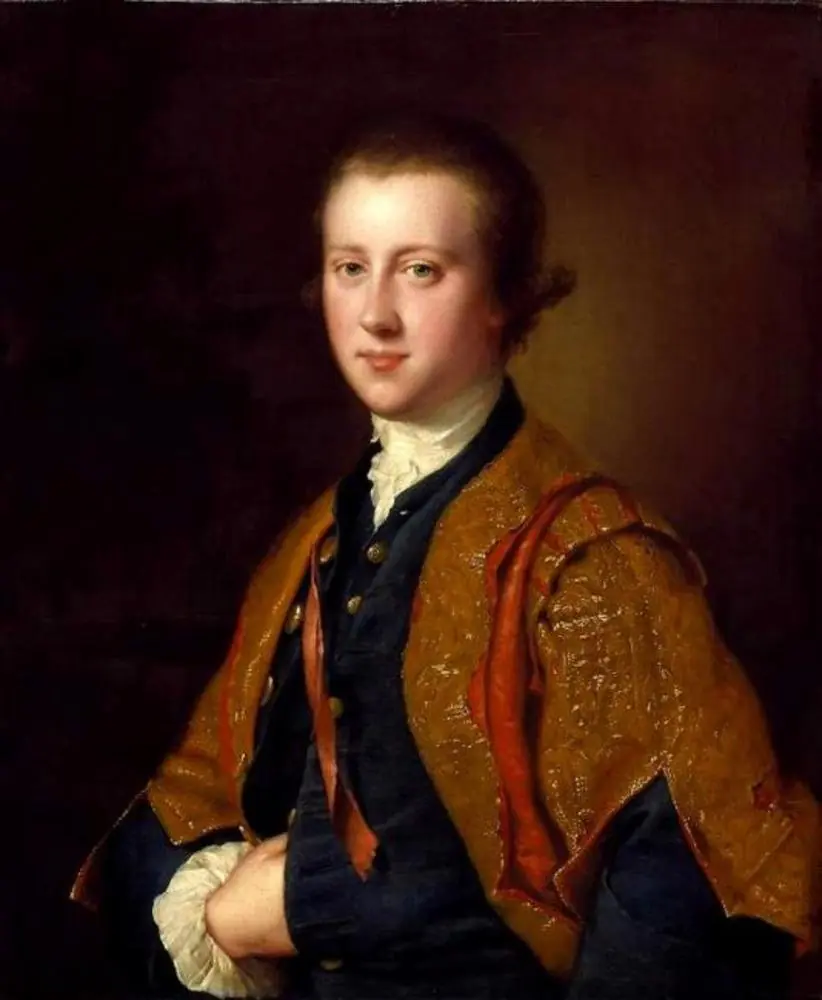 The Hon. Richard Fitzwilliam, 7th Viscount Fitzwilliam of Merrion
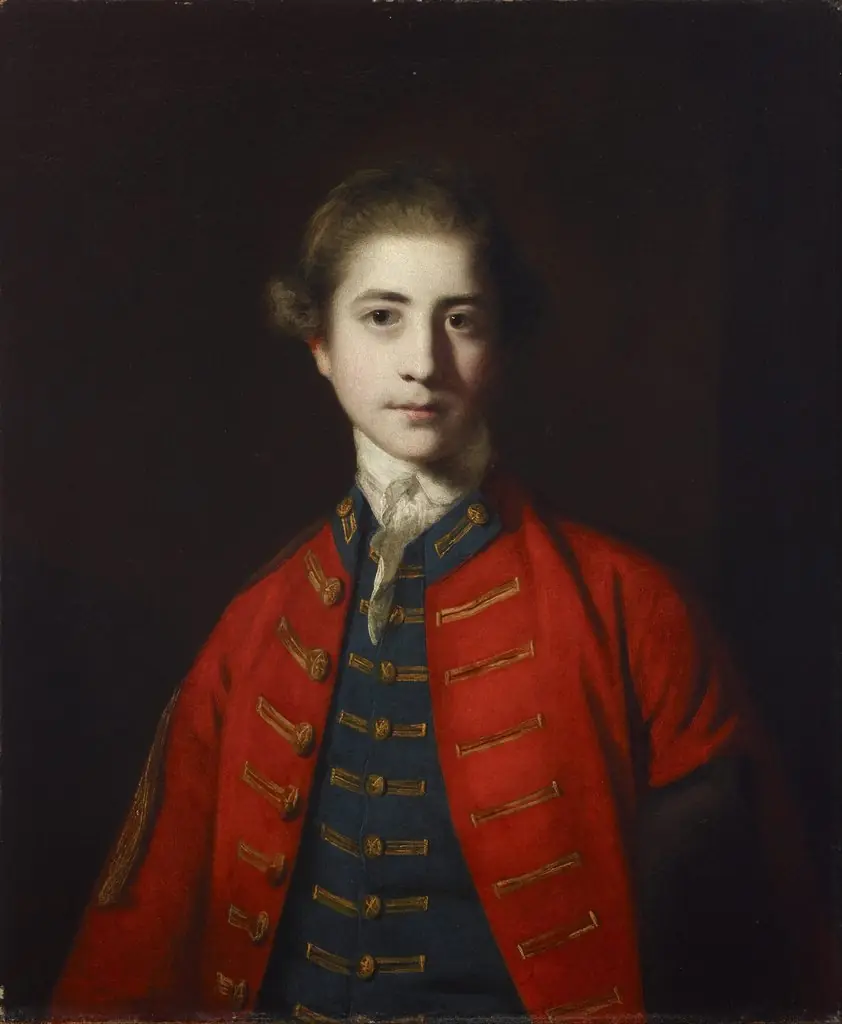 Stephen Croft, Junior
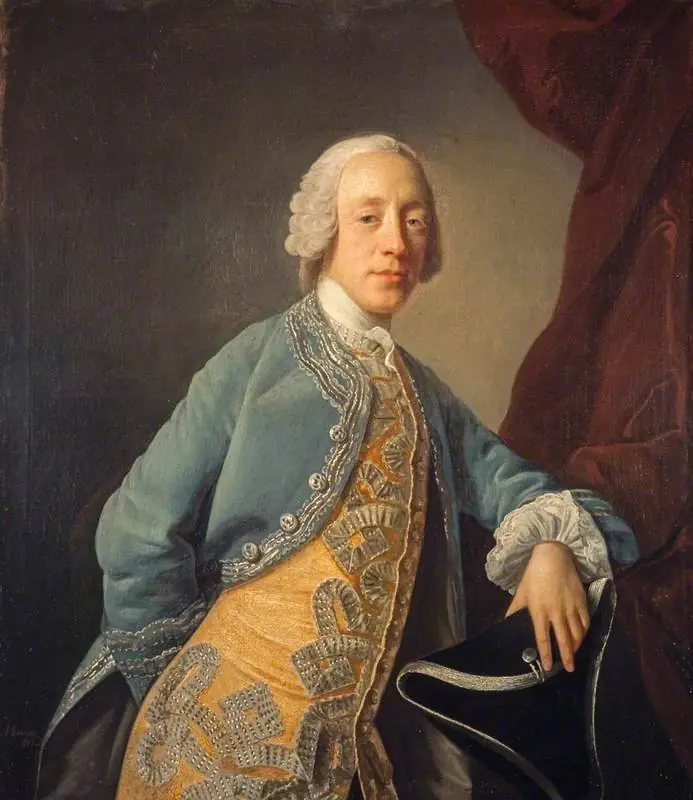 Thomas Lamb of Rye (1719 - 1804)
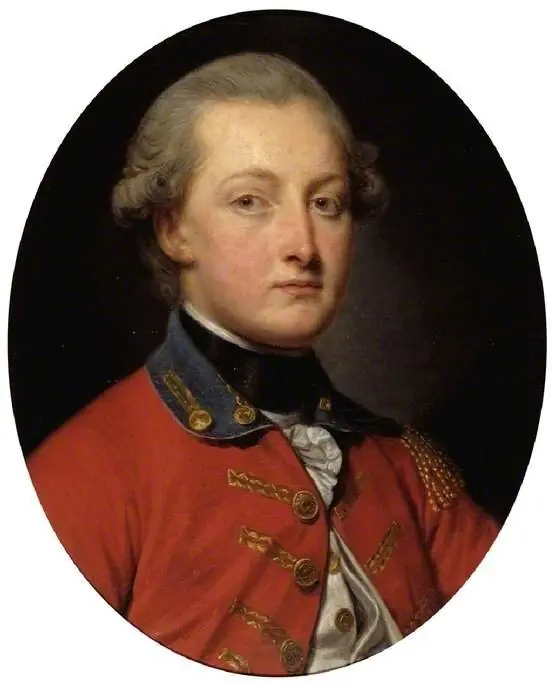 Portrait of George Augustus Herbert, 11th Earl of Pembroke, 1759-1827
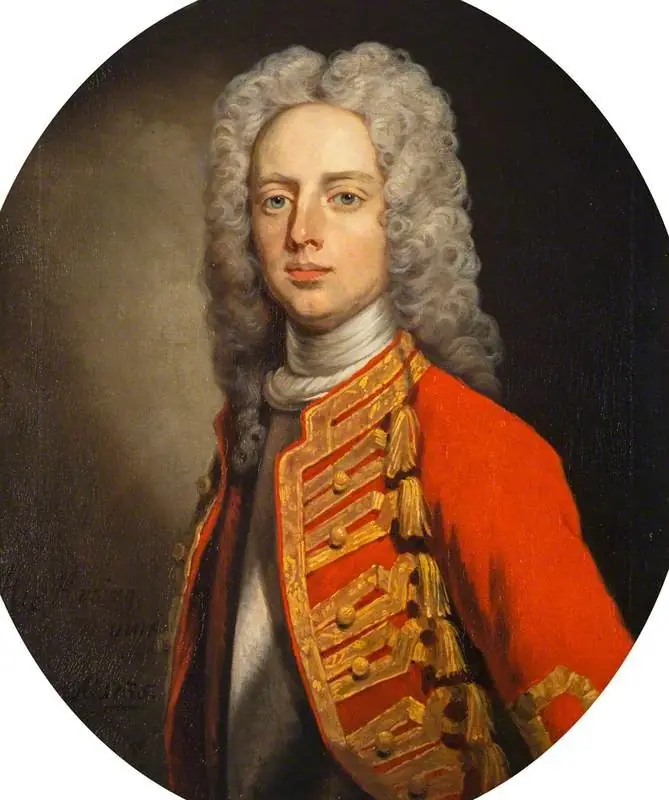 Portrait of a Man (said to be Sir Peter Halkett, 2nd Baronet of Pitfirrane, d.1755)
 Portrait of a Man, called Sir Peter Halkett, 2nd Bart of Pitfirrane (died 1755)
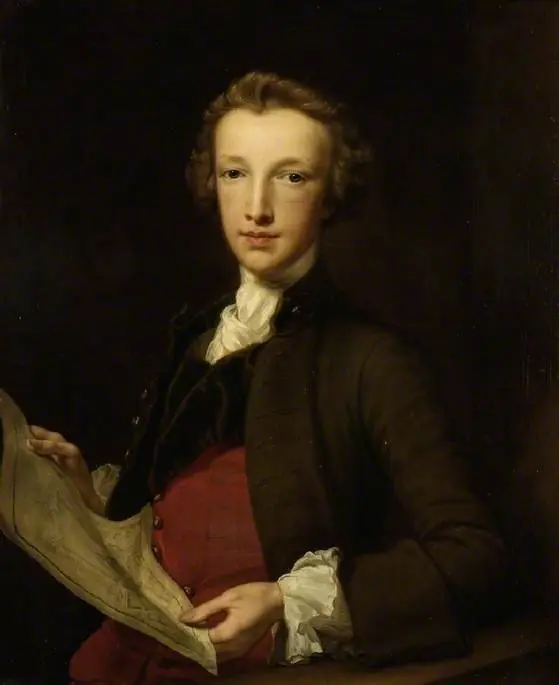 Edward Morrison
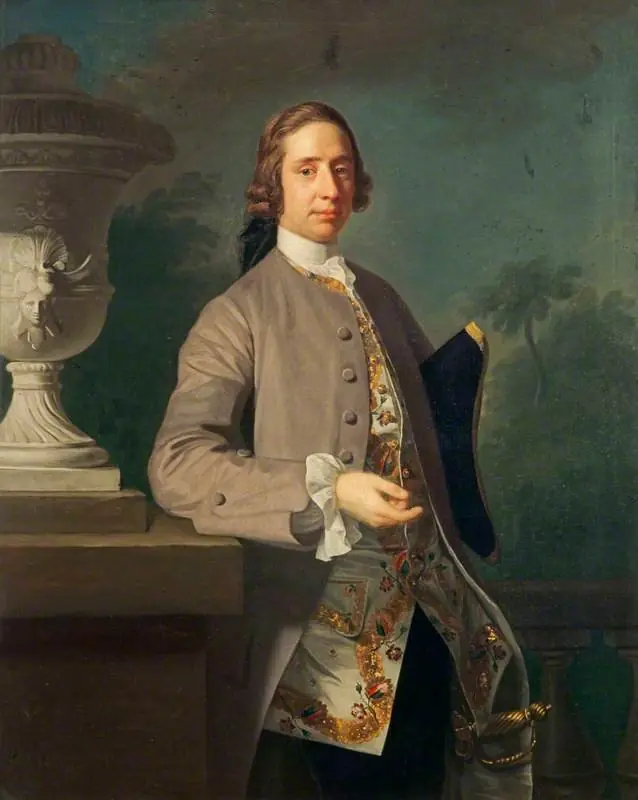 George Bristow (1727 - 1815)
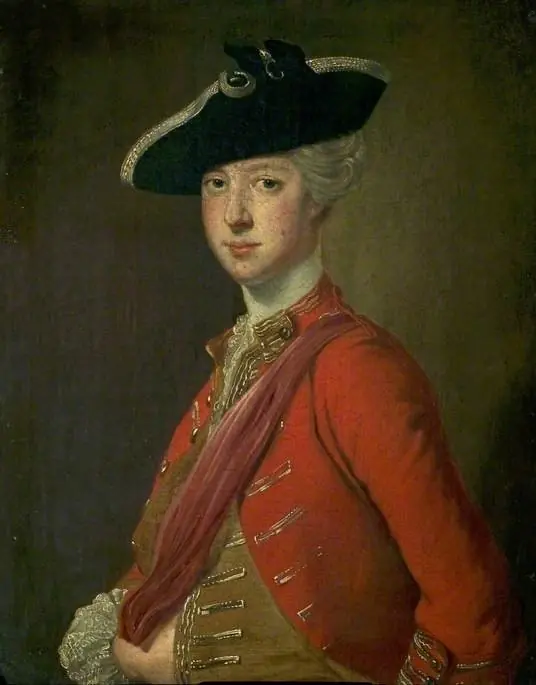 Cornet Edward Walpole (1737–1771)
 Portrait of Captain George Edgcumbe, later 1st Earl of Mount-Edgcumbe (1720-1795)
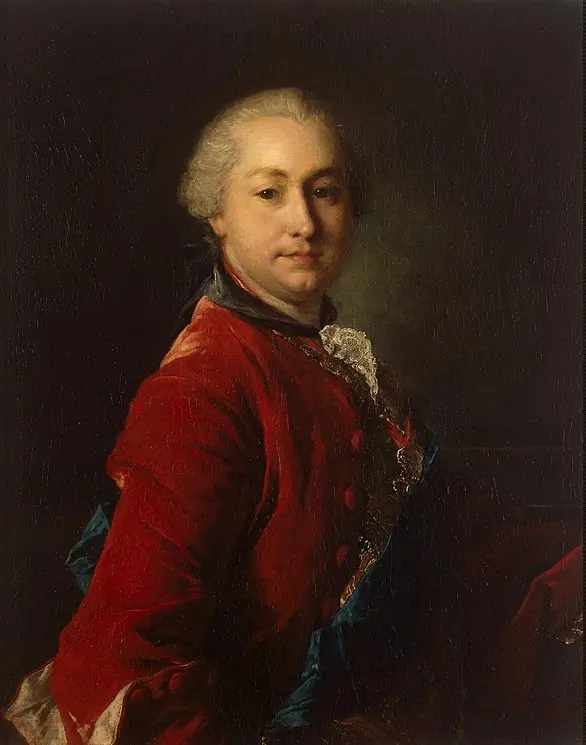 Portrait of Ivan Shuvalov
 William Fermor