Artwork
Miss Ashton
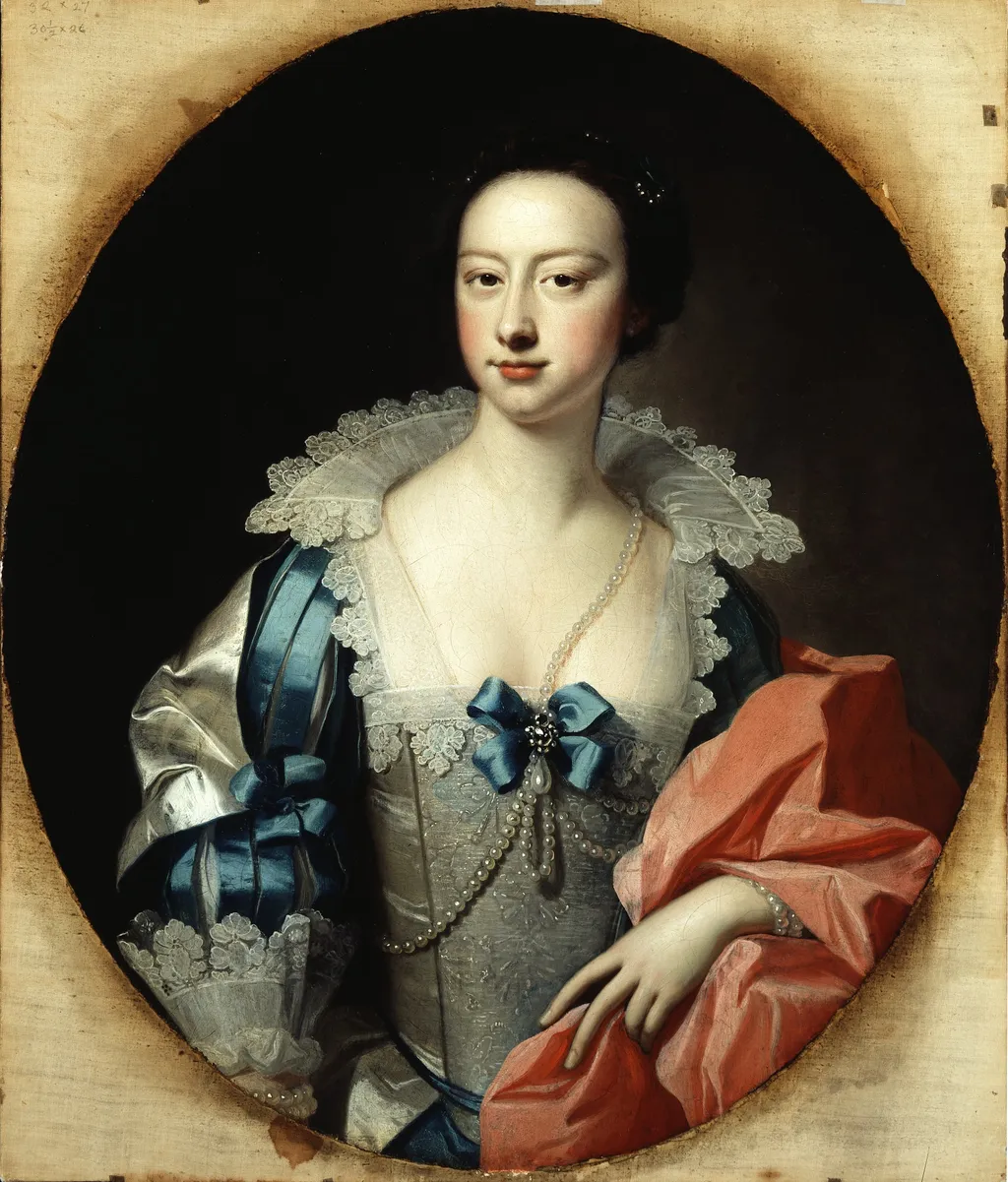
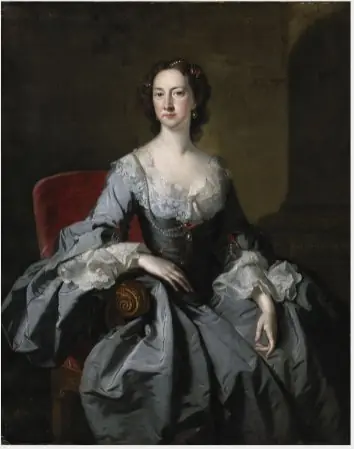
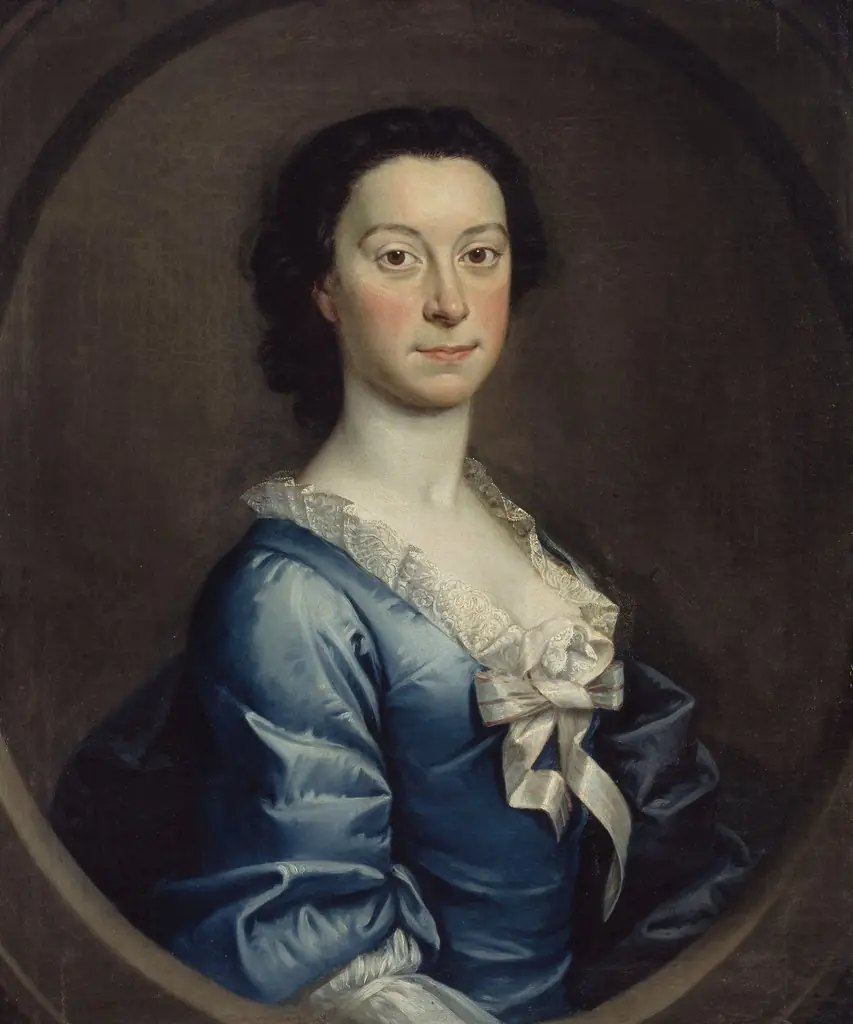
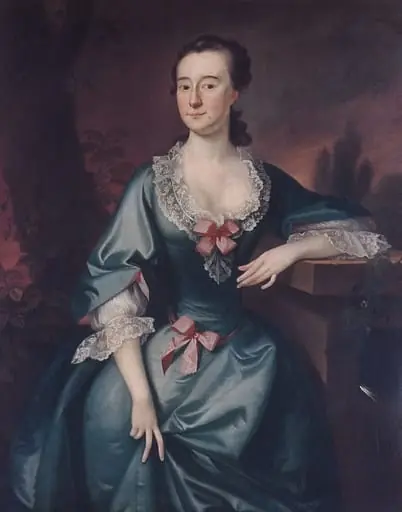
Miss Ashton is an oil painting by Thomas Hudson. It dates from 1750 and is held in the collection of the Detroit Institute of Arts.
About this work
Overview
Thomas Hudson’s portrait, titled Miss Ashton, dates to around 1750 and is executed in oil on canvas. The work belongs to the collection of the Detroit Institute of Arts, where it is displayed among other 18th‑century British portraits. The composition centers on a young woman rendered against a dark backdrop, allowing her attire and features to dominate the visual field.
Subject & Meaning
The sitter is presented with dark hair, a blue dress trimmed in white lace, and a blue ribbon at the throat. A pearl necklace and a string of pearls on the dress emphasize her genteel status, while a red piece of fabric held in her left hand adds a subtle accent. The overall pose and attire suggest a genteel portrait of a woman of means, likely intended to convey refinement and modest elegance.
Technique & Style
Hudson employs chiaroscuro to model the figure, using the deep, shadowed background to heighten the three‑dimensionality of the face and clothing.
Hudson employs chiaroscuro to model the figure, using the deep, shadowed background to heighten the three‑dimensionality of the face and clothing. The delicate rendering of the lace collar, pearl details, and the soft folds of the fabric demonstrates a careful attention to texture. The limited palette of blues, whites, and the single red accent focuses the viewer’s eye on the sitter’s expression and adornments.
History & Provenance
Created circa 1750, the painting entered the Detroit Institute of Arts’ holdings through acquisition in the 20th century, though the precise chain of ownership before its museum entry remains undocumented in public records. Its attribution to Thomas Hudson, a leading portraitist of mid‑century England, aligns with his known practice of depicting fashionable sitters in restrained, elegant compositions.
Artist & collection

 Mrs. Joseph Warren (Elizabeth Hooton)
 Possible Portrait of Hester Vanhomrigh ('Vanessa') (1690-1723)
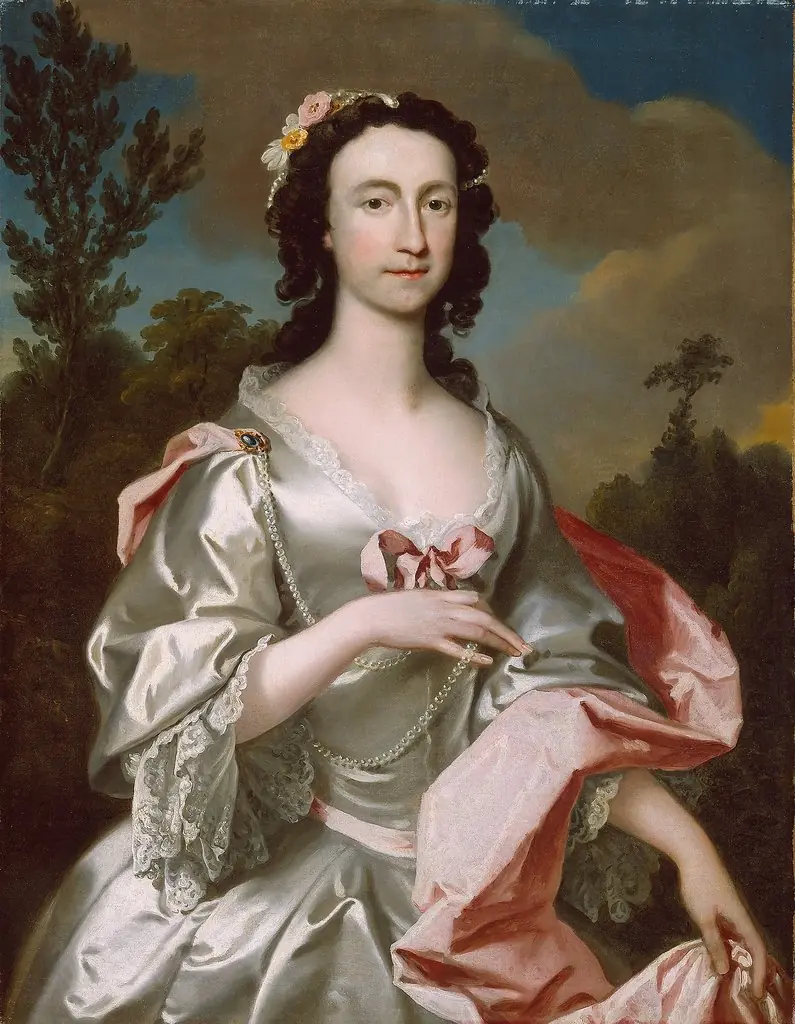 Mrs. Freeman Flower
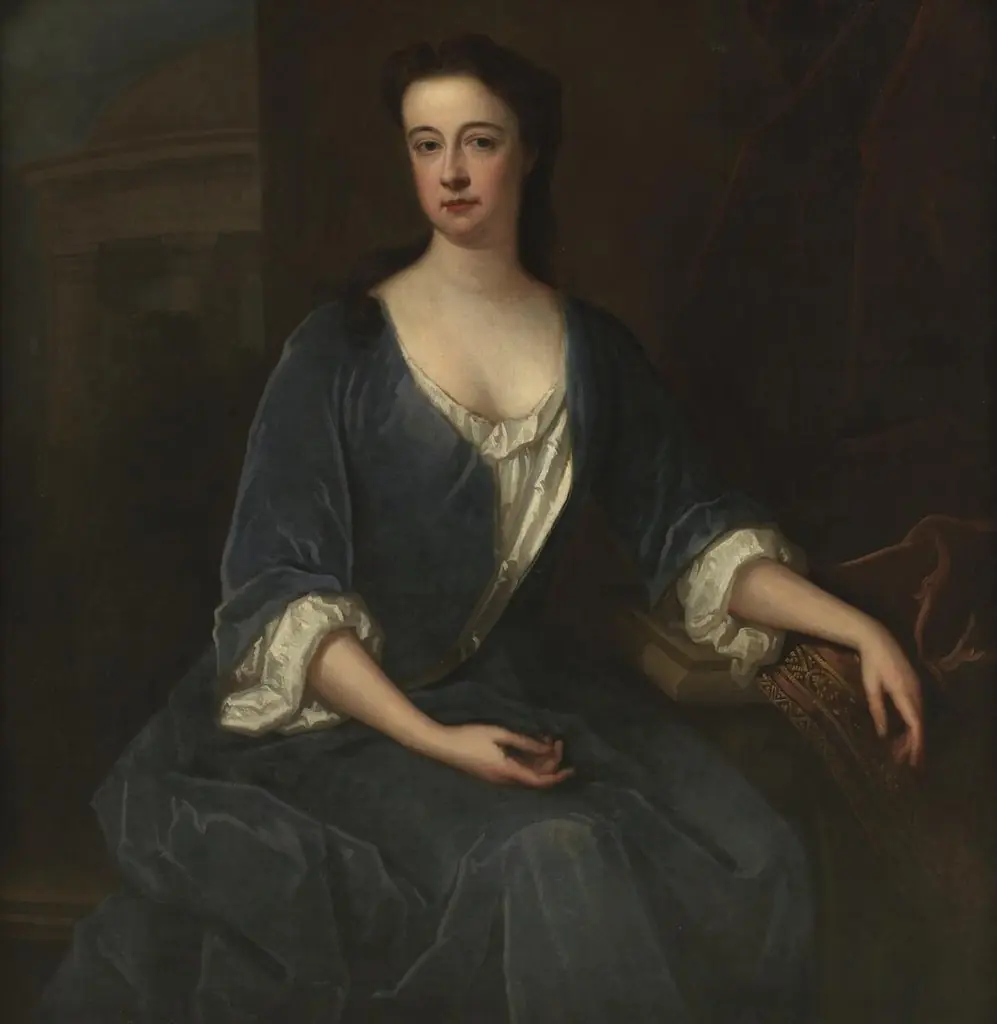 Barbara, Countess of Pembroke & Mont
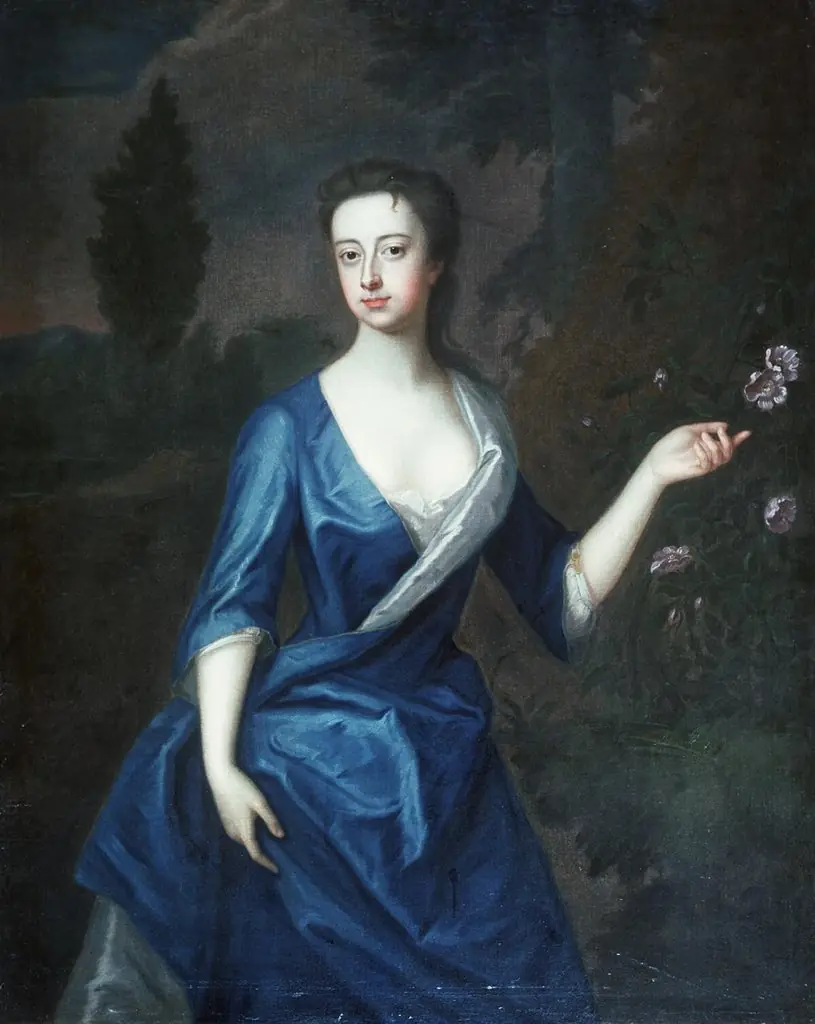 Miss Mary Middleton, Plas Newydd, Wrexham
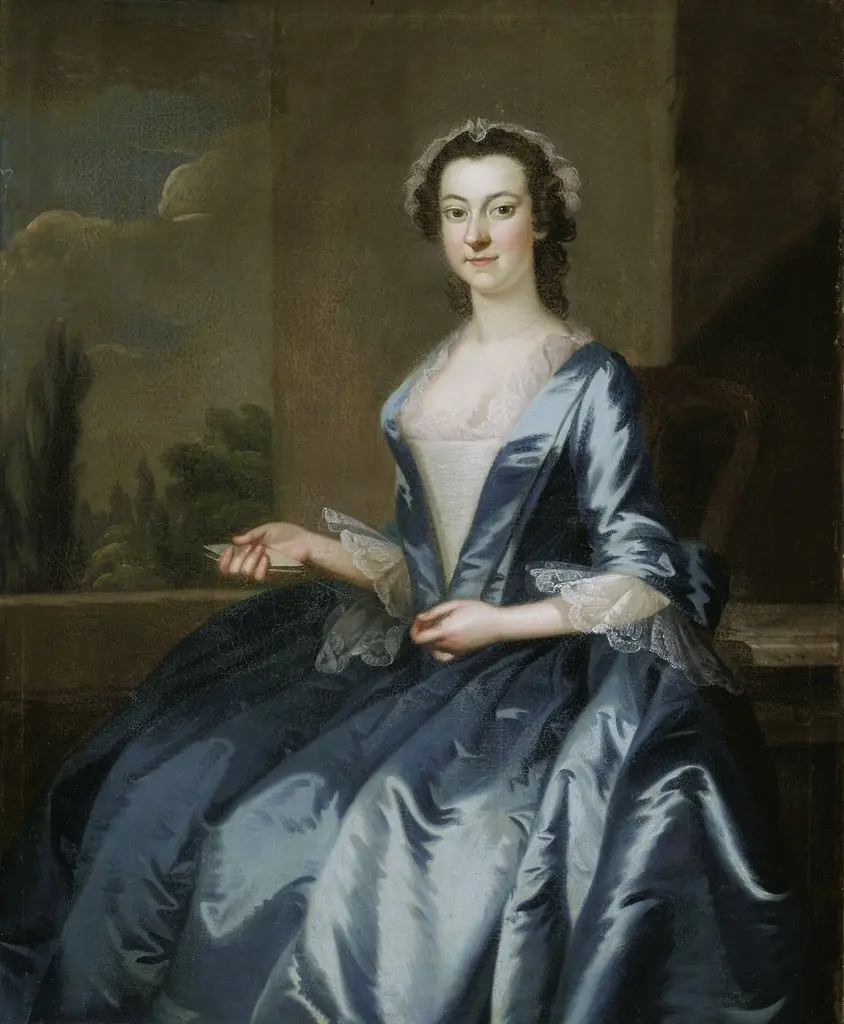 Portrait of a Woman
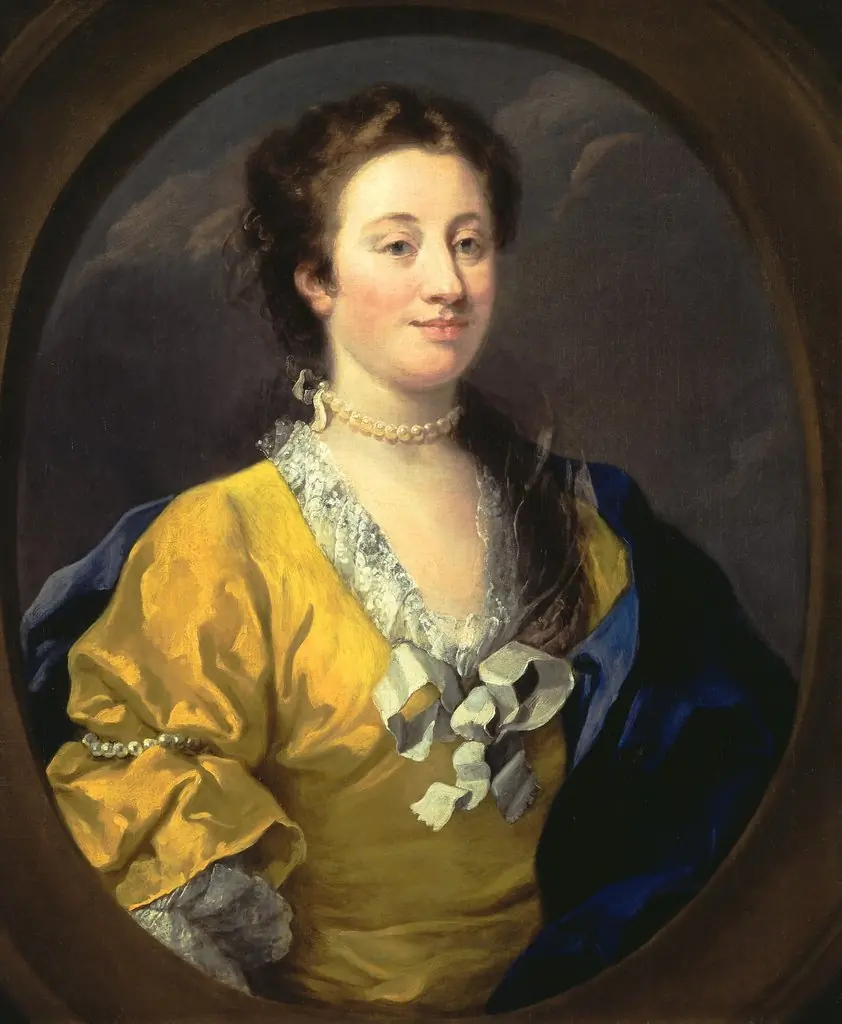 Portrait of a Lady
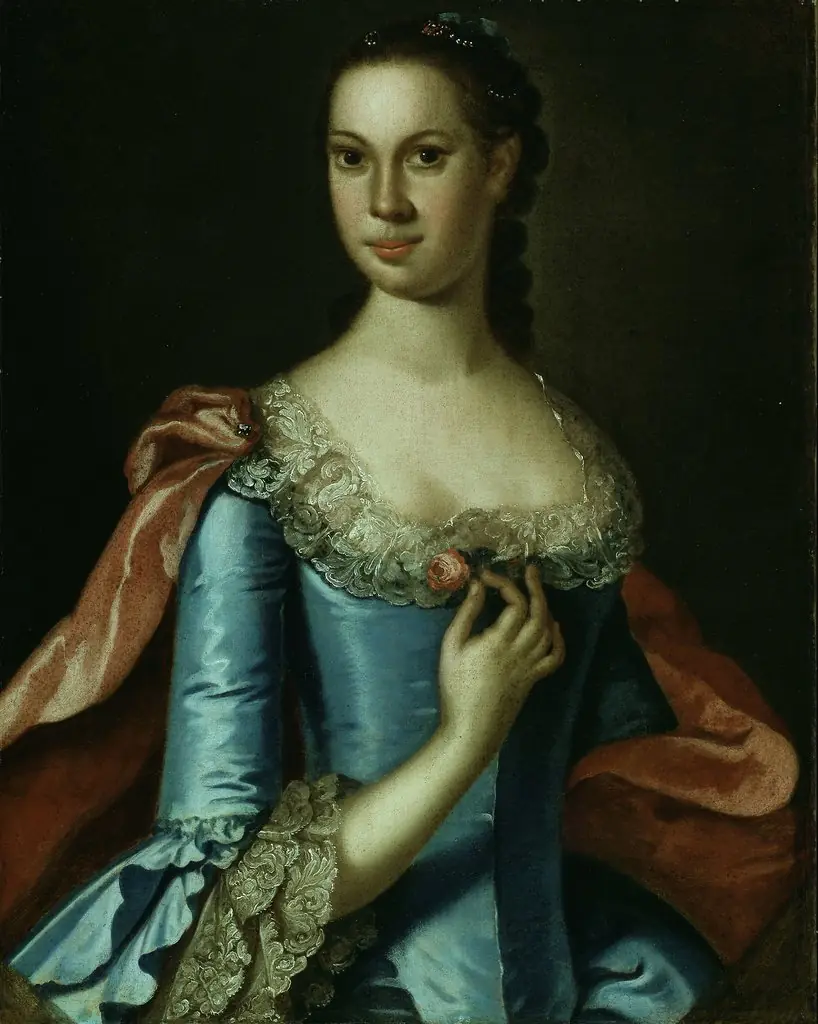 Mrs. William Carmichael
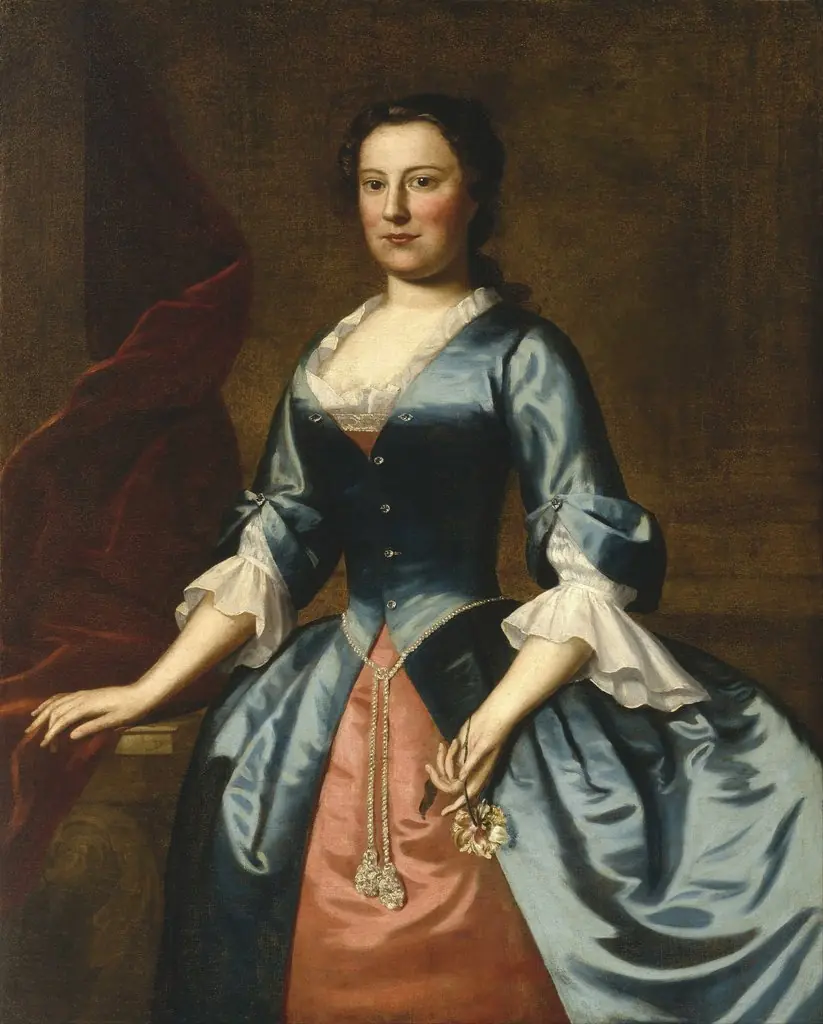 Portrait of Mrs. Samuel McCall, Sr. (Anne McCall, 1720–1785)
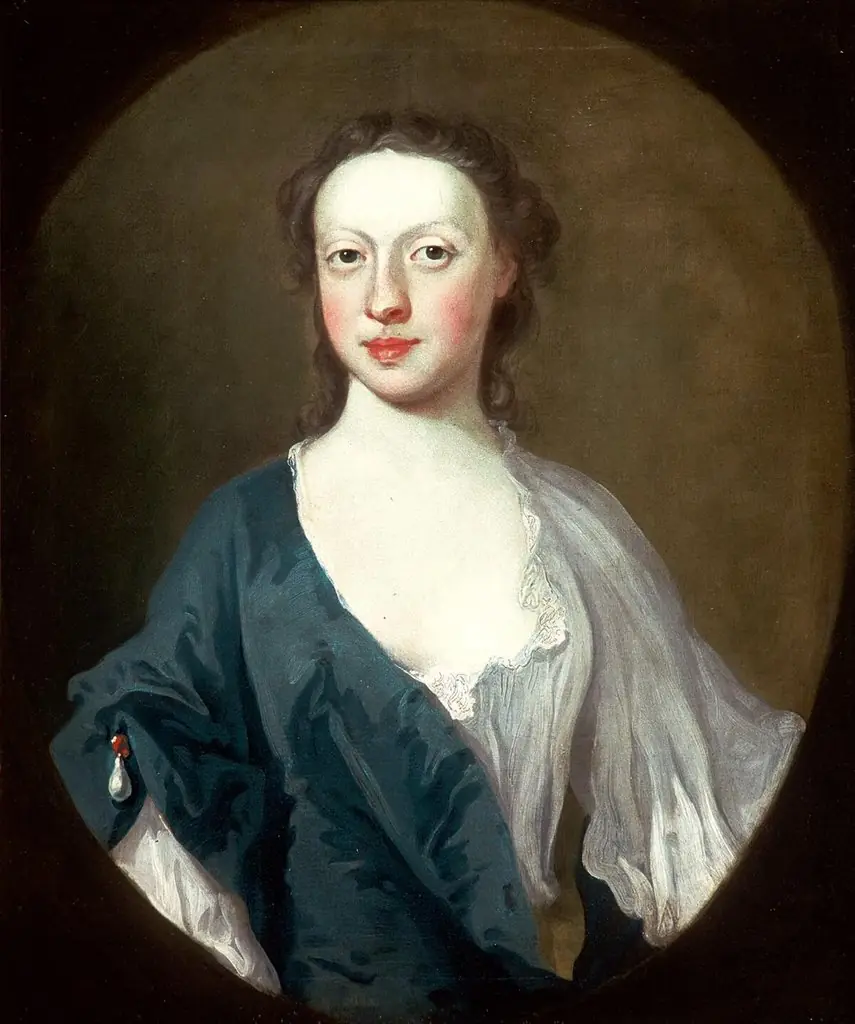 Ann Lloyd of Bryn Lluarth, Denbighshire
 Mrs. David Chesebrough
 Portrait of a Woman