Artwork
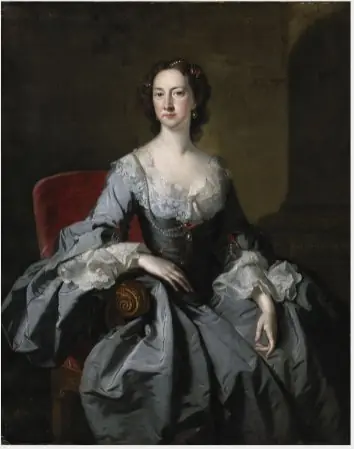
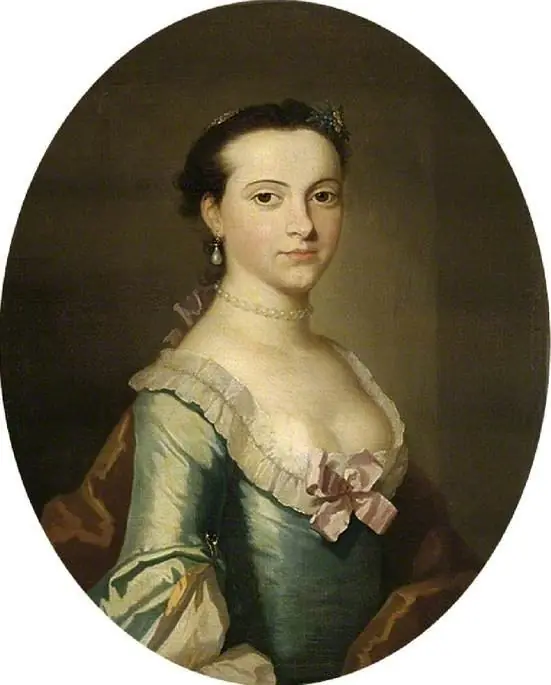
Portrait of an Unknown Woman (possibly Laura Walpole)
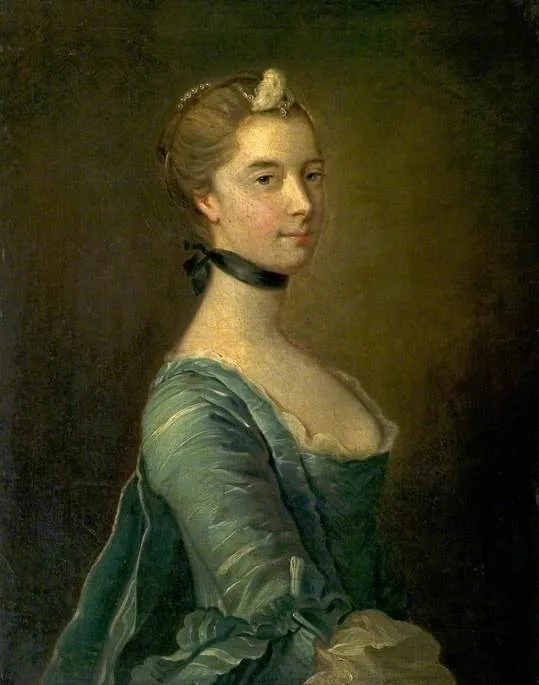
Portrait of an Unknown Woman (possibly Laura Walpole) is an oil painting by the Rococo painting artist Thomas Hudson. It dates from 1757 and is held in the collection of the Derby Museum and Art Gallery.
About this work
Overview
The work is part of the collection at Derby Museum and Art Gallery.
Painted in 1757 by Thomas Hudson, this oil portrait depicts a woman whose identity remains uncertain, though she has been tentatively identified as Laura Walpole. The work is part of the collection at Derby Museum and Art Gallery. Rendered with quiet precision, the painting captures a moment of stillness, emphasizing the sitter’s poise and presence through controlled composition and subtle lighting.
Subject & Meaning
The woman is portrayed with a composed, direct gaze that invites quiet engagement rather than theatrical display. Her attire—a blue gown with long sleeves and a low neckline—suggests fashionable modesty, while the small white bird perched on her hair may symbolize fidelity or delicacy, common motifs in 18th-century portraiture. Her expression, neither smiling nor stern, conveys dignity and introspection, aligning with ideals of refined femininity of the period.
Technique & Style
Hudson employed oil paint to achieve a smooth, lifelike surface, with soft transitions between tones and fine attention to texture in fabric and skin. The dark, unmodeled background isolates the figure, enhancing her three-dimensionality. The brushwork is restrained, avoiding flourish in favor of clarity and balance, reflecting Hudson’s training in the English tradition of portraiture that prioritized likeness over ornamentation.
History & Provenance
The painting entered the Derby Museum and Art Gallery’s collection through documented acquisitions in the 19th or early 20th century. Its attribution to Thomas Hudson is supported by stylistic parallels with his other works from the 1750s. While the sitter’s identity as Laura Walpole is speculative, based on family records and resemblance to other portraits, no definitive documentation confirms it, leaving the subject’s name open to scholarly interpretation.
Context
Created during the height of Hudson’s career as a London portraitist, this work reflects the tastes of the British gentry who sought refined, understated likenesses. The inclusion of symbolic elements like the bird aligns with broader trends in mid-18th-century portraiture, where personal meaning was subtly encoded. Hudson’s clientele often included families connected to politics and commerce, suggesting the sitter may have belonged to a rising professional class.
Legacy
Though not widely exhibited outside regional collections, the portrait remains a representative example of Hudson’s skill in capturing quiet individuality. It contributes to the understanding of how women’s identities were visually constructed in Georgian England—not through grandeur, but through restraint, detail, and psychological nuance. The work continues to be studied for its technical execution and its ambiguous narrative.
Artist & collection

 Portrait of a Woman
 Mrs. Susannah Hope
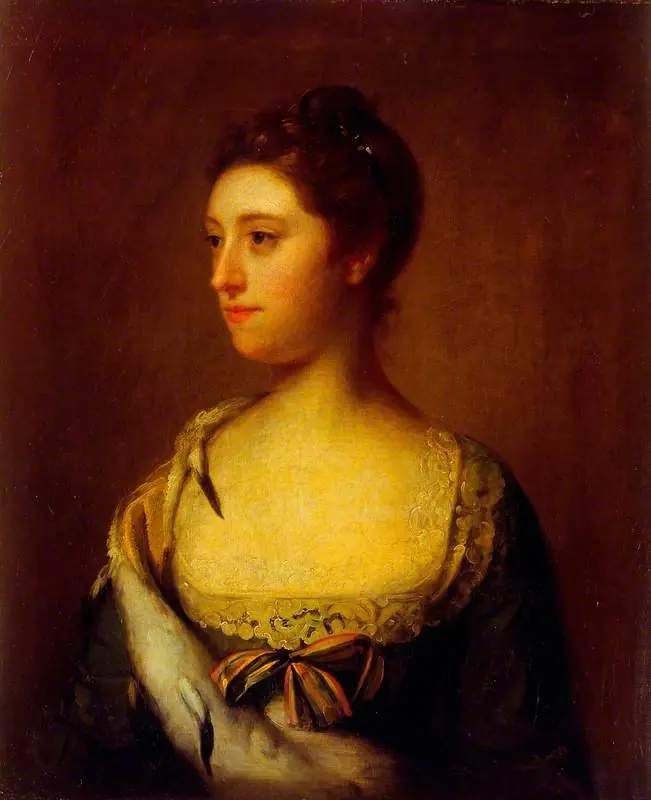 Mrs Everard
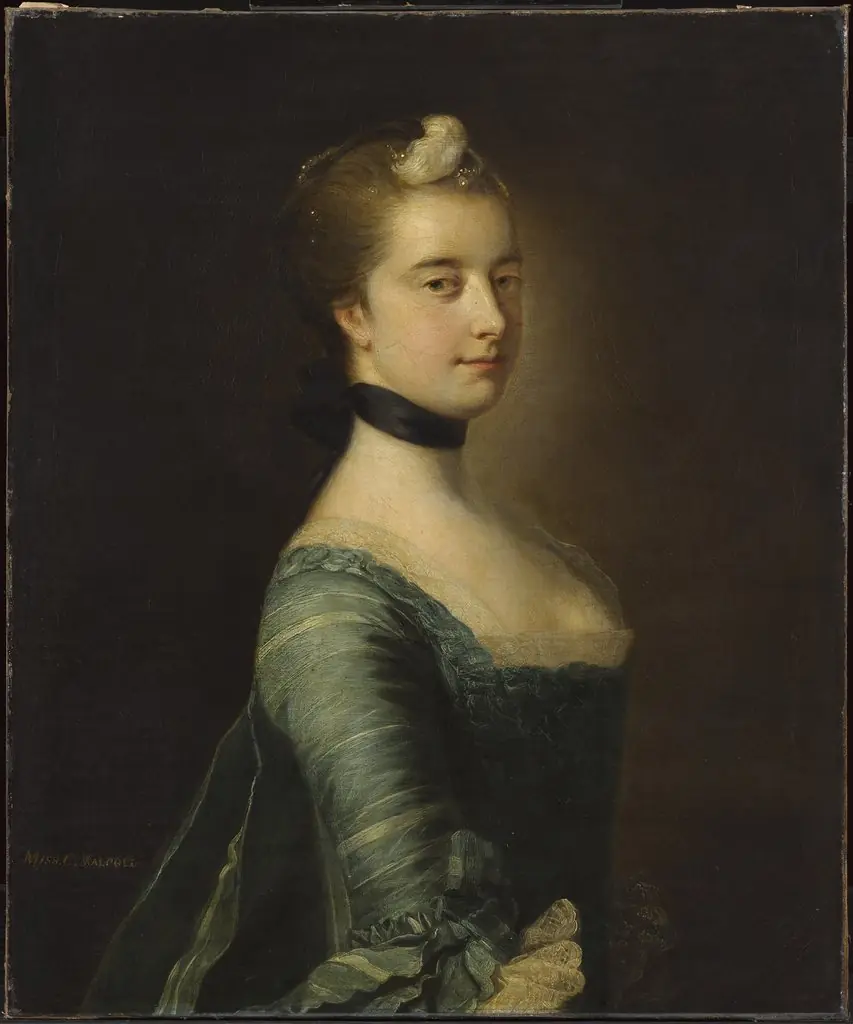 Miss Walpole, Afterwards the Hon. Mrs. Keppel (one of pair)
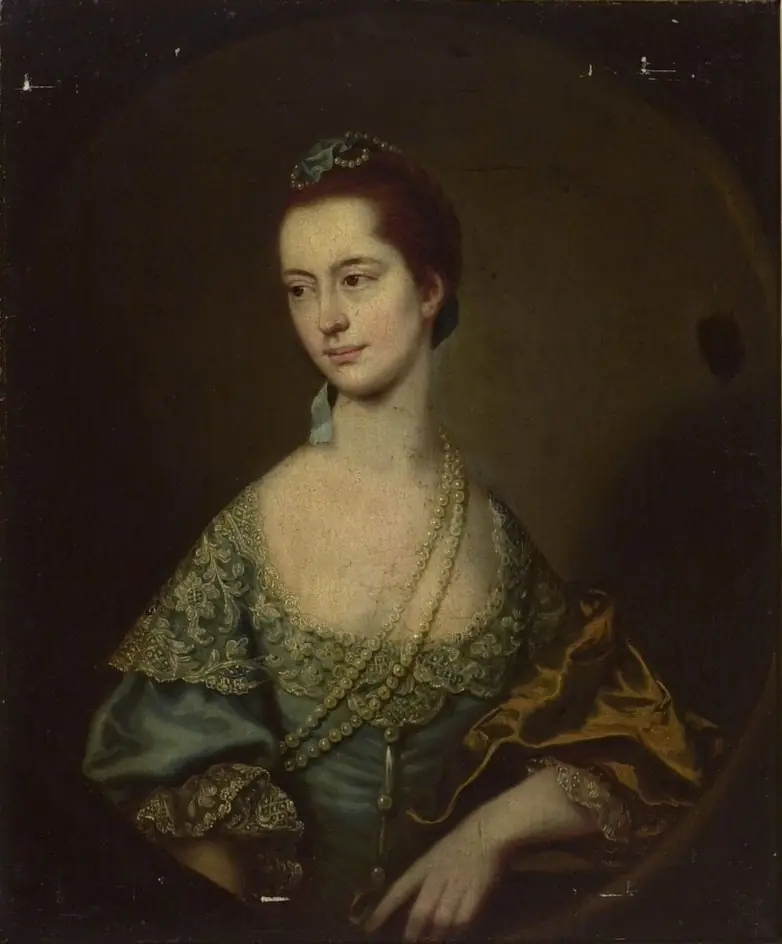 Frances Kinderley, Wife of James Smith, Junior
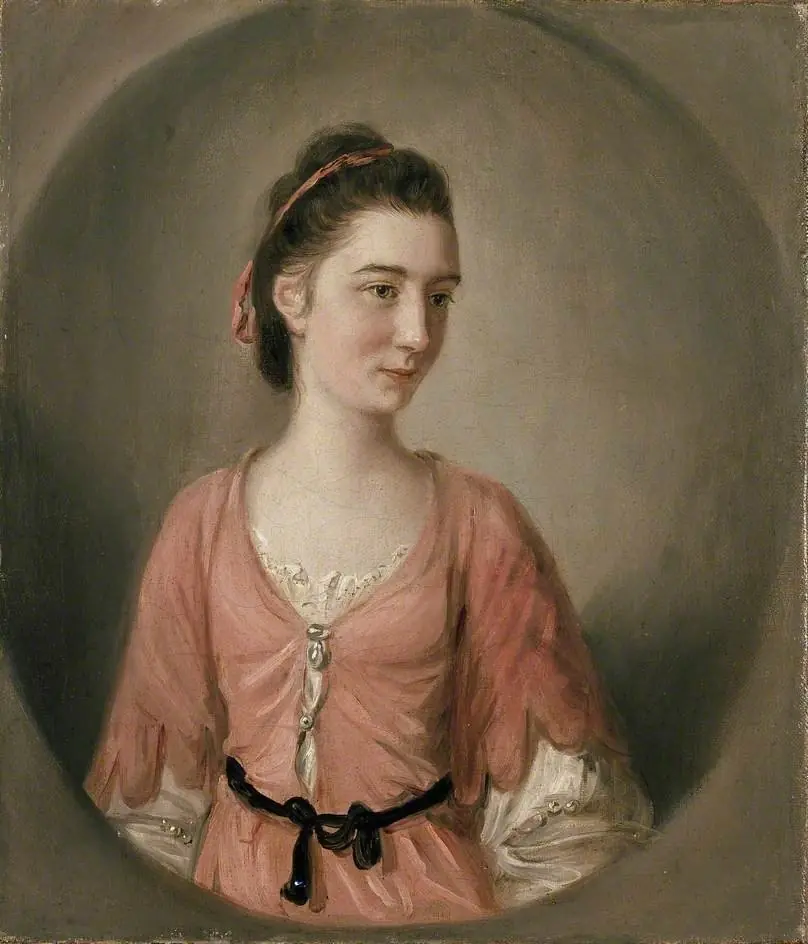 Portrait of a young Lady in a pink Dress
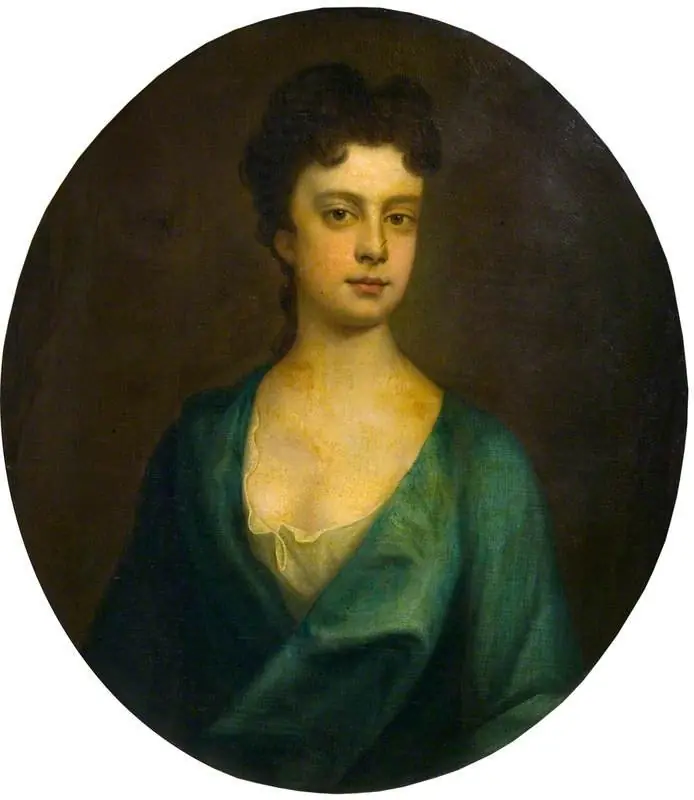 Portrait of a Lady
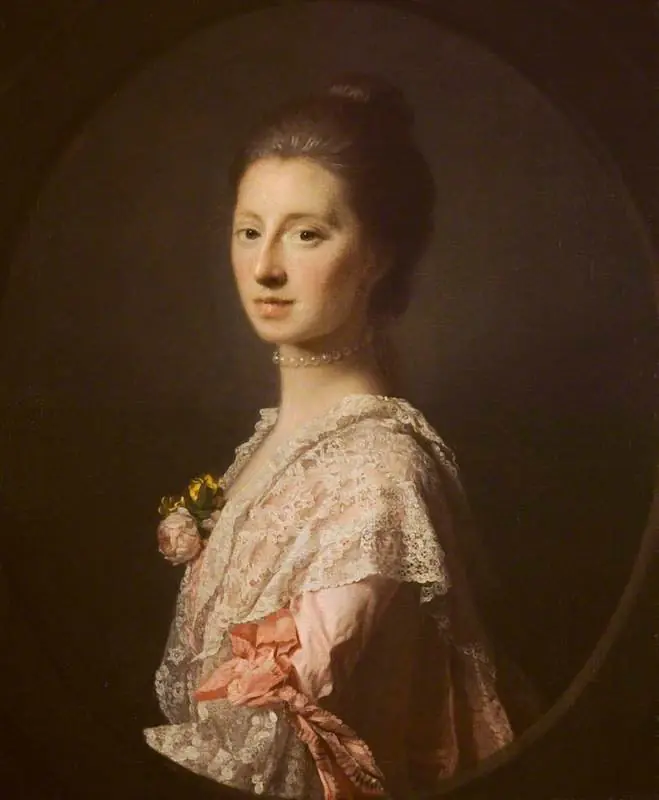 Mrs Anna Bruce of Arnot (died 1810)
 Portrait of a Lady
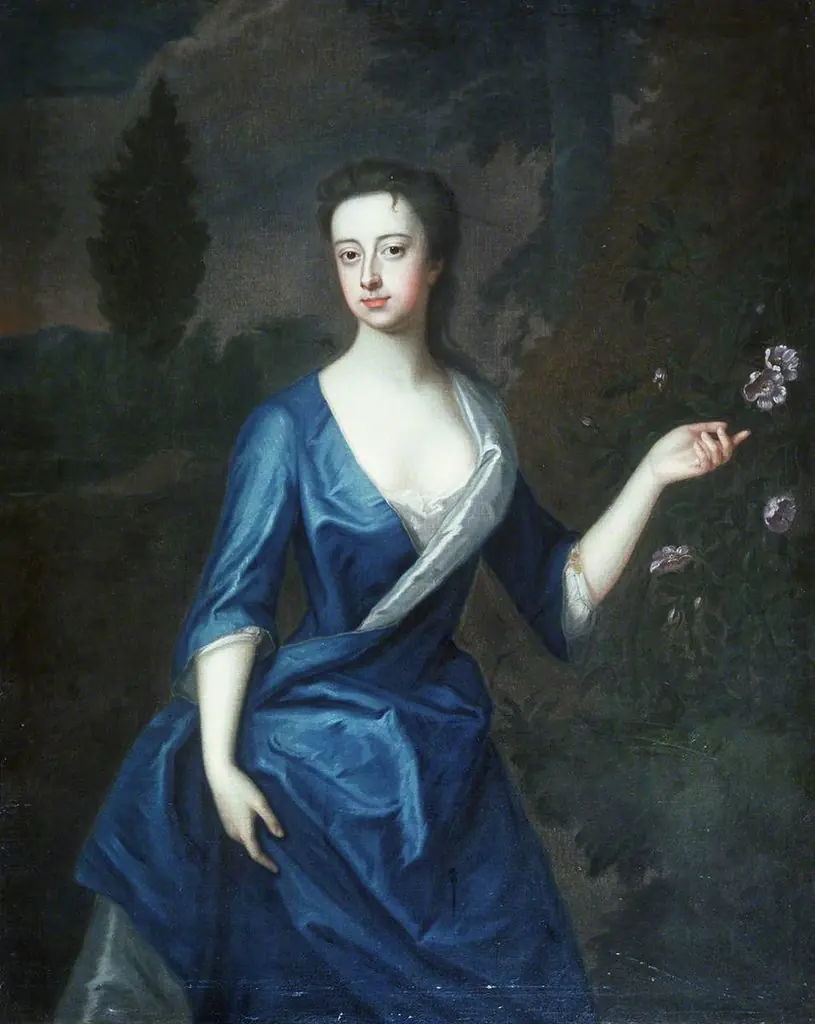 Miss Mary Middleton (1688–1747), of Plas Newydd, Wrexham