Artwork
Mrs Everard
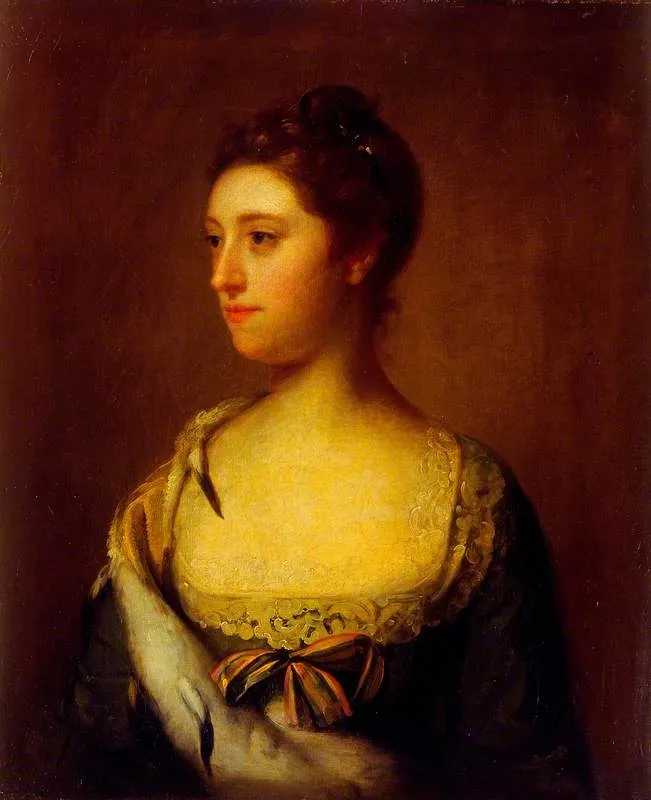
Mrs Everard is an oil painting by the Rococo painting artist Allan Ramsay. It dates from 1770 and is held in the collection of the Victoria and Albert Museum.
About this work
To learn more about the technique used in this painting, look up chiaroscuro.
The painting is a portrait of a woman. She is wearing a dark dress with a lace trim and a bow at the waist. The background is a solid color, and the lighting is soft.
The woman's face is the main focus of the painting. She is looking to the left, and her expression is calm. Her hair is pulled back, and she is wearing a small decoration on her head.
The painting is a portrait of Mrs Everard, painted by Allan Ramsay in 1770. It is held at the Victoria and Albert Museum. To learn more about the technique used in this painting, look up chiaroscuro.
Overview
Painted in 1770 by Allan Ramsay, this oil portrait depicts Mrs Everard, a woman of modest social standing. The work is part of the Victoria and Albert Museum’s collection, where it is preserved as an example of 18th-century British portraiture. Its restrained composition and focus on the sitter reflect the period’s preference for dignified, intimate representations over grandeur.
Subject & Meaning
Mrs Everard is portrayed with quiet composure, her gaze directed slightly to the left, suggesting contemplation rather than engagement with the viewer. Her attire—a dark dress with lace detailing and a bow at the waist—indicates refinement without ostentation. The absence of symbolic objects or elaborate settings emphasizes her personal presence, aligning with a growing trend toward individual character over social status in portraiture.
Technique & Style
Ramsay employed soft, diffused lighting to model the sitter’s face and hands, drawing attention to her expression and texture of fabric. The background is uniformly muted, eliminating distractions. Subtle chiaroscuro enhances the three-dimensionality of her features without dramatic contrast, reflecting a refined, restrained approach typical of his later work and the transition toward Neoclassical sensibilities.
History & Provenance
The painting entered the Victoria and Albert Museum’s collection through established institutional acquisitions of 18th-century British art. While its early ownership history is not fully documented, its preservation suggests it was valued within private collections before public acquisition. Its survival in good condition reflects careful handling and consistent recognition of Ramsay’s significance in British art.
Context
Created during a period when British portraiture was shifting from aristocratic grandeur to more personal, middle-class representations, this work aligns with Ramsay’s role in documenting emerging social norms. Unlike formal court portraits, it captures a private moment, reflecting broader cultural changes in how identity and gentility were visually expressed outside the nobility.
Legacy
Though not among Ramsay’s most celebrated works, this portrait contributes to the understanding of his later style—calm, precise, and emotionally restrained. It exemplifies how portraiture evolved to prioritize psychological presence over heraldic display, influencing subsequent generations of British artists who sought authenticity in everyday subjects.
Artist & collection

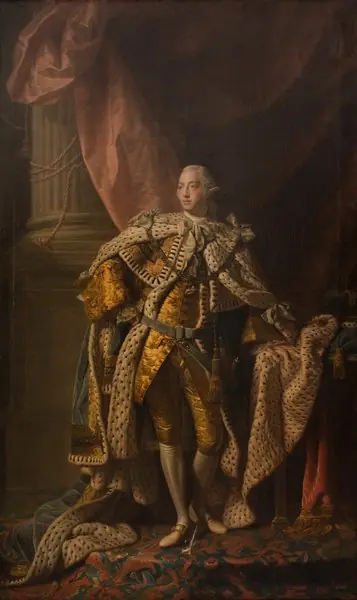 George III of England
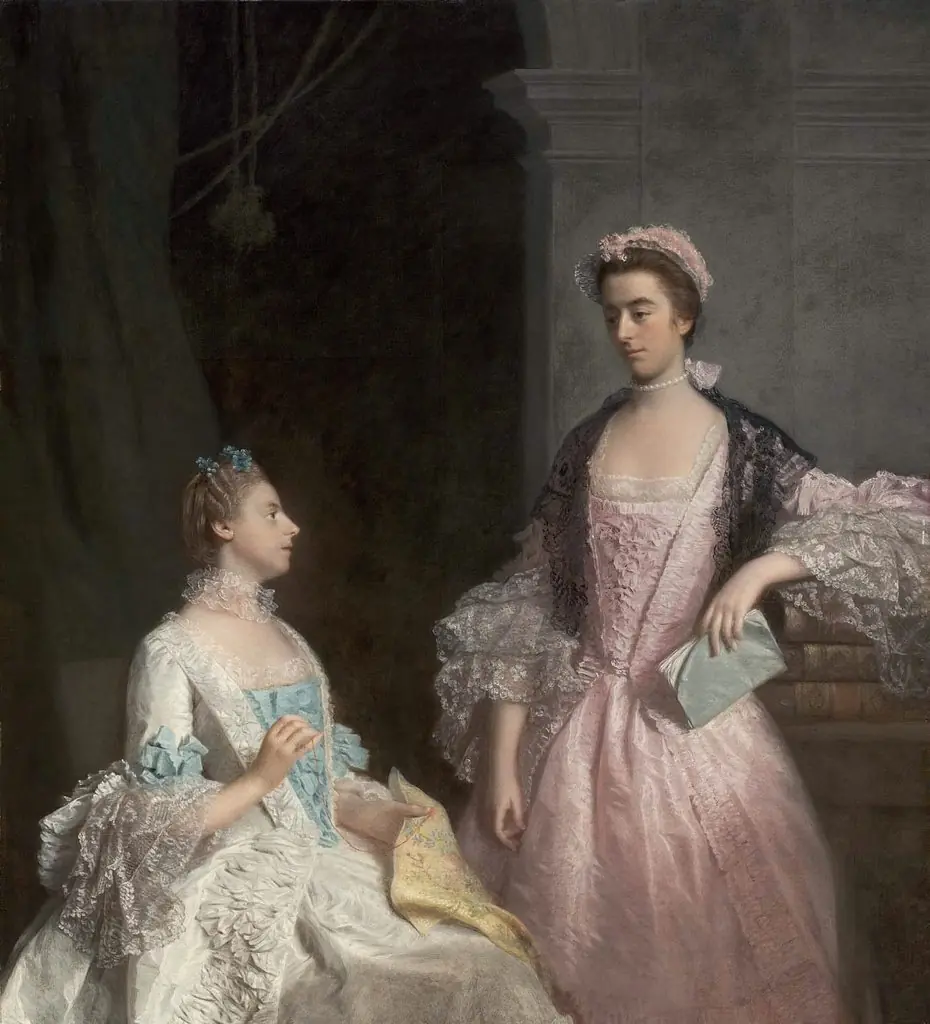 Portrait of Horace Walpole's Nieces: The Honorable Laura Keppel and Charlotte, Lady Huntingtower
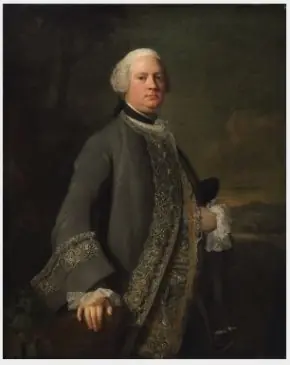 Portrait of Sir John Tyrell, Bt.
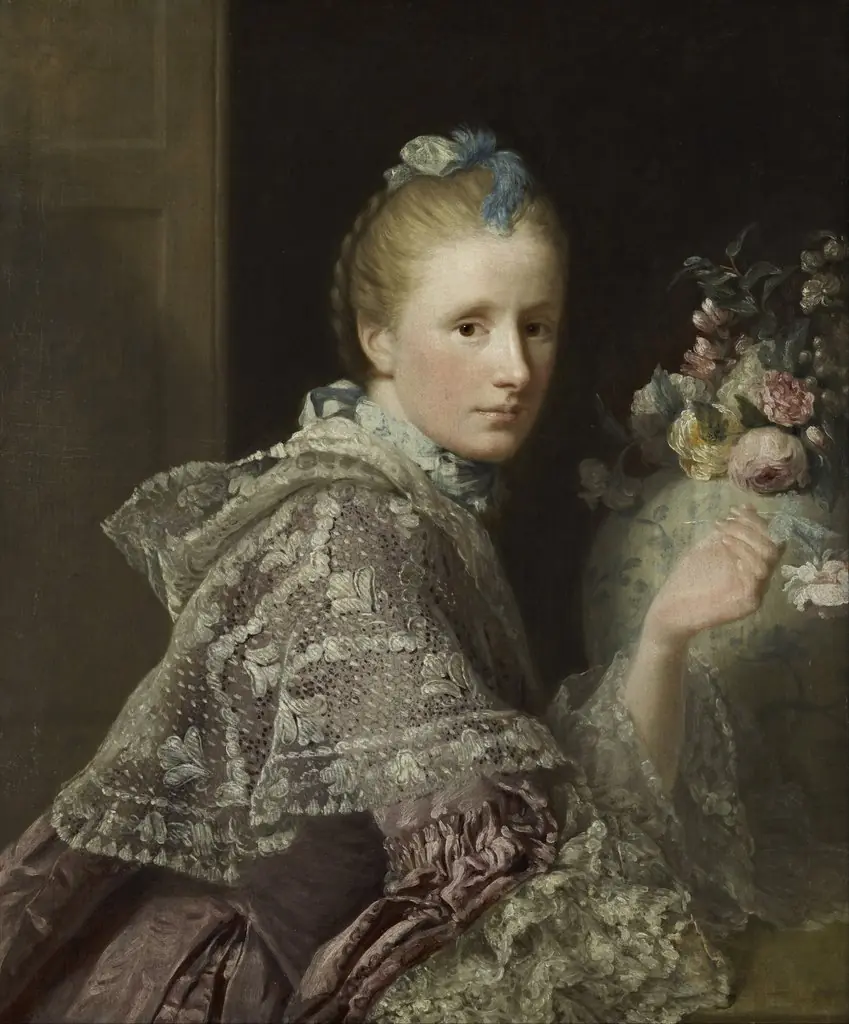 The Artist's Wife: Margaret Lindsay of Evelick
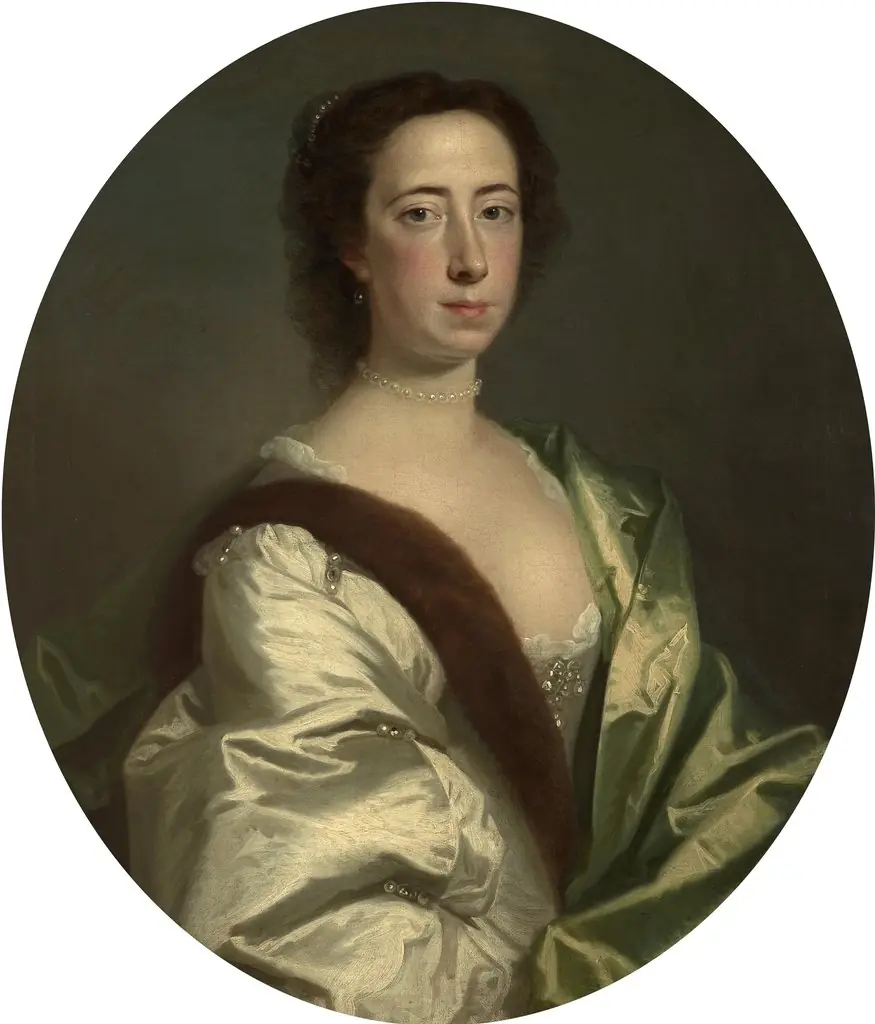 Lady Lucy Manners, Duchess of Montrose (1717 - 1788)
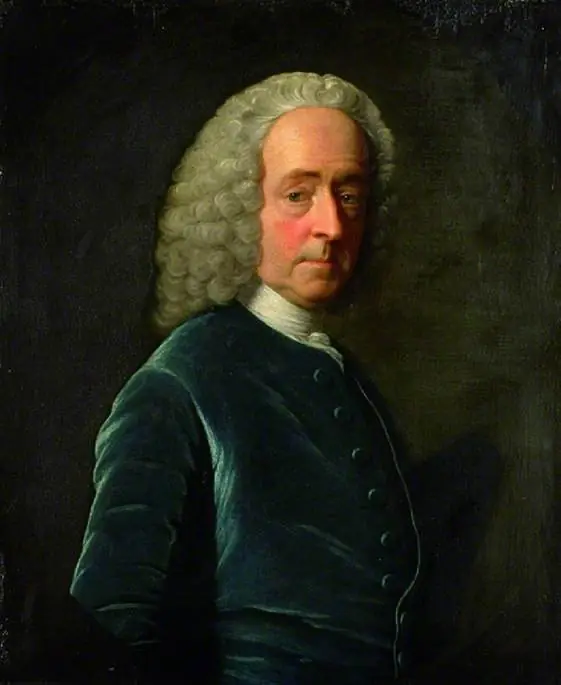 Portrait of James Haughton Langston
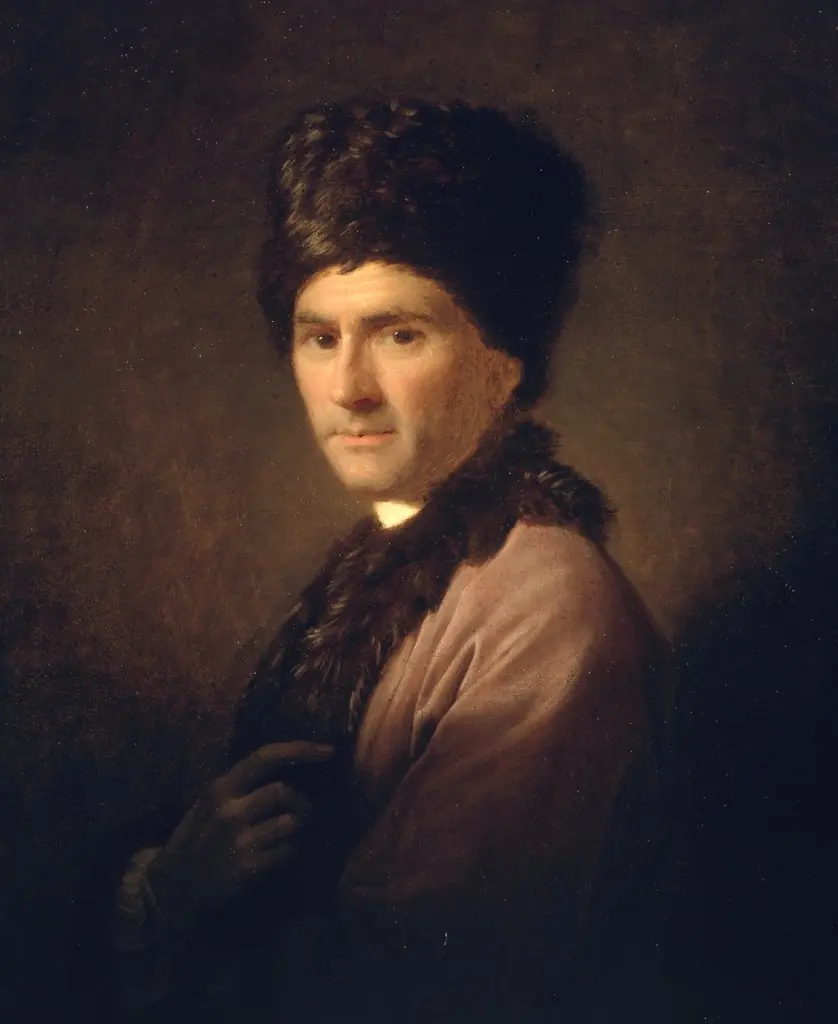 Jean-Jacques Rousseau
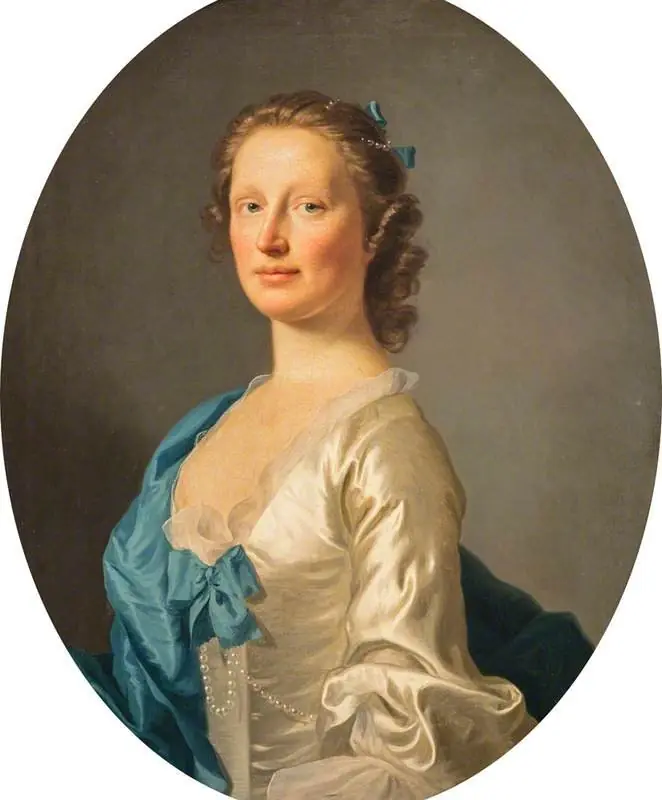 Portrait of a Lady, formerly called Flora Macdonald
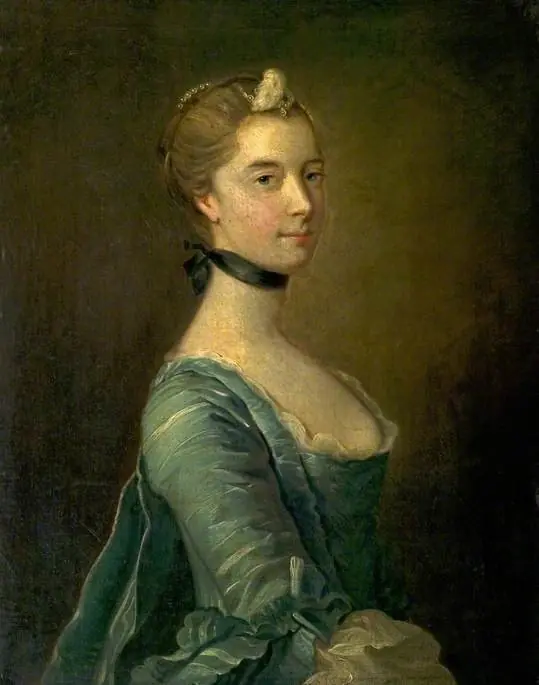 Portrait of an Unknown Woman (possibly Laura Walpole)
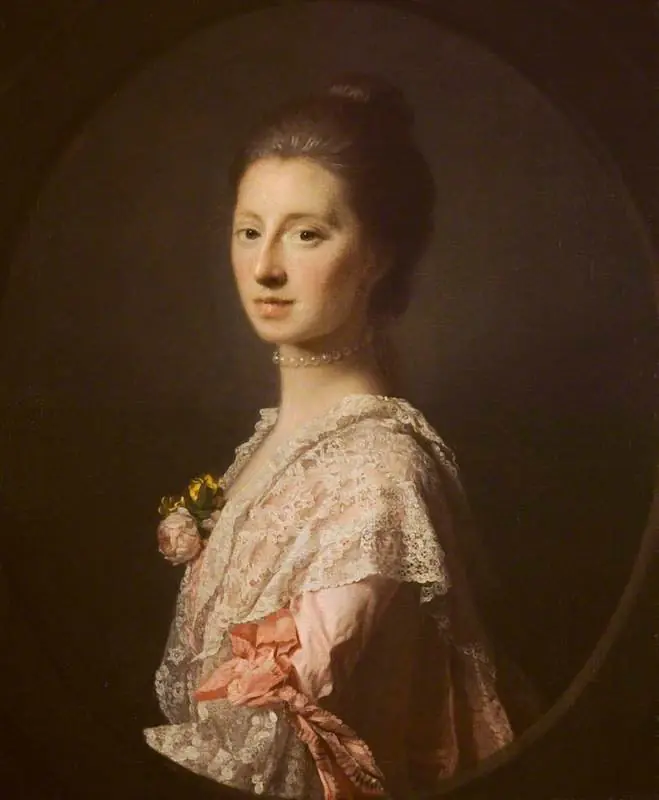 Mrs Anna Bruce of Arnot (died 1810)
 Portrait of an Unknown Woman
 Portrait of a young Lady in a pink Dress
 Mary Barnardiston (1730–1760)
 Porträt der Elizabeth Rothmahler
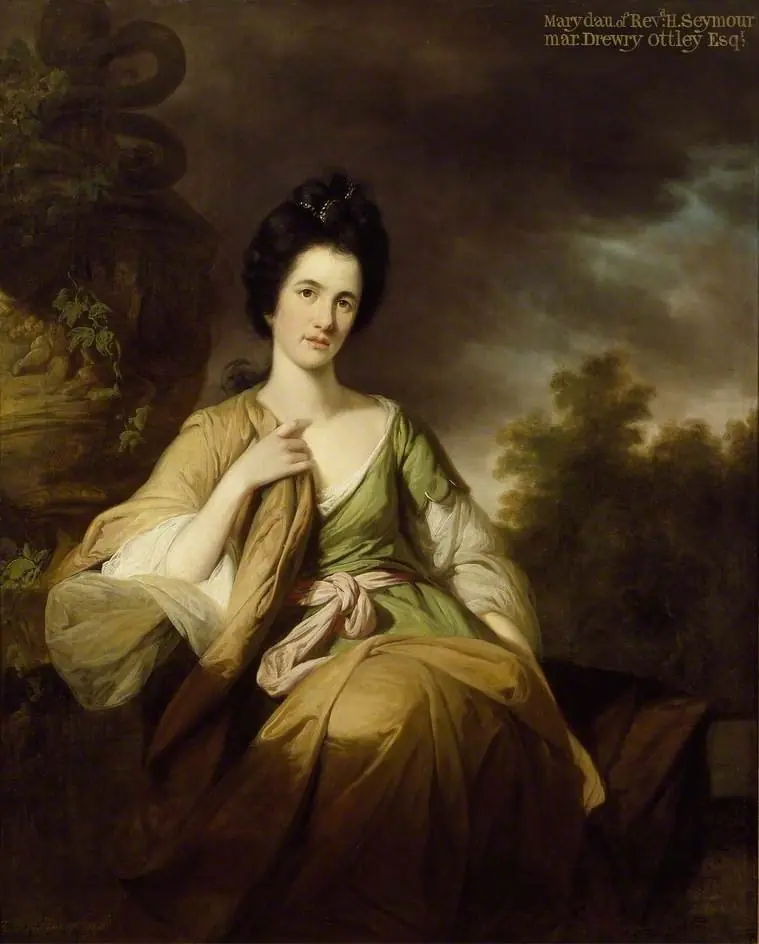 Mrs Drewry Ottley
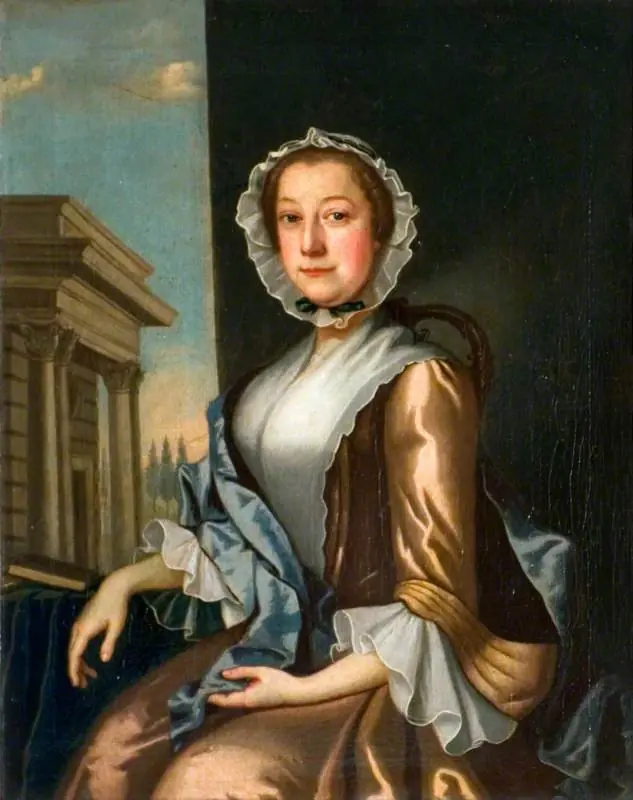 Elizabeth (1727–1782), Wife of Thomas Nickleson
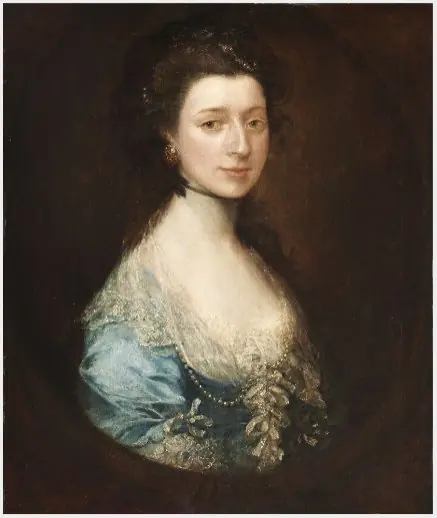 Portrait of Mrs King (née Spence)
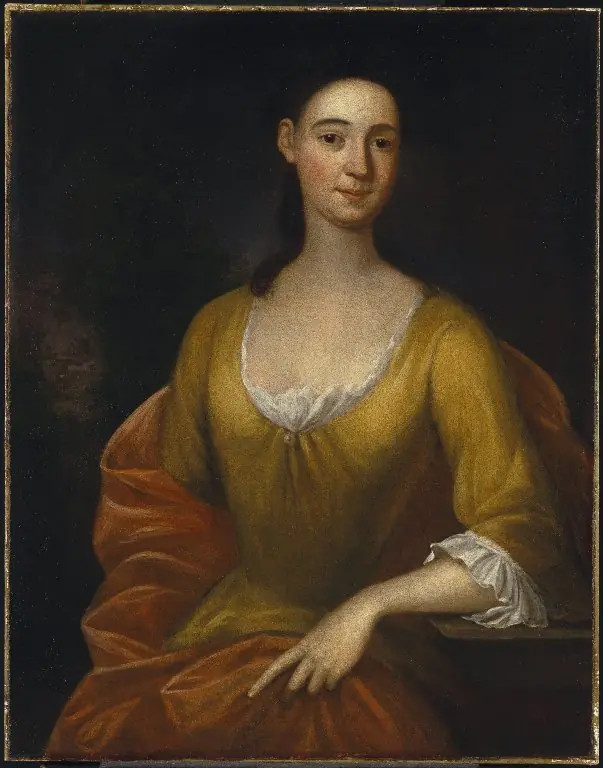 Portrait of a Woman