Artwork
John Shute Duncan
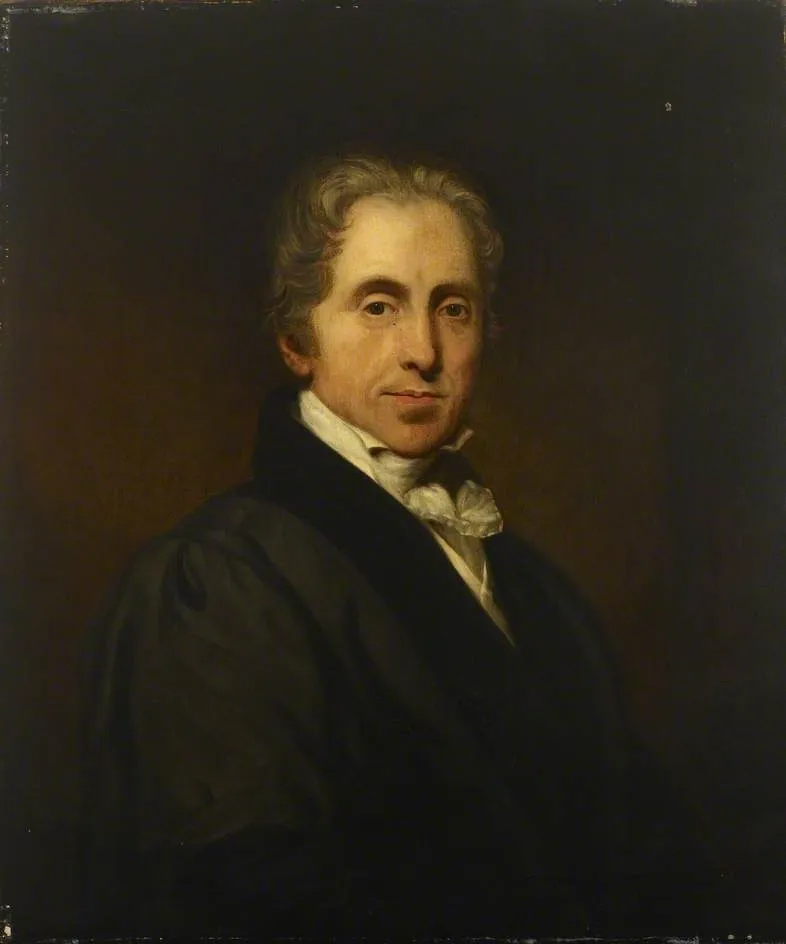
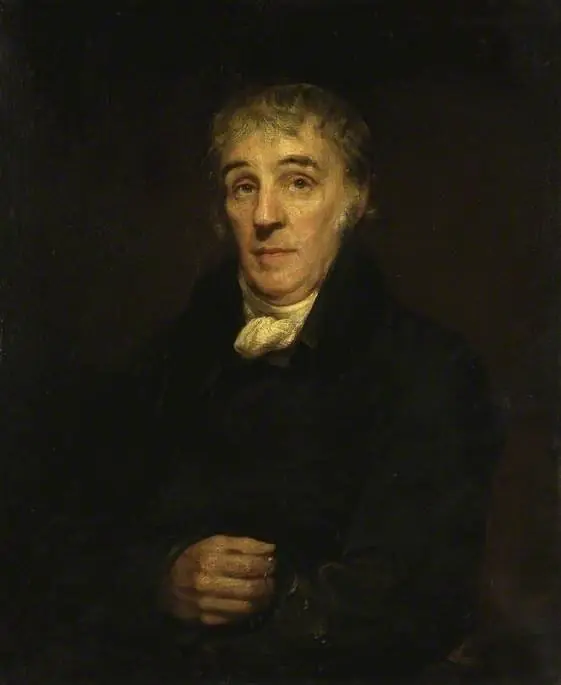
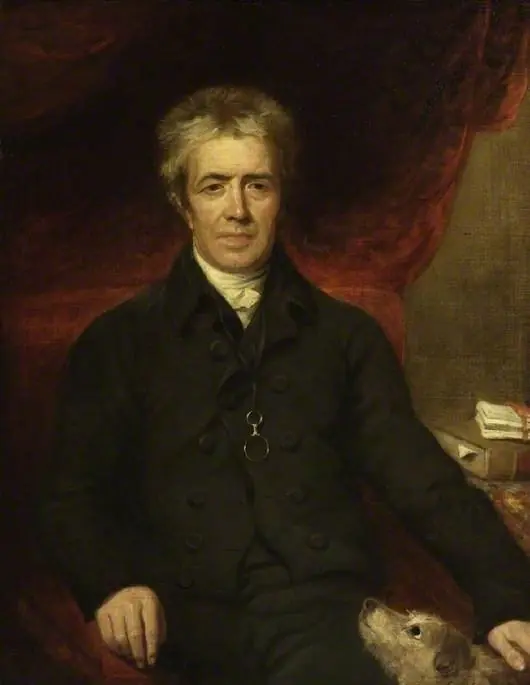
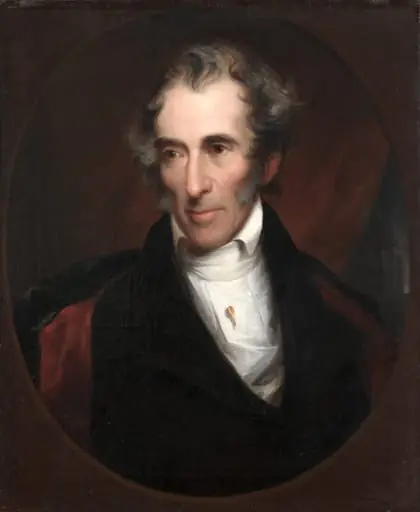
John Shute Duncan is an oil painting by Thomas Kirkby. It dates from 1821 and is held in the collection of the Ashmolean Museum.
About this work
Overview
John Shute Duncan is an oil painting created by British artist Thomas Kirkby around 1821. The work is a portrait of its namesake, John Shute Duncan, and is currently part of the Ashmolean Museum's collection.
Subject & Meaning
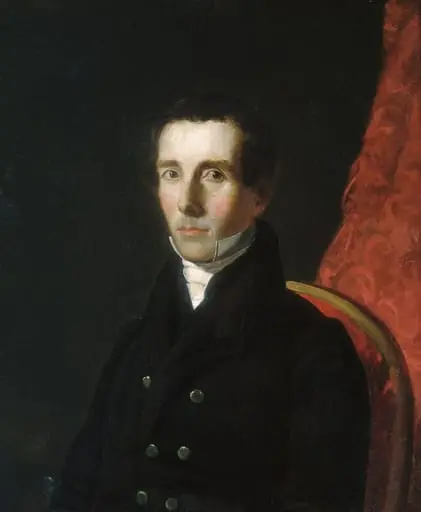
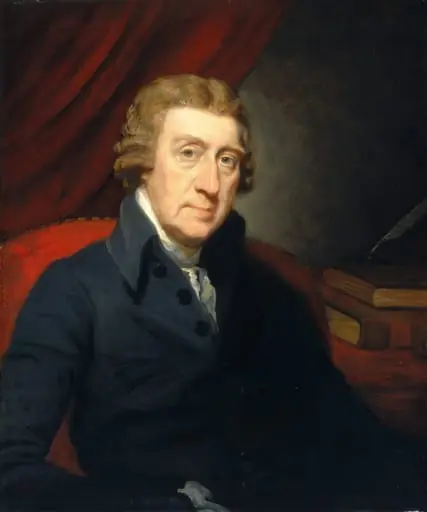
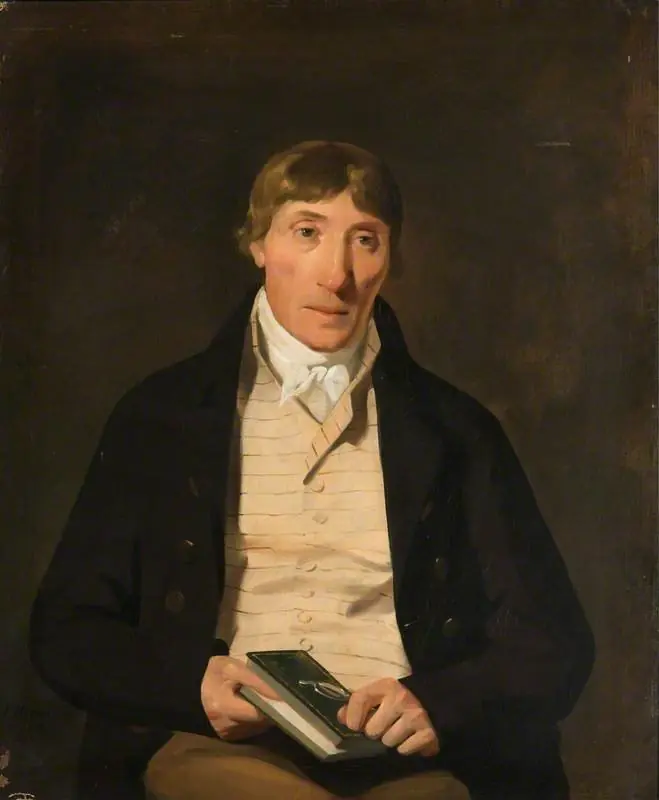
The painting portrays John Shute Duncan, a subject of Kirkby's portraiture practice, depicted with short, curly hair, wearing a black jacket, white shirt, and cravat. His neutral expression and slightly right-directed gaze characterize the portrait.
Technique & Style
Kirkby employed chiaroscuro to create depth and volume, focusing attention on the subject's face. The somber mood is achieved through a dark, gradient background and muted colors, underscoring the overall seriousness of the work.
History & Provenance
Thomas Kirkby, born in 1775 and trained at the Royal Academy of Arts, created this piece during his active exhibition period at the Royal Academy and British Library. The painting is now held in the Ashmolean Museum's collection.
Context
As part of Kirkby's broader portfolio of portraits and landscapes, John Shute Duncan reflects the artist's practice within the early 19th-century British art scene, influenced by his Royal Academy training.
Legacy
While specific legacy details of the painting are not highlighted, its preservation in the Ashmolean Museum ensures its contribution to the historical record of Kirkby's oeuvre and early 19th-century British portraiture.
Artist & collection
Artist
Thomas Kirkby (January 1775 – c. 1847) was a British painter and draughtsman, best remembered for his portrait and landscape paintings, most notably of Henry Bathurst, William Howley, and John Wycliffe. He graduated…