Artwork
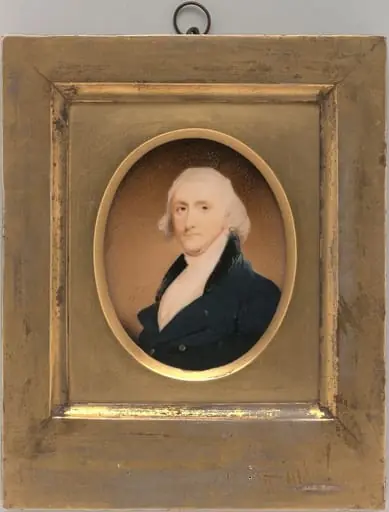
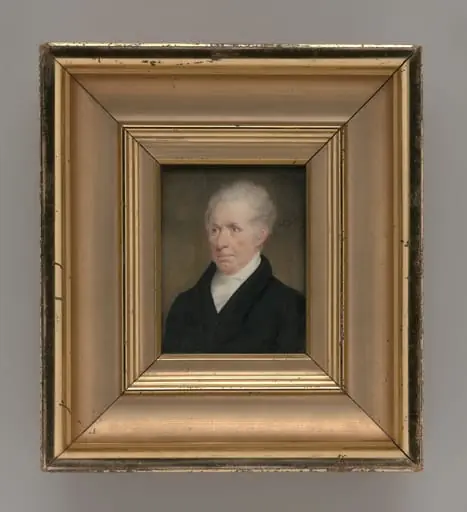
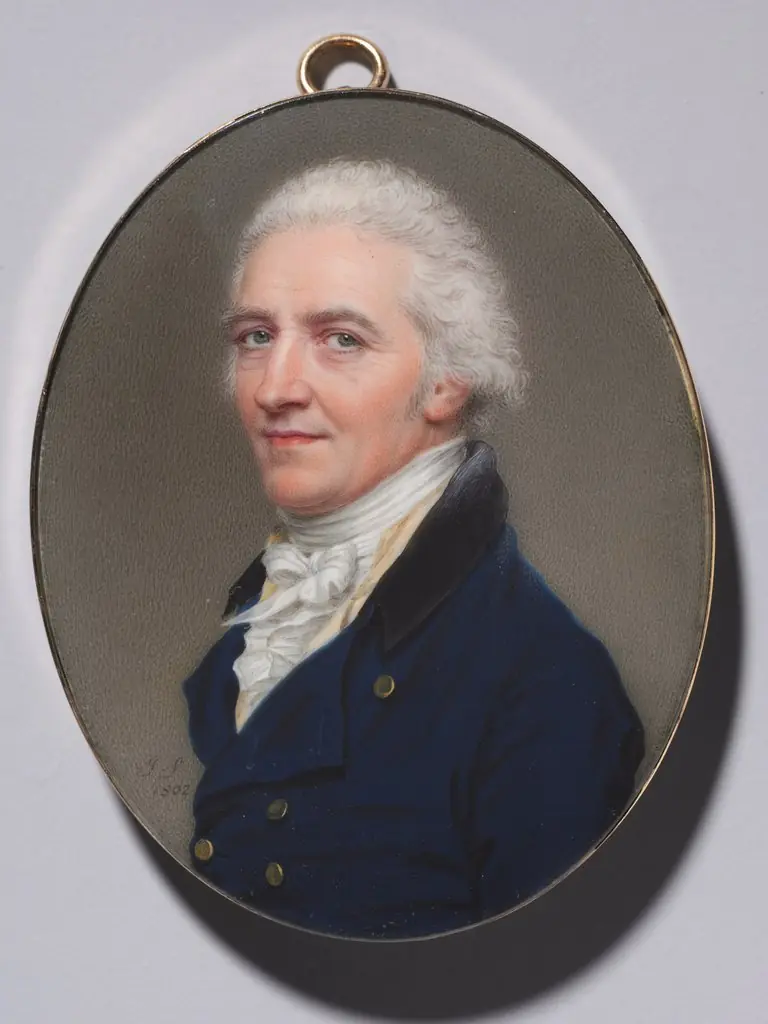
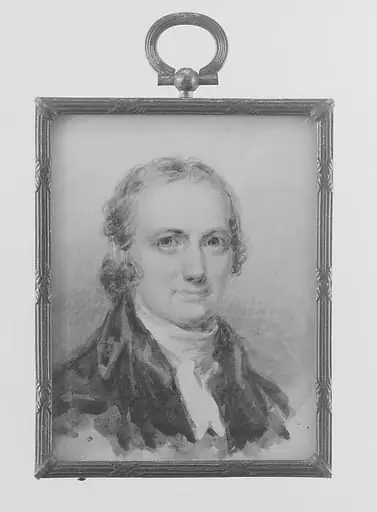
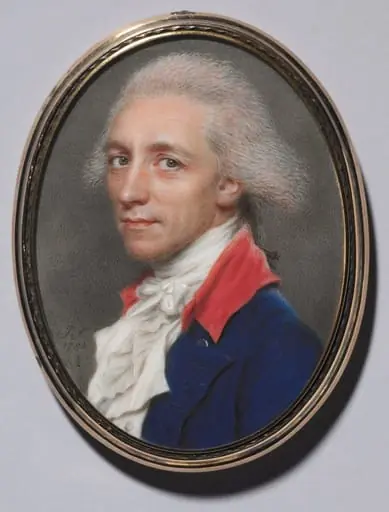
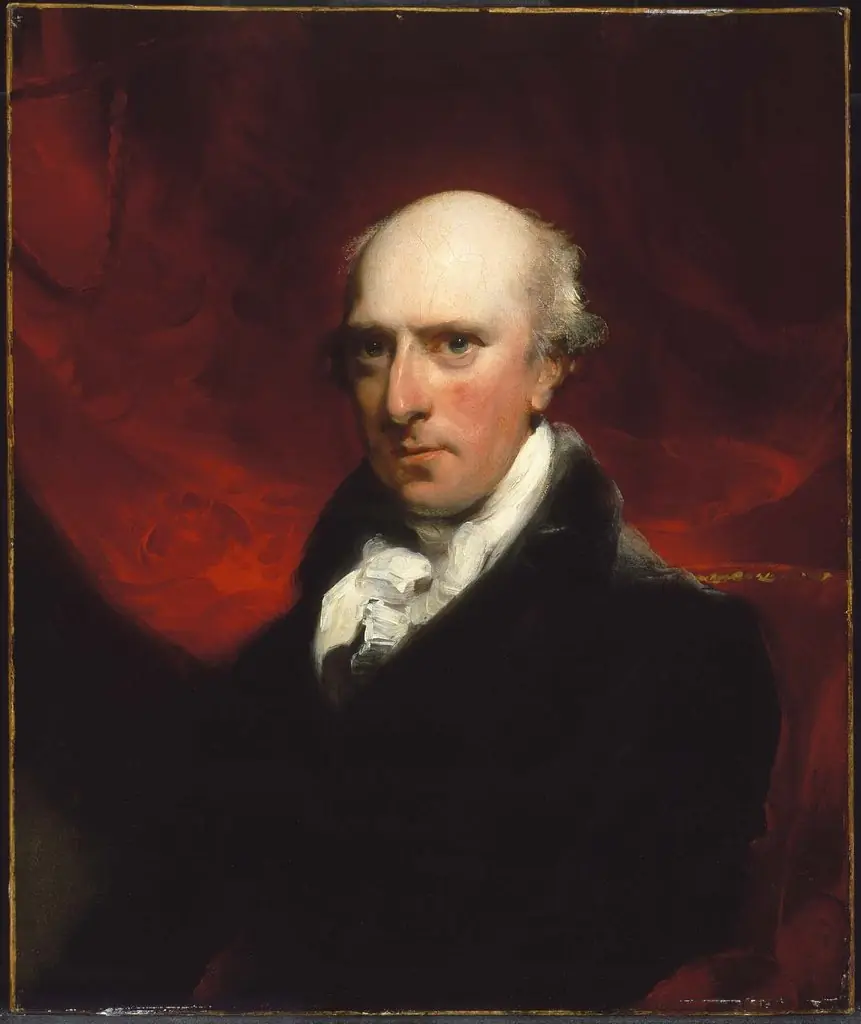
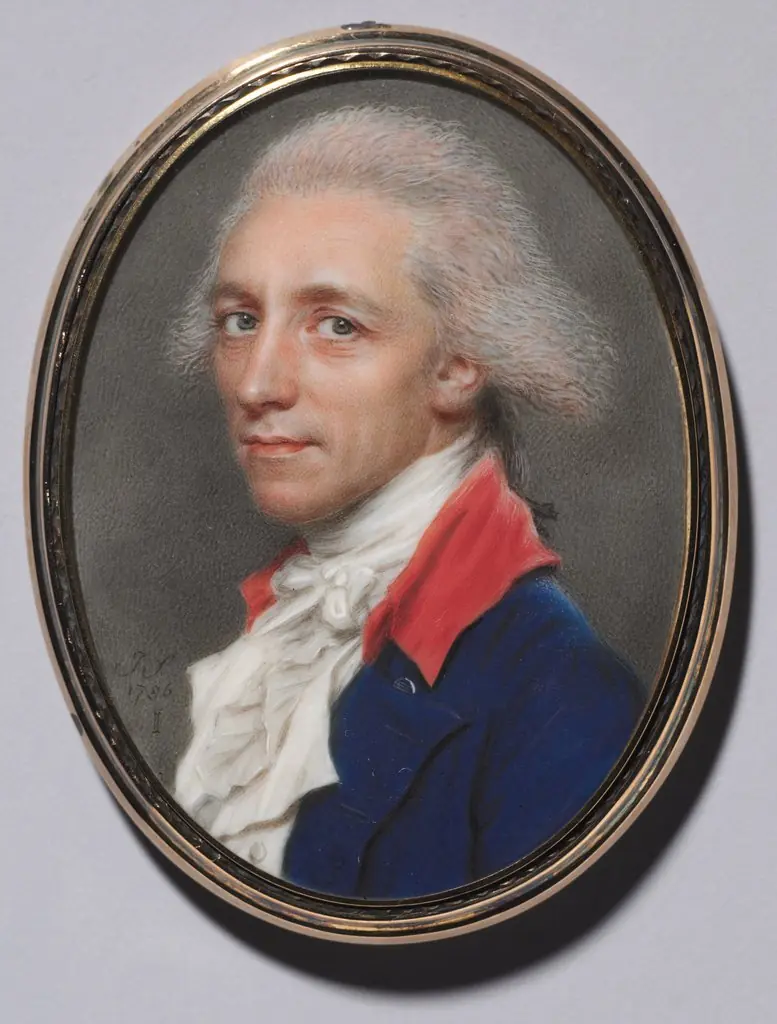
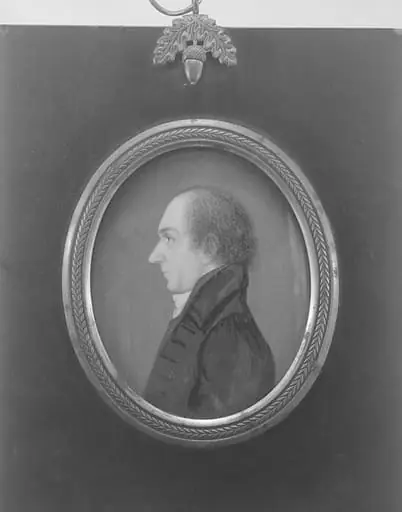
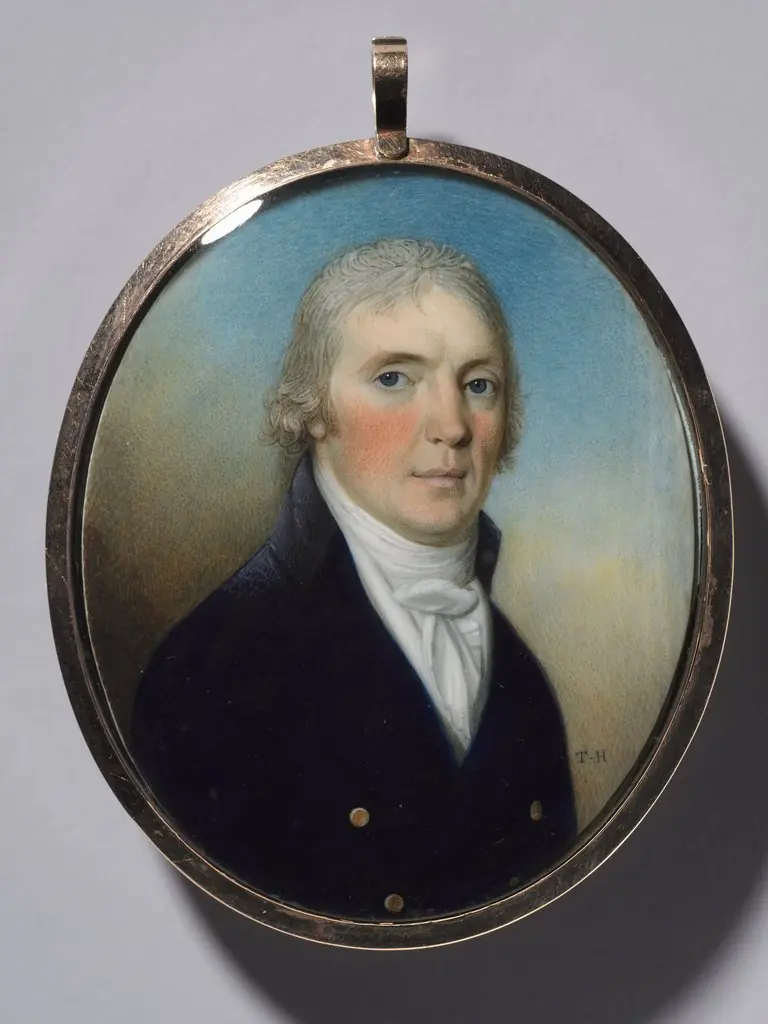
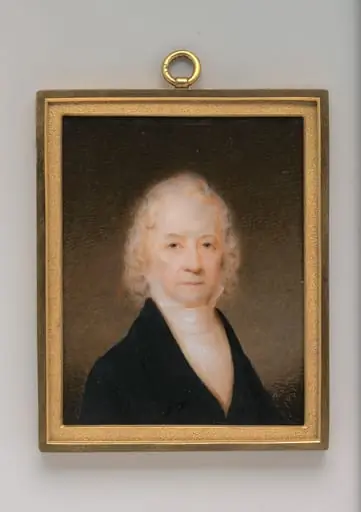
Warren Hastings: three-quarter-length portrait.
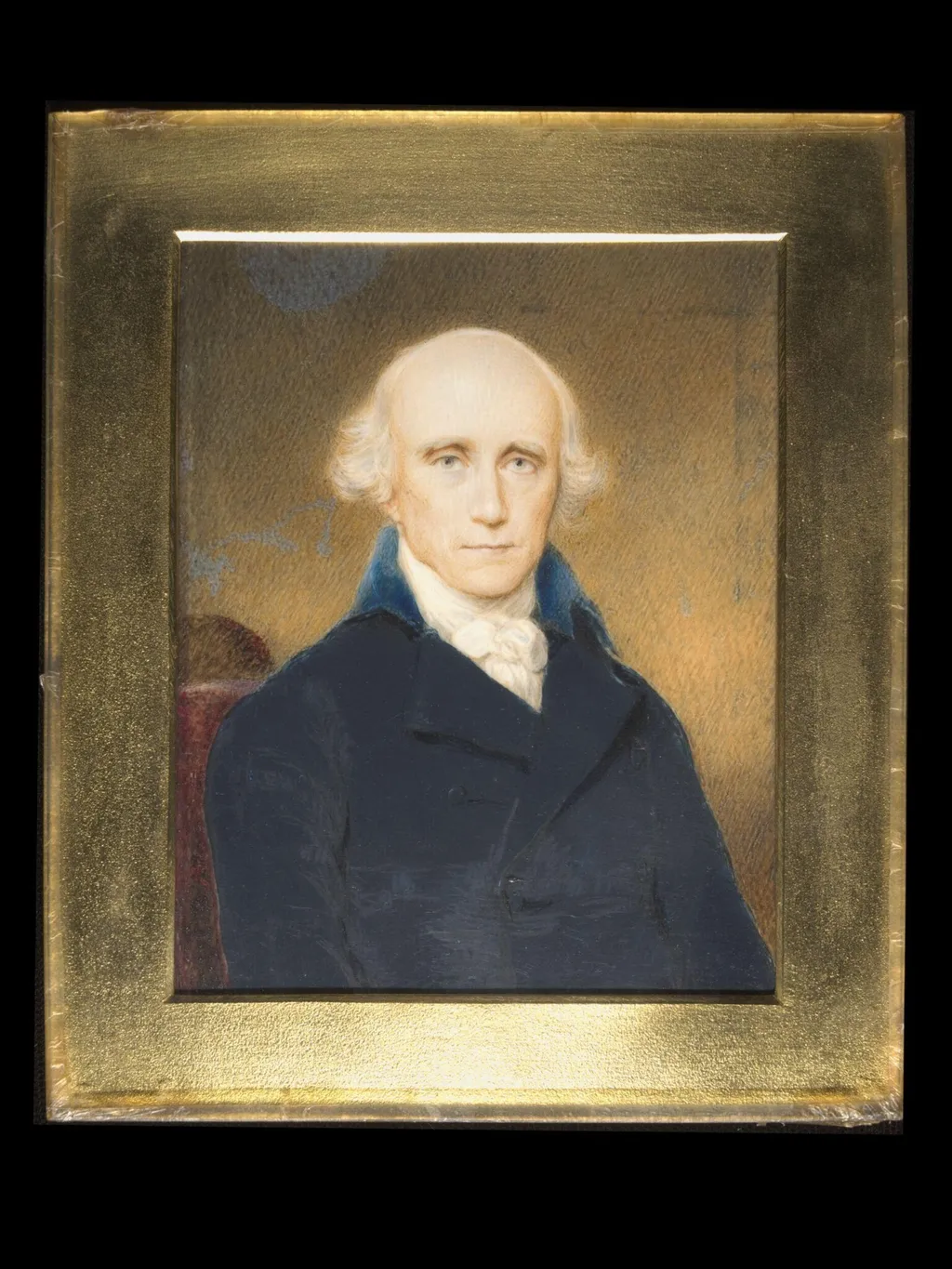
Warren Hastings: three-quarter-length portrait. is a paint painting by the Rococo painting artist Unknown. It dates from 1795 and is held in the collection of the Victoria and Albert Museum. Painted in 1795, this three-quarter-length portrait depicts Warren Hastings, former Governor-General of Bengal, in mature adulthood.
About this work
Overview
Painted in 1795, this three-quarter-length portrait depicts Warren Hastings, former Governor-General of Bengal, in mature adulthood.
Painted in 1795, this three-quarter-length portrait depicts Warren Hastings, former Governor-General of Bengal, in mature adulthood. The composition isolates him against a muted gold background, eliminating distractions to emphasize his presence. His posture is upright, his gaze direct, conveying a sense of quiet authority. The painting’s restrained setting and soft modeling reflect a deliberate focus on character rather than circumstance.
Subject & Meaning
Hastings, then in his sixties, is portrayed not as a colonial administrator but as a man of refined dignity. His dark coat and crisp white cravat suggest formal attire appropriate to his status, while his expression remains composed, neither triumphant nor defensive. The portrait avoids overt symbolism, instead relying on stillness and subtlety to communicate his complex legacy—a figure of imperial power rendered with restrained humanity.
Technique & Style
The artist employs gentle chiaroscuro to model Hastings’s face, blending tones without sharp contours to achieve a lifelike softness. Brushwork is smooth and deliberate, avoiding texture that might draw attention from the subject. The background is deliberately subdued, its faint gold tone receding to enhance the figure’s presence. This approach prioritizes psychological presence over decorative detail, aligning with late 18th-century portraiture trends favoring introspection.
History & Provenance
Commissioned during Hastings’s retirement in England, the portrait was likely intended to affirm his social standing following his controversial tenure in India and subsequent impeachment trial. It remained in private hands for much of the 19th century before entering a public collection. Its survival reflects enduring interest in Hastings as a pivotal, if divisive, figure in British imperial history.
Context
Created in the aftermath of Hastings’s impeachment, the portrait emerges from a period when British society grappled with the moral and political consequences of empire. While public opinion was divided, such portraits served to reassert personal dignity amid political scandal. The restrained aesthetic contrasts with more flamboyant imperial imagery, suggesting a desire for rehabilitation through quiet gravitas.
Legacy
The portrait endures as a visual anchor for historical debates surrounding Hastings’s role in British India. Its understated realism invites contemplation rather than judgment, offering a counterpoint to polemical narratives. It remains a key example of how portraiture could function as both personal testimony and historical record, preserving the face of an empire’s architect without embellishment.
Artist & collection

 Domestic Scene
 Giacomo and Cardinal Marco, investing Andrea, Abbot of San Zeno, with his Benefice
 The Nymph of Fontainebleau
 Portrait of a Woman
 Madonna and Child with Saints in the Enclosed Garden
 Venus and Minerva
 Family Group of Four on Sofa
 Wall painting from Room H of the Villa of P. Fannius Synistor at Boscoreale