Artwork
Claudius James Rich (1786/1787–1821)
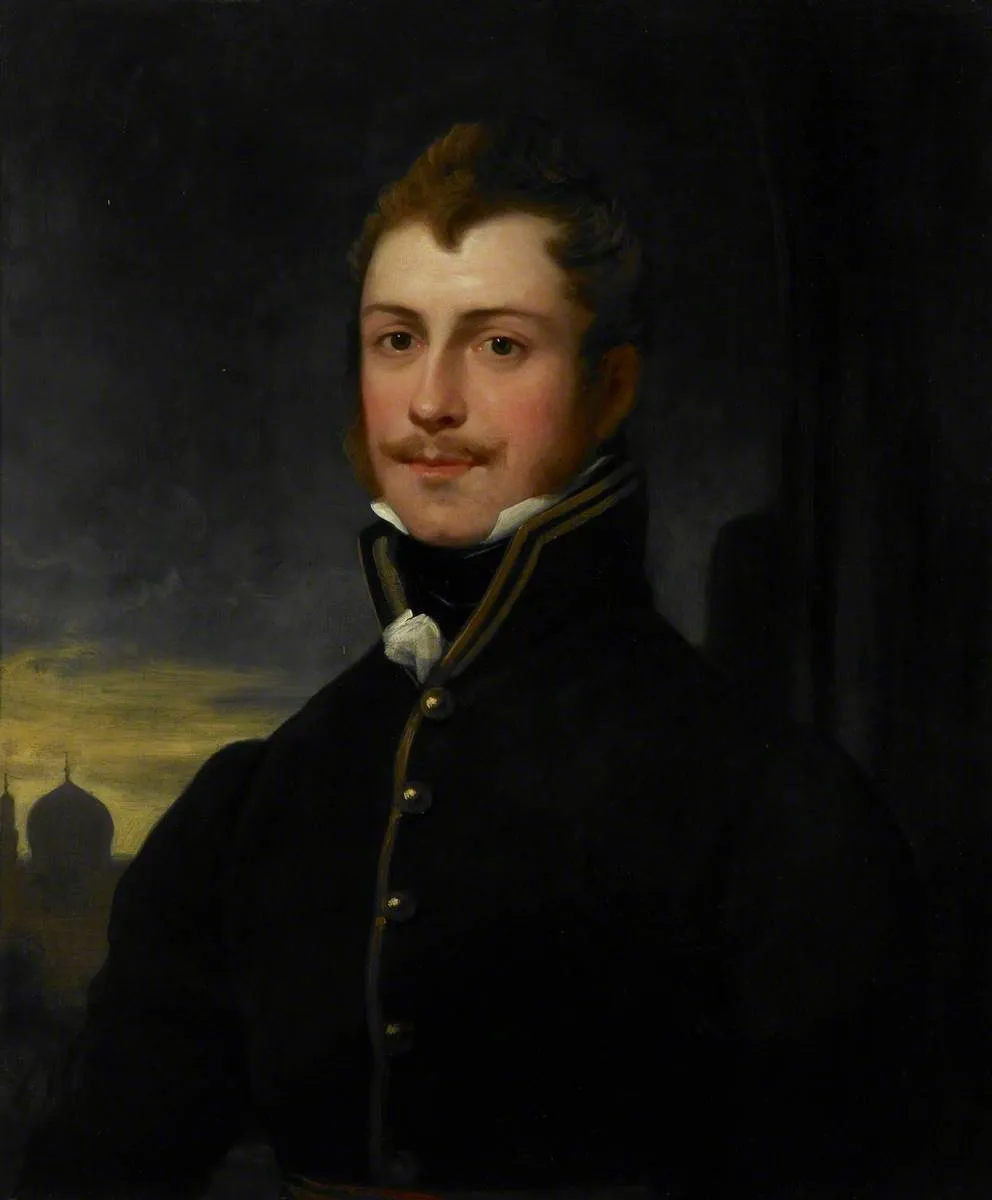
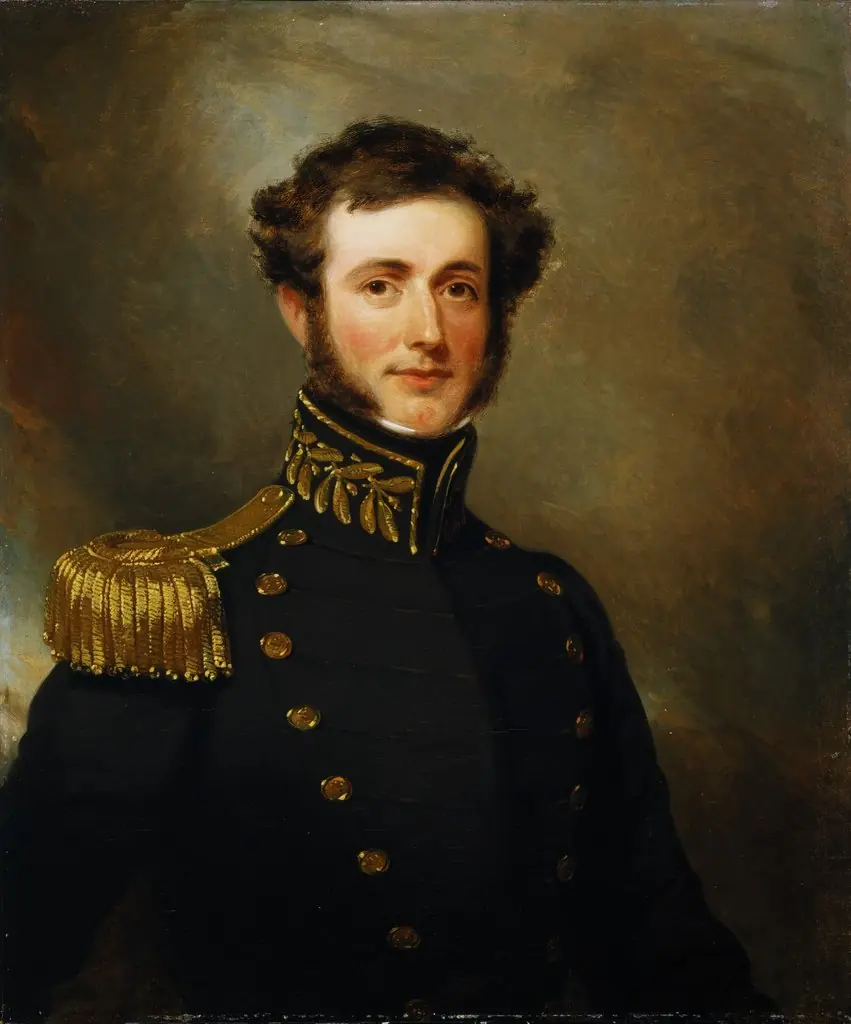
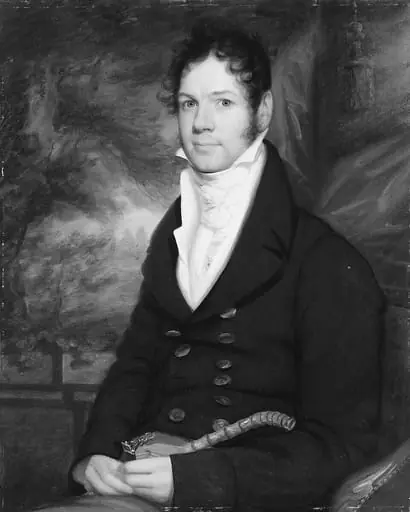
Claudius James Rich (1786/1787–1821) is an oil painting by Thomas Phillips. It dates from 1825 and is held in the collection of the British Museum.
About this work
Overview
Rendered in the formal portraiture tradition of the early 19th century, the work captures Rich in a dignified pose, set against a muted background.
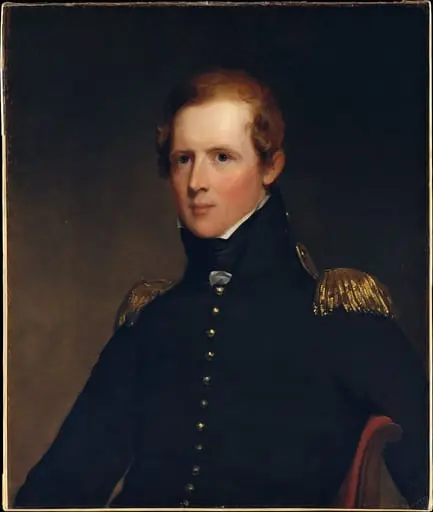
This oil painting, completed in 1825 by Thomas Phillips, depicts Claudius James Rich, a British antiquarian and administrator. Rendered in the formal portraiture tradition of the early 19th century, the work captures Rich in a dignified pose, set against a muted background. It resides in the British Museum’s collection, reflecting his scholarly significance rather than his military or political roles.
Subject & Meaning
Claudius James Rich was known for his early archaeological investigations in Mesopotamia and his collection of ancient Near Eastern artifacts. The portrait presents him in formal attire, suggesting authority and intellectual stature. The subtle architectural silhouette behind him may allude to his interest in ancient ruins, subtly linking his identity to his scholarly pursuits without overt symbolism.
Technique & Style
Phillips employed chiaroscuro to model Rich’s face and clothing with quiet realism, emphasizing volume and texture. The dark background isolates the figure, focusing attention on his expression and attire. Gold detailing on the jacket is rendered with precision, while the brushwork remains restrained, aligning with the era’s preference for dignified, unembellished portraiture.
History & Provenance
Commissioned after Rich’s death in 1821, the portrait was painted by Thomas Phillips in 1825, likely from sketches or personal recollection. It entered the British Museum’s collection through institutional acquisition, consistent with the museum’s interest in preserving the likenesses of key figures in its foundational collections. Its provenance reflects Rich’s posthumous recognition within scholarly circles.
Context
In the 1820s, British interest in the ancient Near East was growing, fueled by colonial expansion and emerging archaeology. Rich’s work in Babylon and Nineveh positioned him as a pioneer in the field. Portraits like this one served to memorialize individuals who contributed to Britain’s intellectual and imperial projects, blending personal identity with national curiosity.
Legacy
Though not widely exhibited, the portrait remains a visual record of one of the first British scholars to systematically document Mesopotamian antiquities. Its presence in the British Museum underscores Rich’s role in shaping early archaeological practice. Phillips’s depiction endures as a quiet testament to the intersection of exploration, scholarship, and portraiture in the early 19th century.
Artist & collection
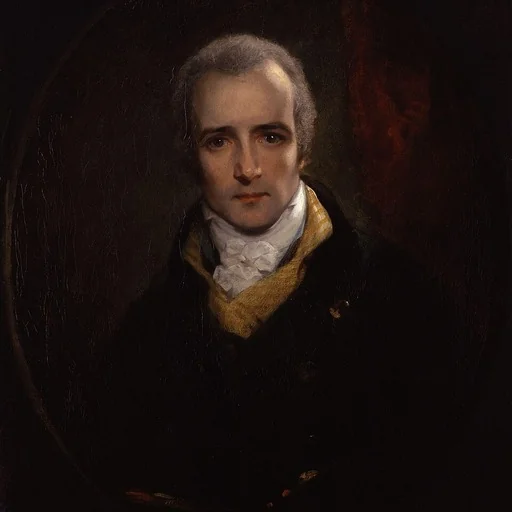
Artist
Thomas Phillips (18 October 1770 – 20 April 1845) was an English painter who specialised in portrait painting. He painted many of the notable men of the day including scientists, artists, writers, poets and explorers.

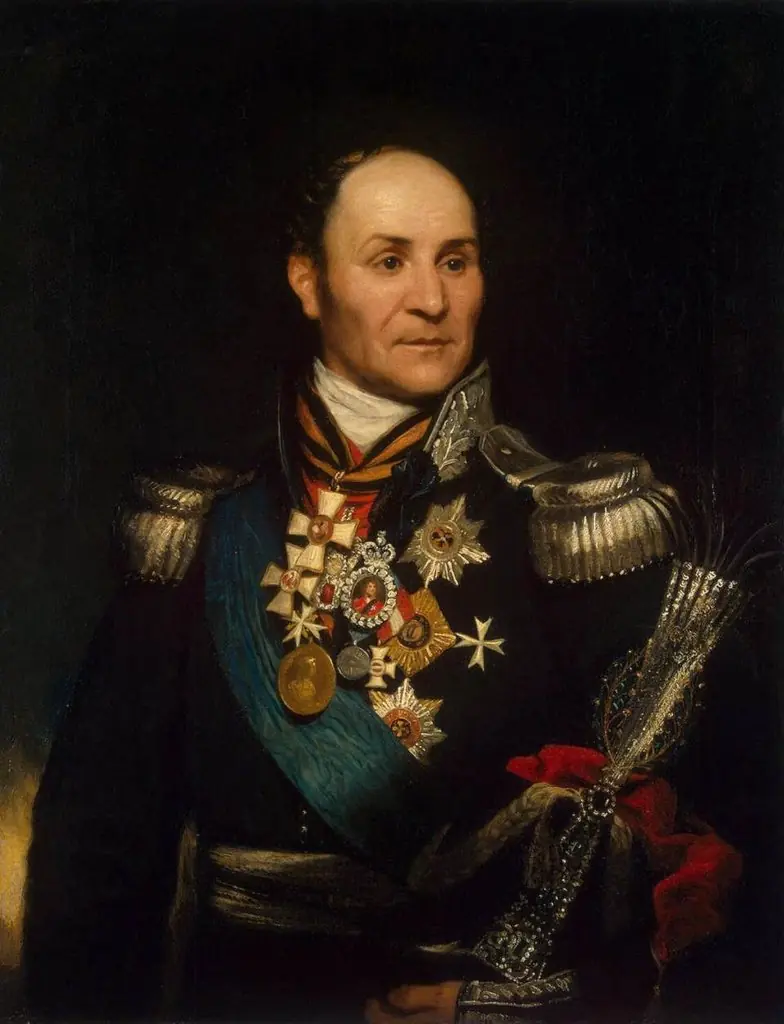 Portrait of Matvey I. Platov (1751-1818)
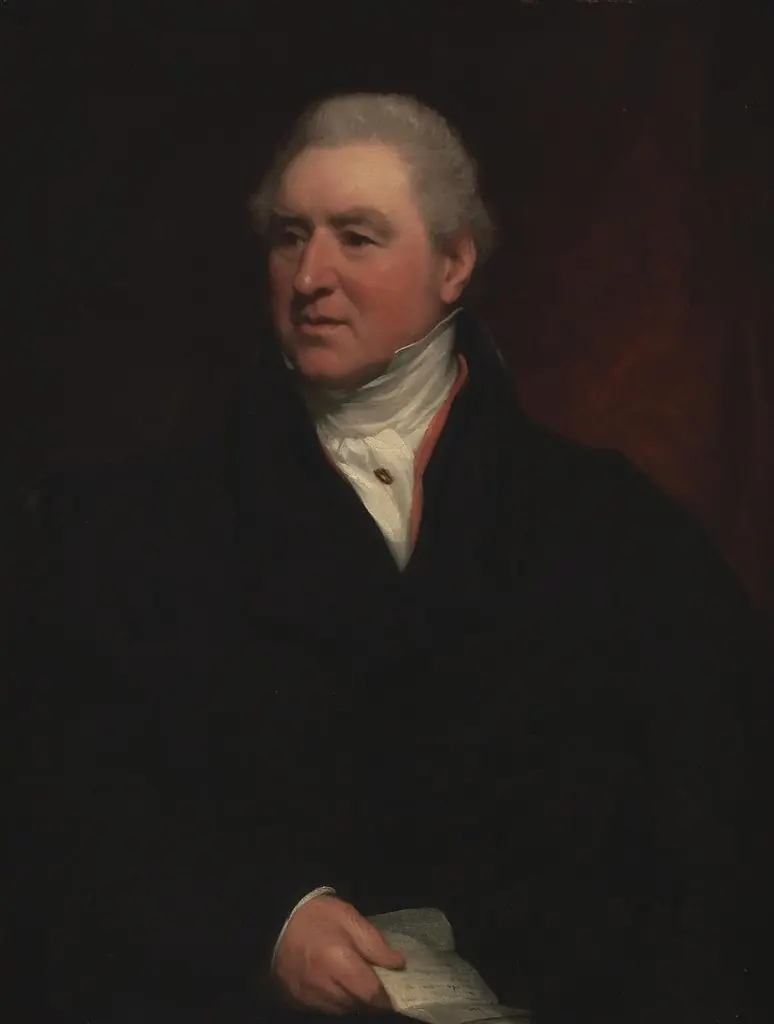 John Lloyd-Williams
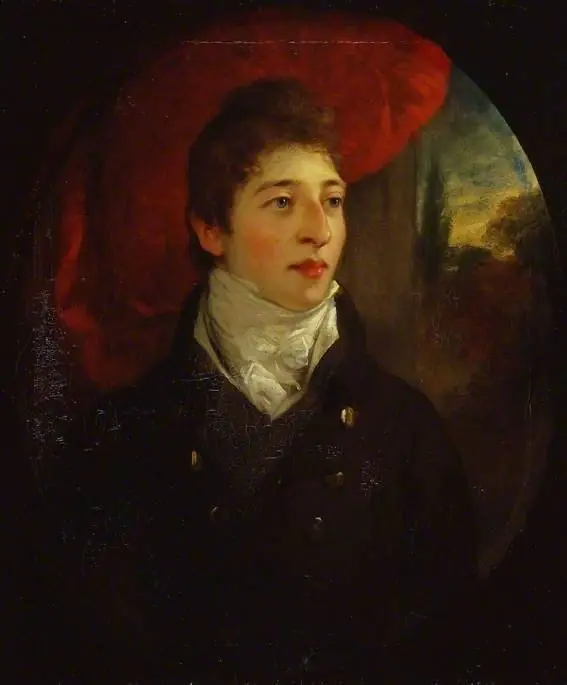 Hugh Percy, 3rd Duke of Northumberland
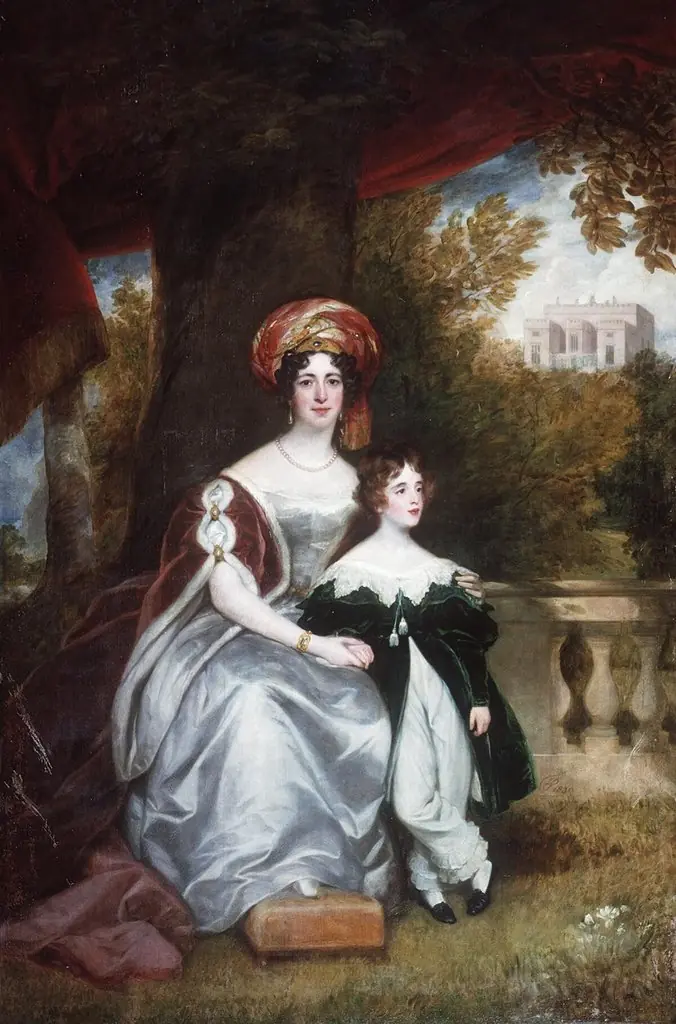 Caroline Windham
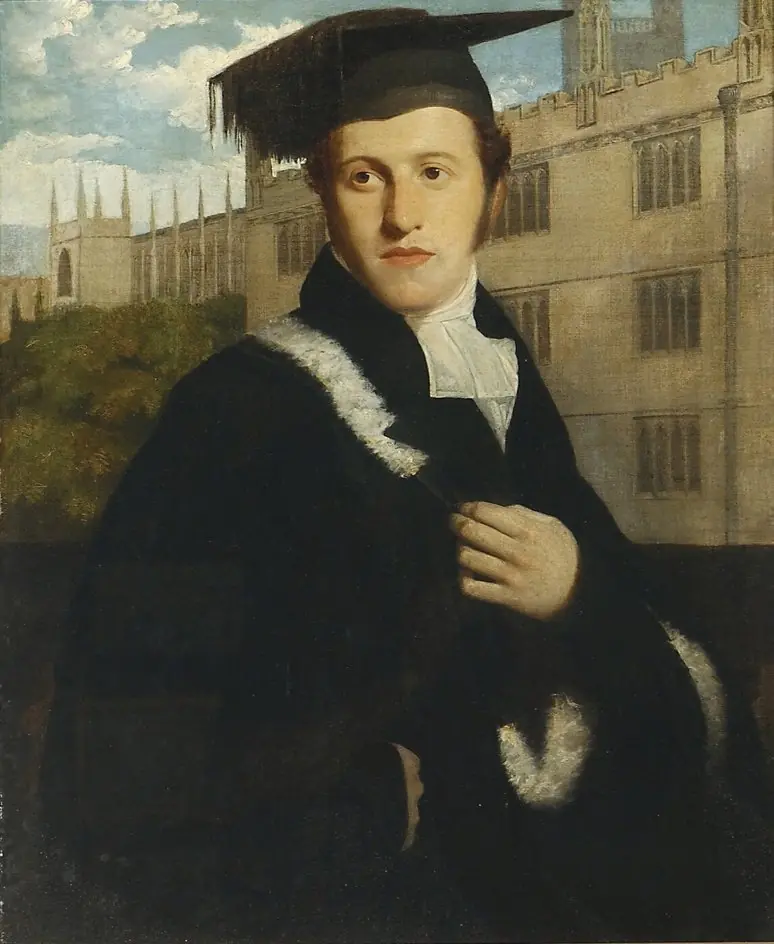 Portrait of an Oxford Undergraduate, perhaps Sir Henry Delves Broughton, Bt
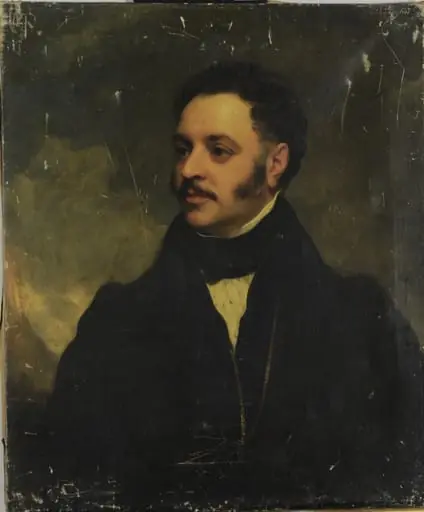 Προσωπογραφία αγνώστου άνδρα με δυτική ενδυμασία
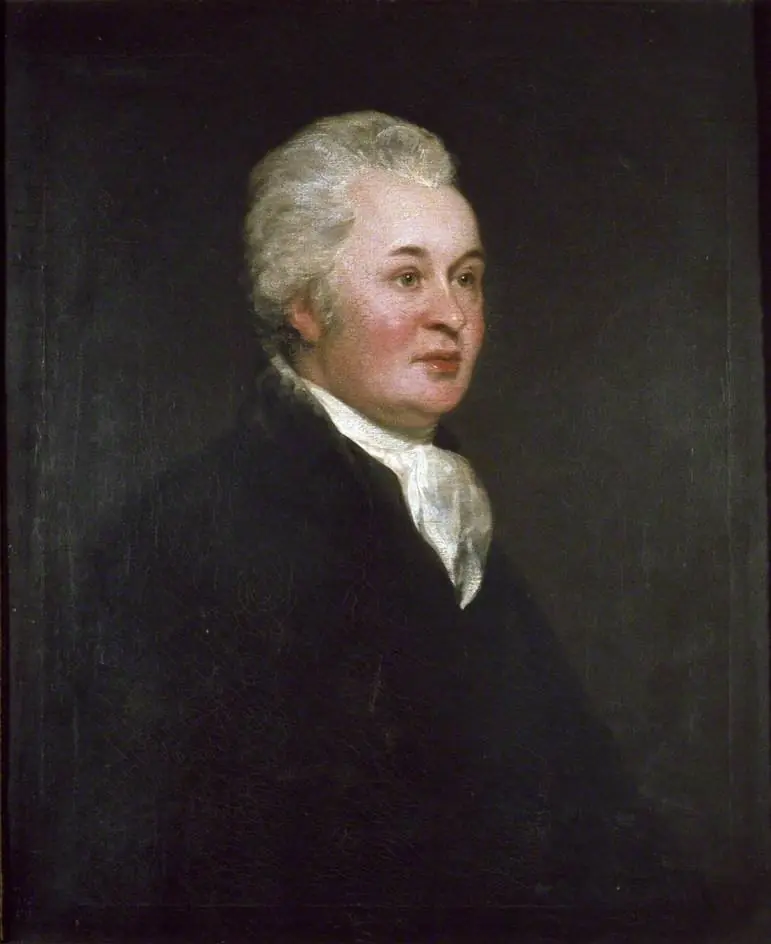 Revd James Douglas
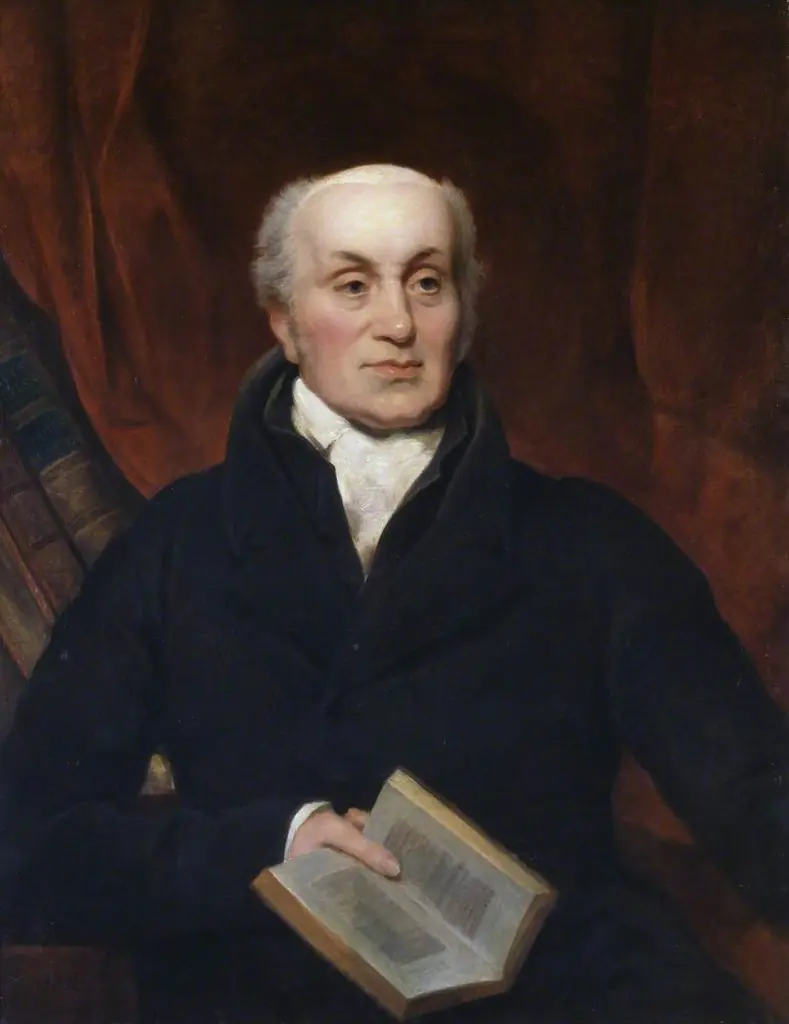 Joseph Planta (1744–1827), Principal Librarian (1799–1827)