Artwork
Portrait of Sir Philip Perceval, 2nd Bt (1656-1680)
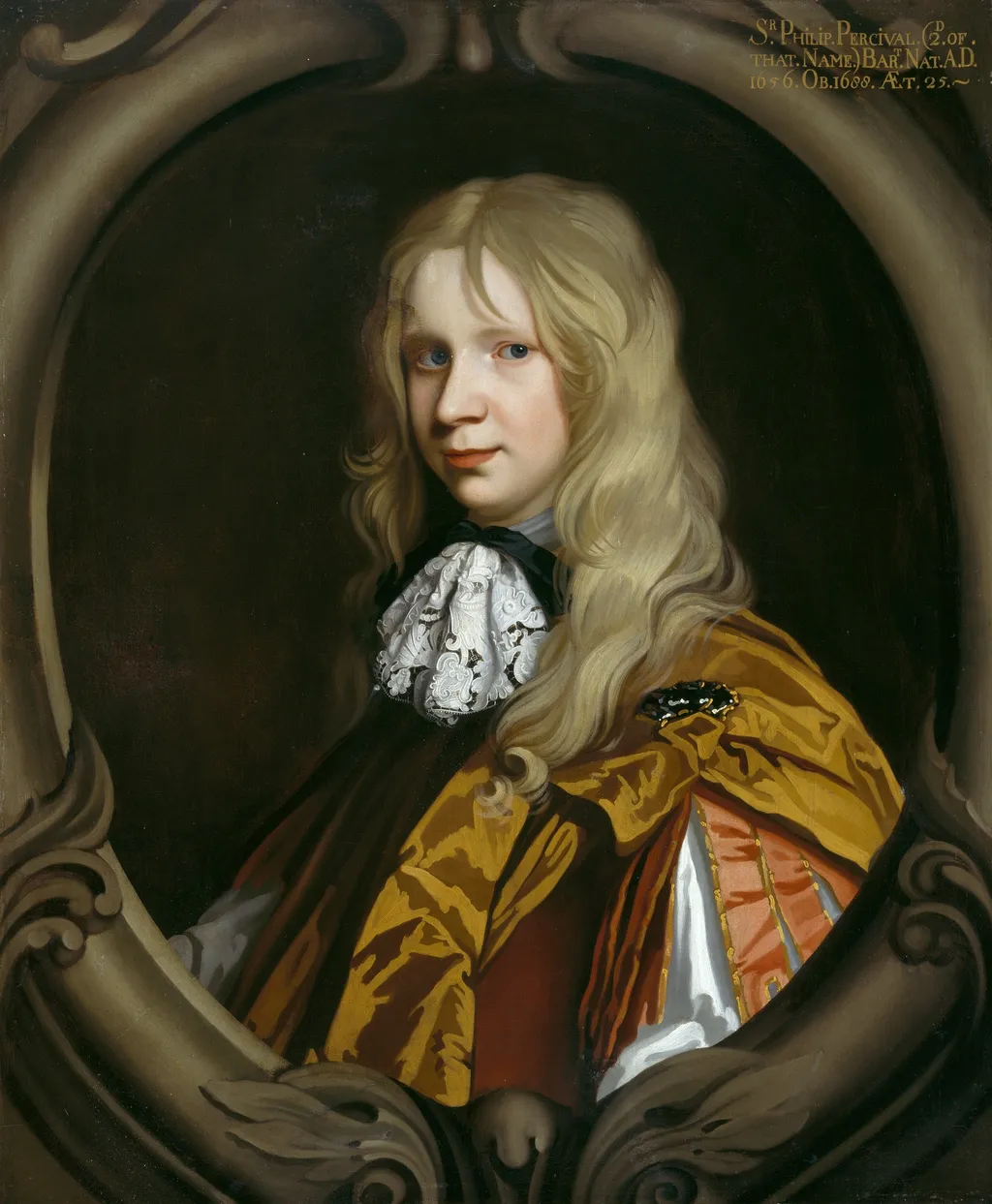
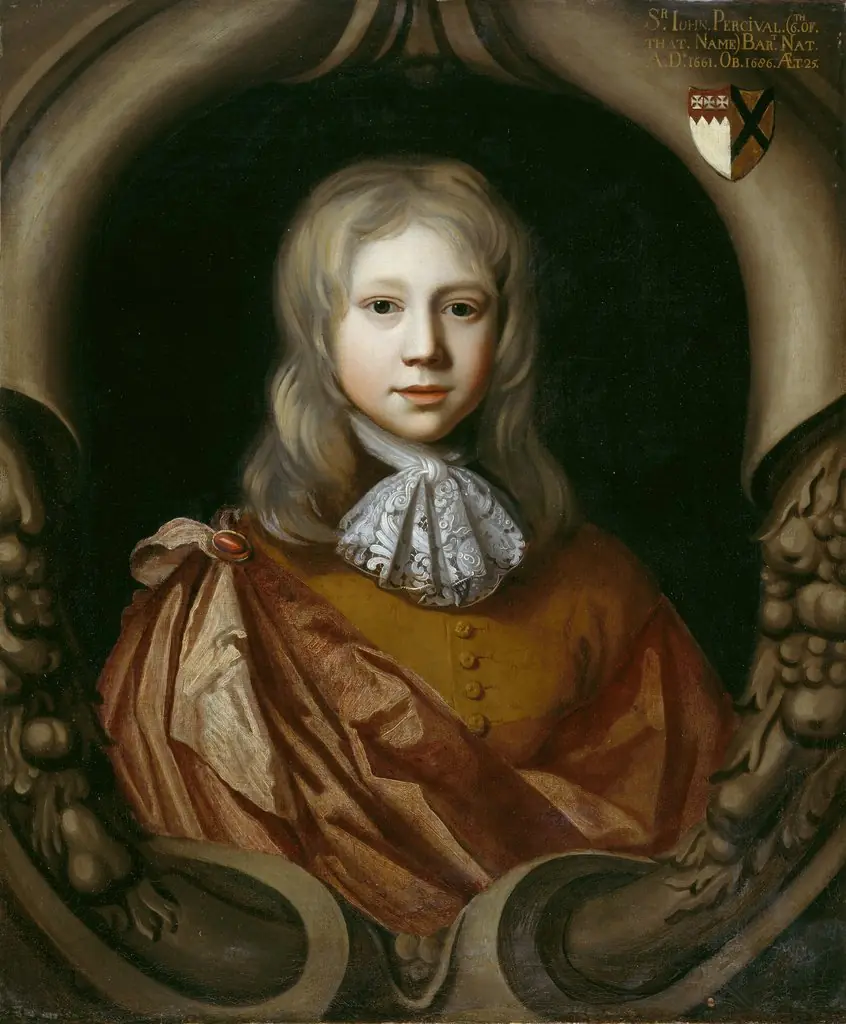
Portrait of Sir Philip Perceval, 2nd Bt (1656-1680) is an oil painting by Thomas Pooley. It dates from 1672 and is held in the collection of the National Gallery of Ireland. This oil painting, completed in 1672, portrays Sir Philip Perceval, second baronet, as a young man of noble standing.
About this work
Overview
Executed by Thomas Pooley, it is one of the few surviving works by the artist and is part of the National Gallery of Ireland’s collection.
This oil painting, completed in 1672, portrays Sir Philip Perceval, second baronet, as a young man of noble standing. Executed by Thomas Pooley, it is one of the few surviving works by the artist and is part of the National Gallery of Ireland’s collection. The portrait captures Perceval at approximately sixteen years of age, reflecting the conventions of aristocratic portraiture in late 17th-century Britain and Ireland.
Subject & Meaning
Sir Philip Perceval, heir to a landed estate, is depicted not as a warrior or statesman, but as a refined gentleman of his time. His poised posture and direct gaze suggest self-assurance, while his attire signals wealth and social status. The absence of symbolic objects or grand settings shifts focus to personal presence, emphasizing lineage and personal dignity over public achievement.
Technique & Style
Pooley employs oil paint with careful attention to texture, particularly in the rendering of lace, silk, and hair. The vibrant orange and yellow of the jacket contrasts with the dark, neutral background, drawing the eye to the sitter’s form. Subtle modeling of light defines the contours of the face and hands, while the loose brushwork in the background enhances the figure’s three-dimensionality without distraction.
History & Provenance
The painting remained within the Perceval family until it entered the National Gallery of Ireland’s collection in the 20th century. Its survival is notable, as many portraits of lesser-known gentry from this period were lost or dispersed. Documentation confirms its attribution to Thomas Pooley, an artist active in Ireland during the 1670s, though little else is known of his career.
Context
Created during the Restoration era, the portrait reflects the revival of aristocratic self-representation after the Interregnum. Irish landowners like Perceval sought to align themselves with English courtly ideals through dress and demeanor. The emphasis on fine fabrics and personal composure mirrors broader trends in elite portraiture, where identity was conveyed through appearance rather than narrative.
Legacy
As one of the few authenticated works by Thomas Pooley, the portrait serves as a key reference for understanding provincial portraiture in late 17th-century Ireland. It offers insight into the visual culture of the Anglo-Irish gentry and preserves the likeness of a figure otherwise absent from major historical records. The painting remains a quiet but significant artifact of its time.
Artist & collection

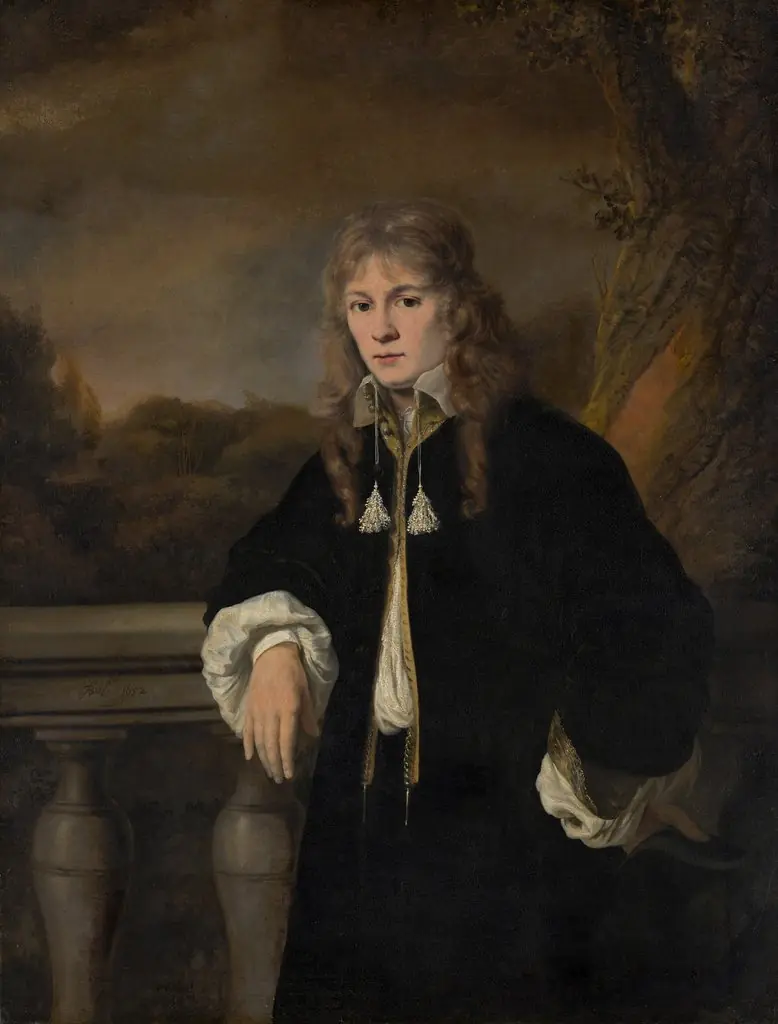 Portrait of a Young Man, presumably Louis Trip Jr (1638-1655)
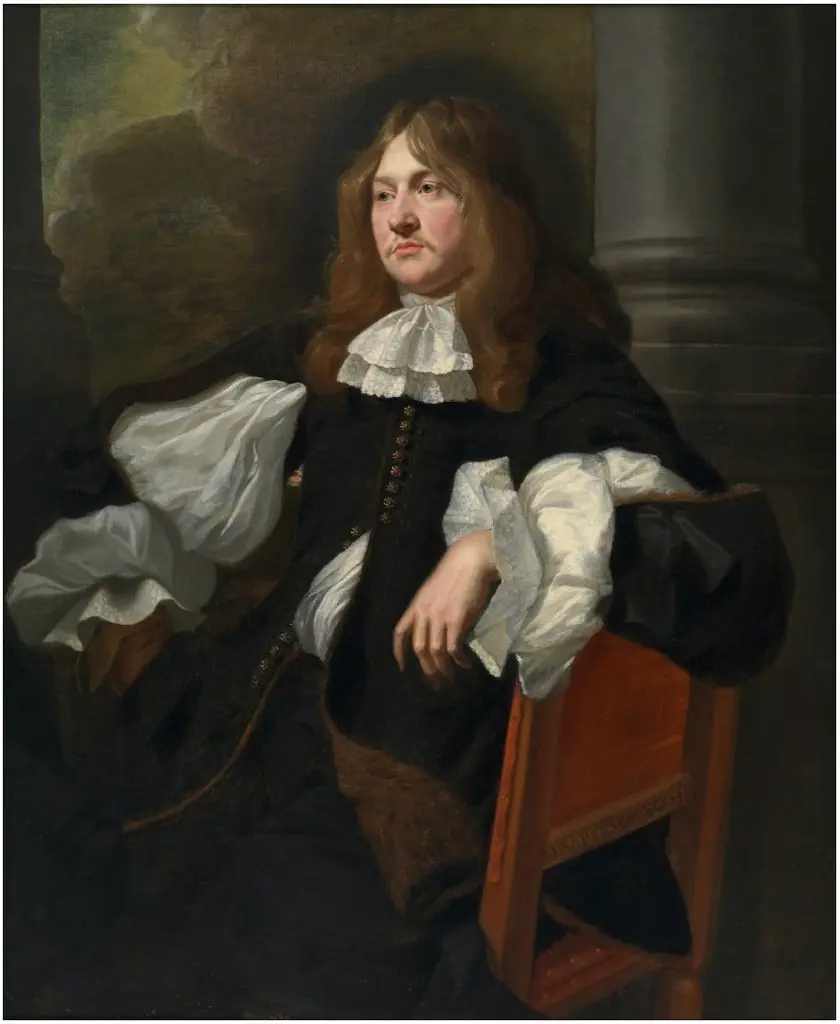 Portrait of Edward Hyde
 Portrait of Count Ulrik Frederik Gyldenløve
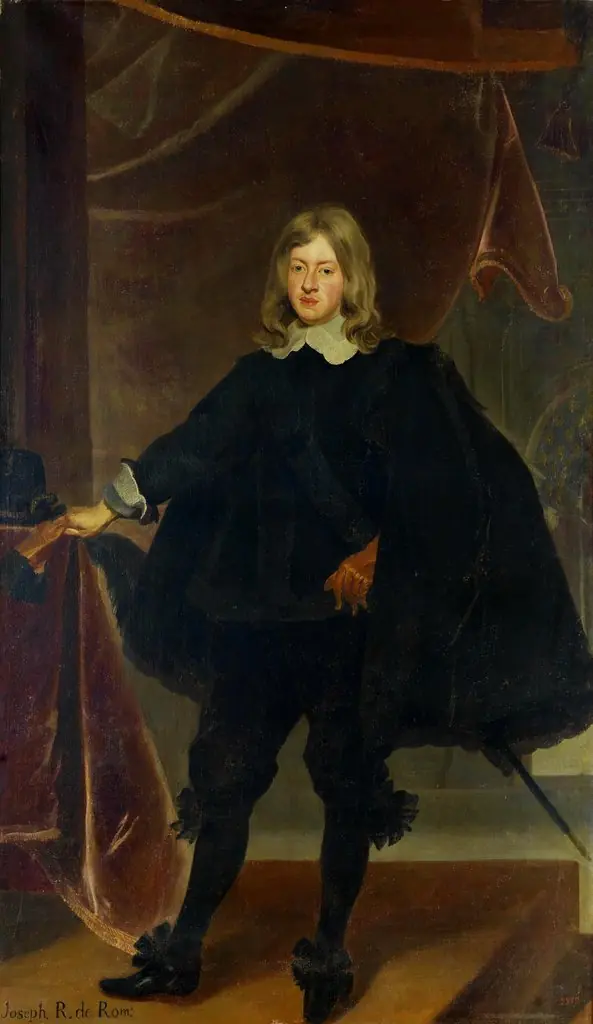 Ferdinand IV, King of the Romans
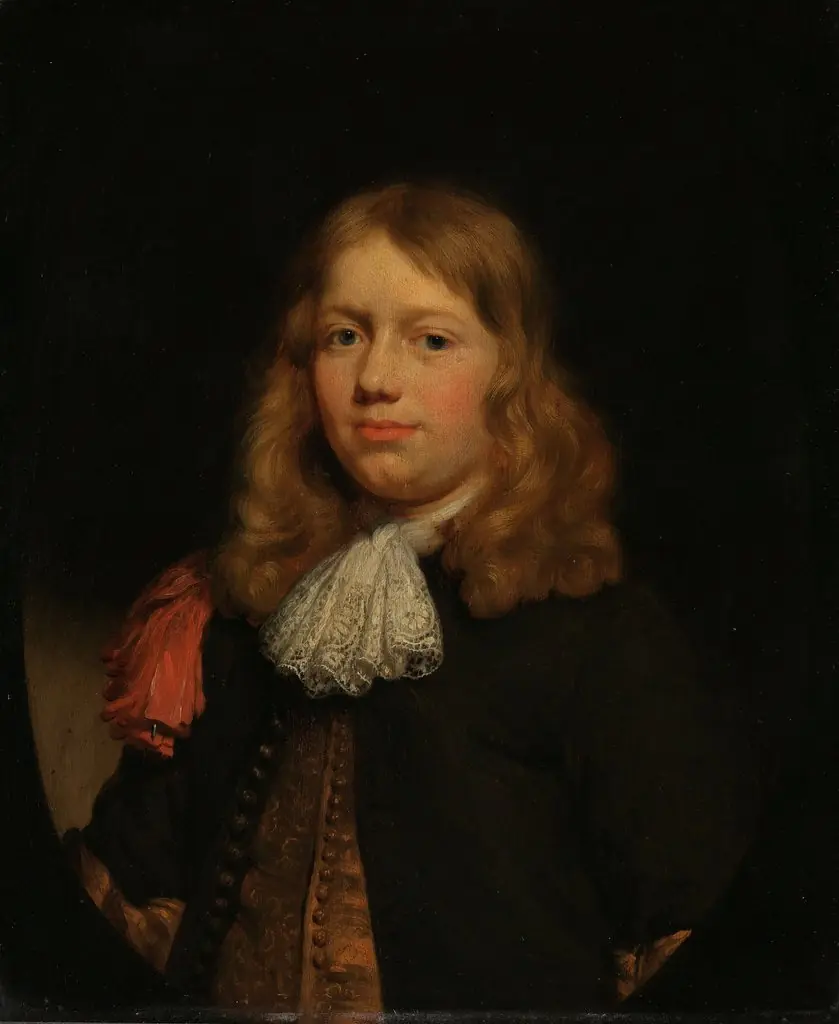 Portrait of a young man
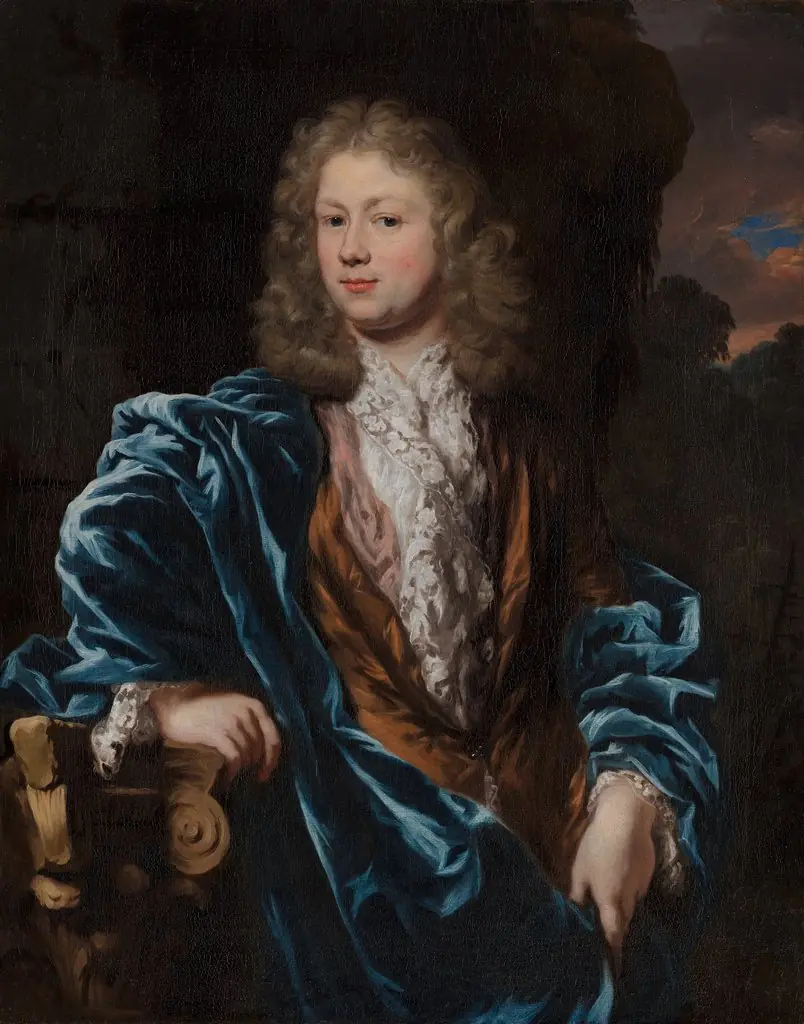 Portrait of Cornelis ten Hove
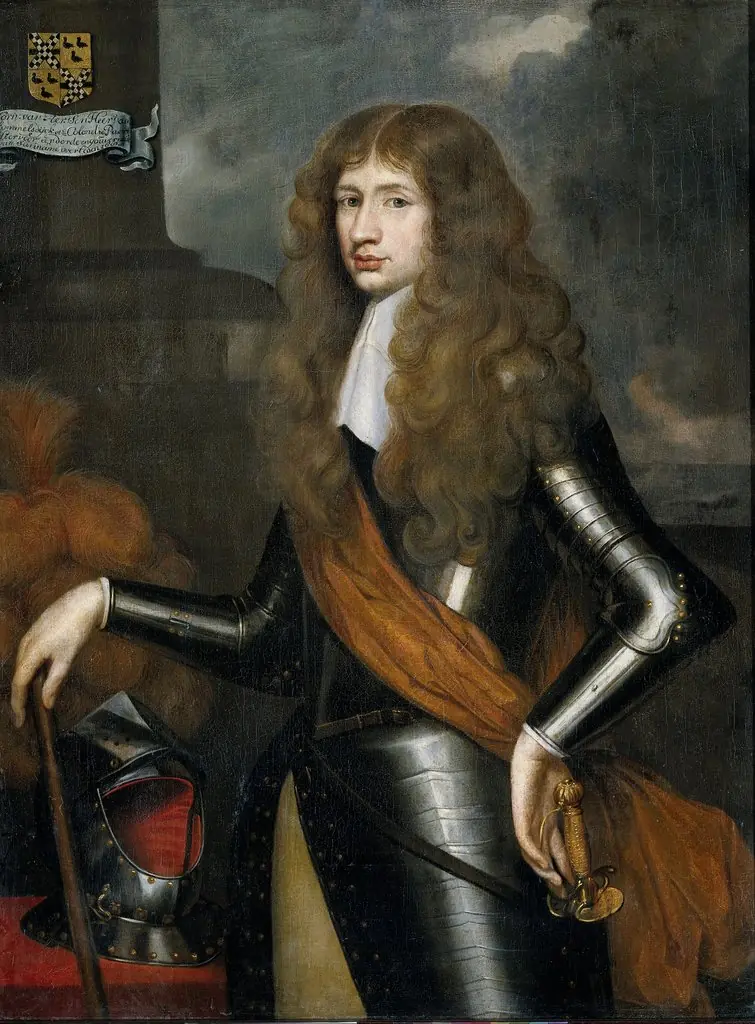 Cornelis van Aerssen van Sommelsdijck, governor of Surinam
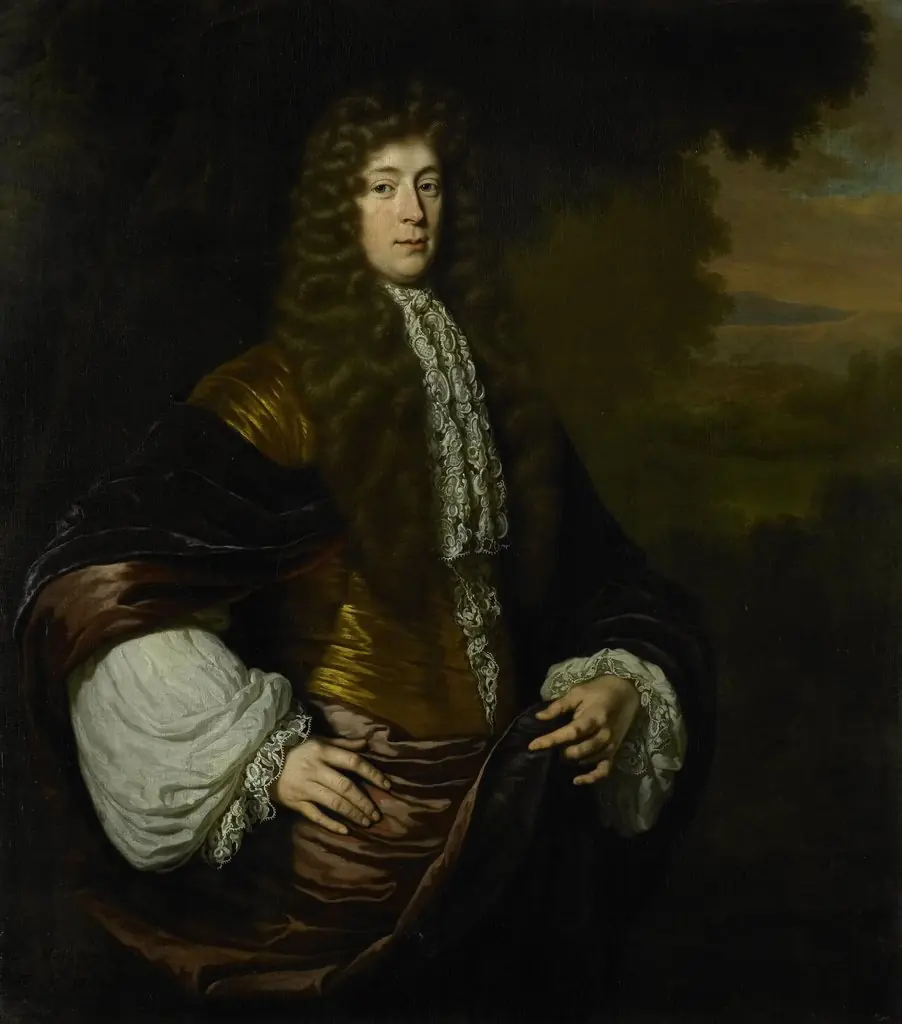 Portrait of Hendrick Bicker (1649 - 1718), burgomaster of Amsterdam
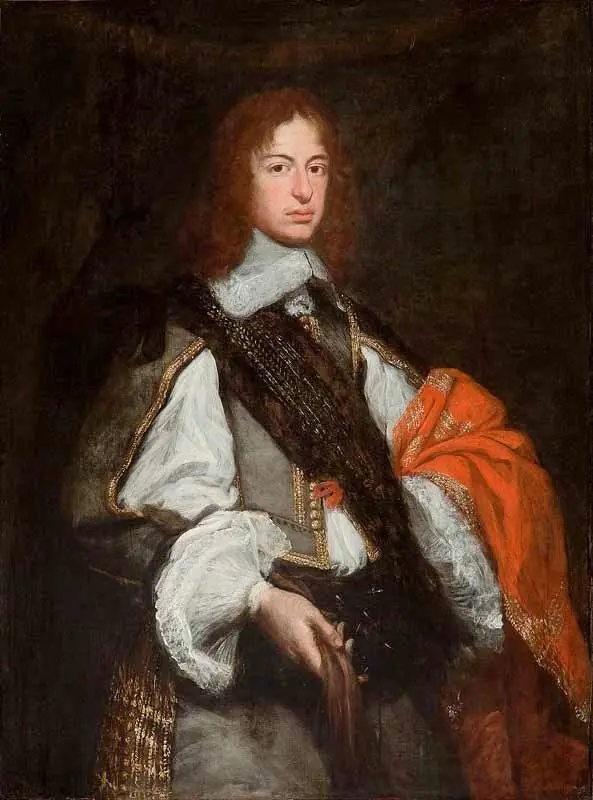 Portrait of Francesco de' Medici (1614-1634)
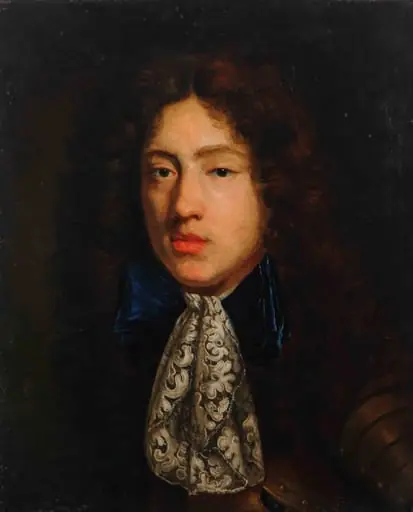 Portretul unui tânăr ofițer
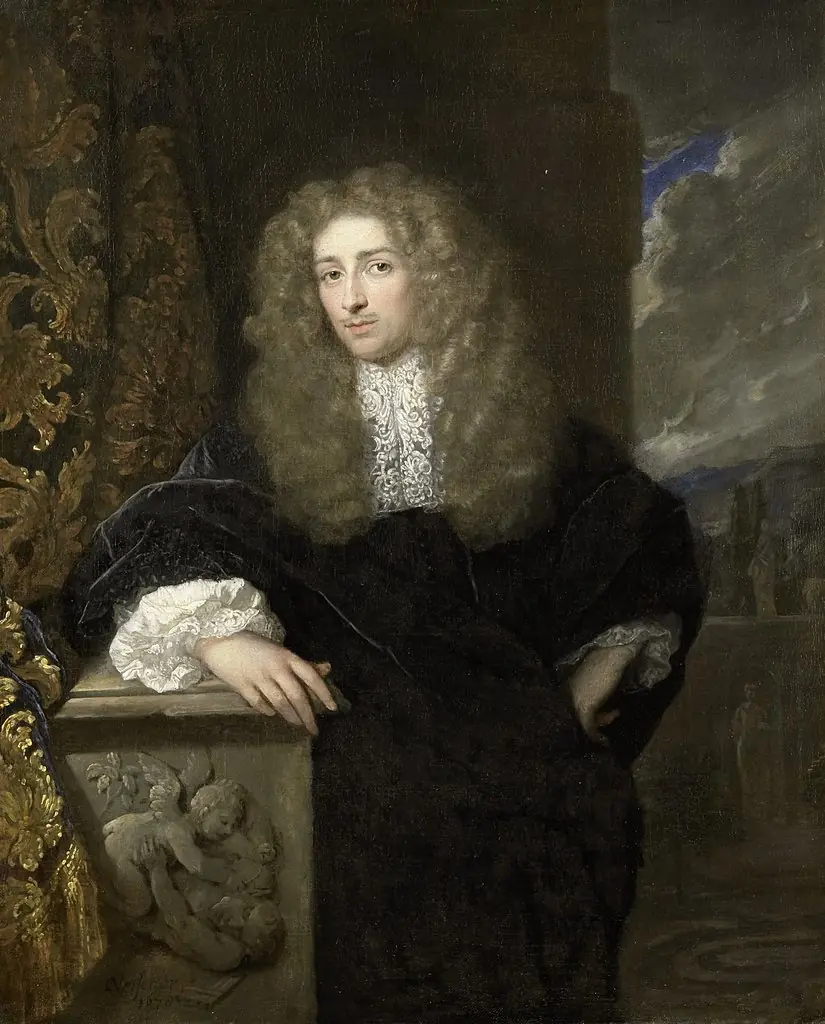 Portrait of a man, possibly a member of the van Citters family
 Portrait of Sir John Perceval, 3rd Bt (1660-1686)