Artwork
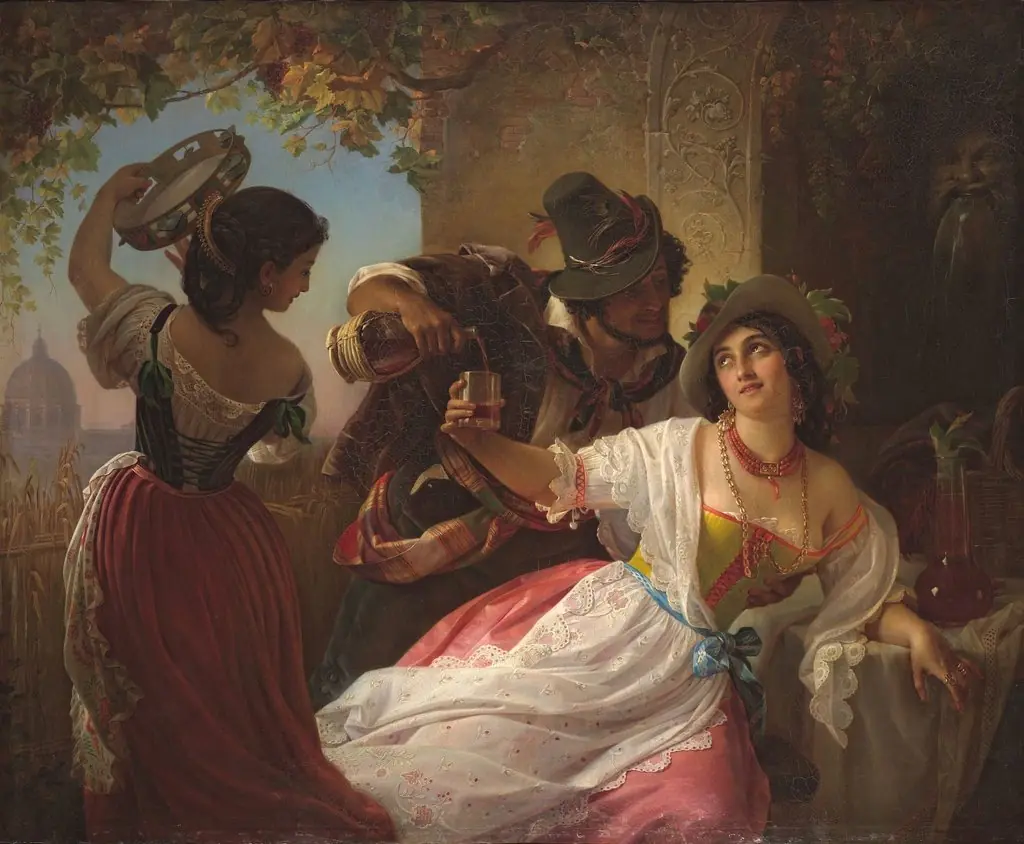
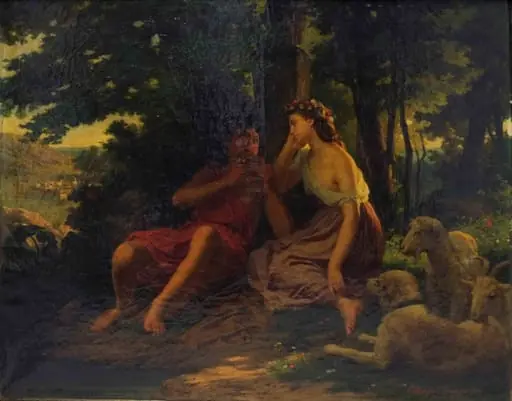
A Neapolitan Boy Decorating the Head of his beloved one at the festival of the Madonna of the Arch
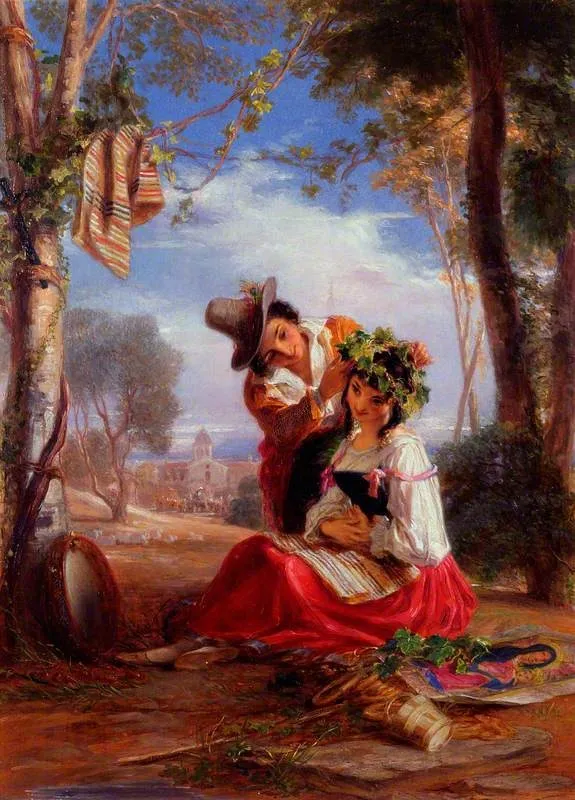
A Neapolitan Boy Decorating the Head of his beloved one at the festival of the Madonna of the Arch is an oil painting by the Realist artist Thomas Uwins. It dates from 1840 and is held in the collection of the Victoria and Albert Museum.
About this work
Overview
Painted in 1840 by the British artist Thomas Uwins, this oil-on-canvas work captures a quiet moment during a local religious festival in Naples.
Painted in 1840 by the British artist Thomas Uwins, this oil-on-canvas work captures a quiet moment during a local religious festival in Naples. Uwins, known for his genre scenes and portraits, rendered the scene with careful observation rather than idealization. The painting is held in the Victoria and Albert Museum’s collection, reflecting its status as a documented example of 19th-century British interest in Mediterranean cultural practices.
Subject & Meaning
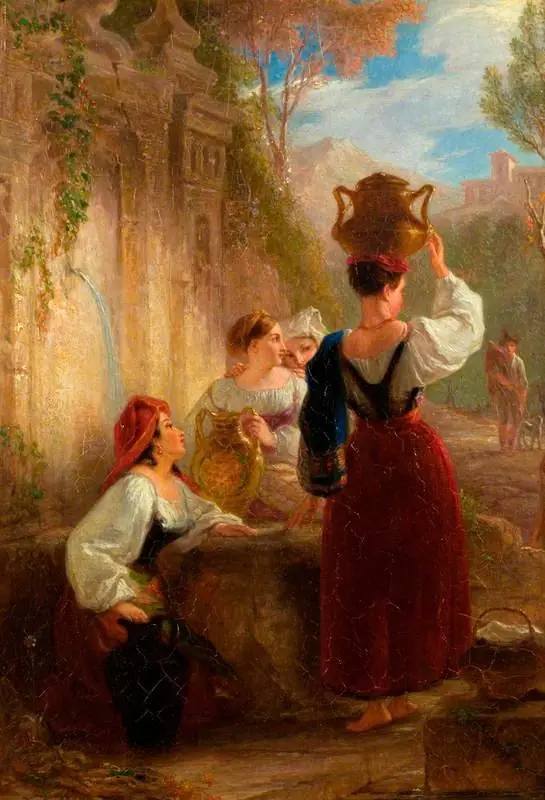
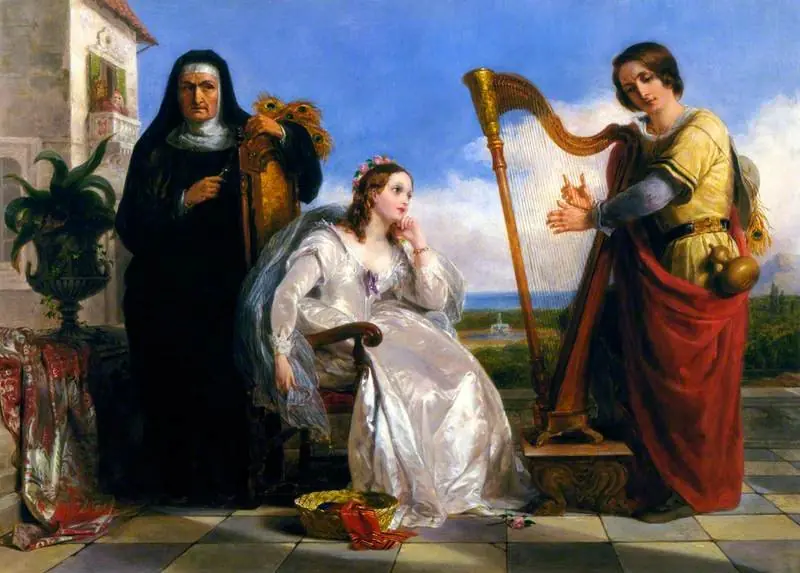
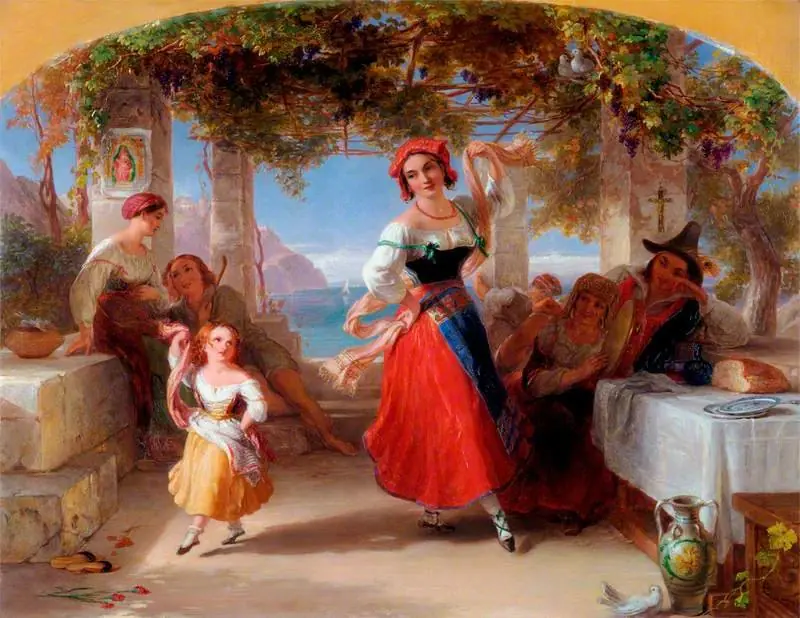
The scene portrays a young Neapolitan boy placing a floral wreath on the head of a girl seated on the ground, likely during a celebration honoring the Madonna of the Arch. Her downward gaze and the small dark object in her lap suggest introspection, while his tender gesture implies devotion—not only to the religious occasion but also to her. The intimacy of the moment elevates the ordinary into a gesture of personal and communal significance.
Technique & Style
Uwins employed oil paint to achieve fine detail in the textures of clothing, foliage, and skin tones. The composition is grounded in naturalism: the figures are arranged informally within a sunlit outdoor setting, with soft modeling of light and shadow. The palette is restrained, dominated by earth tones and muted reds, reinforcing the scene’s quiet dignity. Brushwork is precise but unobtrusive, favoring clarity over dramatic effect.
History & Provenance
Created during Uwins’s active years as a member of the Royal Academy and the Old Watercolour Society, the painting reflects his broader interest in European vernacular life. It entered the Victoria and Albert Museum’s collection in the 19th century, likely through acquisition or donation. Its preservation aligns with the museum’s focus on documenting decorative arts and everyday cultural practices of the period.
Context
In the 1840s, British artists increasingly traveled to southern Europe, drawn by its light, color, and perceived authenticity. Uwins’s depiction of a local festival aligns with a broader trend of genre painting that sought to portray non-idealized, everyday moments. While religious in setting, the work emphasizes human connection over dogma, reflecting a secularizing shift in Victorian visual culture.
Legacy
Though not widely exhibited today, the painting remains a representative example of British realism’s engagement with Mediterranean life. It contributes to the historical record of how 19th-century artists interpreted foreign customs through a lens of empathy and observation, rather than exoticism. Its presence in a major public collection ensures continued access for study and reflection.
Artist & collection
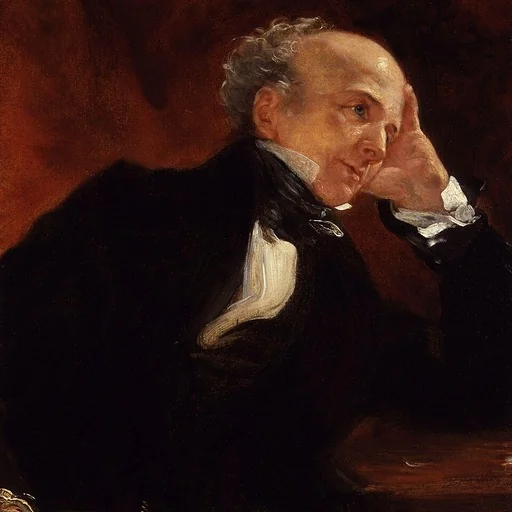
Artist
Thomas Uwins (24 February 1782, in London – 26 August 1857) was a British portrait, subject, genre and landscape painter in watercolour and oil, and a book illustrator.