Artwork
The Bride of Lammermoor (from Sir Walter Scott's novel)
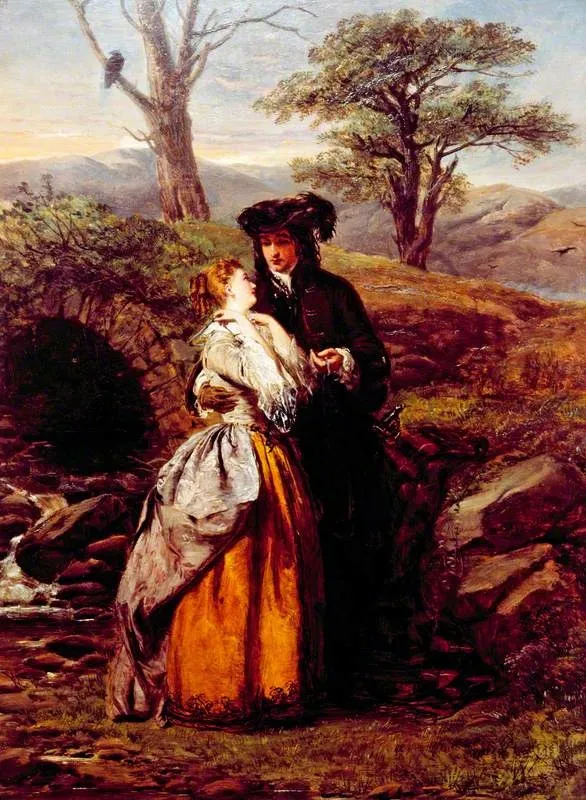
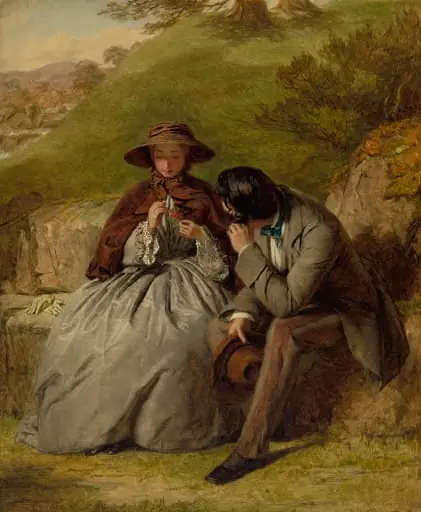
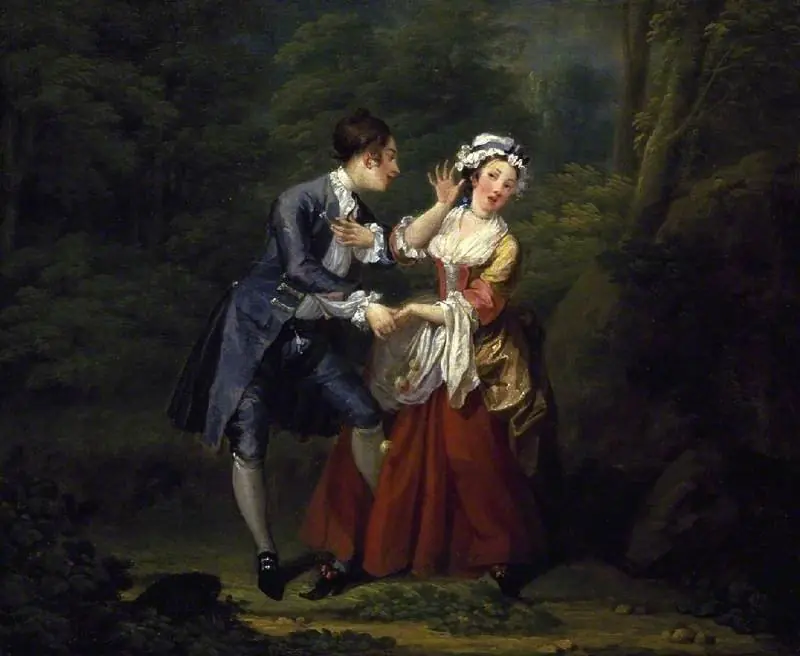
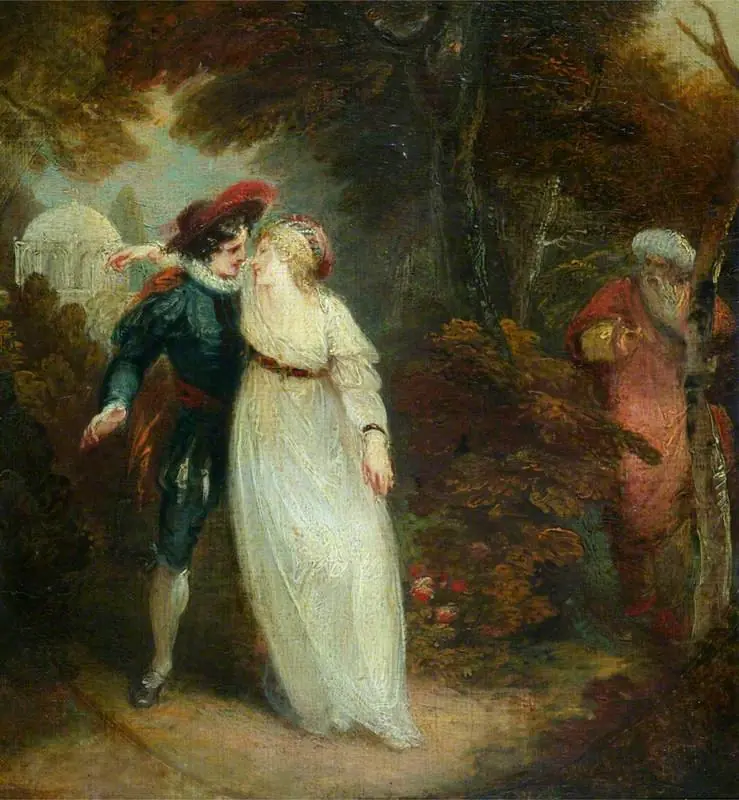
The Bride of Lammermoor (from Sir Walter Scott's novel) is an oil painting by the Realist artist William Powell Frith. It dates from 1852 and is held in the collection of the Victoria and Albert Museum.
About this work
The painting is a genre scene, meaning it captures everyday life moments, even though the story behind it is literary.
The Bride of Lammermoor is an oil painting by English artist William Powell Frick, completed in 1852. It shows a couple from Sir Walter Scott’s novel of the same name, set around the time of the 1707 Act of Union. Frick made this work early in his career, before he became known for large‑scale genre scenes like The Derby Day.
The painting is a genre scene, meaning it captures everyday life moments, even though the story behind it is literary. It lives today in the Victoria and Albert Museum, where visitors can see it alongside other 19th‑century works.
Check out the museum: Victoria and Albert Museum.
Overview
William Powell Frith’s 1852 oil on panel, titled The Bride of Lammermoor, depicts a scene drawn from Sir Walter Scott’s novel of the same name. The work presents a moment between the novel’s central couple, set against the backdrop of early eighteenth‑century Scotland, shortly after the 1707 union of England and Scotland. It is held in the collection of the Victoria and Albert Museum in London.
Subject & Meaning
The composition captures the tender yet fraught encounter between the novel’s protagonists, reflecting the themes of love, duty, and political tension that permeate Scott’s narrative. By focusing on an intimate exchange rather than a dramatic climax, Frith emphasizes personal emotion within a broader historical context, inviting viewers to consider the private consequences of public upheaval.
Technique & Style
Executed in oil on a wooden panel, the painting demonstrates Frith’s early attention to detail and careful modelling of figures. The palette is restrained, employing muted earth tones that convey the subdued atmosphere of a domestic interior. Light falls softly across the couple, highlighting textures of fabric and skin, while the overall composition remains balanced and narrative‑driven.
History & Provenance
Created early in Frith’s career, the piece predates his later large‑scale genre works such as The Derby Day and The Railway Station. After its exhibition, the painting entered the collection of the Victoria and Albert Museum, where it remains on display as part of the museum’s 19th‑century British painting holdings.
Context
The novel The Bride of Lammermoor, part of Scott’s Waverley series, was published in 1819 and set during the period surrounding the Act of Union. Frith’s visual interpretation reflects the Victorian fascination with historical romance and literary subjects, aligning with a broader trend among British artists of the mid‑1800s who sought to translate popular narratives into pictorial form.
Artist & collection
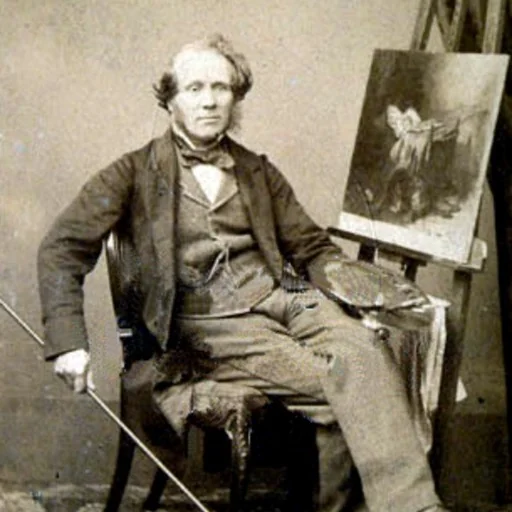
Artist
William Powell Frith was an English painter specialising in genre subjects and panoramic narrative works of life in the Victorian era.

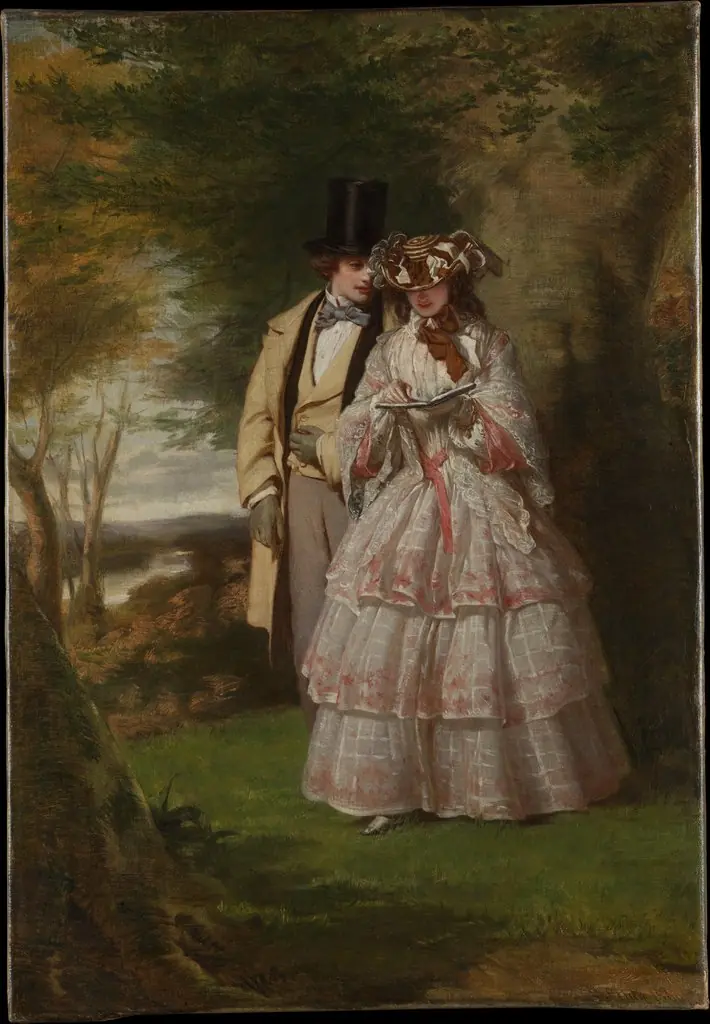 The Two Central Figures in "Derby Day"
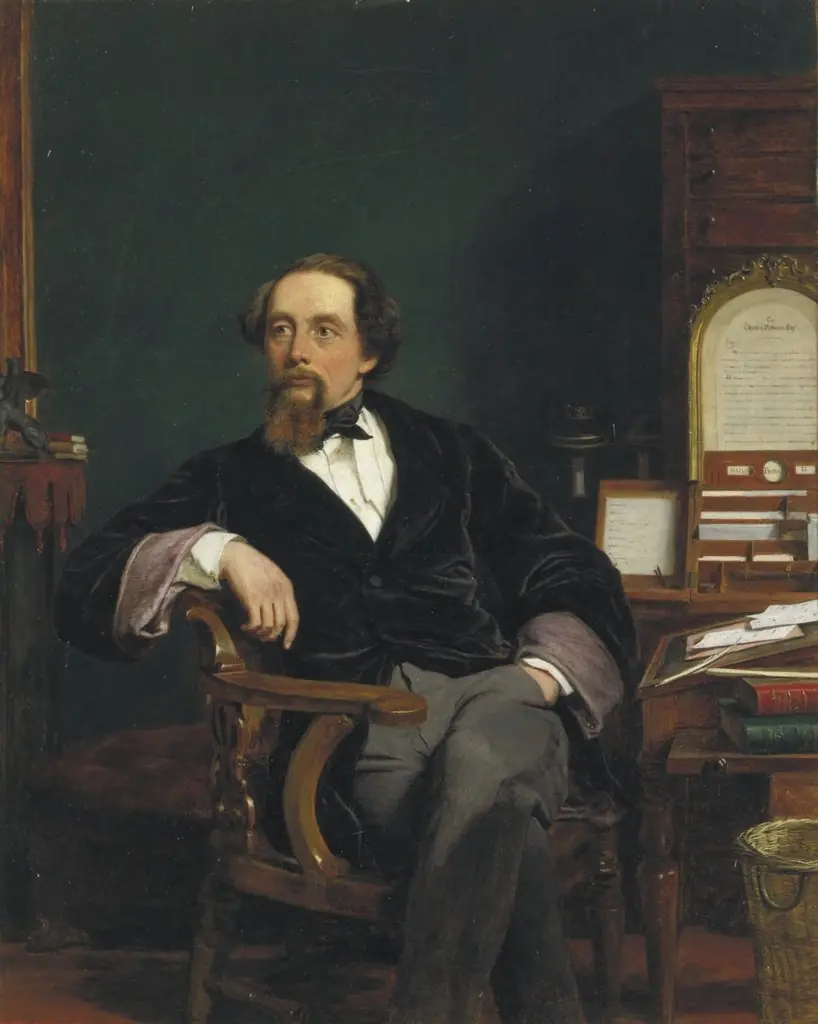 Charles Dickens in his Study
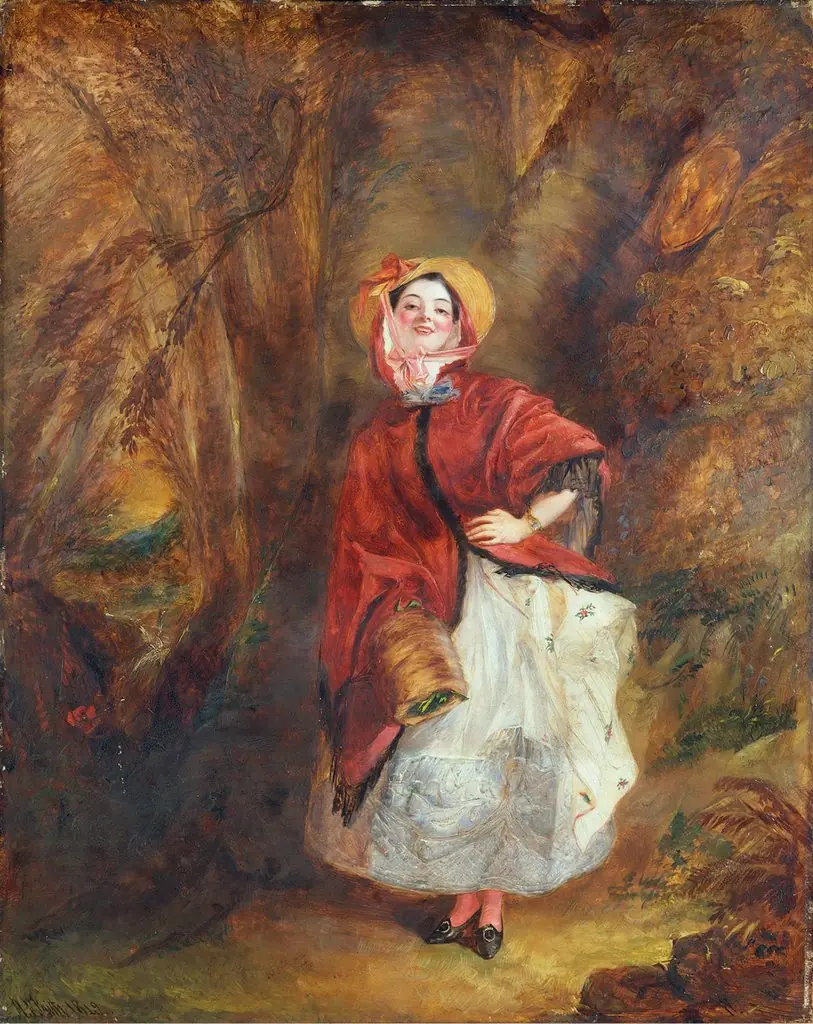 Dolly Varden
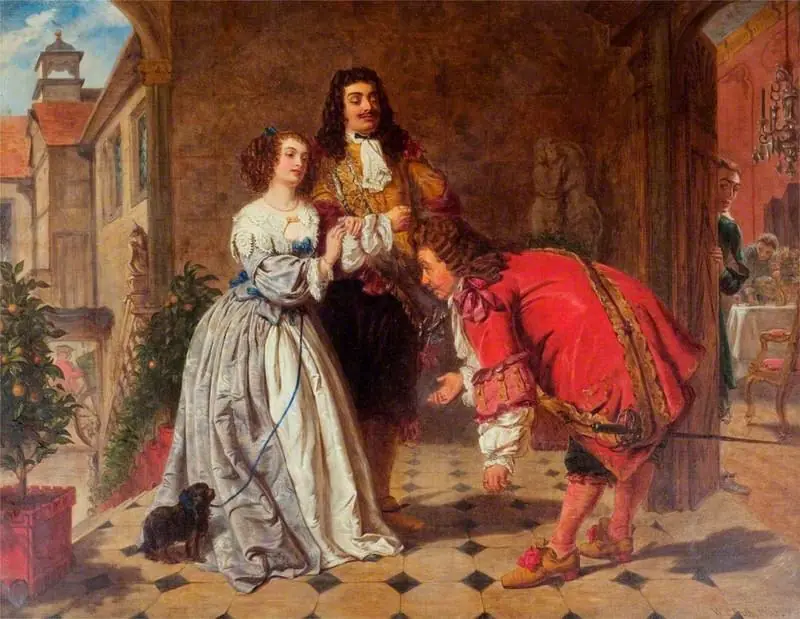 Monsieur Jourdain Receiving His Guests (from Molière's 'Le Bourgeois Gentilhomme')
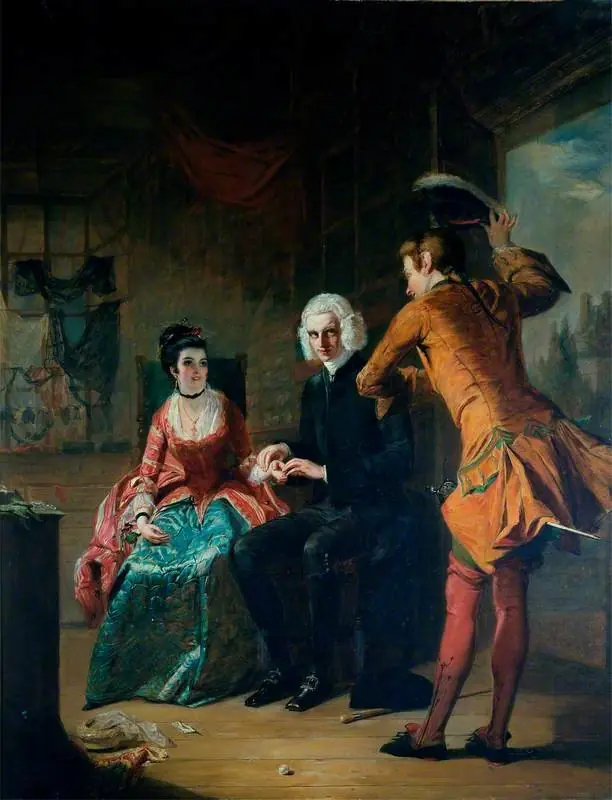 Scene from Laurence Sterne's 'A Sentimental Journey'
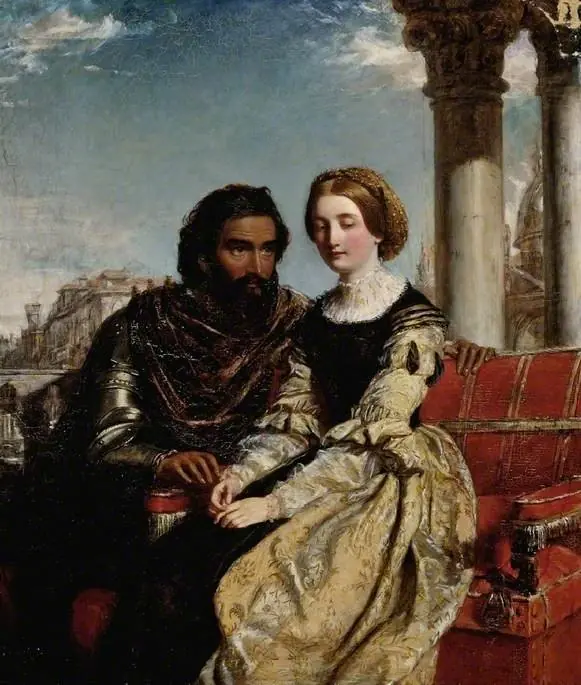 Othello and Desdomona (1856)
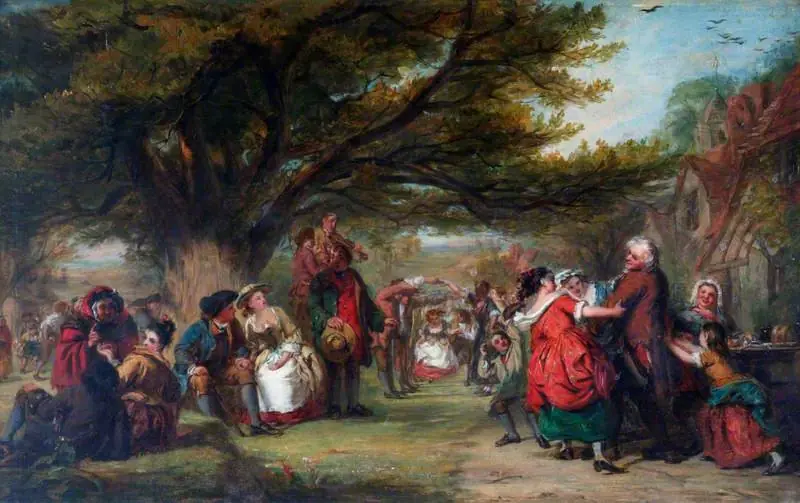 An English Merry-Making, a Hundred Years Ago
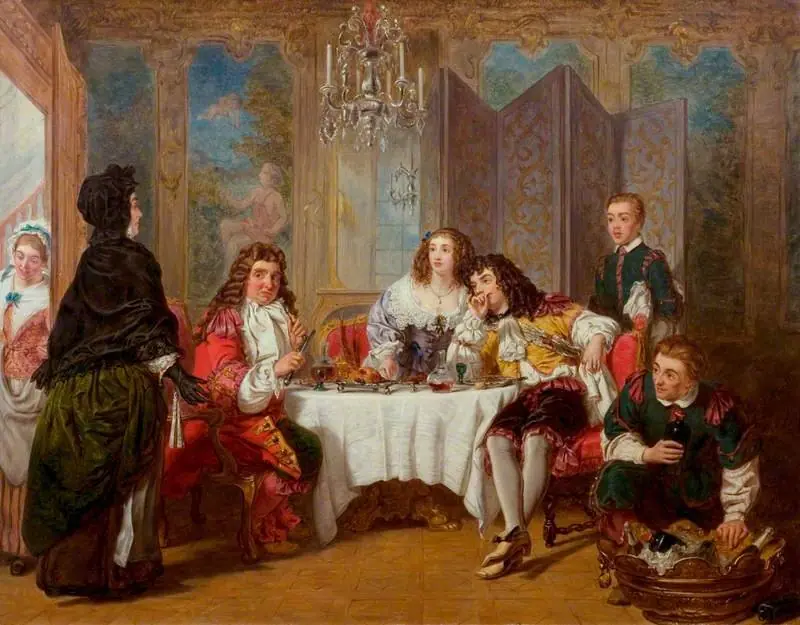 Madame Jourdain Finds Her Husband Entertaining Dorimène and Dorante (from Molière's 'Le Bourgeois Gentilhomme')