Artwork
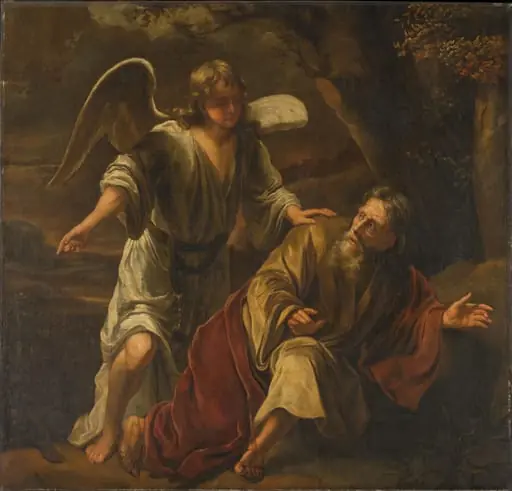
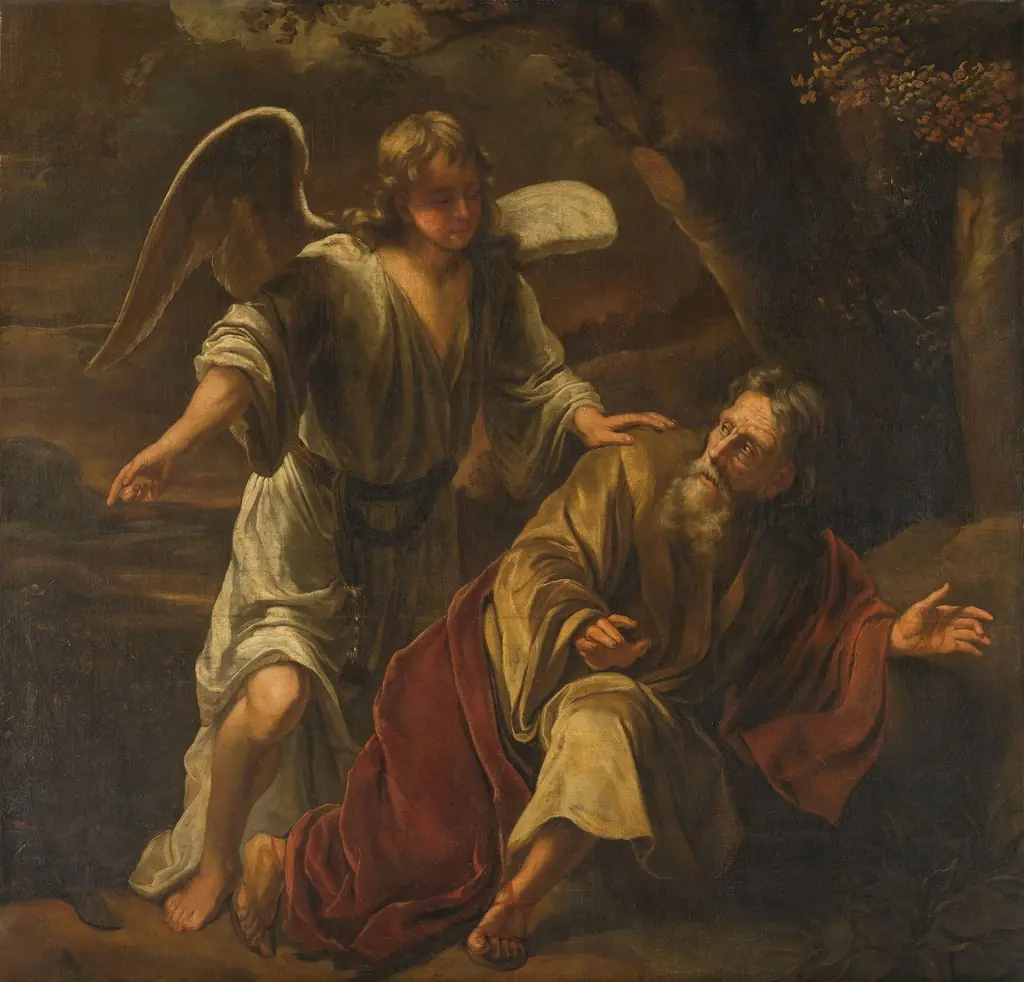
The prophet Elijah awakened by the angel on Mount Horeb (I Kings 19:5-6)
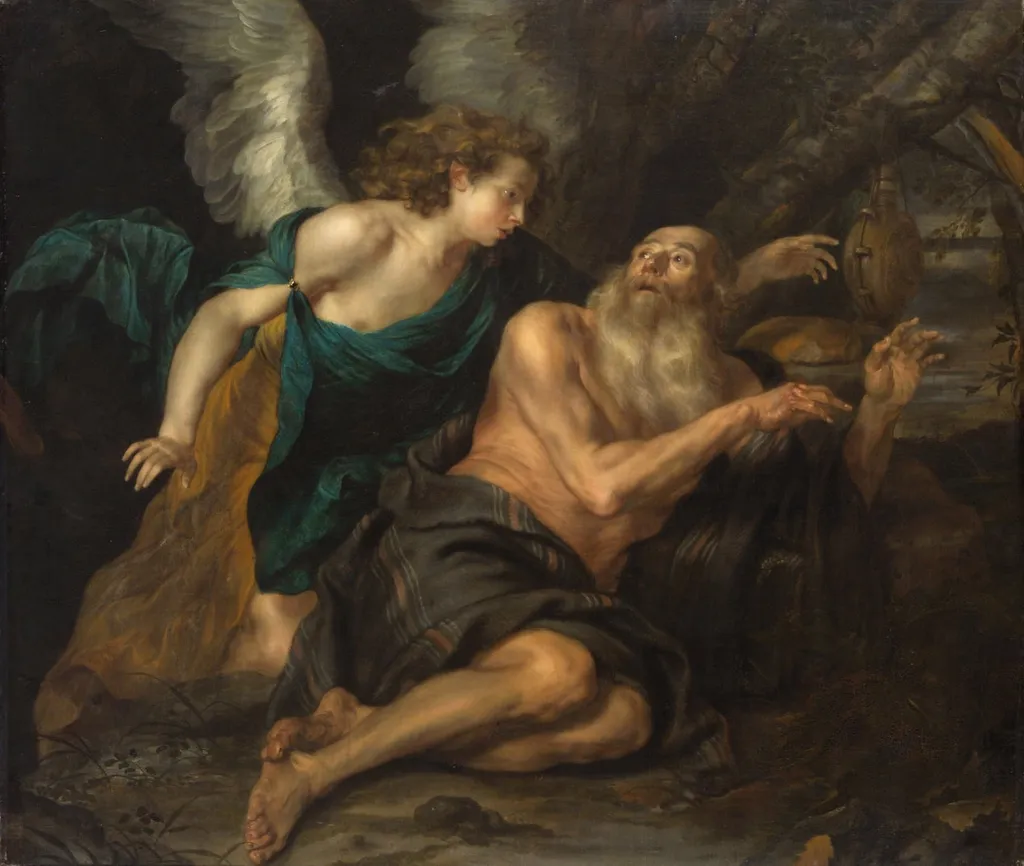
The prophet Elijah awakened by the angel on Mount Horeb (I Kings 19:5-6) is an oil painting by the Flemish Baroque painting artist Thomas Willeboirts Bosschaert. It dates from 1647 and is held in the collection of the Kunsthistorisches Museum.
About this work
Overview
It portrays the prophet Elijah, exhausted and asleep on the rocky terrain of Mount Horeb, being roused by a divine messenger.
Painted in 1647 by Thomas Willeboirts Bosschaert, this oil-on-canvas work depicts a moment from the biblical Book of Kings. It portrays the prophet Elijah, exhausted and asleep on the rocky terrain of Mount Horeb, being roused by a divine messenger. The scene is rendered with careful attention to physical presence and emotional stillness, characteristic of early Baroque religious painting in the Southern Netherlands.
Subject & Meaning
The scene illustrates Elijah’s moment of spiritual renewal after fleeing persecution. As he sleeps, an angel delivers sustenance, signaling divine care amid despair. The gesture of the angel’s touch and Elijah’s half-awake reach convey quiet intimacy rather than dramatic revelation. The lyre nearby alludes to prophetic song and divine inspiration, reinforcing the theme of restored purpose through quiet intervention.
Technique & Style
Bosschaert employs chiaroscuro to isolate the figures against a shadowed landscape, heightening their emotional weight. Warm skin tones contrast with the cool hues of the angel’s drapery, drawing the eye to their interaction. The textures of rock, fabric, and skin are rendered with restrained detail, avoiding excess while maintaining tactile realism. The composition is tightly framed, focusing attention on the moment of awakening.
History & Provenance
Created in 1647, the painting entered the collection of the Kunsthistorisches Museum in Vienna, where it remains today. Its origins trace to the artist’s workshop in Antwerp, a center for religious commissions during the Counter-Reformation. The work reflects the demand for biblical narratives that emphasized personal devotion and divine mercy, common themes in Habsburg-sponsored art.
Context
In mid-17th century Flanders, religious art often served as a tool for spiritual reflection amid political and religious upheaval. Bosschaert’s depiction aligns with a trend toward intimate, psychologically nuanced biblical scenes, moving away from grand spectacle. The emphasis on solitude, touch, and quiet revelation resonated with Counter-Reformation ideals promoting personal connection with the divine.
Legacy
Though not widely reproduced, the painting exemplifies the quiet intensity favored by Flemish religious painters of the era. Its restrained drama and focus on human vulnerability influenced later devotional imagery in Northern Europe. Today, it stands as a testament to the period’s capacity for conveying sacred moments through subtle gesture and controlled light.
Artist & collection
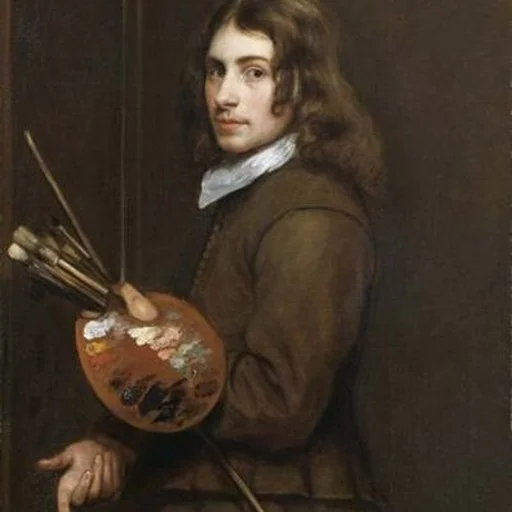
Artist
Thomas Willeboirts Bosschaert (1613–1654) was an artist, born in Bergen op Zoom.

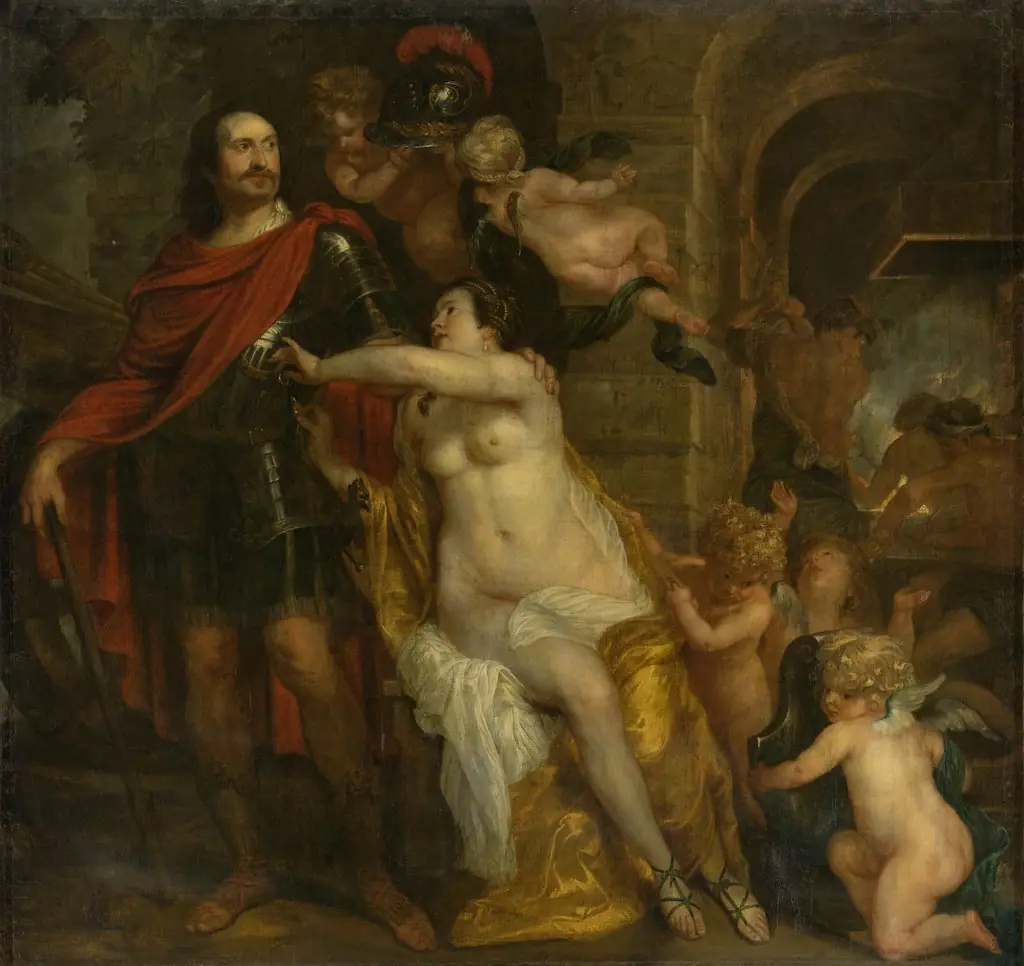 Allegorical depiction of Mars (Friedrich Wilhelm, elector of Brandenburg?) receiving the weapons of Venus (Louisa Henrietta, countess of Nassau?) and Vulcan
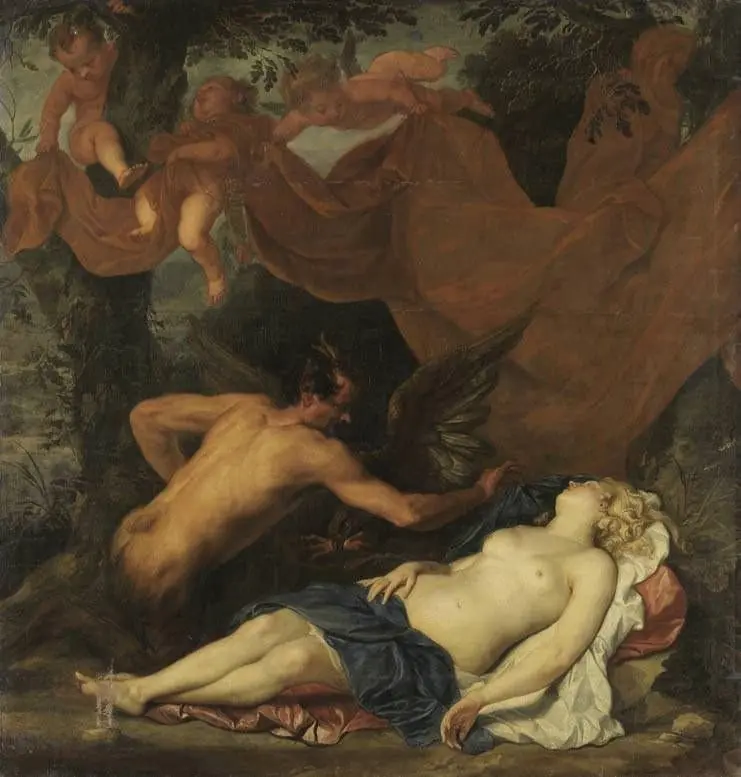 Jupiter and Antiope
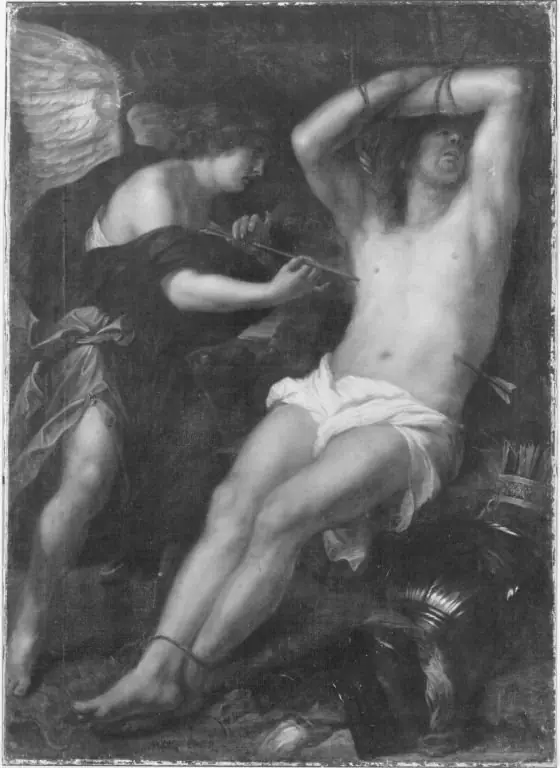 Hl. Sebastian
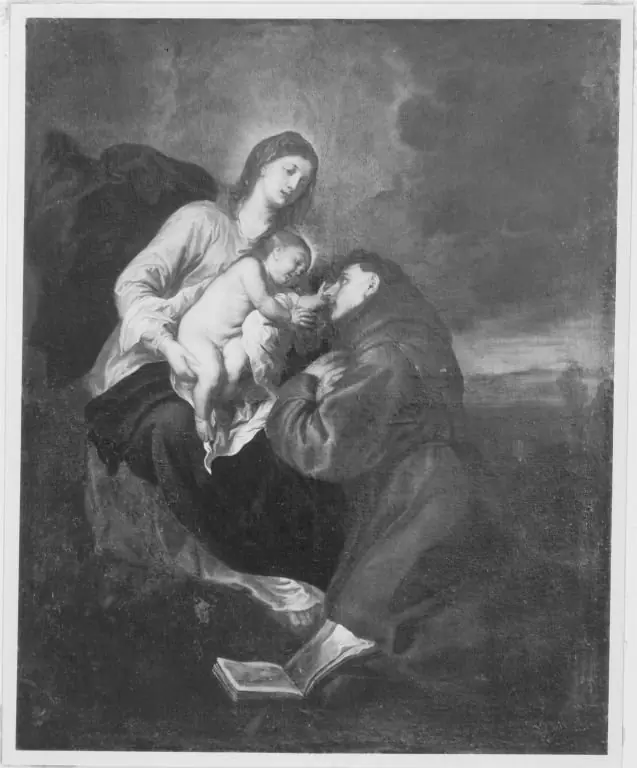 Vision des hl. Antonius von Padua
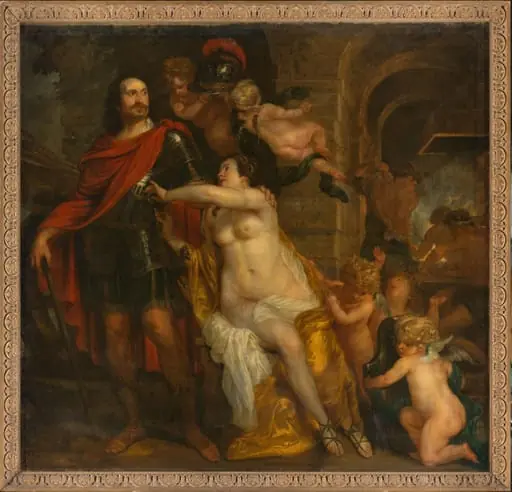 Venus Arming a Warrior, possibly Johan Maurits at the Forge of Vulcan
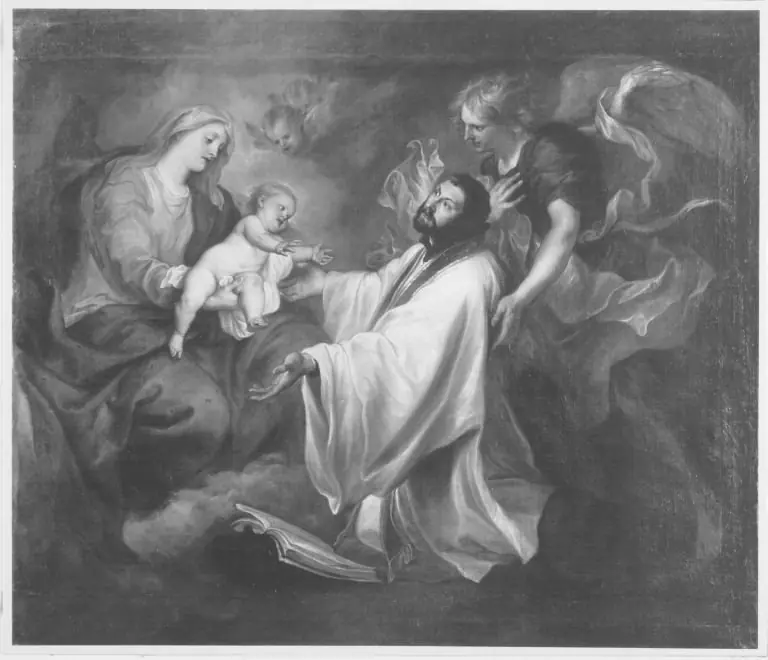 Hl. Cajetan
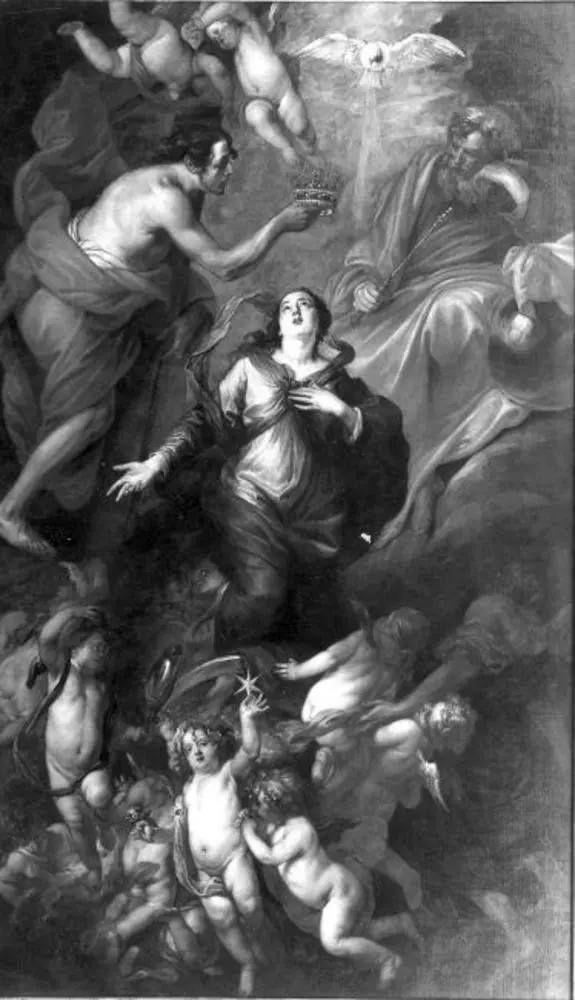 Coronation of Mary
 Study of a Boy's Head