Artwork
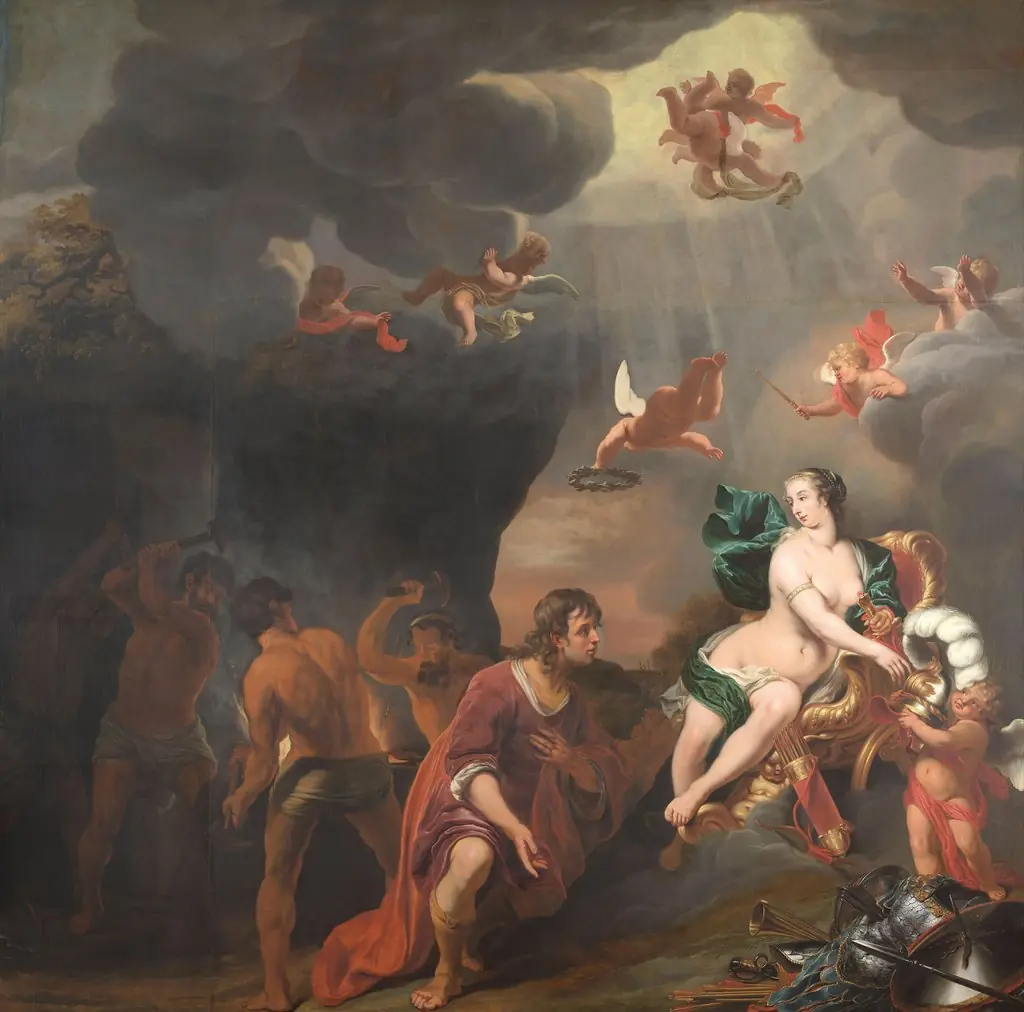
Venus Arming a Warrior, possibly Johan Maurits at the Forge of Vulcan
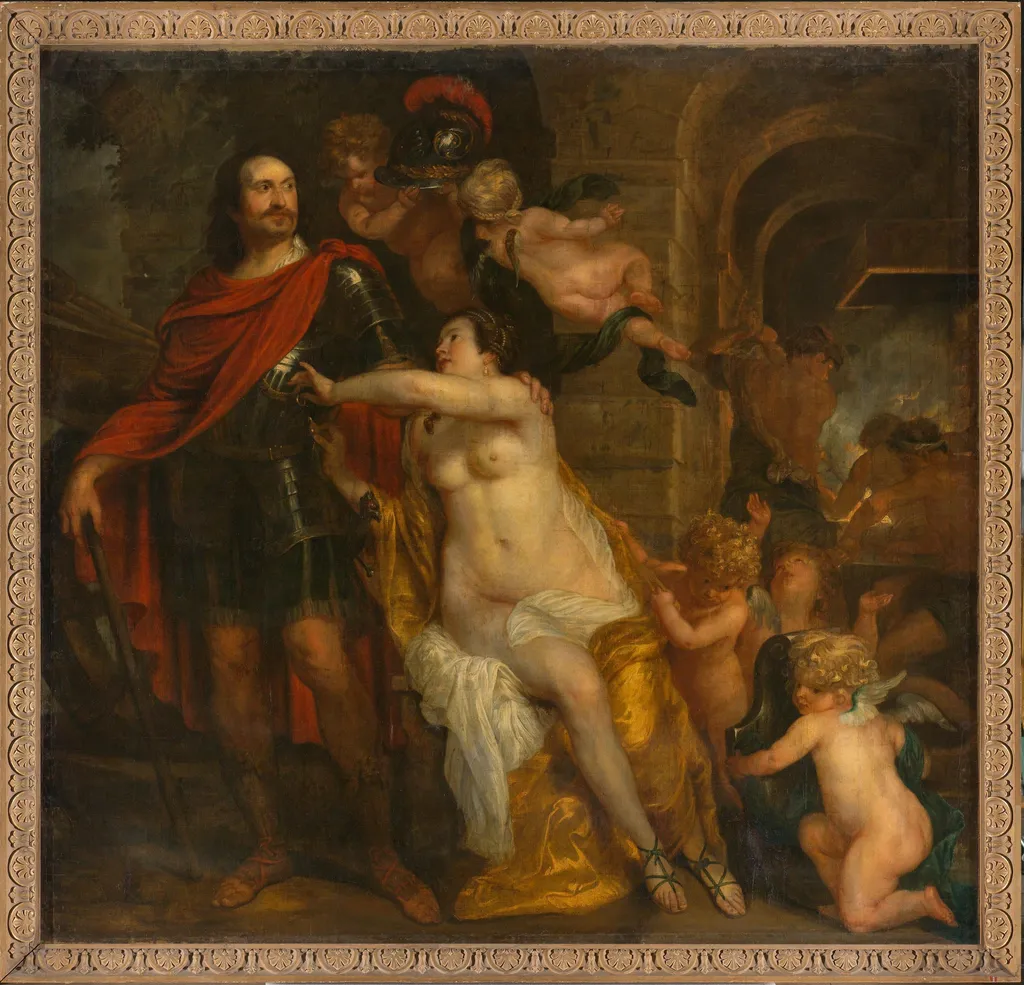
Venus Arming a Warrior, possibly Johan Maurits at the Forge of Vulcan is an unspecified painting by the Baroque artist Thomas Willeboirts Bosschaert. It dates from 1644 and is held in the collection of the Rijksmuseum.
About this work
Overview
The canvas depicts a mythological tableau in which a woman in a pink gown presents a sword to a male figure, while two cherubic children lift a helmet onto his head. Additional putti handle various pieces of armor, and a blacksmith works at a forge in the distance. The composition blends allegorical representation with a portrait of contemporary aristocracy.
Subject & Meaning
The central male figure is identified as the Elector Friedrich Wilhelm of Brandenburg, cast in the role of Mars, the god of war. Opposite him, his consort Louisa Henrietta of Nassau appears as Venus, the goddess of love, handing the weapon to her husband. The surrounding putti and the forge scene reinforce the themes of martial preparation and divine patronage.
Technique & Style
Executed in the Flemish Baroque idiom, the painting employs a dynamic arrangement of figures and rich coloration, particularly the luminous pink of the woman's dress. Light falls on the central pair, while the background forge is rendered in darker tones, creating depth. The brushwork balances detailed rendering of armor with softer modeling of the children's forms.
History & Provenance
The work was likely commissioned to honor the Brandenburg couple, serving both as a flattering portrait and an allegorical statement of their power. Its attribution remains uncertain, though it is associated with the workshop of a Flemish painter active in the mid‑17th century. The painting entered a private collection before being acquired by a museum in the early 20th century.
Context
During the 17th century, European courts frequently employed classical mythology to convey political messages. By portraying Friedrich Wilhelm as Mars and Louisa Henrietta as Venus, the image aligns the couple with the virtues of martial strength and harmonious partnership, reflecting contemporary ideals of rulership and dynastic legitimacy.
Artist & collection
Artist
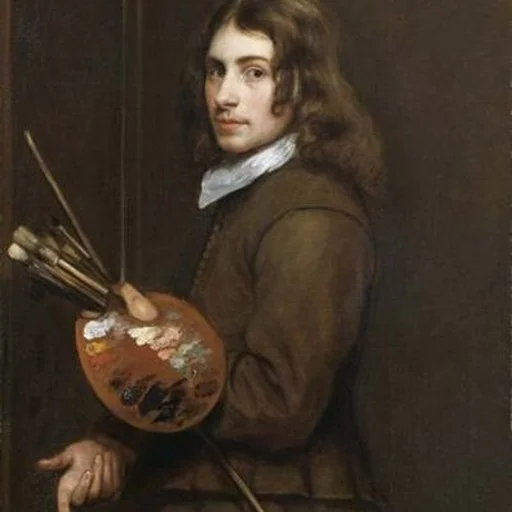
Thomas Willeboirts Bosschaert (1613–1654) was an artist, born in Bergen op Zoom.

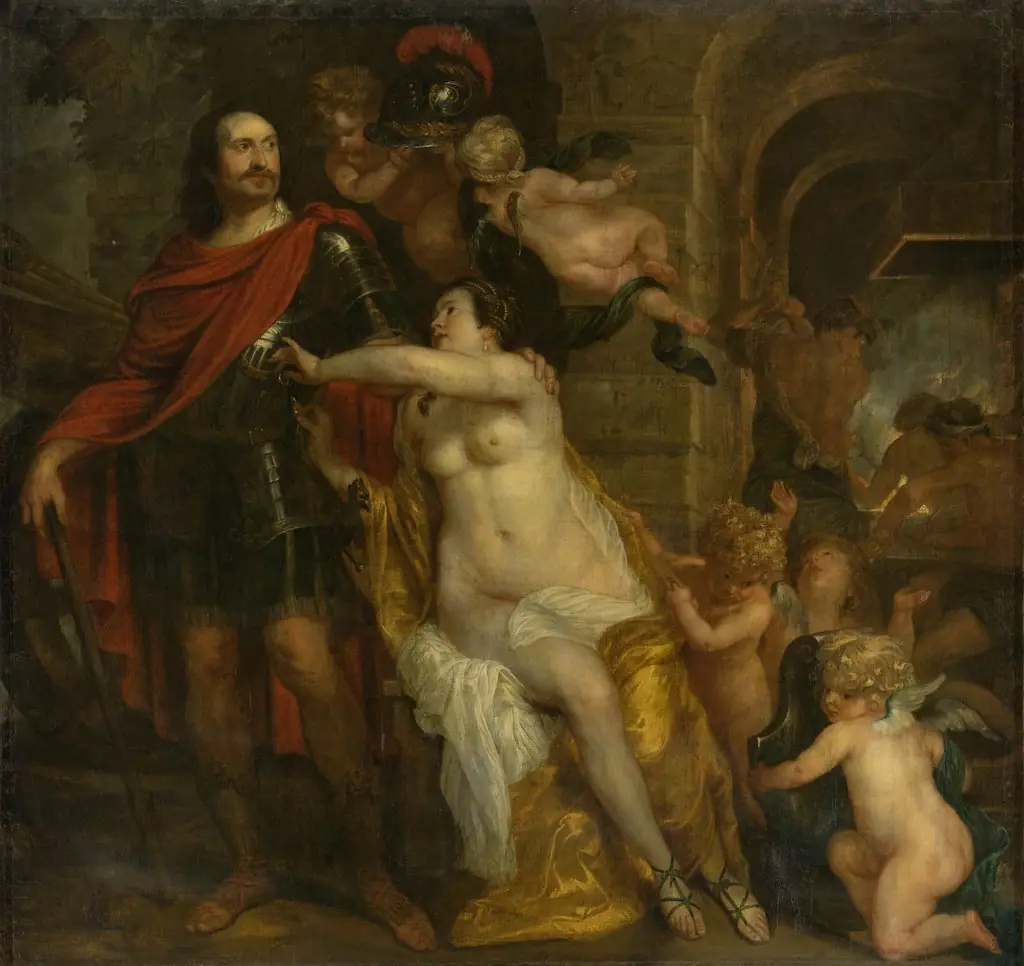 Allegorical depiction of Mars (Friedrich Wilhelm, elector of Brandenburg?) receiving the weapons of Venus (Louisa Henrietta, countess of Nassau?) and Vulcan
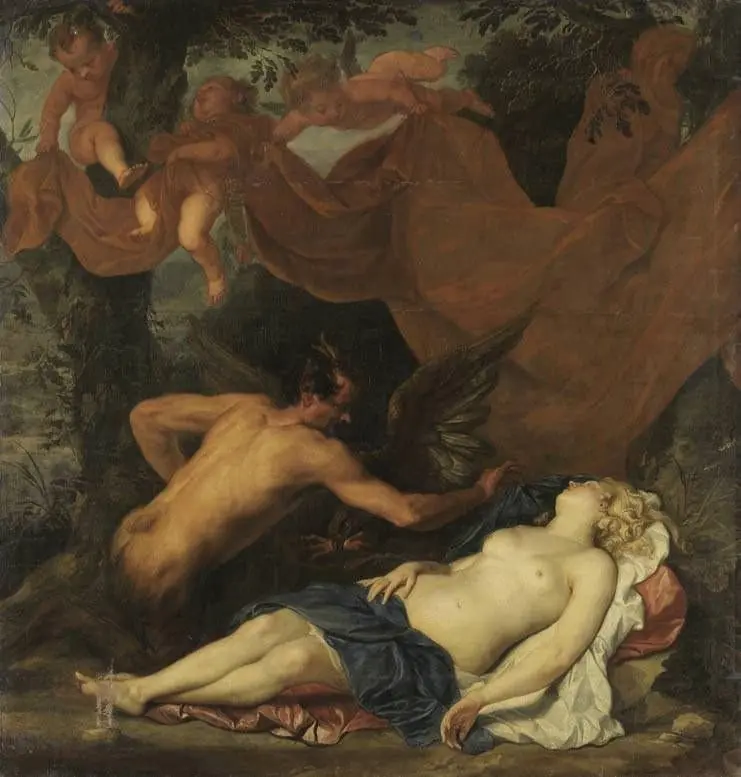 Jupiter and Antiope
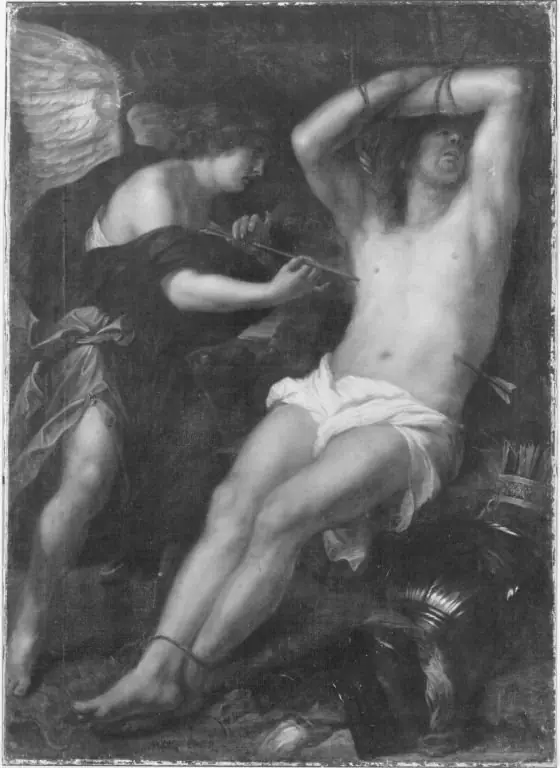 Hl. Sebastian
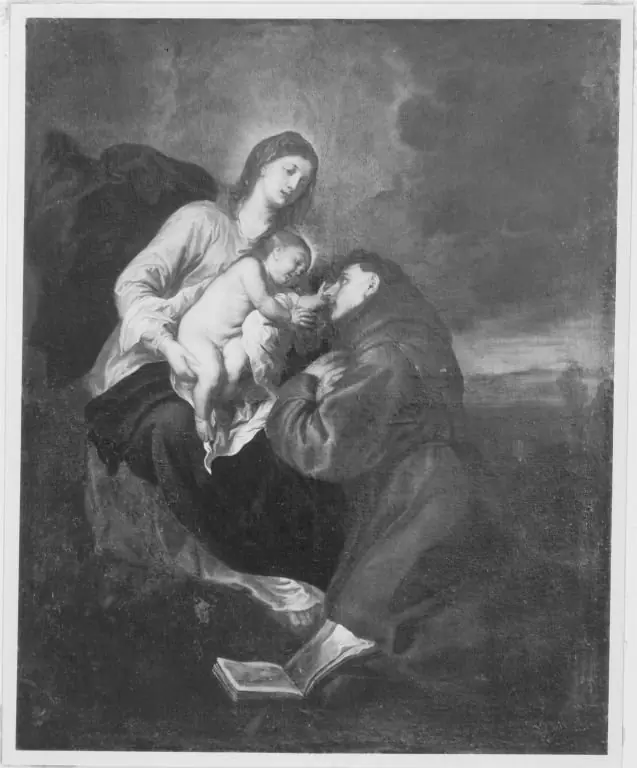 Vision des hl. Antonius von Padua
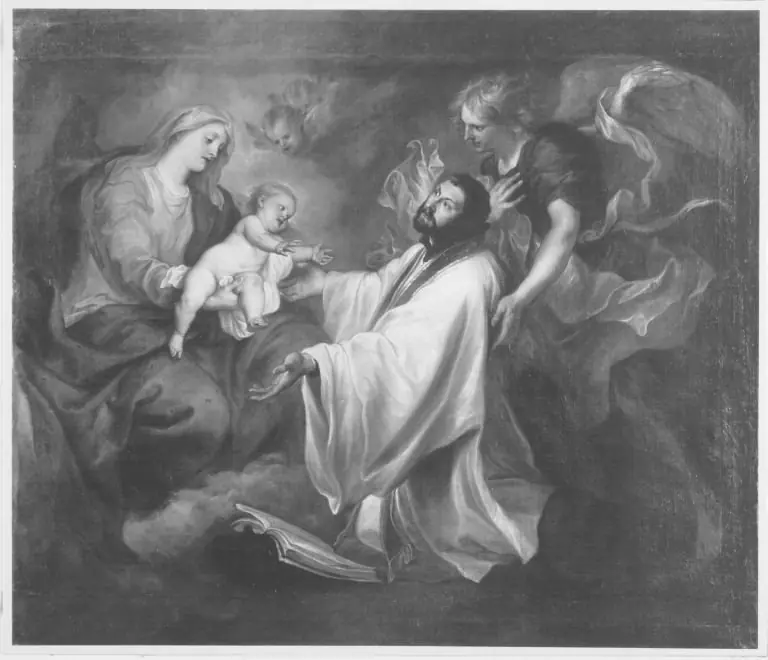 Hl. Cajetan
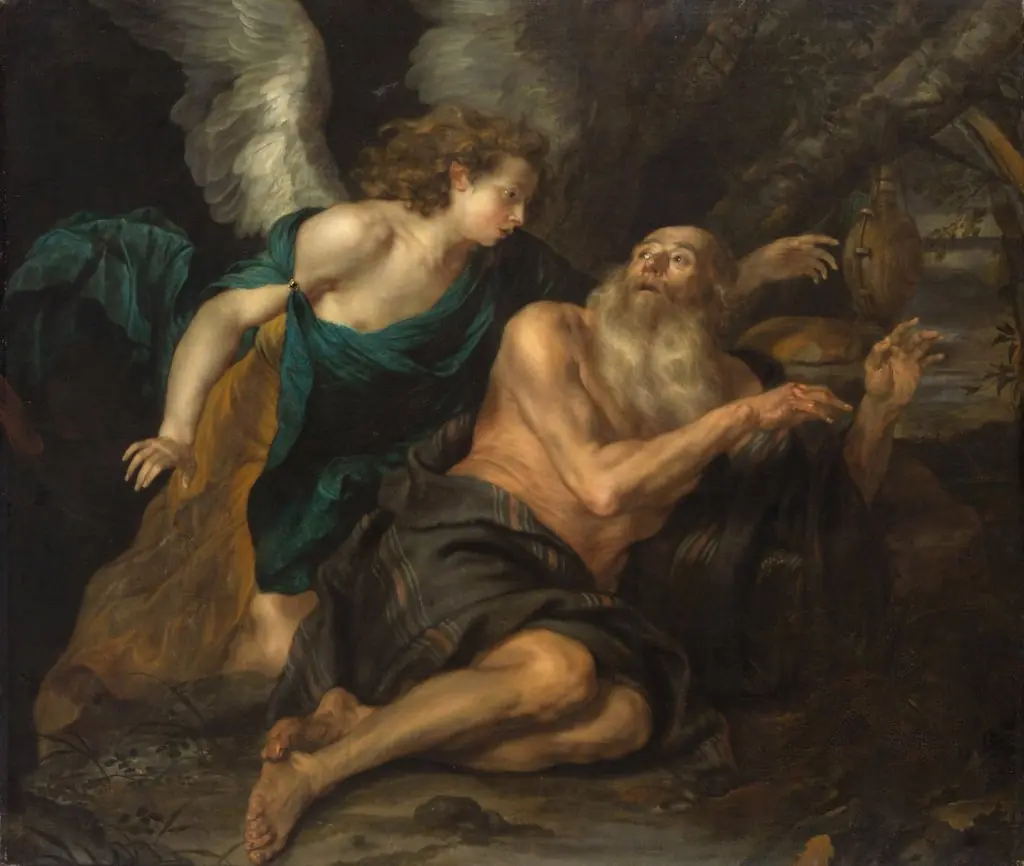 The prophet Elijah awakened by the angel on Mount Horeb (I Kings 19:5-6)
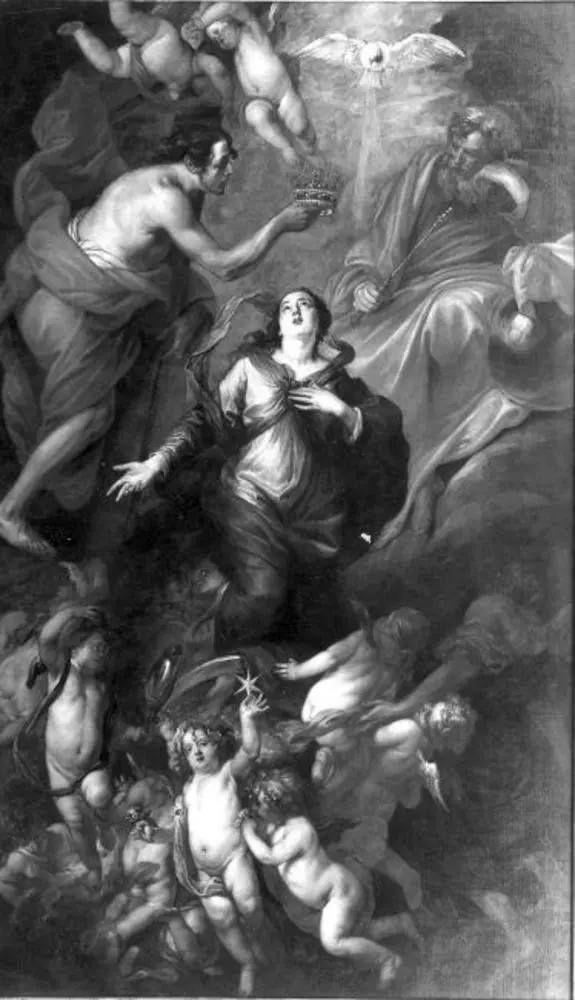 Coronation of Mary
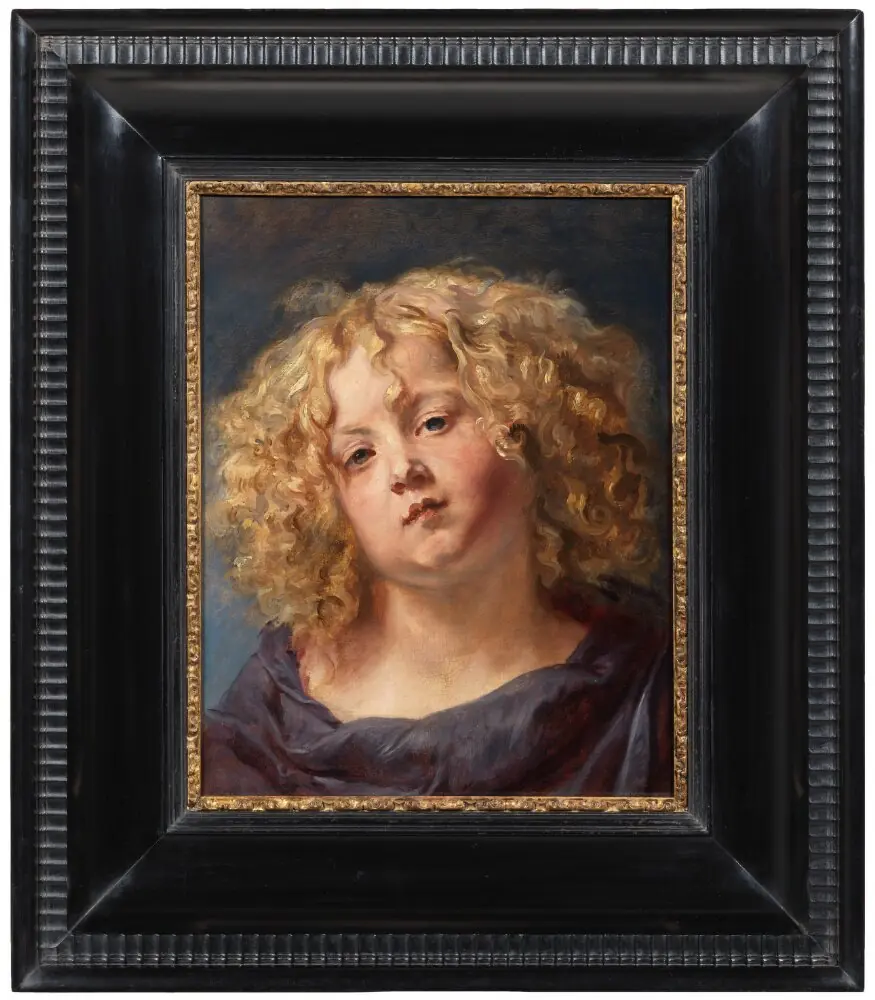 Study of a Boy's Head
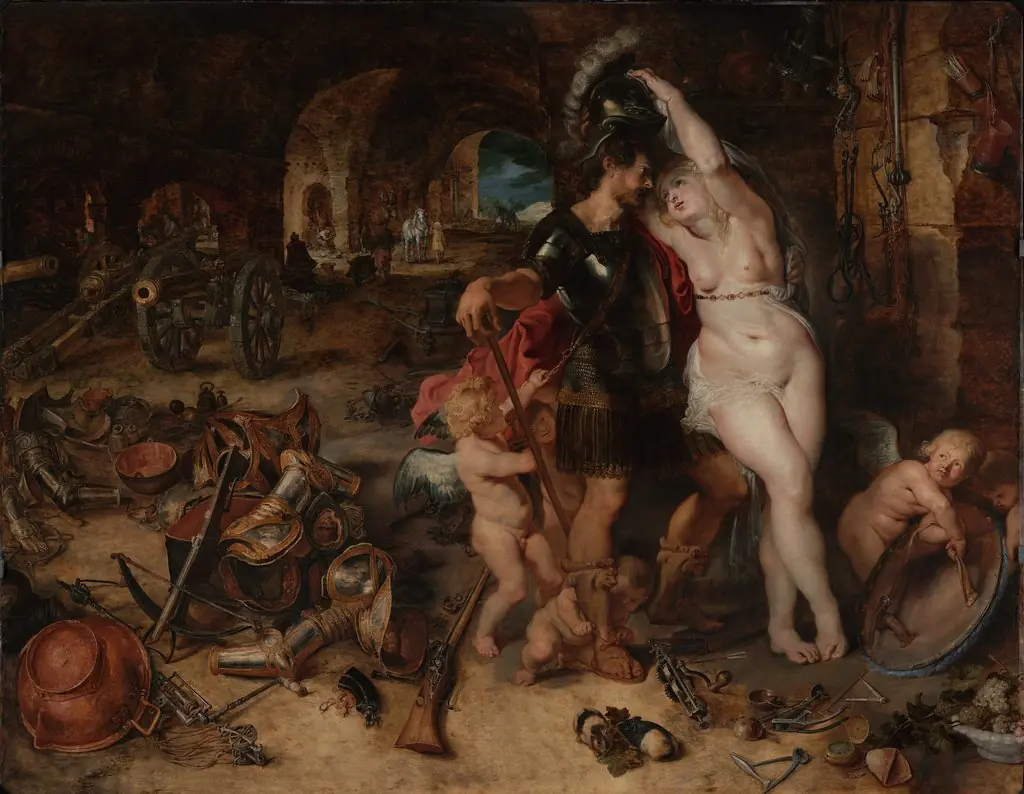 The Return from War: Mars Disarmed by Venus
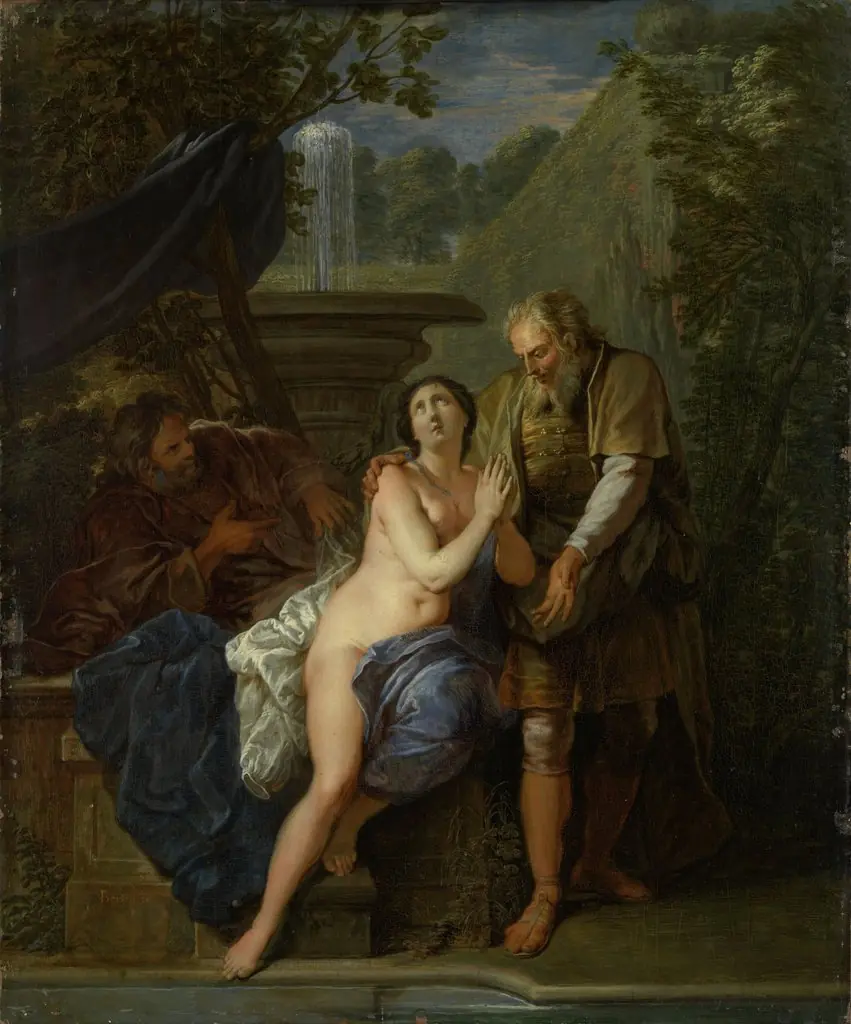 Susanna and the Elders
 Achilles ontvangt van Thetis een nieuwe wapenrusting uit de smidse van Vulcanus
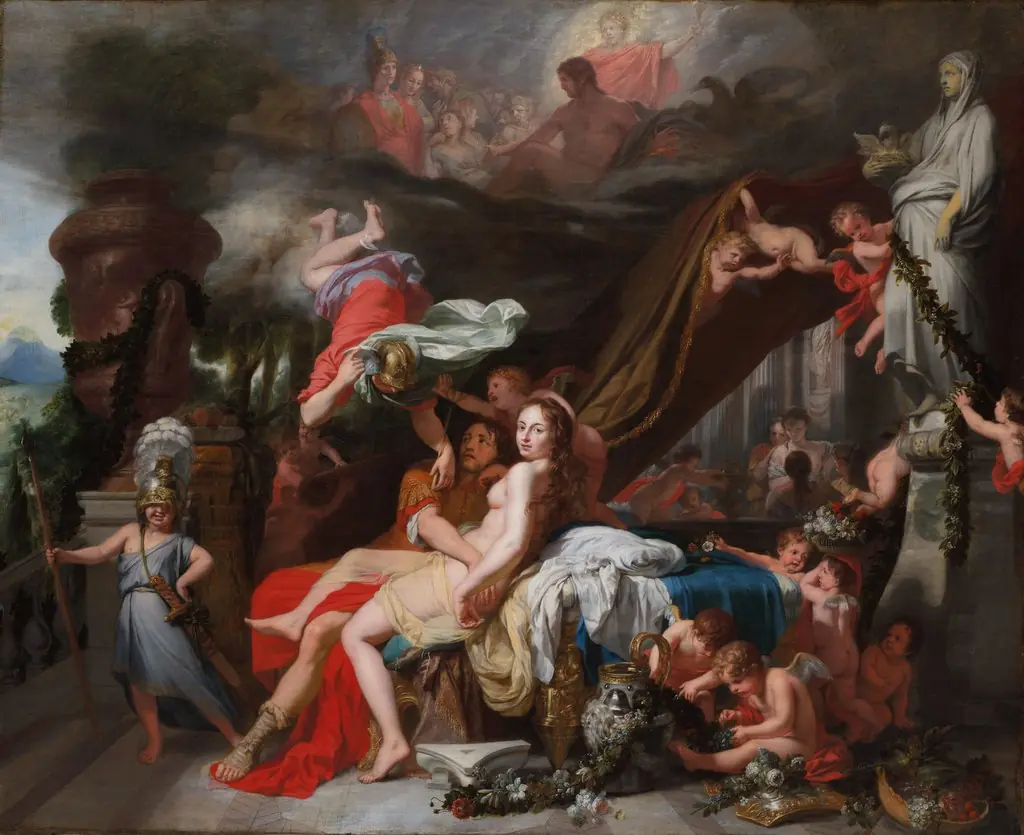 Hermes Ordering Calypso to Release Odysseus
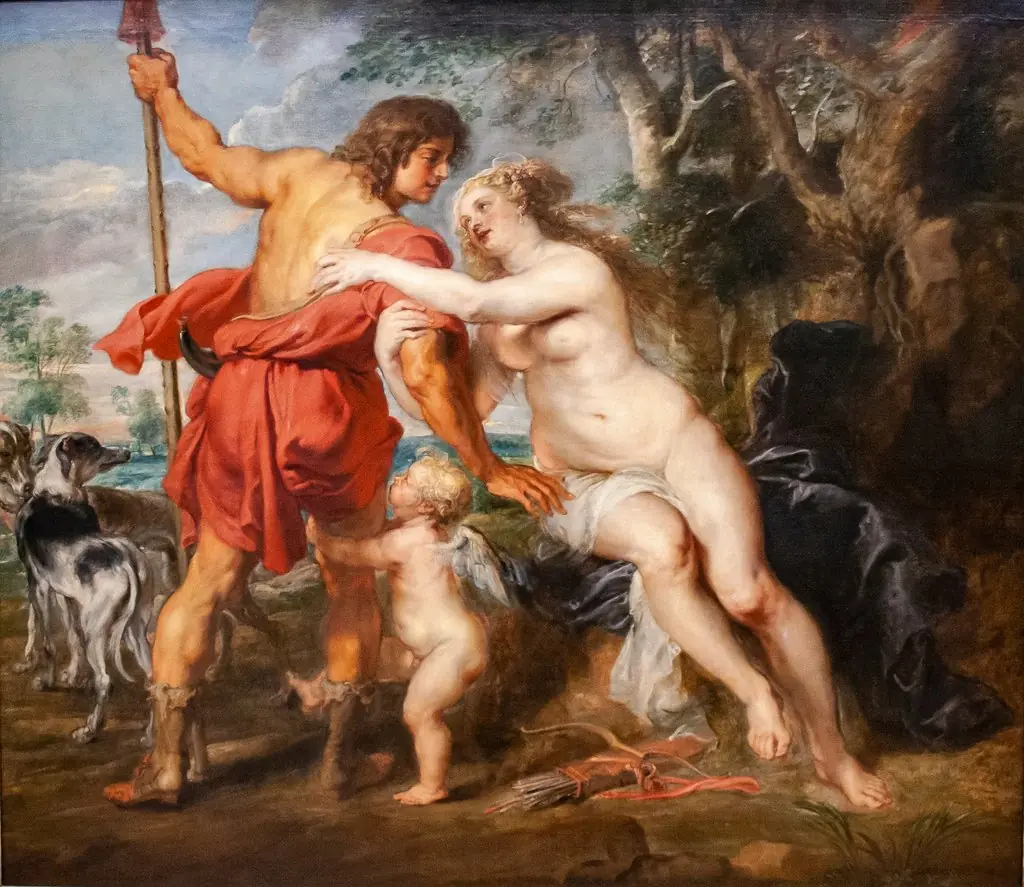 Venus and Adonis
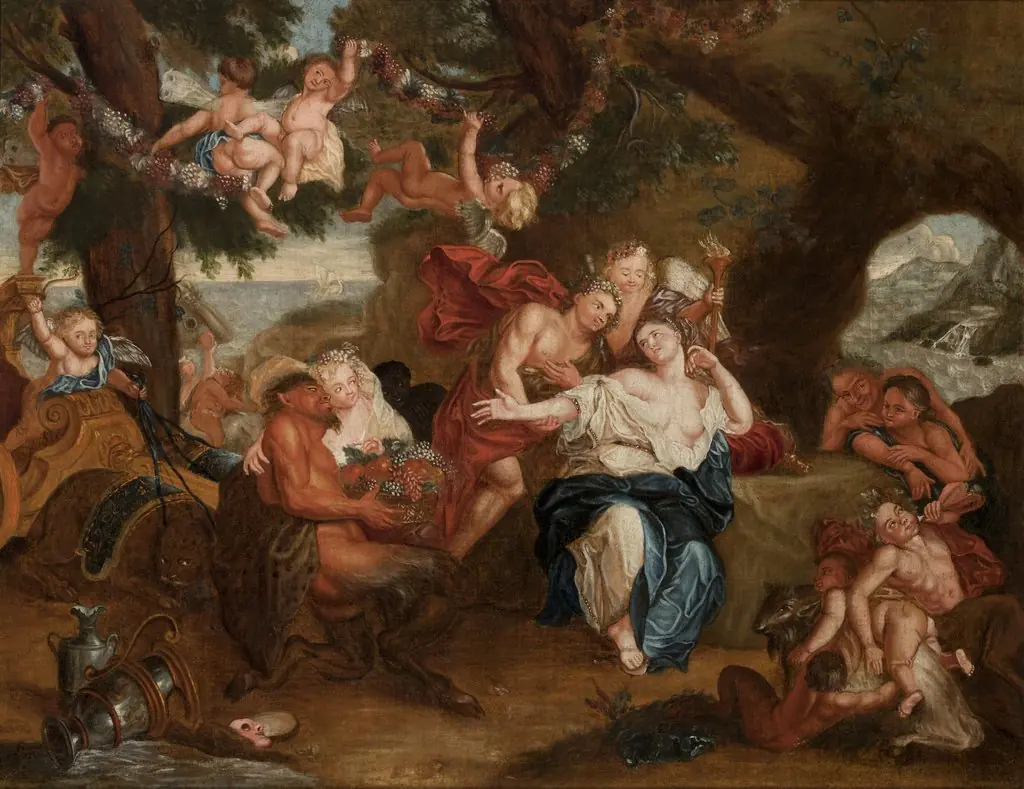 Bacchus and Ariadne on the Island of Naxos
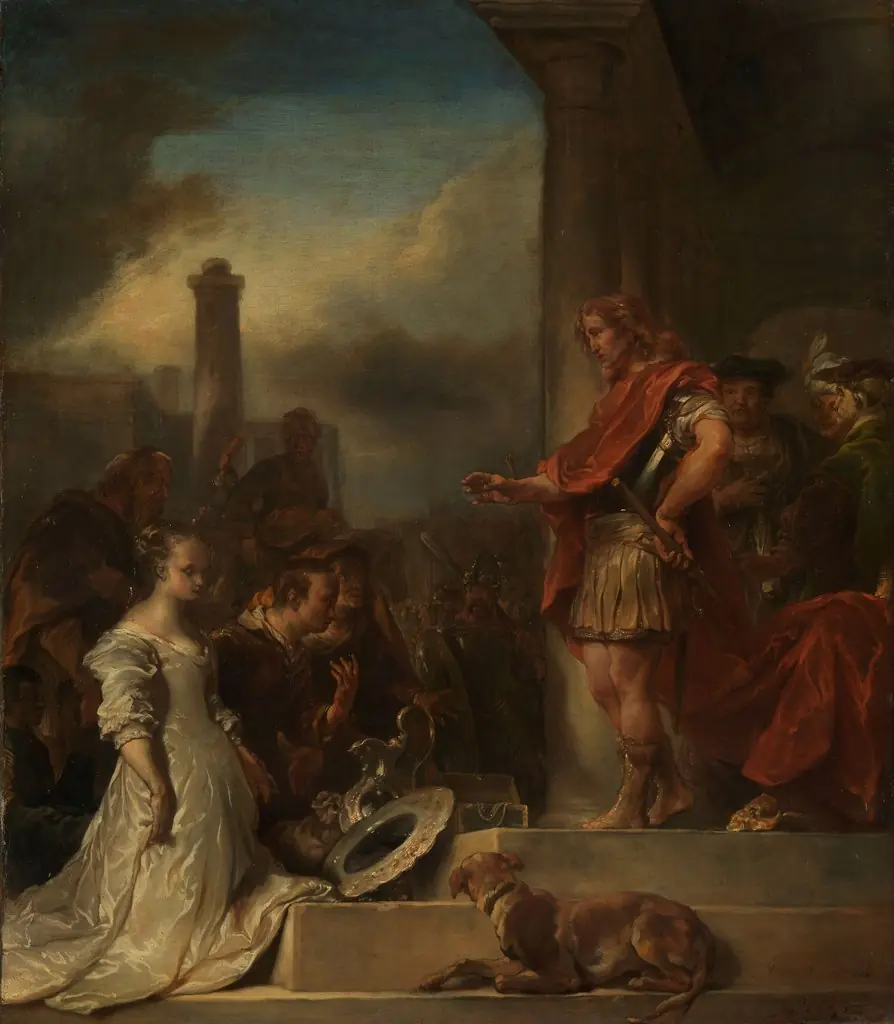 The continence of Scipio
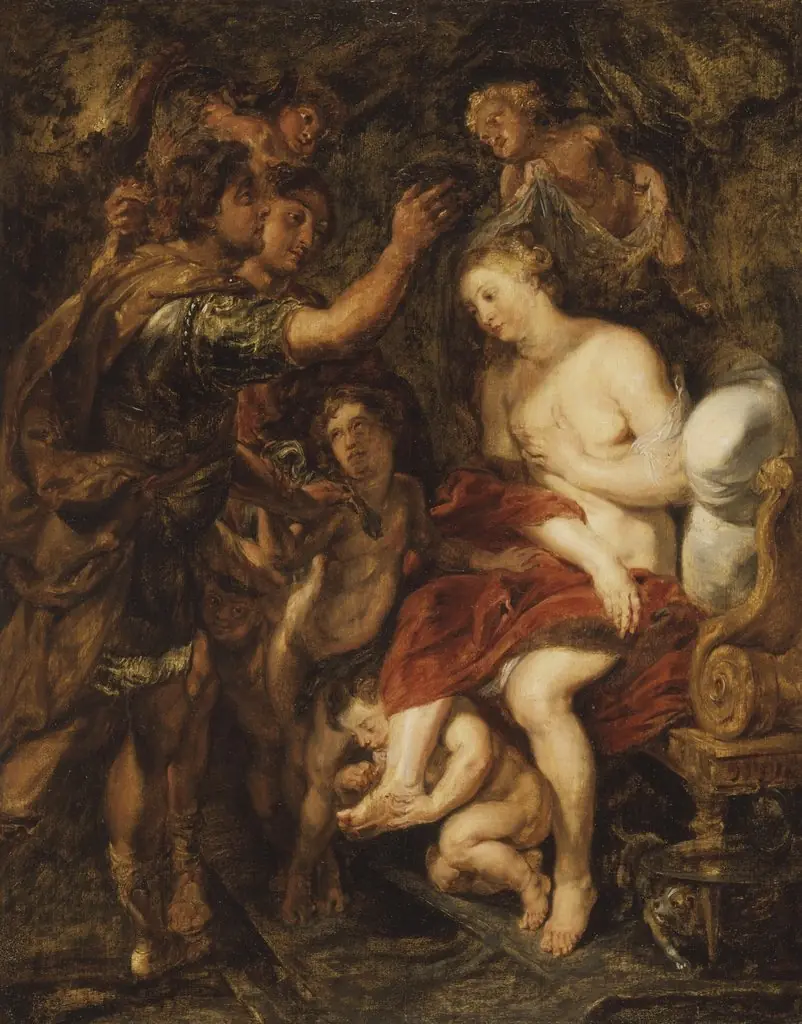 The Crowning of Roxana
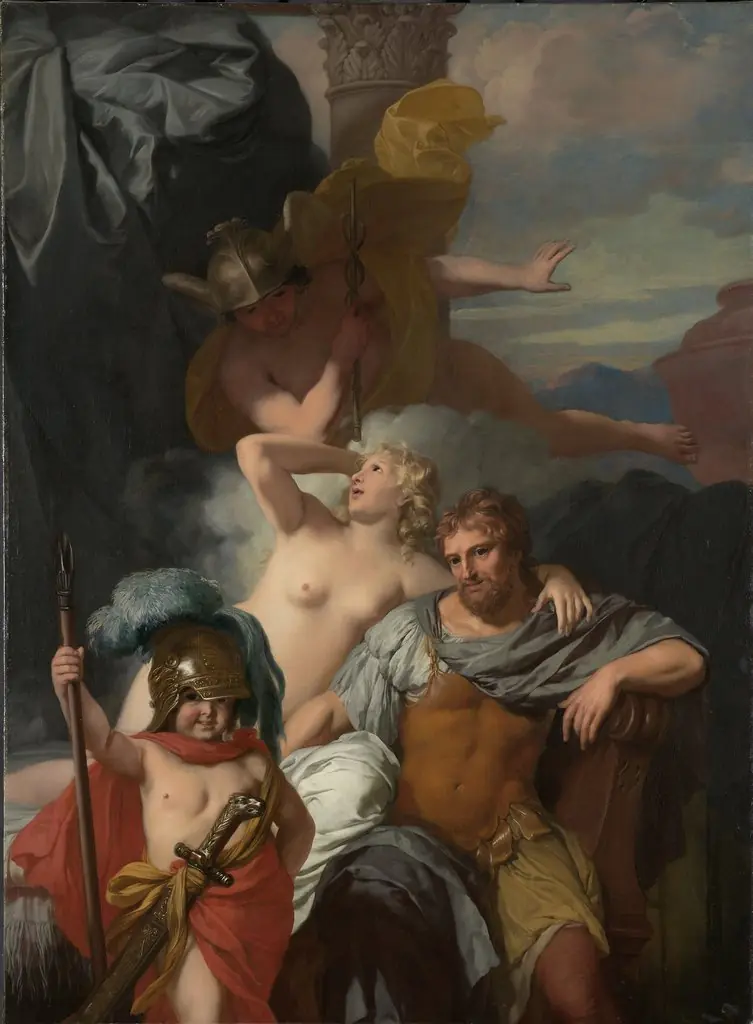 Mercury Ordering Calypso to Release Odysseus