Artwork
Cathedral, Santiago, Spain, Portico de la Gloria, Sculpture on pier
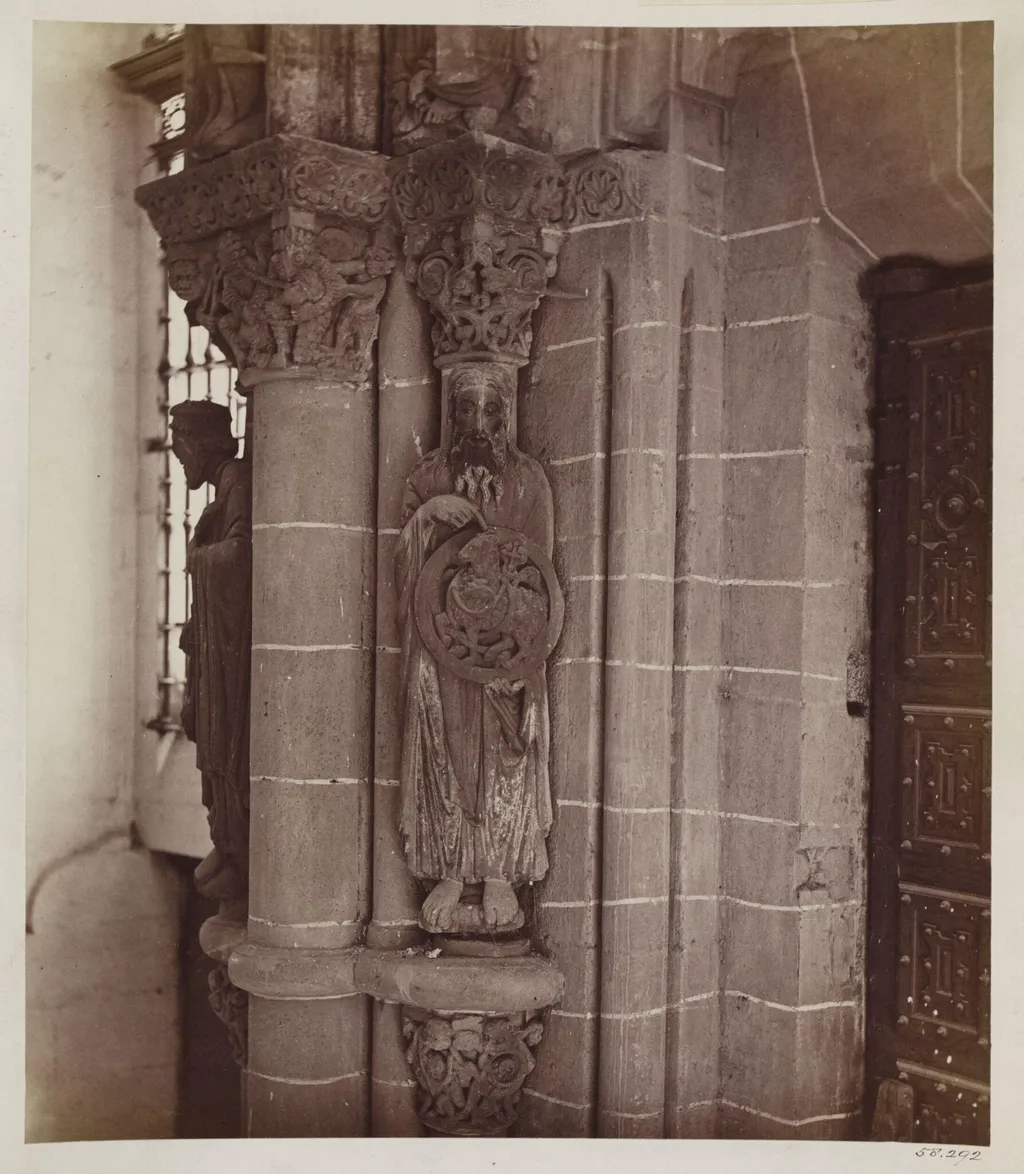
Cathedral, Santiago, Spain, Portico de la Gloria, Sculpture on pier is a photographic photography by the Impressionist artist Charles Thurston Thompson. It dates from 1867 and is held in the collection of the Victoria and Albert Museum.
About this work
Overview
It was part of a broader campaign to document significant European art and architecture, undertaken to support artistic education and scholarly study.
This photograph of the Portico de la Gloria at Santiago de Compostela was taken in 1867 by Charles Thurston Thompson, the Victoria and Albert Museum’s first official photographer. It was part of a broader campaign to document significant European art and architecture, undertaken to support artistic education and scholarly study. The image was later included in a published volume by the Arundel Society, distributed to art schools and available for public purchase.
Subject & Meaning
The photograph captures the Portico de la Gloria, the Romanesque sculptural ensemble above the main entrance of Santiago Cathedral. Designed in the 12th century, the portal depicts biblical figures and apocalyptic scenes, serving as both a devotional threshold and a visual catechism for pilgrims. Thompson’s image preserves its architectural scale and sculptural detail, emphasizing its role as a sacred gateway rather than merely a decorative feature.
Technique & Style
Thurston Thompson employed large-format plate photography, using natural light and careful composition to render the portico’s depth and texture. The resulting image avoids dramatic contrast, favoring clarity and fidelity to the original stone surfaces. This restrained aesthetic reflects the documentary intent of the project: to serve as an accurate visual record for study, not artistic interpretation.
History & Provenance
The photograph was produced during Thompson’s 1867 expedition to Spain and Portugal, commissioned by the Science and Art Department. After his death in 1868, select images from the campaign were compiled into bound volumes by the Arundel Society under official sanction. These volumes entered institutional collections, including the V&A’s National Art Library, alongside loose plates that preserved additional views not included in the published editions.
Context
In the mid-19th century, photography became a vital tool for art education, allowing institutions to disseminate images of distant monuments to students and designers without travel. The V&A, then the Museum of Manufactures, used such photographs to bridge the gap between European medieval art and contemporary design practice. Thompson’s work aligned with broader efforts to systematize visual knowledge across Britain’s national art schools.
Legacy
The survival of multiple copies — bound volumes and loose plates — in the V&A’s collection illustrates the photograph’s dual role as both archival record and pedagogical resource. These images circulated widely among artists, scholars, and the public, shaping 19th-century understanding of Spanish Romanesque sculpture. Their preservation underscores the early institutional recognition of photography as a legitimate medium for art historical documentation.
Artist & collection
Artist

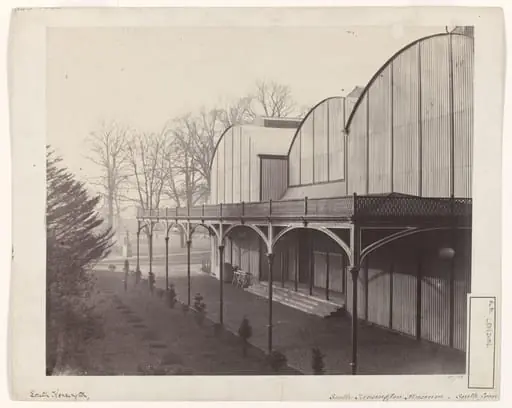 Exterior view of the south front entrance of the South Kensington Museum (the 'Brompton Boilers')
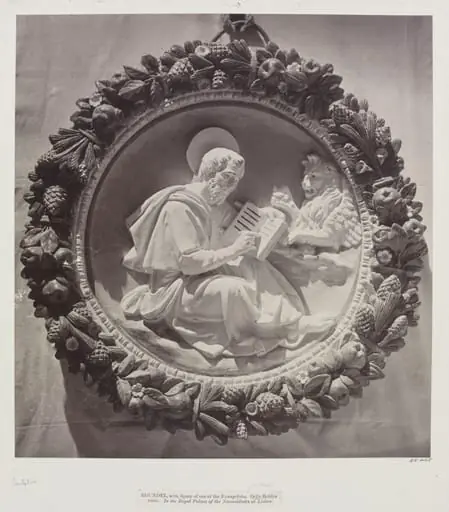 Roundel, St. Mark, by della Robbia, Palace of Necessidades
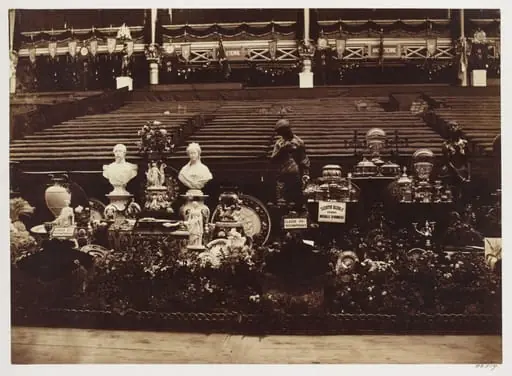 Scupture exhibits, Paris Universal Exhibition 1855
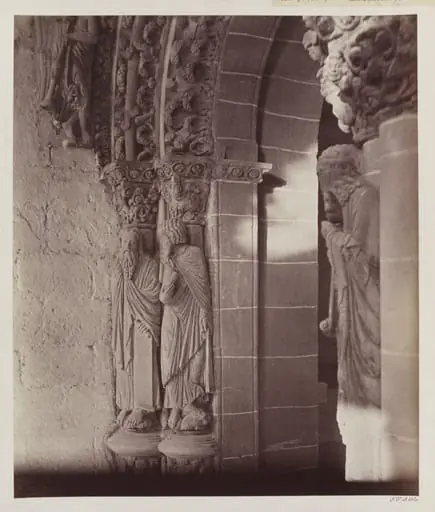 Cathedral, Santiago, Spain, Portico de la Gloria, Sculpture on the North wall
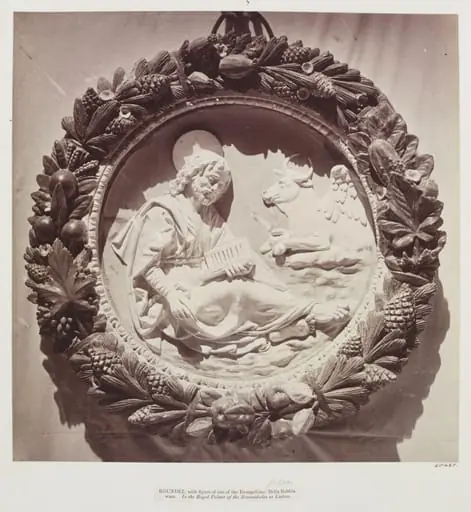 Roundel, St. Luke, by della Robbia, Palace of Necessidades
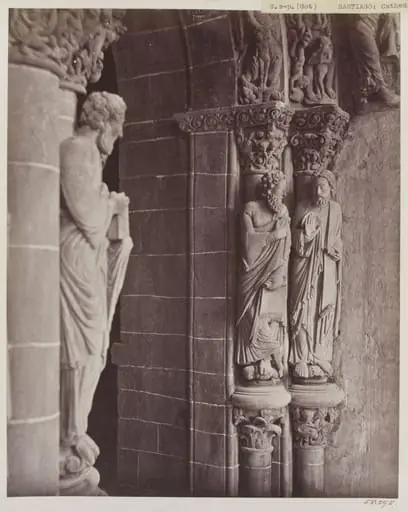 Cathedral, Santiago, Spain, Portico de la Gloria, Sculpture on South wall
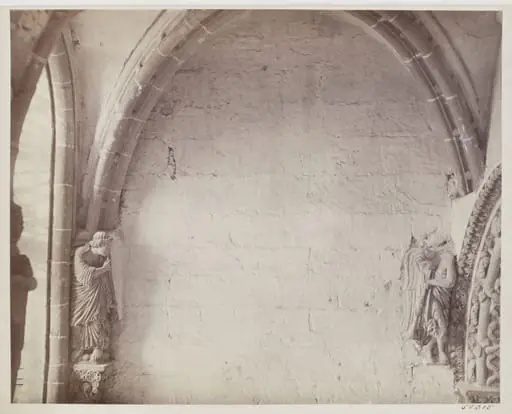 Cathedral, Santiago, Spain, Portico de la Gloria, Sculpture on North wall
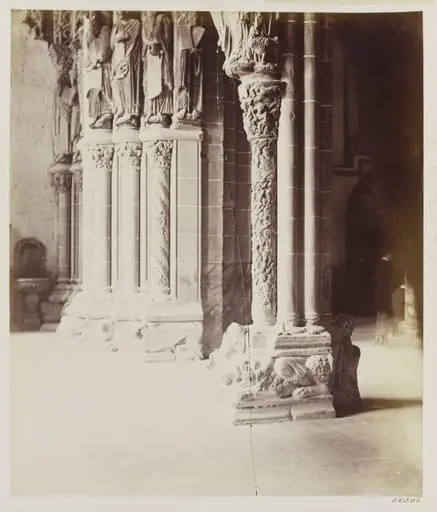 Cathedral, Santiago, Spain, Portico de la Gloria, detail of base of piers
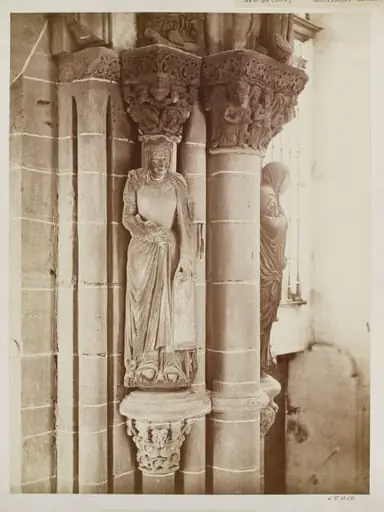 Cathedral, Santiago, Spain, Portico de la Gloria, Sculpture on responding pier
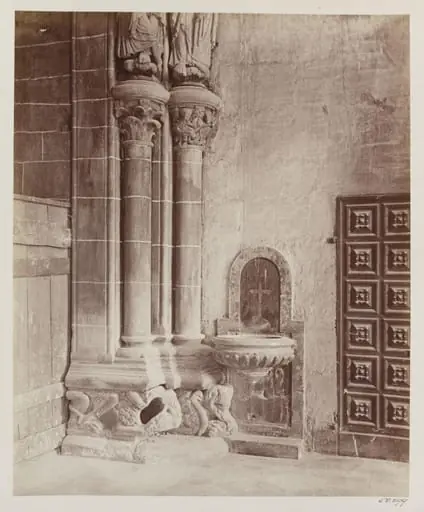 Cathedral, Santiago, Spain, Portico de la Gloria, detail of column at South wall
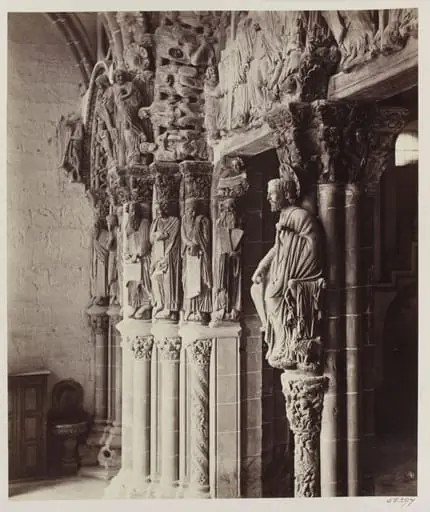 Cathedral, Santiago, Spain, Portico de la Gloria, details of Doorway (No.3)
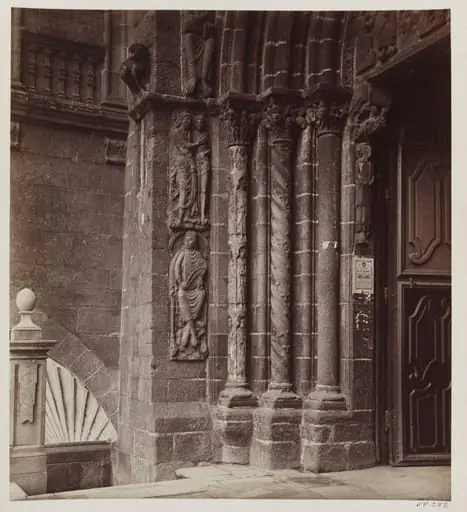 Cathedral, Santiago, Spain, detail of sculpture, doorway of South transept
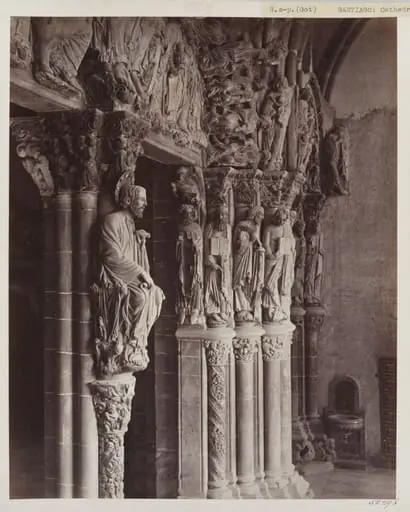 Cathedral, Santiago, Spain, Portico de la Gloria, details of Doorway (No.2)
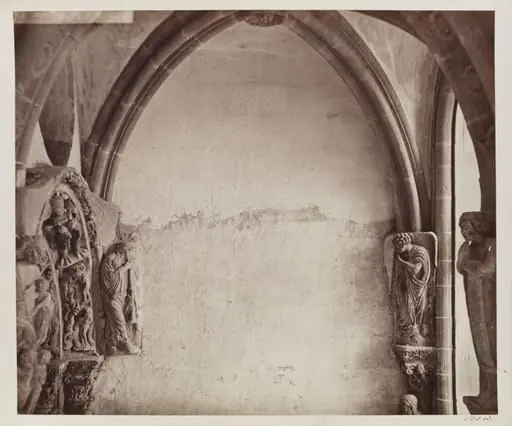 Cathedral, Santiago, Spain, Portico de la Gloria, Sculpture on the South wall
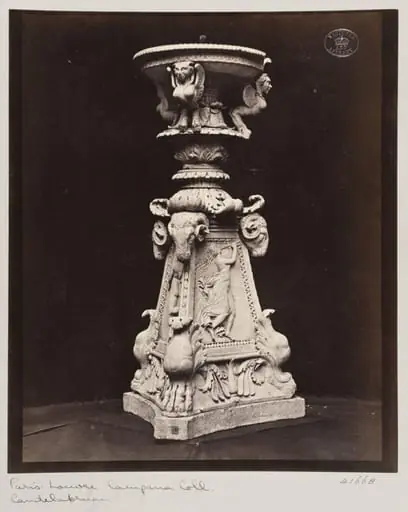 Marble sculptured fountain