Artwork
Roundel, St. Mark, by della Robbia, Palace of Necessidades
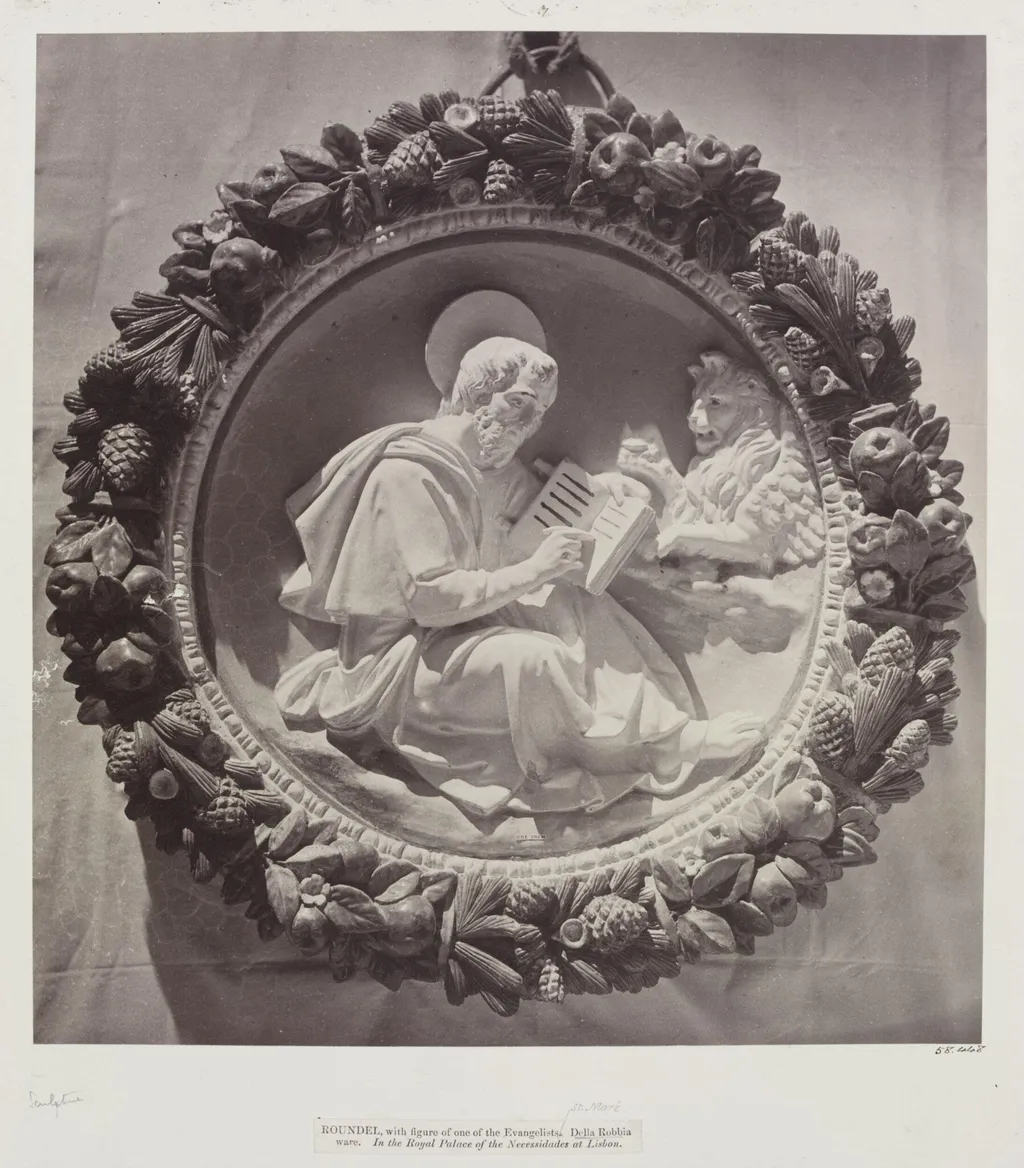
Roundel, St. Mark, by della Robbia, Palace of Necessidades is a photographic photography by the Impressionist artist Charles Thurston Thompson. It dates from 1866 and is held in the collection of the Victoria and Albert Museum.
About this work
Overview
This photograph captures a glazed terracotta roundel depicting Saint Mark, created by the della Robbia workshop and originally housed in the Palace of Necessidades in Lisbon. Acquired by the South Kensington Museum in the mid-19th century as part of a systematic effort to document European decorative arts, the image serves as a record of an object that was not physically acquired but deemed culturally significant for study and dissemination.
Subject & Meaning
The roundel portrays Saint Mark, one of the four Evangelists, traditionally symbolized by a lion.
The roundel portrays Saint Mark, one of the four Evangelists, traditionally symbolized by a lion. Rendered in the della Robbia family’s signature glazed terracotta technique, the image reflects Renaissance devotional aesthetics, blending naturalism with symbolic clarity. Its placement in a royal palace suggests its function as both religious icon and status object, reinforcing the connection between faith and monarchy in 15th-century Portugal.
Technique & Style
The original terracotta roundel employs tin-glazed earthenware with vibrant, durable pigments, characteristic of the della Robbia workshop’s innovation in sculptural decoration. The photograph, however, captures only the visual form without texture or material presence. Its flat, even lighting prioritizes clarity over artistic interpretation, aligning with the documentary aims of the museum’s photographic program at the time.
History & Provenance
The roundel was part of the Royal Palace of Necessidades’ collection in Lisbon. In 1866, Charles Thurston Thompson, the South Kensington Museum’s appointed photographer, traveled to Iberia to photograph objects deemed important for educational purposes. Though the physical object remained in Portugal, its image entered the museum’s archive as part of a broader initiative to build a visual reference library for artists and scholars.
Context
Mid-19th-century European museums increasingly turned to photography to overcome the limitations of physical collection. The South Kensington Museum, under Sir Henry Cole, sought to democratize access to art through images. Photographs like this one were not mere illustrations but tools for comparative study, enabling institutions without original works to participate in scholarly discourse on Renaissance art.
Legacy
Thurston Thompson’s photographic campaigns established a precedent for institutional documentation of art across borders. This image, though devoid of contextual detail, became part of a foundational archive that shaped how museums approached visual education. Its existence underscores a shift from collecting objects to collecting knowledge through representation, influencing museum practices well into the 20th century.
Artist & collection
Artist

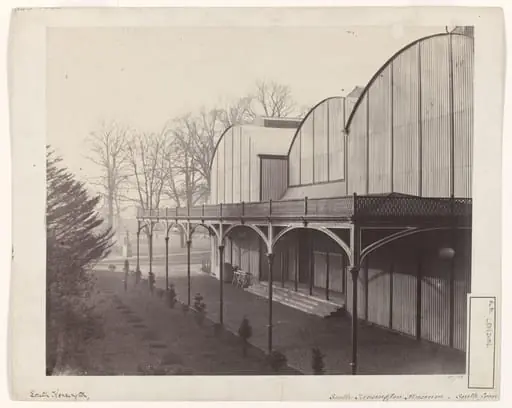 Exterior view of the south front entrance of the South Kensington Museum (the 'Brompton Boilers')
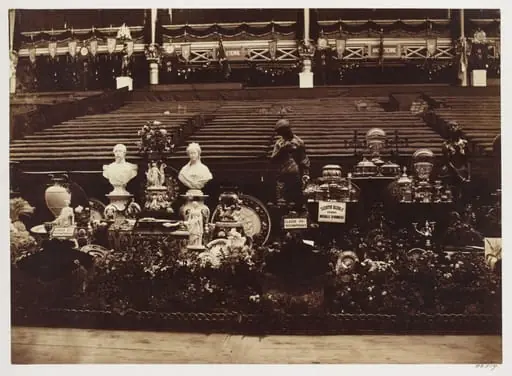 Scupture exhibits, Paris Universal Exhibition 1855
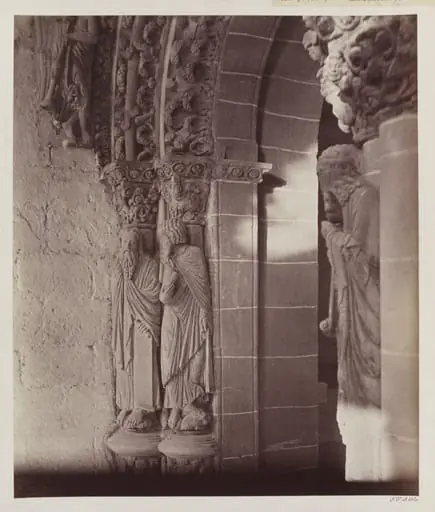 Cathedral, Santiago, Spain, Portico de la Gloria, Sculpture on the North wall
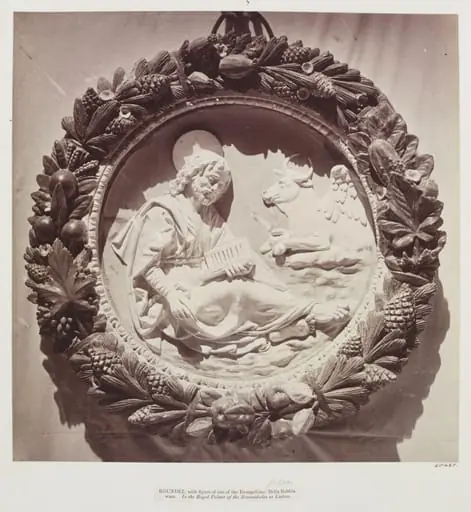 Roundel, St. Luke, by della Robbia, Palace of Necessidades
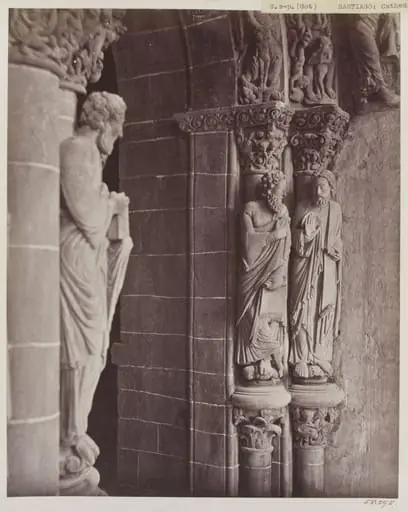 Cathedral, Santiago, Spain, Portico de la Gloria, Sculpture on South wall
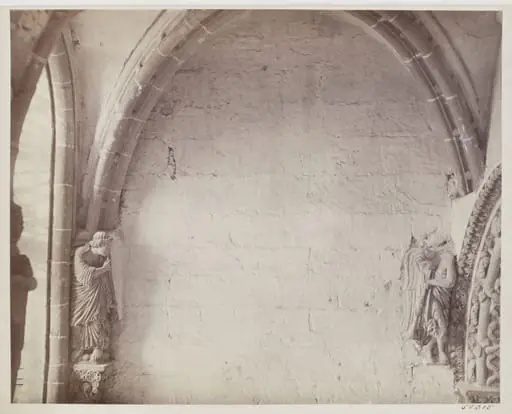 Cathedral, Santiago, Spain, Portico de la Gloria, Sculpture on North wall
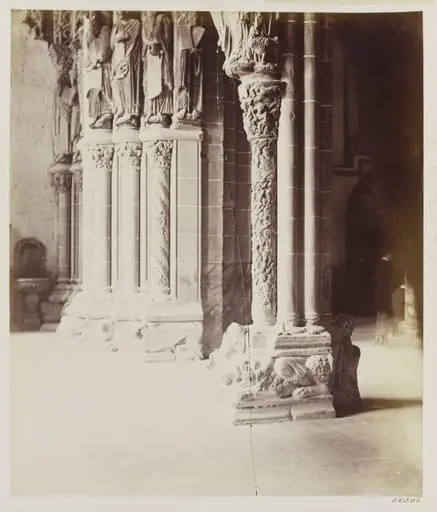 Cathedral, Santiago, Spain, Portico de la Gloria, detail of base of piers
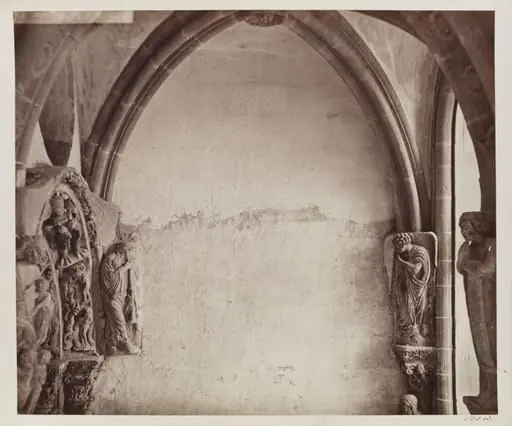 Cathedral, Santiago, Spain, Portico de la Gloria, Sculpture on the South wall
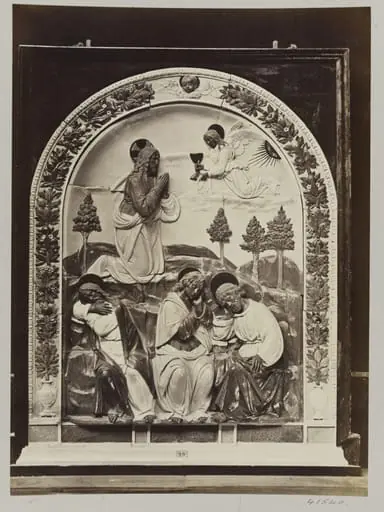 Altar piece depicting Christ in the Garden of Olives in enamelled earthenware
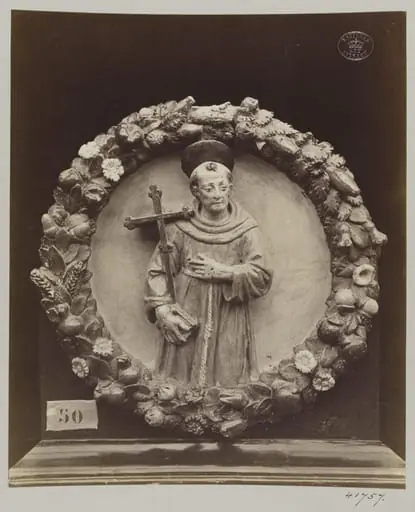 Enamelled bas-relief earthenware medallion of Saint Francis
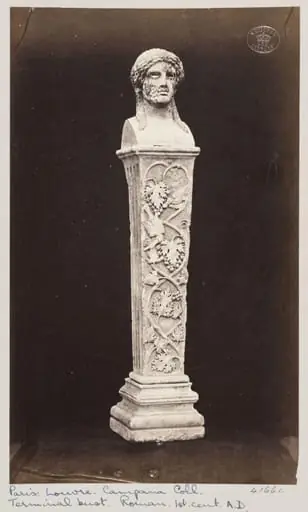 Marble herma with the head of Baccus ornamented with vine leaves and fruit
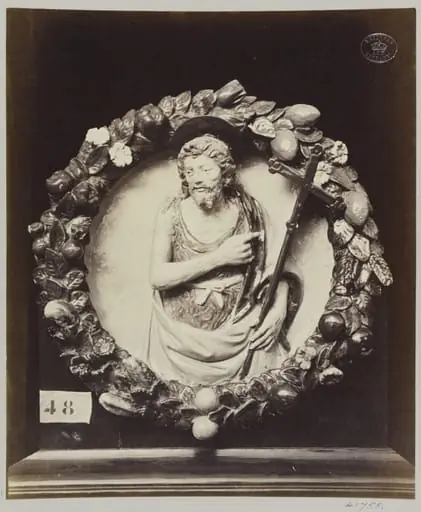 Enamelled earthenware bas-relief medallion of Saint John the Baptist
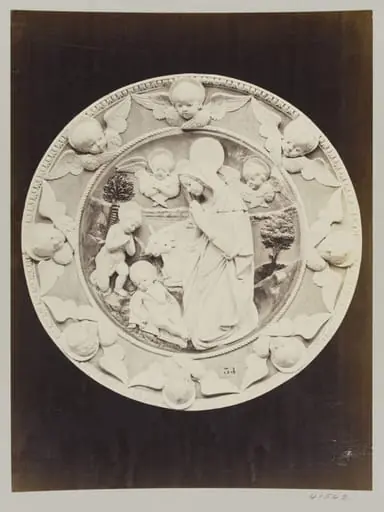 Circular bas-relief depicting the Nativity in enamelled earthenware
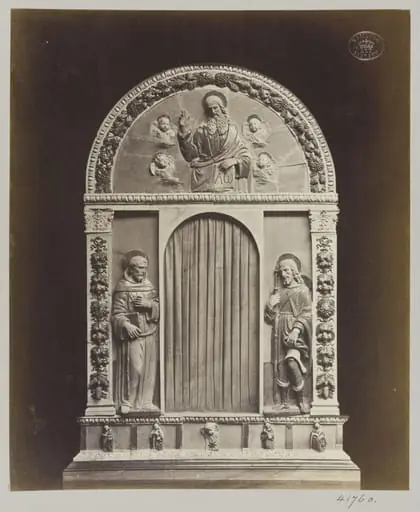 Enamelled earthenware altar piece of Christ and Saint Francis and St. Rock
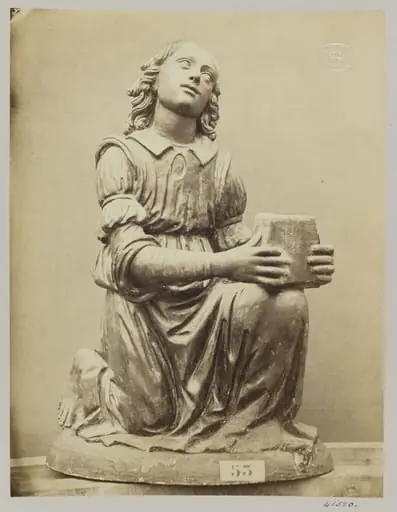 Figure of an angel on her knees in red terra cotta