Artwork
The Rest on the Flight with Joseph in Adoration
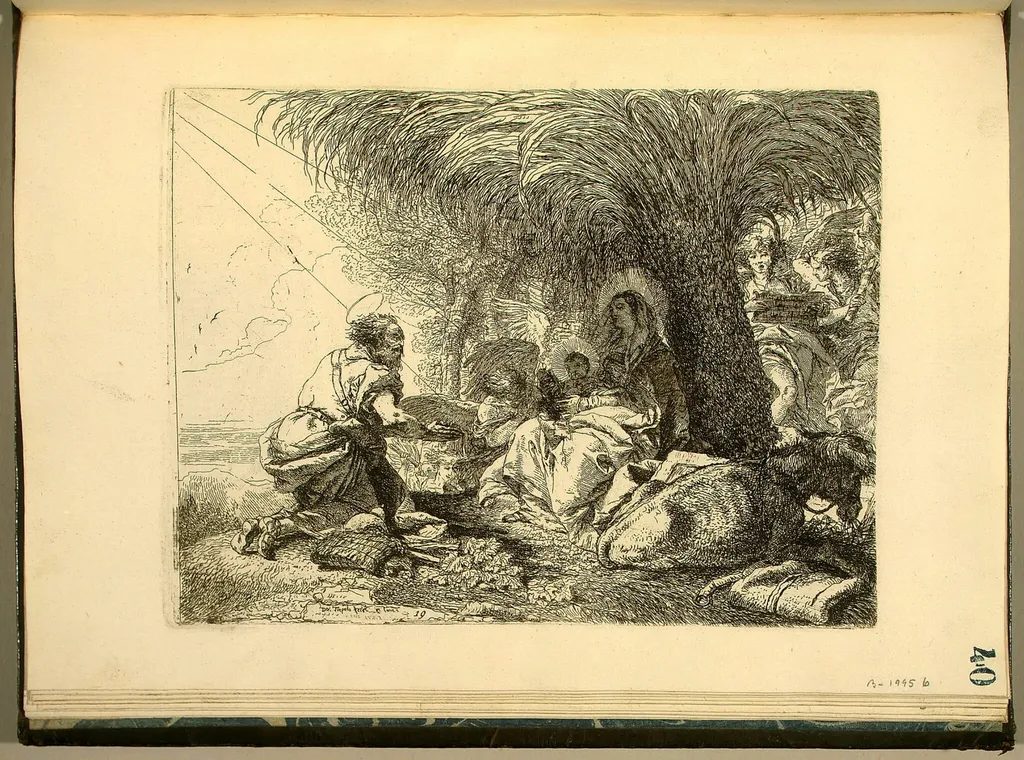
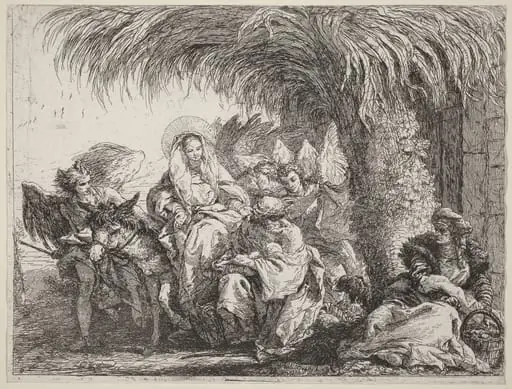
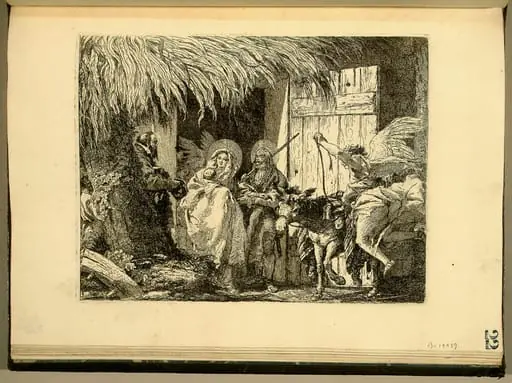
The Rest on the Flight with Joseph in Adoration is an ink print by the Romanticist artist Giovanni Domenico Tiepolo. It dates from 1752 and is held in the collection of the National Gallery of Art.
About this work
Overview
Executed in fine linear detail, the print reflects his mastery of the medium and his grounding in Venetian printmaking traditions.
Created in 1752, this etching by Giovanni Domenico Tiepolo captures a quiet moment from the Holy Family’s journey into Egypt. Executed in fine linear detail, the print reflects his mastery of the medium and his grounding in Venetian printmaking traditions. Unlike his father’s grand frescoes, this work emphasizes intimacy and restraint, using ink and burin to convey emotion through subtle shading and delicate line work.
Subject & Meaning
The scene portrays the Virgin Mary seated beside Joseph, who kneels in reverent contemplation of the infant Christ. Angels hover above, their presence suggesting divine protection during the family’s exile. The resting donkey in the foreground grounds the narrative in physical reality, while the natural surroundings—trees and undergrowth—frame the sacred moment as both humble and spiritually charged.
Technique & Style
Tiepolo employed etching with meticulous precision, using fine, controlled lines to render textures in fabric, fur, and foliage. Shading is achieved through cross-hatching and varying line density, creating depth without heavy ink washes. The composition is tightly focused, drawing the eye to the central figures while the surrounding landscape recedes with atmospheric delicacy, characteristic of his mature graphic style.
History & Provenance
Produced during Tiepolo’s active years in Venice, this print likely circulated among collectors and artists familiar with religious imagery in print form. Though no early ownership records are widely documented, its technical quality suggests it was intended for a discerning audience. It remains part of the broader corpus of 18th-century Venetian etchings that bridged religious themes with emerging interest in domesticated sacred narratives.
Context
In mid-18th century Venice, religious subjects remained popular in print, even as secular themes gained ground. Tiepolo’s approach here diverges from theatrical Baroque treatments, favoring quietude over drama. His work reflects a broader shift toward personal devotion and naturalism in religious art, aligning with contemporary tastes that valued emotional subtlety over grandeur.
Legacy
This etching exemplifies Tiepolo’s contribution to the evolution of printmaking as a vehicle for intimate religious expression. While less celebrated than his father’s monumental works, his graphic output influenced later artists interested in narrative restraint and tonal nuance. It stands as a quiet testament to the enduring power of small-scale religious imagery in the Enlightenment era.
Artist & collection
Artist
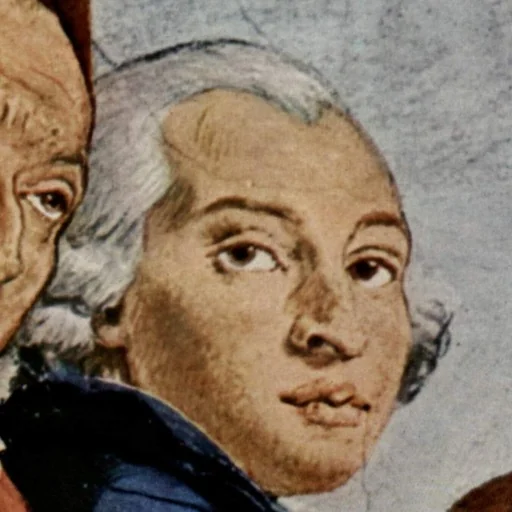
Giovanni Domenico Tiepolo (August 30, 1727 – March 3, 1804) was an Italian painter and printmaker in etching. He was the son of artist Giovanni Battista Tiepolo and elder brother of Lorenzo Baldissera Tiepolo.

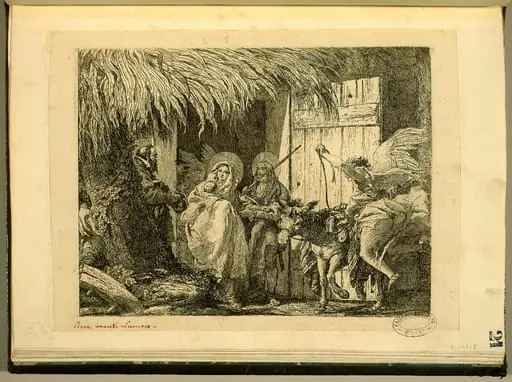 Joseph and Mary Prepare to Leave
 Joseph Kneels with the Child before Mary on the Donkey
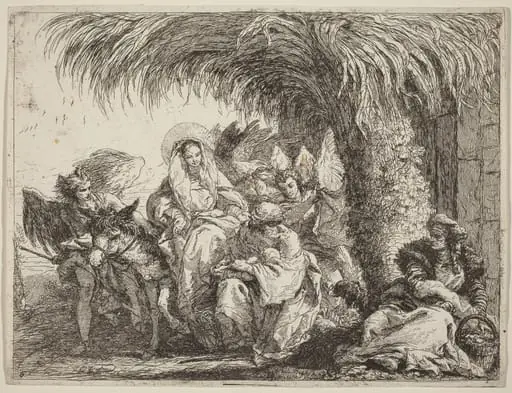 Joseph Kneels with the Child before Mary on the Donkey
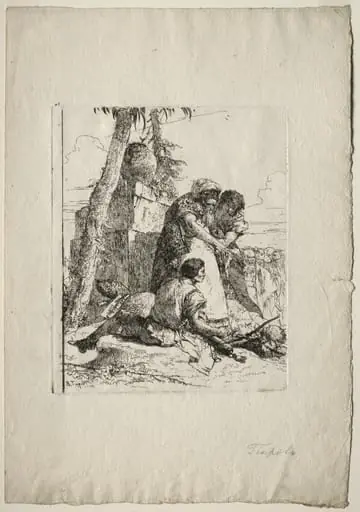 Scherzi di Fantasia: Magician Pointing Out a Burning Head to Two Youths
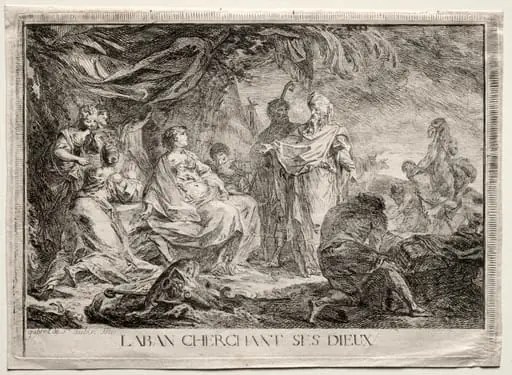 Laban Searching for His Household Gods
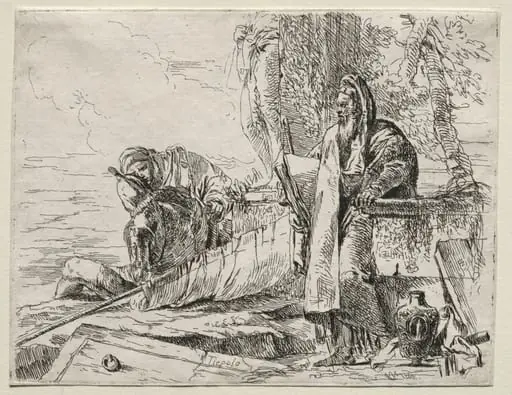 Various Caprices: The Philosopher Holding a Book
 Joseph and Mary Prepare to Leave