Artwork
The Old Garibaldian
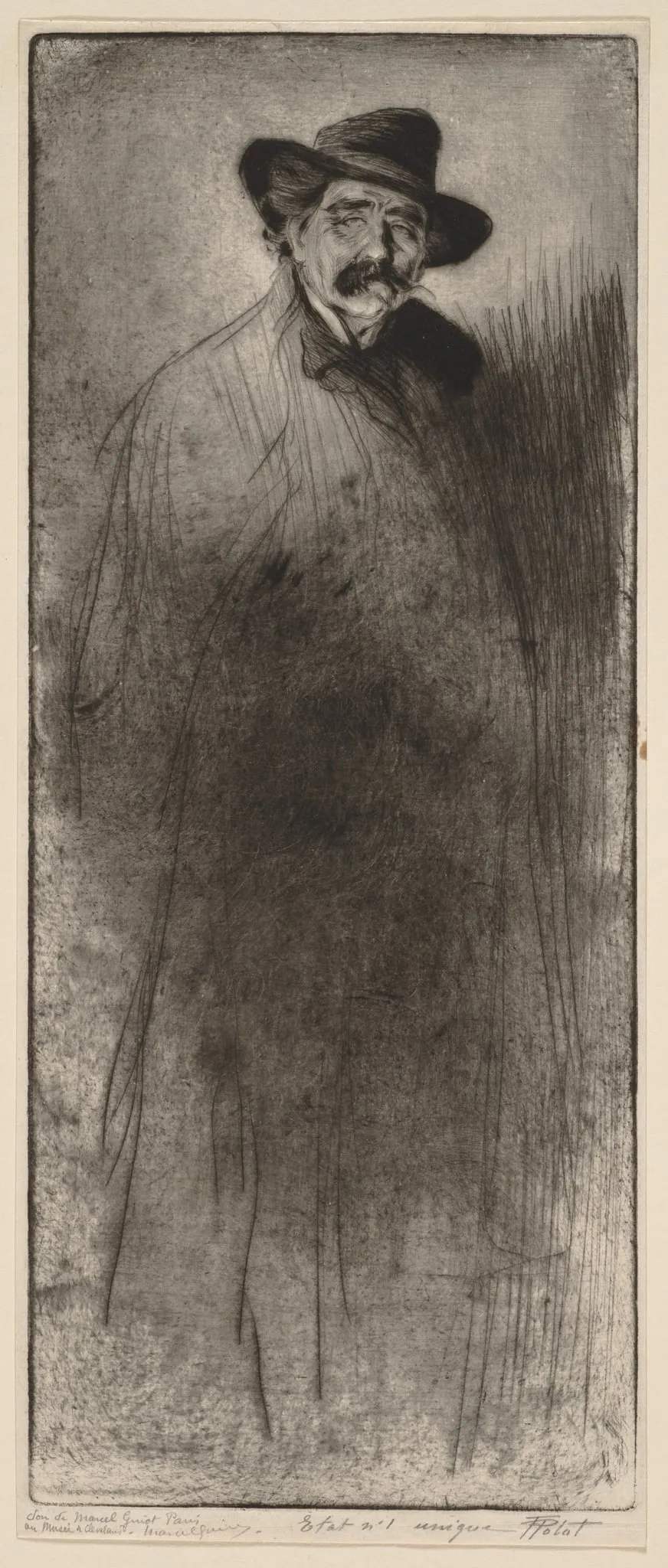
The Old Garibaldian is a print by Tigrane Polat. It dates from 1900 and is held in the collection of the Cleveland Museum of Art.
About this work
Overview
The Old Garibaldian is a portrait print created by Tigrane Polat in 1900. It is part of the collection at The Cleveland Museum of Art. The work presents a middle-aged man in formal attire, rendered with careful attention to texture and tone. The composition focuses tightly on the upper body, eliminating extraneous detail to emphasize the subject’s presence and demeanor.
Subject & Meaning
The figure is depicted as a man of stern bearing, with a thick mustache and a wide-brimmed hat, suggesting a figure of authority or veteran status.
The figure is depicted as a man of stern bearing, with a thick mustache and a wide-brimmed hat, suggesting a figure of authority or veteran status. His direct gaze and upright posture convey quiet resolve rather than aggression. The title implies a connection to Garibaldi’s legacy, possibly referencing a supporter or veteran of the Italian unification movement, though the subject’s identity remains unconfirmed.
Technique & Style
Polat employs chiaroscuro to model the face and coat with subtle gradations of light and shadow, giving form without overt realism. The print’s texture is achieved through controlled line work and tonal contrast, typical of early 20th-century graphic portraiture. Background neutrality isolates the figure, directing focus to the interplay of fabric, facial structure, and expression.
History & Provenance
The work entered The Cleveland Museum of Art’s collection as part of its broader interest in European graphic arts from the turn of the century. While Polat’s biography remains sparsely documented, this print is among the few known works attributed to him. Its acquisition reflects early 20th-century American museum efforts to preserve lesser-known international printmakers.
Context
Created around the centenary of Giuseppe Garibaldi’s revolutionary campaigns, the portrait may respond to lingering cultural reverence for 19th-century nationalist figures in Europe. Though Polat was Armenian, his engagement with Italian revolutionary iconography suggests transnational artistic currents. The somber tone aligns with broader trends in portraiture that favored psychological depth over idealization.
Legacy
The Old Garibaldian stands as a quiet example of early modern printmaking that prioritizes psychological presence over narrative. Though Polat’s oeuvre is limited, this work contributes to understanding how regional identities and historical memory were visually encoded in graphic art during a period of political transition across Europe.
Artist & collection

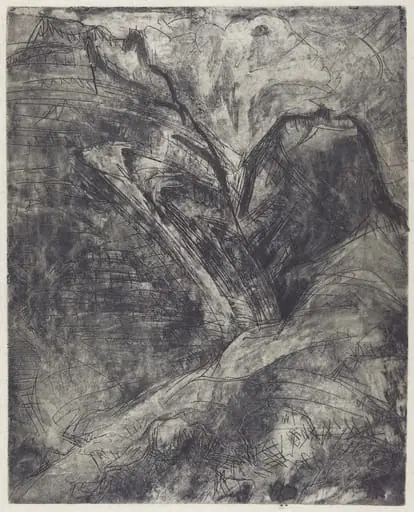 Mountains (Berge)
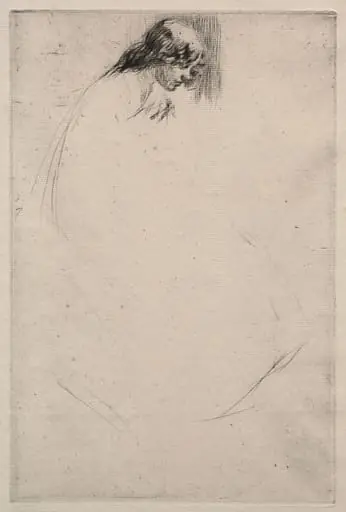 Jo's Bent Head
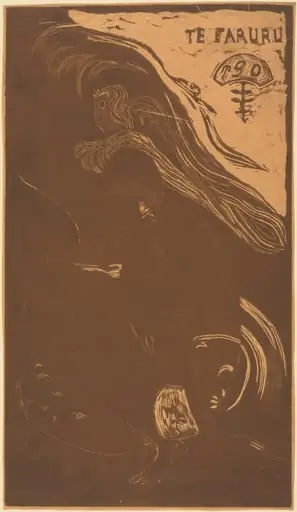 Te Faruru (They are Making Love Here)
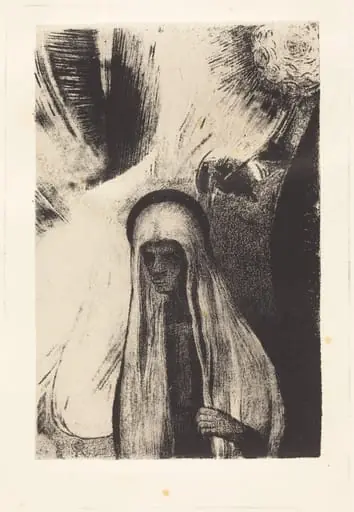 La Vieille: Que Crains-tu? Un large trou Noir! Il est vide peut-etre? (What are you afraid of? A wide black hole! It is empty, perhaps!)
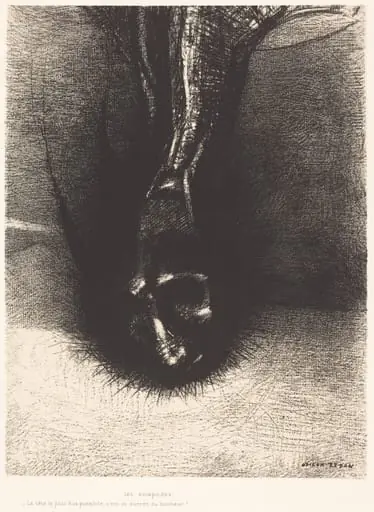 Les Sciapodes: La tete le plus bas possible, c'est le secret du bonheur! (The Skiapods: "The head as low as possible, that is the secret of happiness!")
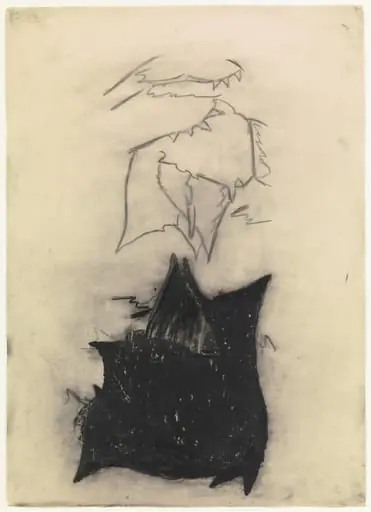 Untitled
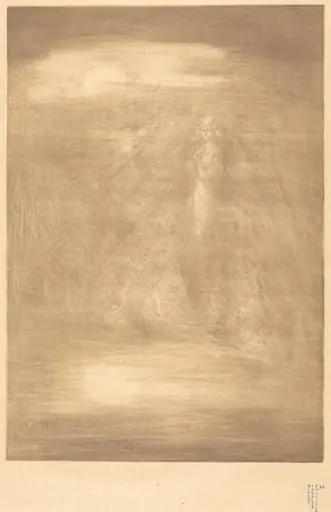 Twilight (Le Crépuscule)
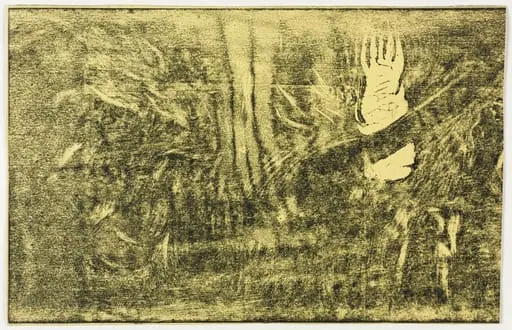 Noa Noa: The Devil Speaks (Mahna No Varua Ino) (recto)
 Untitled
 F. R. Leyland
 Untitled
 Untitled