Artwork
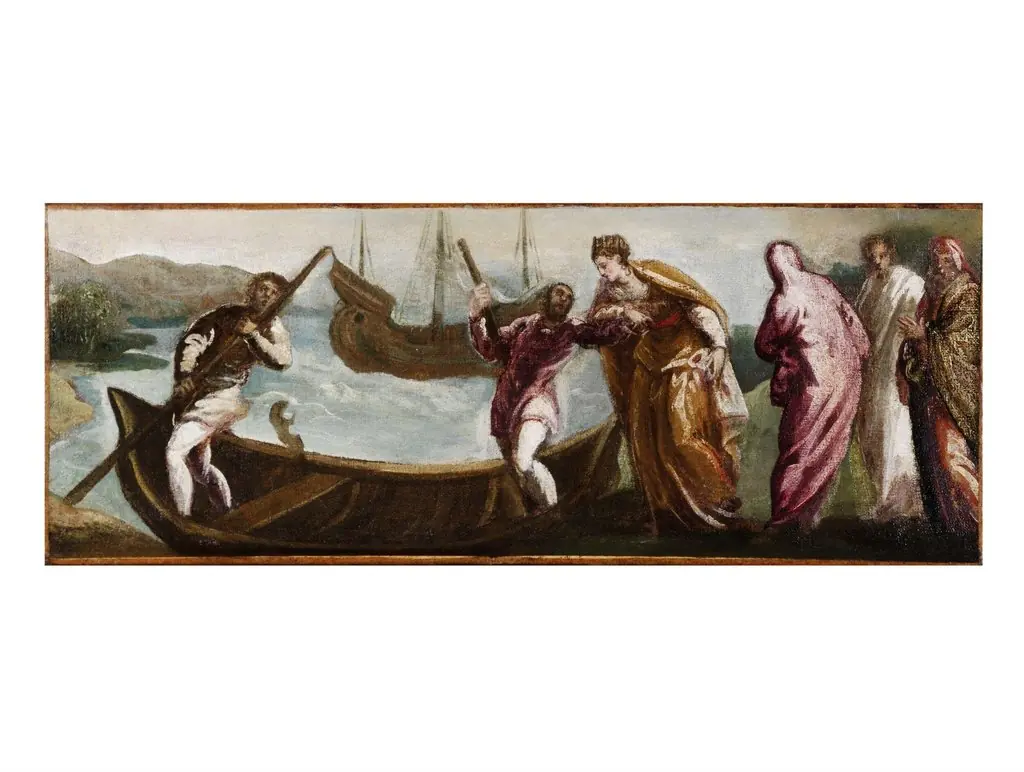
The Embarkation of St Helena to the Holy Land
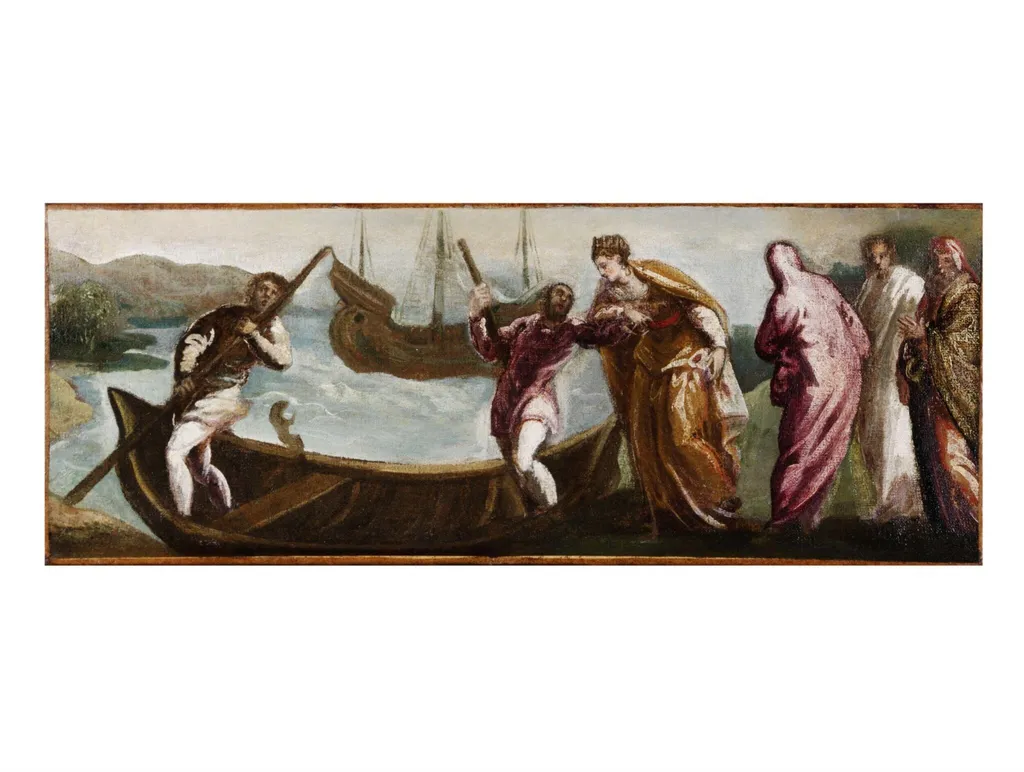
The Embarkation of St Helena to the Holy Land is an oil painting by the Mannerist artist Tintoretto. It dates from 1550 and is held in the collection of the Victoria and Albert Museum. This oil painting depicts the departure of Saint Helena, mother of Emperor Constantine, as she sets sail for the Holy Land.
About this work
You see a busy harbor scene at dusk. Dozens of figures crowd a wooden ship. The water glows in fading light.
Tintoretto painted this around 1555. It shows Saint Helena sailing to find Christ’s cross. The figures twist and turn in dramatic ways.
Look for how he piles people near the ship’s edge. He used fast brushwork and deep shadows to make it feel alive.
Overview
This oil painting depicts the departure of Saint Helena, mother of Emperor Constantine, as she sets sail for the Holy Land. Created around 1555, it is an early work by Tintoretto, capturing a moment of religious pilgrimage with dynamic energy. The scene unfolds at twilight, with figures densely arranged on a vessel preparing to leave a bustling harbor under a fading sky.
Subject & Meaning
The painting illustrates the legendary journey of Saint Helena, who, according to tradition, traveled to Jerusalem to locate the True Cross. Her mission symbolized the fusion of imperial power and Christian devotion. The act of embarkation underscores the gravity of her quest, transforming a maritime departure into a sacred undertaking, framed by the spiritual significance of the destination.
Technique & Style
Tintoretto employs rapid, expressive brushwork to convey movement and urgency among the crowd. Figures are clustered along the ship’s edge, their poses twisting with theatrical intensity. Deep shadows contrast with the warm glow of dusk on the water, enhancing the sense of depth and drama. The composition avoids symmetry, favoring a chaotic yet controlled energy characteristic of his early style.
History & Provenance
The painting is documented as an early work from Tintoretto’s career, likely completed in Venice around 1555. It reflects the artist’s developing approach to narrative painting, influenced by Venetian colorism and Mannerist dynamism. Its early provenance is tied to private Venetian collections, though its exact ownership before the 19th century remains partially obscure.
Context
In mid-16th century Venice, religious subjects were frequently commissioned for civic and devotional spaces. Tintoretto’s treatment of Saint Helena aligns with a broader cultural interest in biblical history and imperial saints. The emphasis on human drama and atmospheric lighting reflects Venice’s artistic priorities, where emotion and light often rivaled formal precision in religious imagery.
Legacy
This work exemplifies Tintoretto’s early mastery of compositional tension and emotional immediacy. Though less known than his later large-scale murals, it foreshadows his signature blend of movement and chiaroscuro. It contributed to the evolution of Venetian narrative painting, influencing contemporaries and later artists drawn to dynamic religious scenes.
Artist & collection



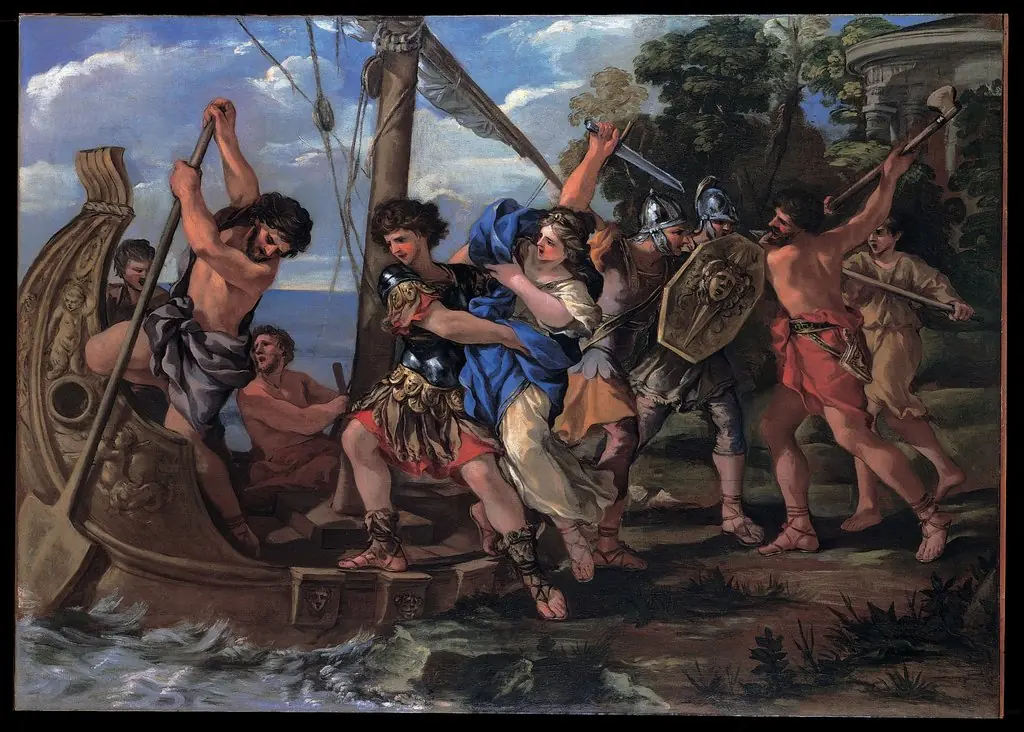 The Elena kidnapping
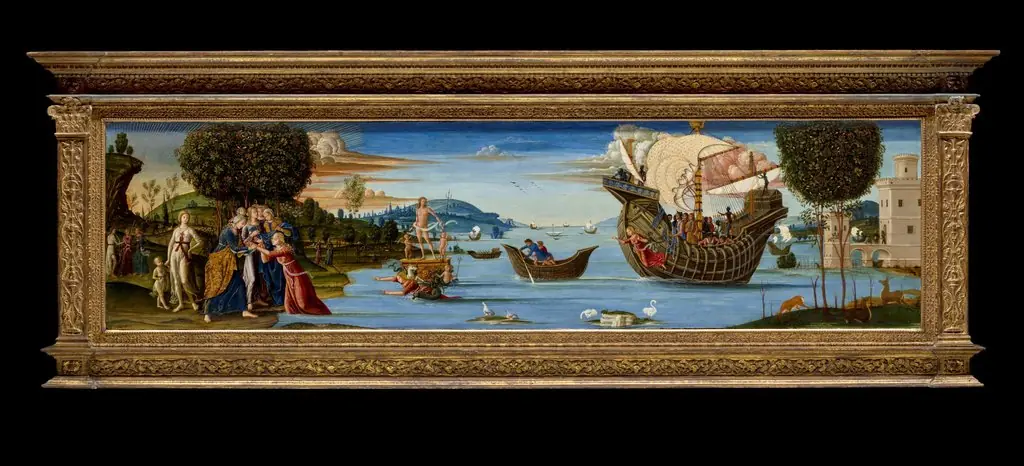 The Beloved of Enalus Sacrificed to Poseidon and Spared
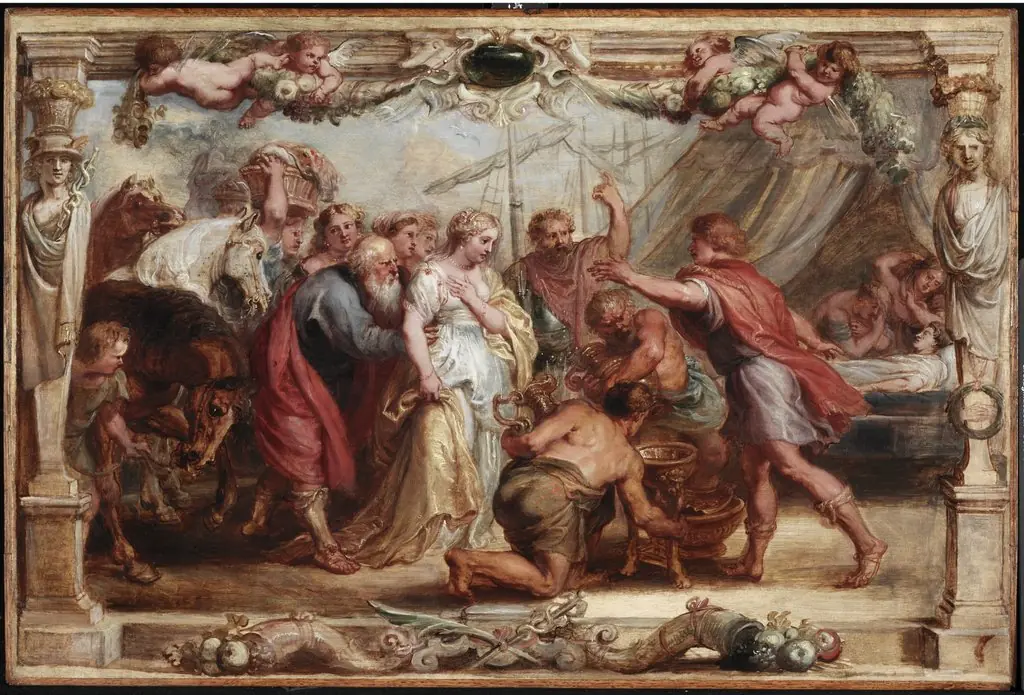 Briseis Given Back to Achilles
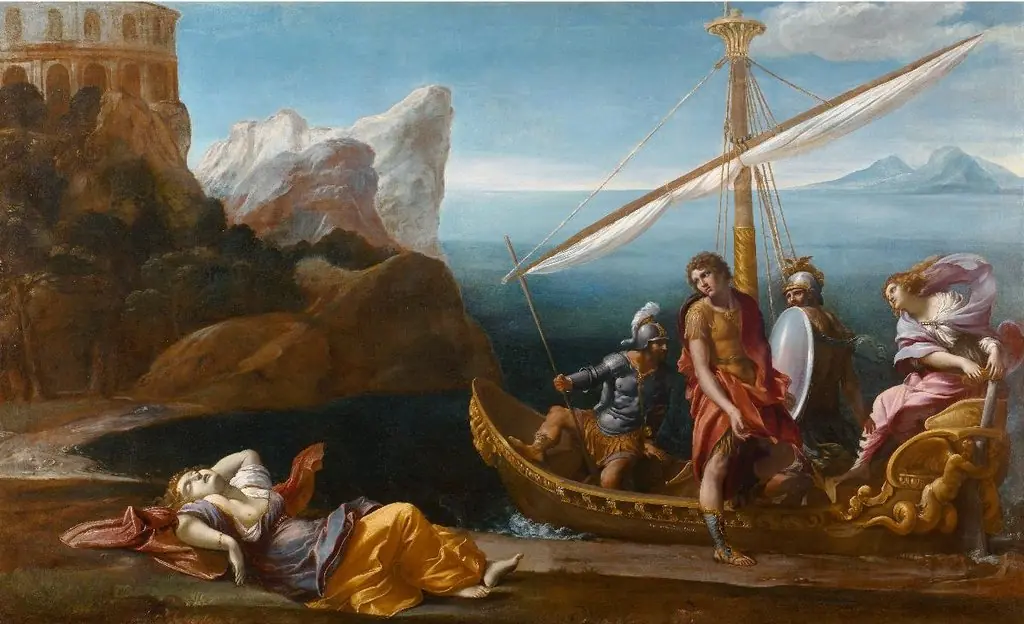 L’addio di Rinaldo ad Armida
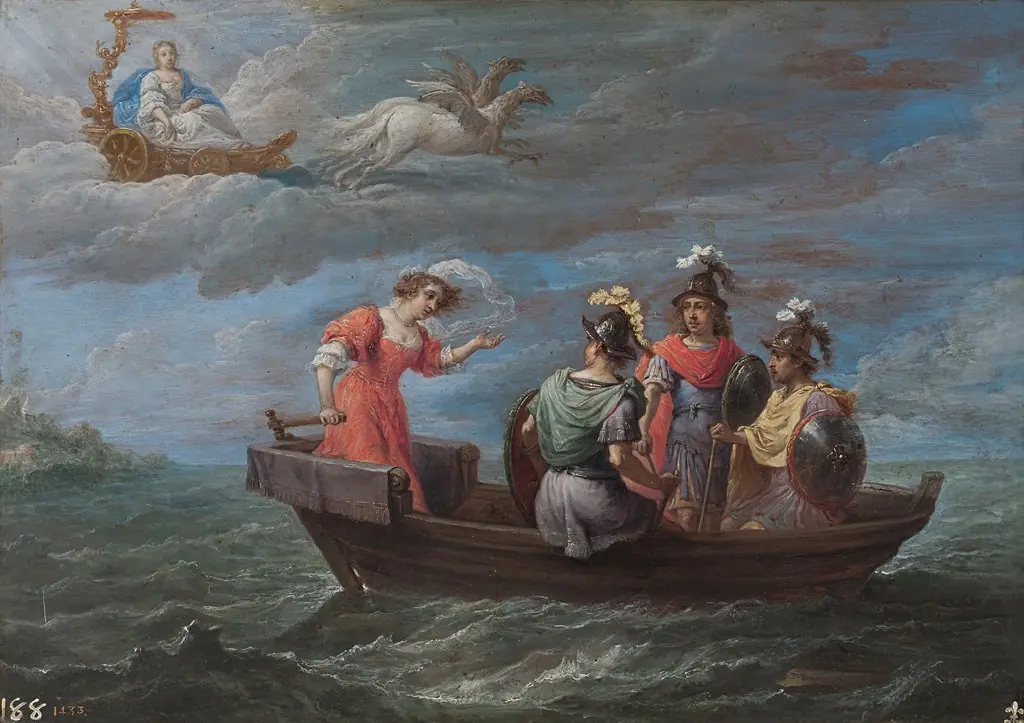 Reinaldo huye de las islas Afortunadas
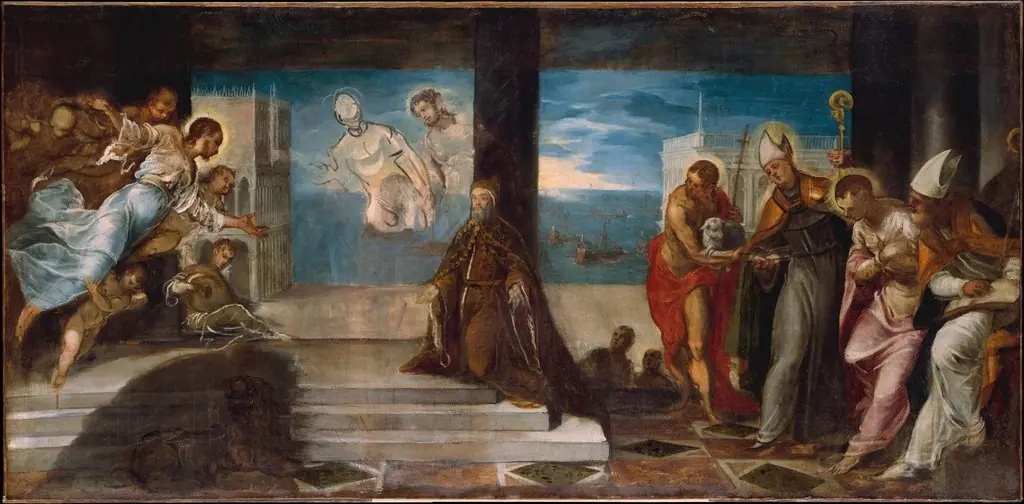 Doge Alvise Mocenigo (1507–1577) Presented to the Redeemer
 Femeia adulteră în fața judecătorilor
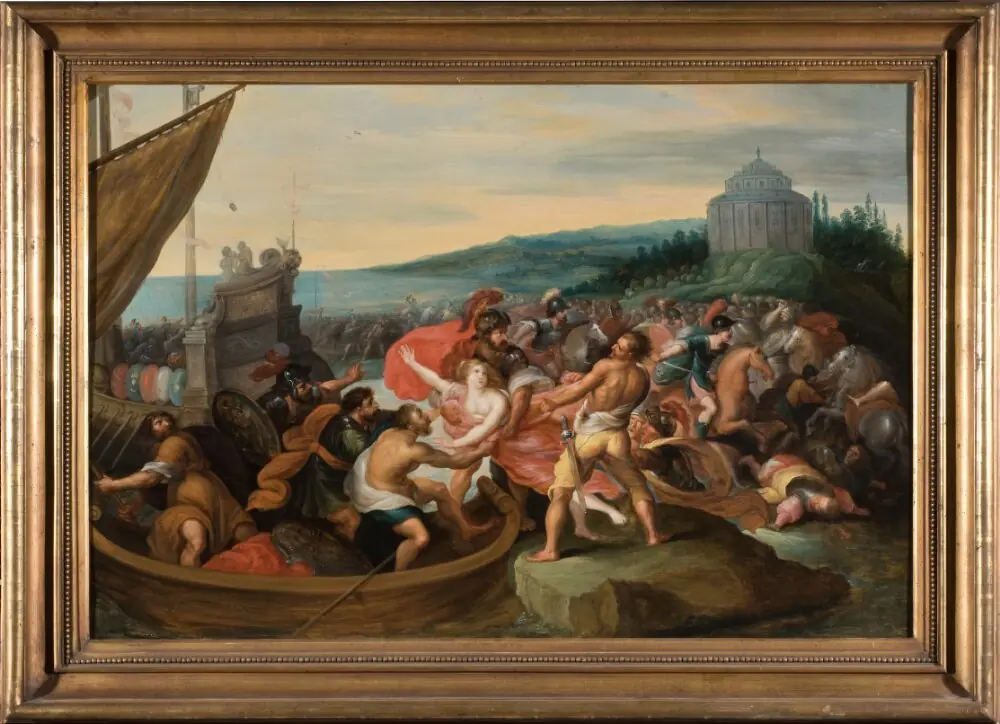 The Abduction of Helen
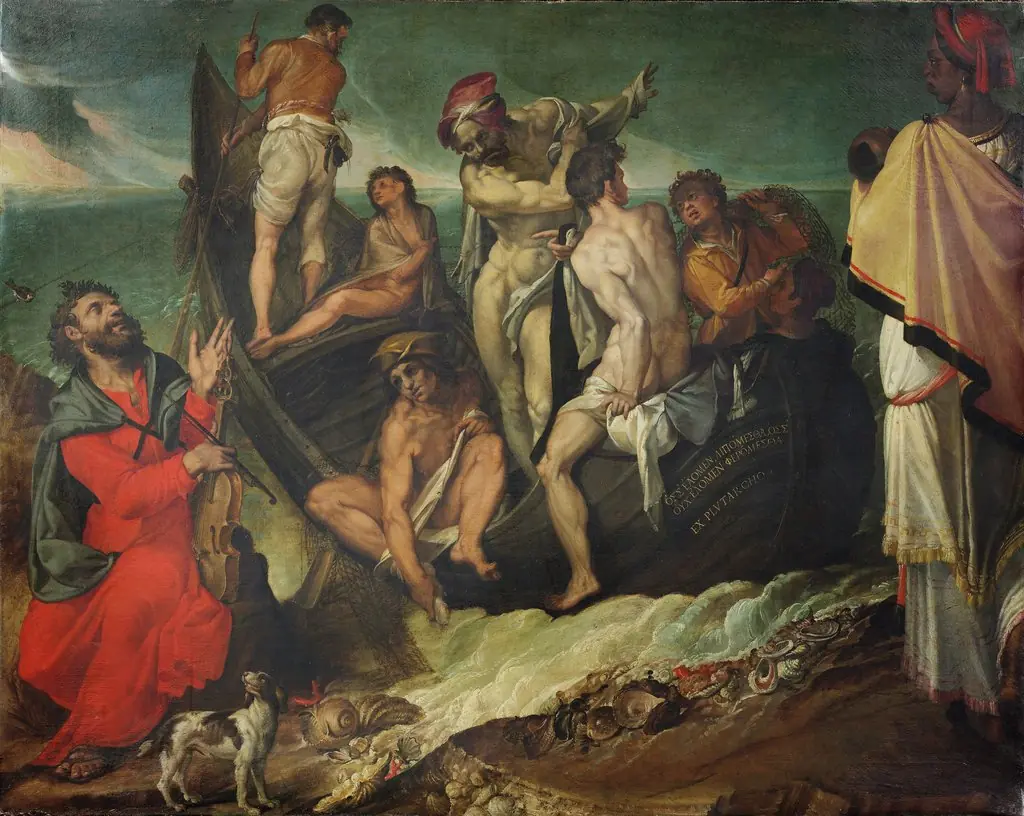 Homer’s Riddle
 Colour sketch for spirit fresco 'The Arts of Industry as Applied to War'
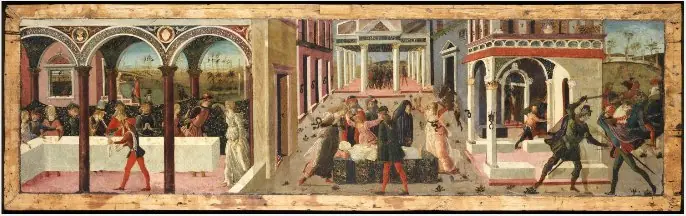 The Story of Lucretia
 The Embarkation of St Helena to the Holy Land