Artwork
Portrait of Cardinal Filippo Archinto
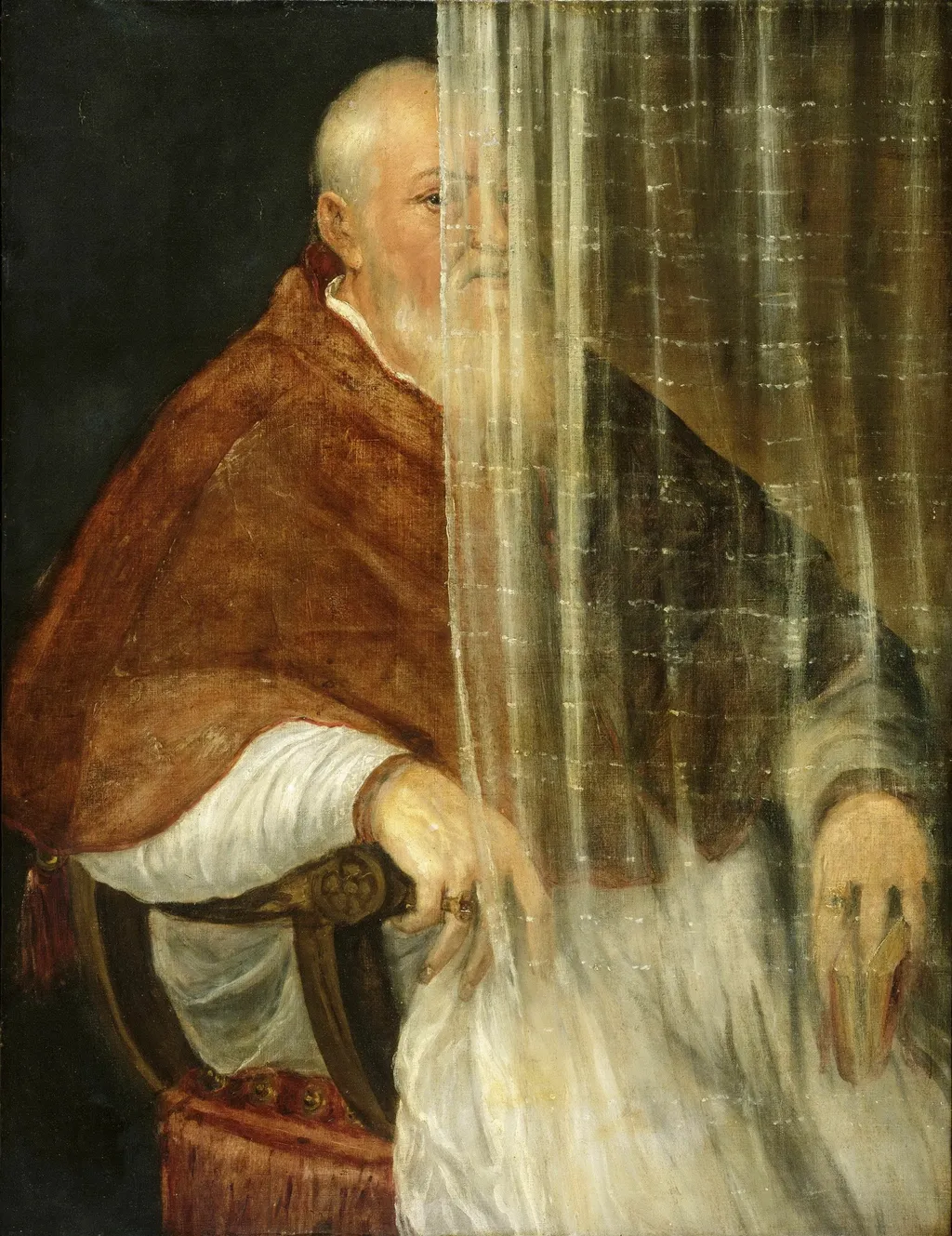
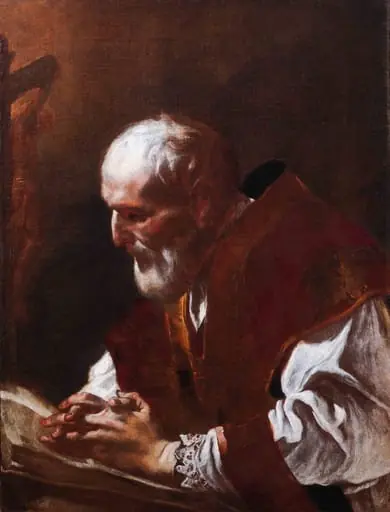
Portrait of Cardinal Filippo Archinto is an oil painting by the Mannerist artist Titian. It dates from 1558 and is held in the collection of the Philadelphia Museum of Art. Painted in 1558 on canvas, this portrait captures Cardinal Filippo Archinto, a prominent church official and diplomat.
About this work
Overview
Executed by Titian during his mature period, the work exemplifies the Venetian school’s emphasis on color and psychological presence.
Painted in 1558 on canvas, this portrait captures Cardinal Filippo Archinto, a prominent church official and diplomat. Executed by Titian during his mature period, the work exemplifies the Venetian school’s emphasis on color and psychological presence. Unlike formal court portraits, this image conveys quiet authority through restrained composition and intimate scale, reflecting Titian’s evolving approach to likeness and character.
Subject & Meaning
Cardinal Archinto, a trusted advisor to Pope Paul III and later a key figure in the Council of Trent, is portrayed not as a ceremonial figure but as a contemplative man. His direct gaze and still posture suggest intellectual vigilance rather than ecclesiastical pomp. The partial concealment by the curtain implies a tension between public role and private introspection, aligning with the era’s growing interest in individual psychology within religious leadership.
Technique & Style
Titian employs chiaroscuro to model the cardinal’s face and hands with subtle gradations of light, enhancing three-dimensionality without harsh contrasts. The red cope, rendered in thick, luminous pigment, contrasts with the muted white undergarment and dark background, focusing attention on the sitter’s expression. Brushwork varies from refined detail in the face to looser, almost tactile strokes in the fabric, revealing Titian’s command of both precision and atmospheric suggestion.
History & Provenance
Commissioned during Archinto’s tenure as papal legate, the portrait remained in ecclesiastical collections until the 19th century. It entered a major European museum in the late 1800s, where it has since been studied as a key example of Titian’s late portraiture. Its survival in good condition offers rare insight into how high-ranking clergy were visually represented beyond official iconography.
Context
In mid-16th-century Italy, portraiture became a tool for asserting personal and institutional identity amid religious upheaval. Titian’s portraits of clergy, including Archinto, diverged from rigid formalism by emphasizing psychological depth. This work reflects the Counter-Reformation’s emphasis on individual piety and the Church’s need to project authority through nuanced, humanized imagery.
Legacy
The portrait influenced later artists in its fusion of psychological realism with rich, atmospheric color. It stands as a bridge between Renaissance ideals of harmony and the emerging Baroque focus on emotional intensity. Archinto’s likeness, neither idealized nor theatrical, set a precedent for portraits of clergy that valued inner presence over external grandeur.
Own this work as a print
Artist & collection
Artist
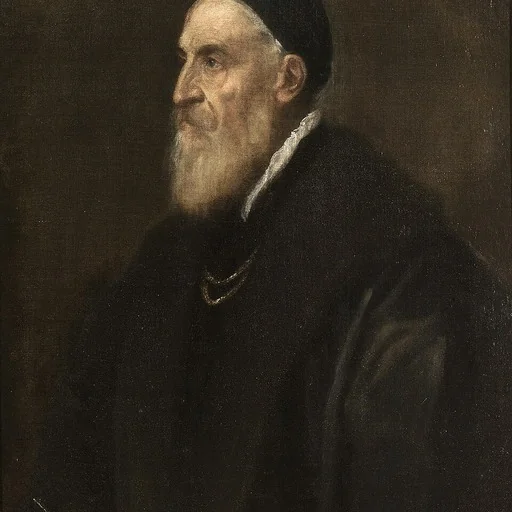
Tiziano Vecellio (Italian: ; c. 1488/1490 – 27 August 1576), Latinized as Titianus, hence known in English as Titian ( TISH-ən), was an Italian Renaissance painter. The most important artist of Renaissance Venetian…


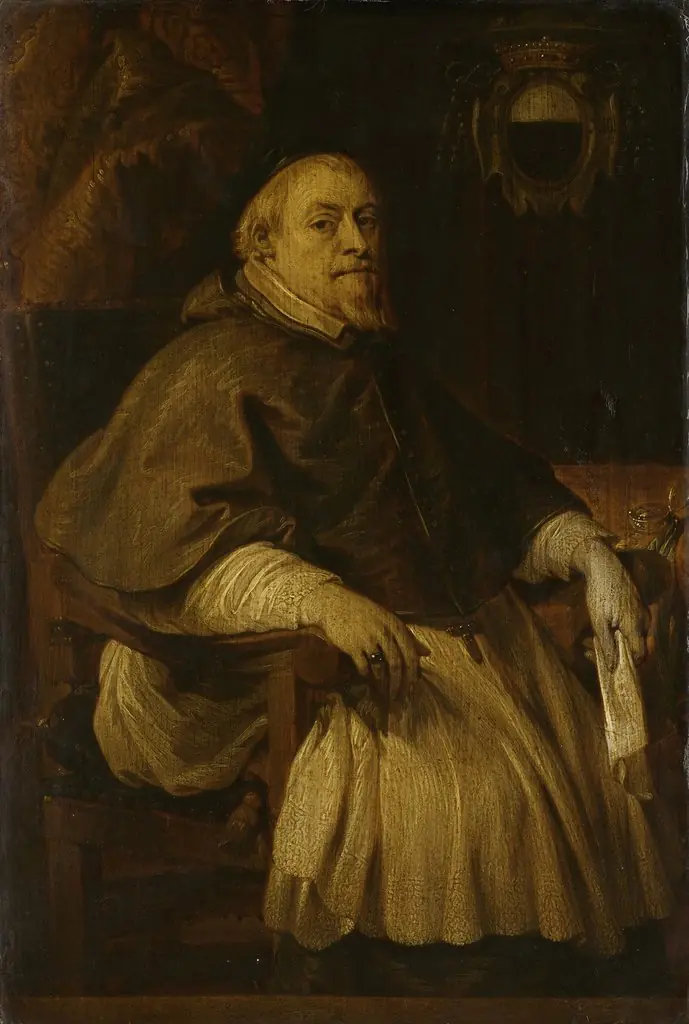 François Vilain de Gand, baron de Rassenghem. Bishop of Tournai (1647-66)
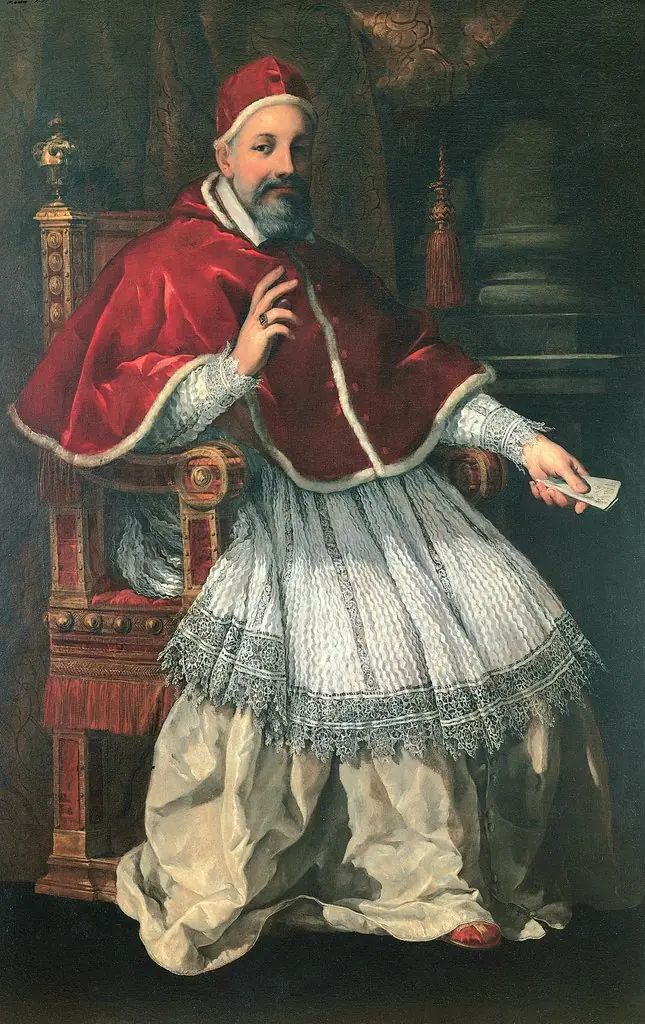 Portrait of Pope Urban VIII
 Portrait of François de Gand-Vilain (1647-1666), Bishop of Doornik
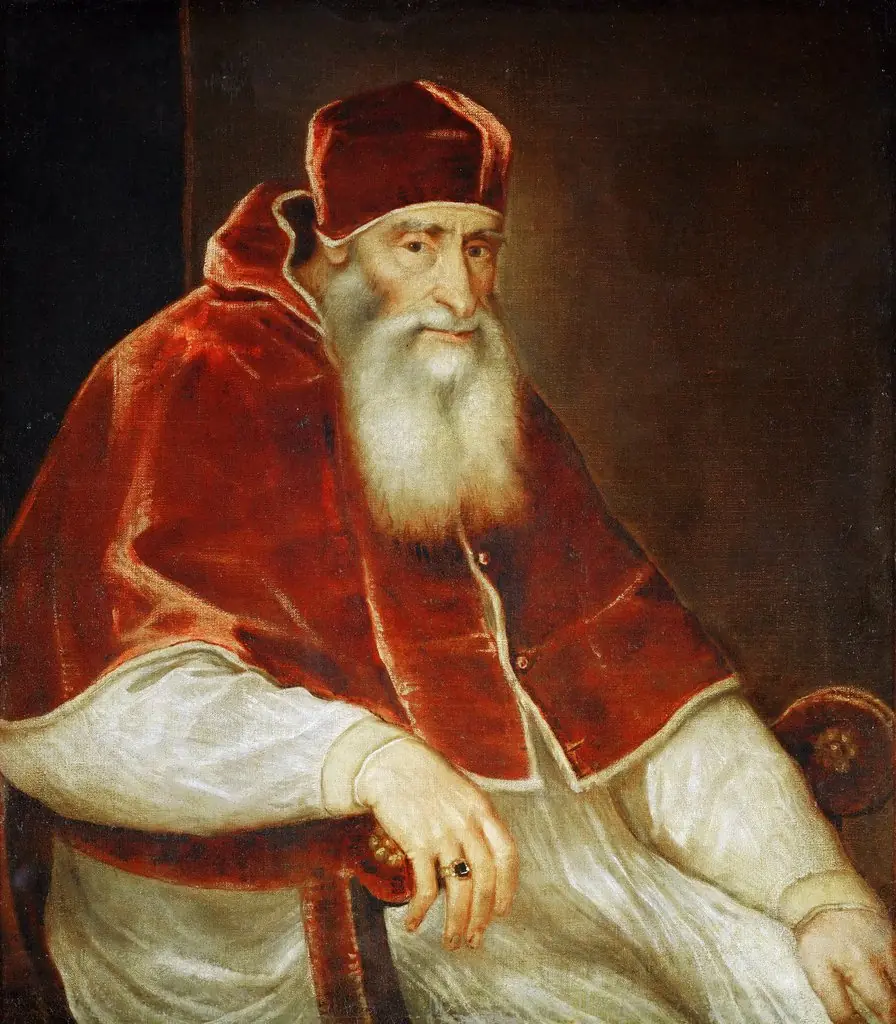 Pope Paul III Farnese (1468-1549)
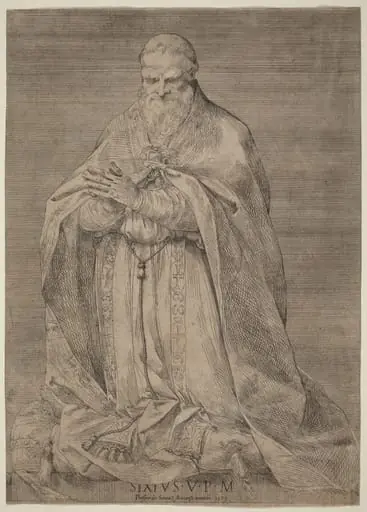 Pope Sixtus V
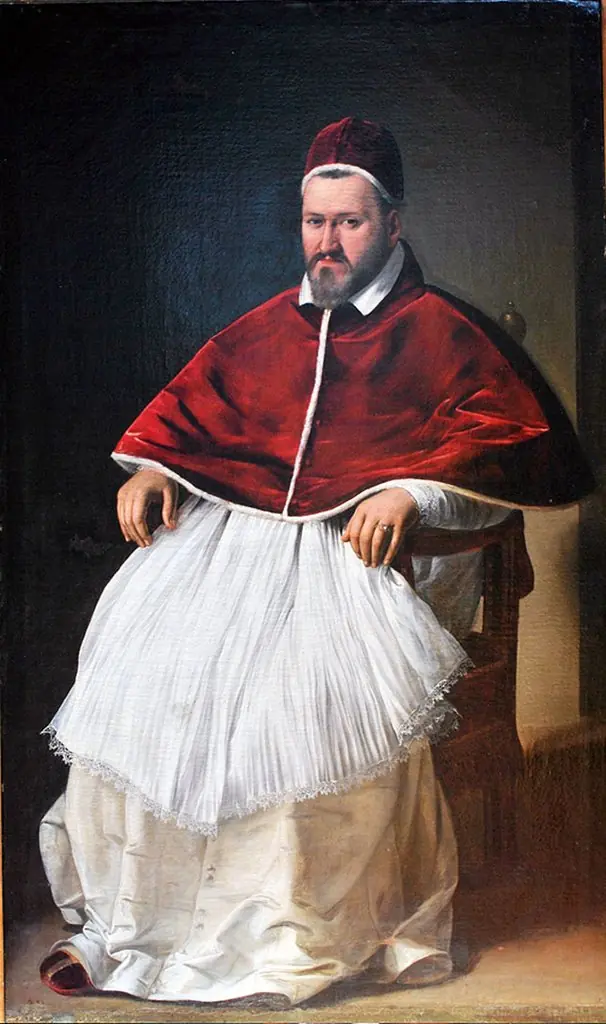 Portrait of Pope Paul V
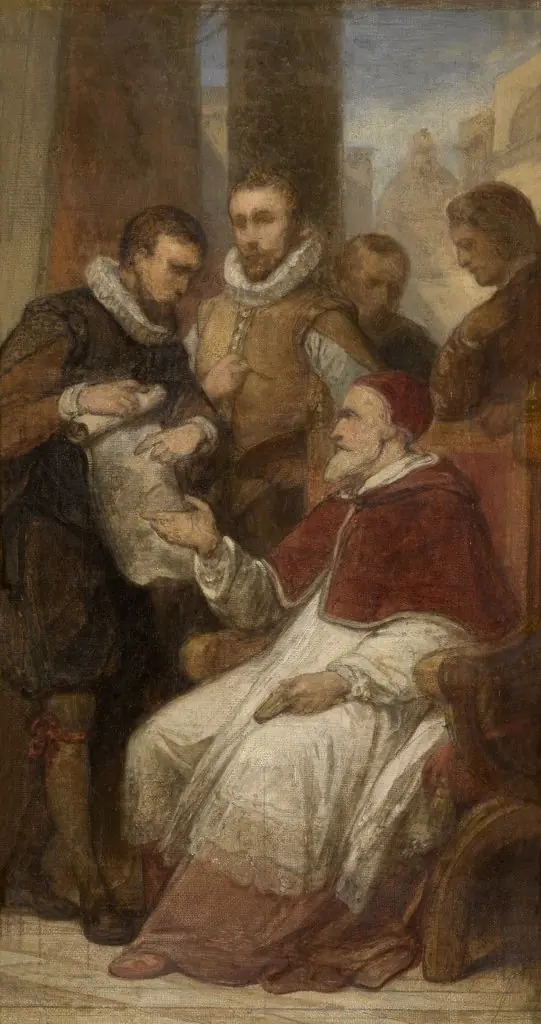 The Painters Matthijs and Paul Bril in Rome
 Sfântul Filippo Neri în meditație