Artwork
Salome with the Head of John the Baptist
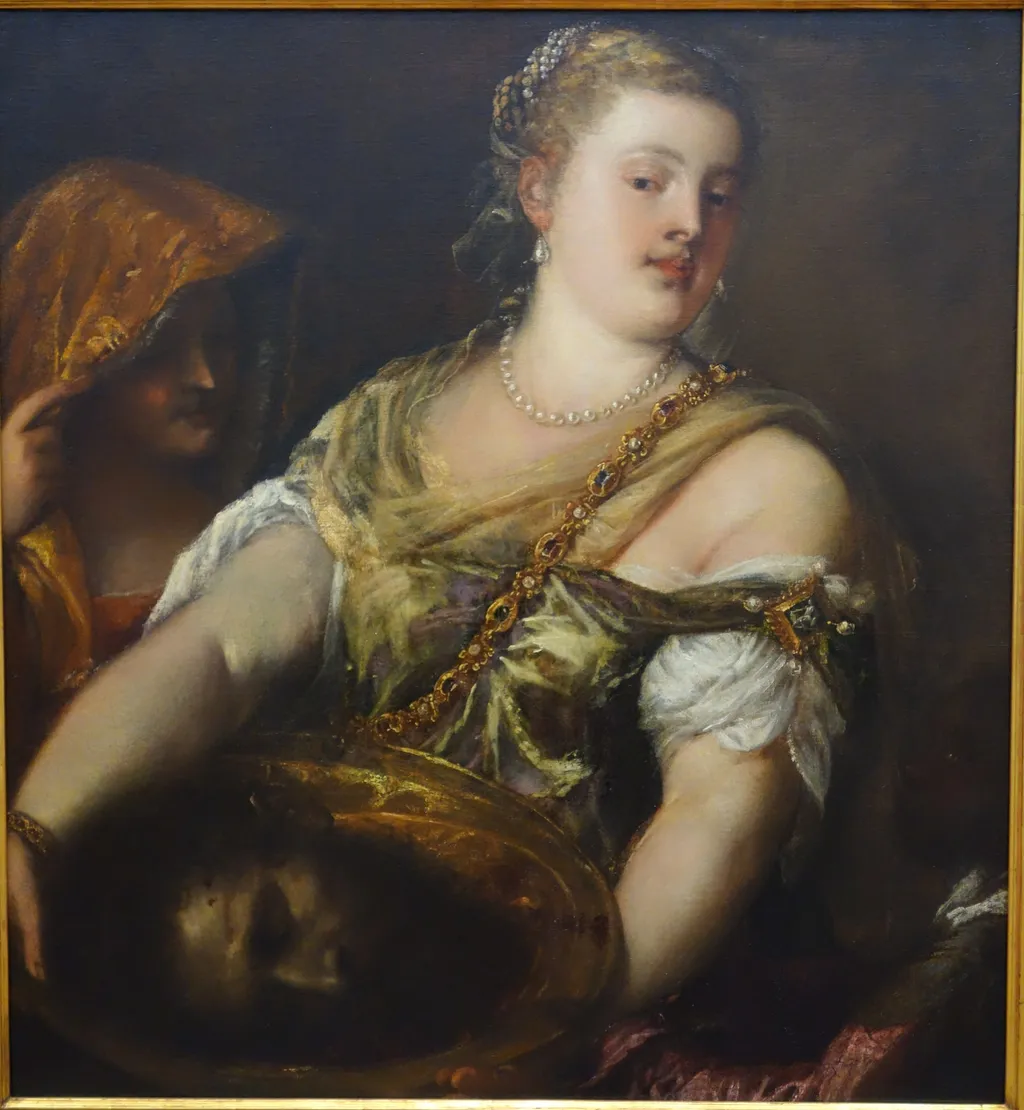
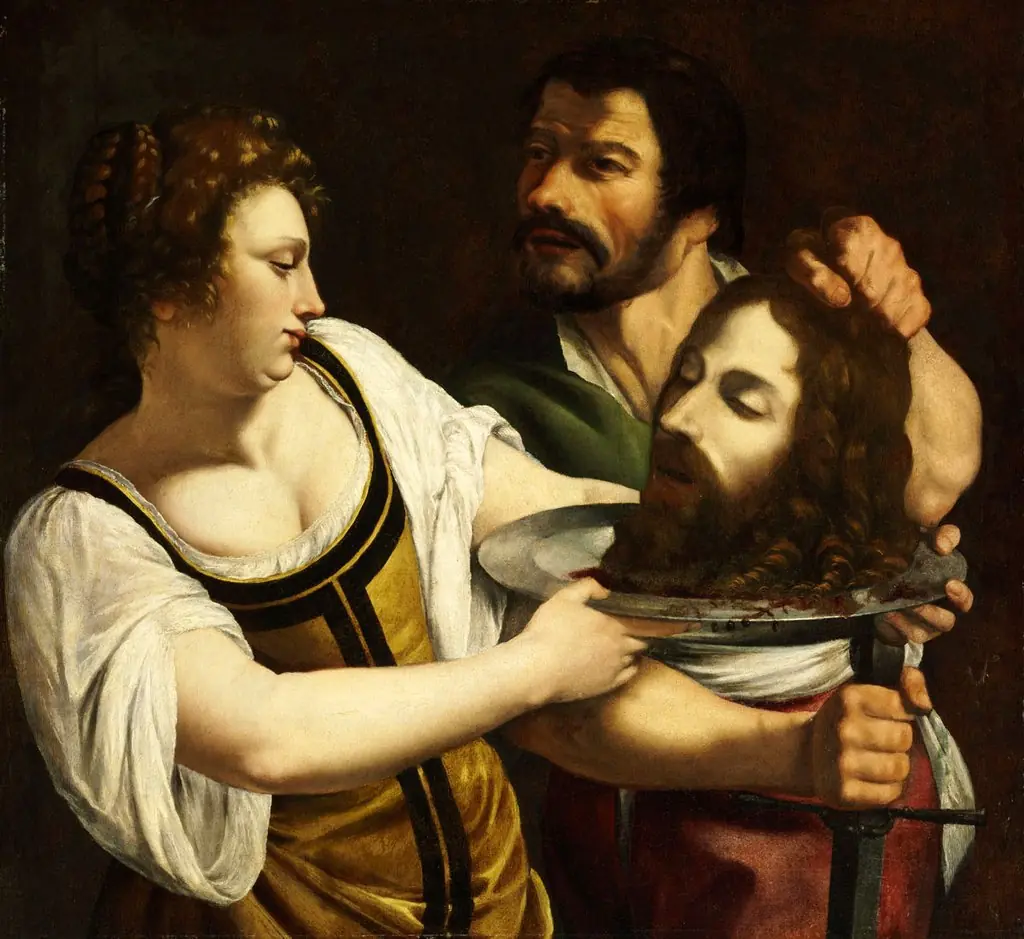
Salome with the Head of John the Baptist is an oil painting by the Mannerist artist Titian. It dates from 1565 and is held in the collection of the National Museum of Western Art. Completed in 1565, this oil painting portrays the biblical episode in which Salome presents the severed head of John the Baptist.
About this work
Overview
Completed in 1565, this oil painting portrays the biblical episode in which Salome presents the severed head of John the Baptist. Executed by the Venetian painter Titian, the work belongs to the late‑Renaissance Mannerist phase of his career. It is part of the collection of the National Museum of Western Art and measures the dramatic moment with a restrained, somber atmosphere.
Subject & Meaning
The composition centers on Salome, who holds an ornate golden platter bearing the freshly cut head of the prophet. She is dressed in a flowing gown cinched with a gold belt, her hair gathered under a pearl‑adorned headband, and a pearl necklace rests at her throat. Her calm gaze, directed away from the viewer, invites contemplation of the moral and political implications of the martyrdom.
Technique & Style
Titian employs a rich palette of deep shadows and luminous highlights, characteristic of his late style. The handling of oil paint creates a tactile sense of texture in the silk of Salome’s dress and the metallic sheen of the platter. Mannerist elongation of forms and a compressed spatial setting heighten the tension, while the chiaroscuro intensifies the scene’s dramatic focus.
History & Provenance
The painting was produced toward the end of Titian’s long career, a period marked by increasingly expressive brushwork. After remaining in private hands for several centuries, it entered the National Museum of Western Art’s holdings, where it has been displayed as part of the museum’s representation of Venetian art from the 16th century.
Context
The subject derives from the New Testament narrative of Salome’s request for John the Baptist’s head, a theme popular among Renaissance artists for its moral and theatrical potential. Titian’s rendition reflects the Venetian court’s taste for dramatic biblical scenes, while also aligning with contemporary Mannerist trends that favored heightened emotion and complex composition.
Artist & collection
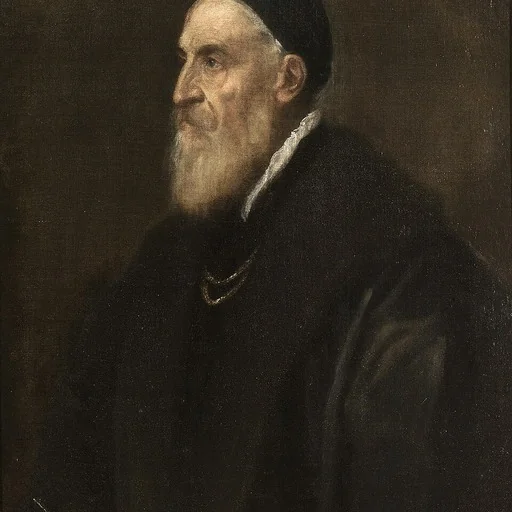
Artist
Tiziano Vecellio (Italian: ; c. 1488/1490 – 27 August 1576), Latinized as Titianus, hence known in English as Titian ( TISH-ən), was an Italian Renaissance painter. The most important artist of Renaissance Venetian…

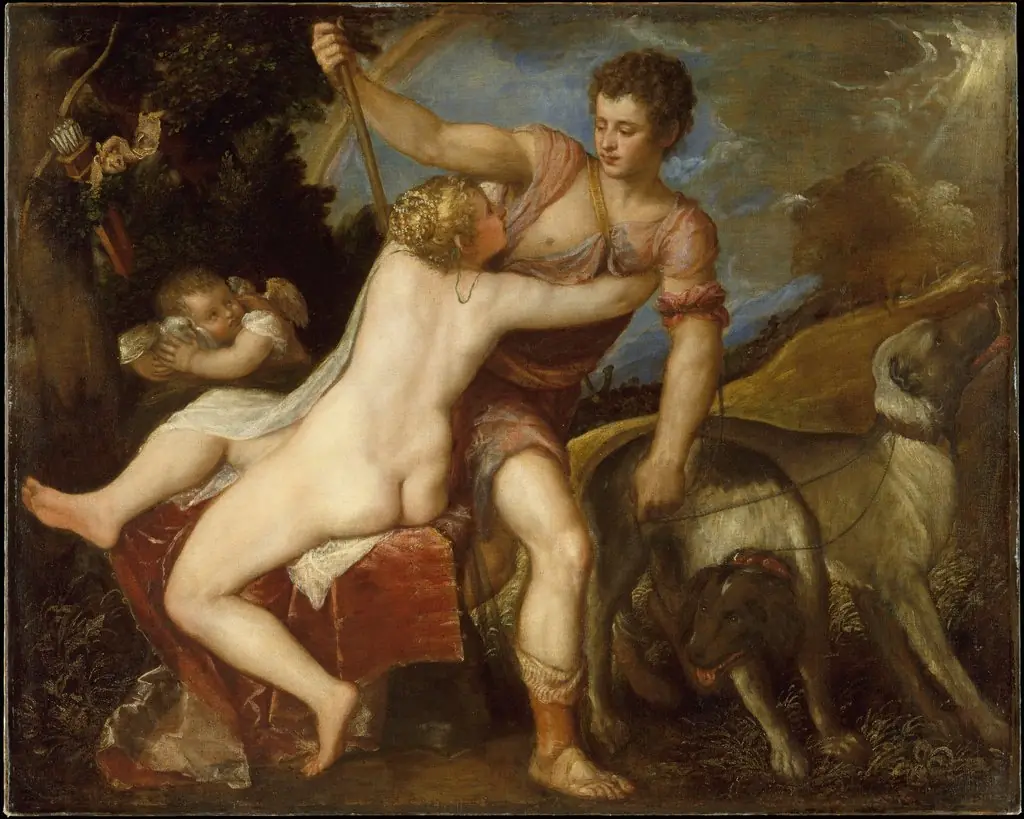
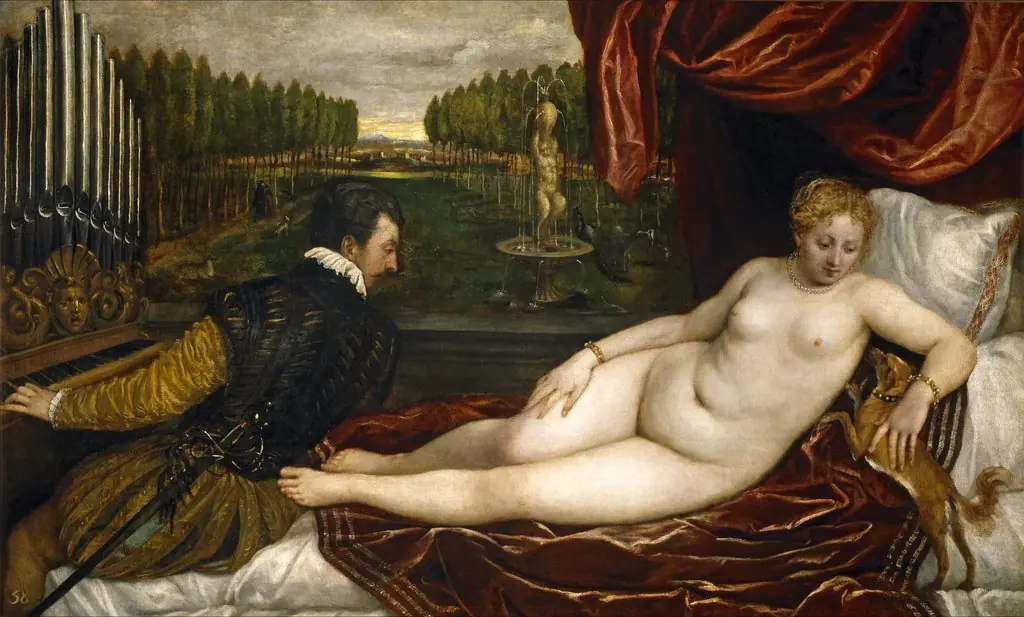
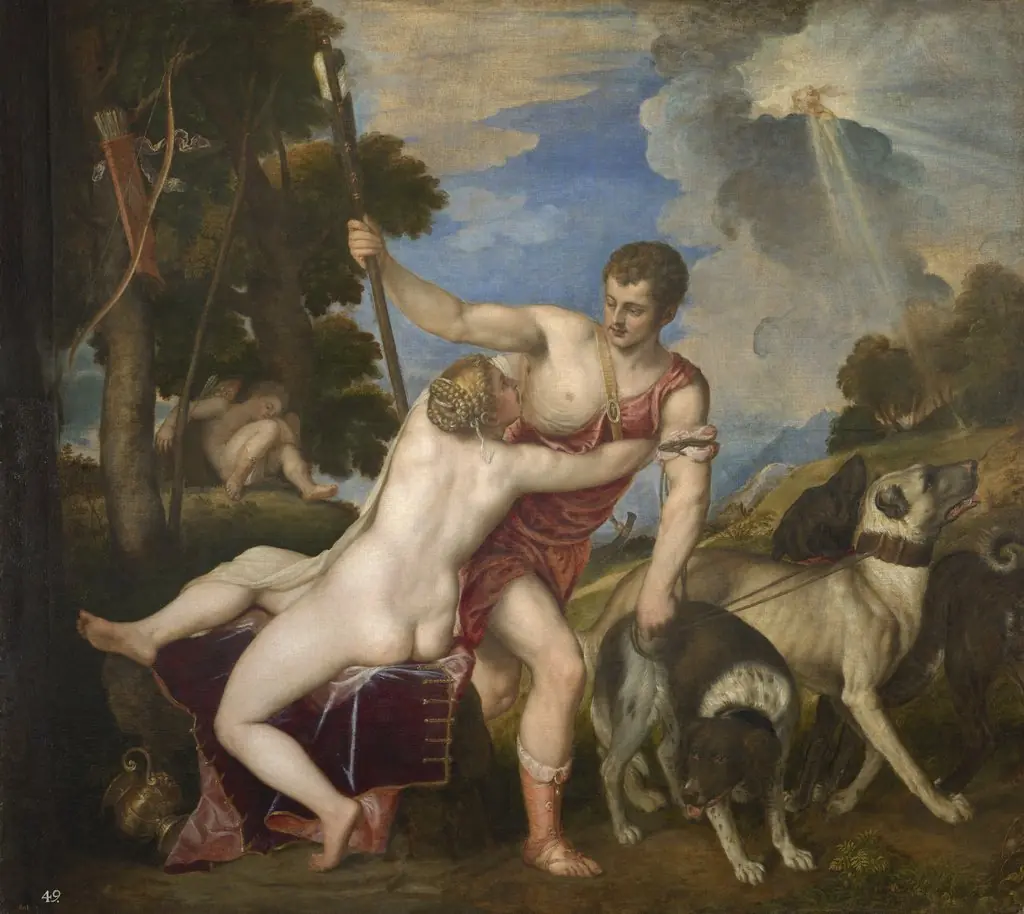
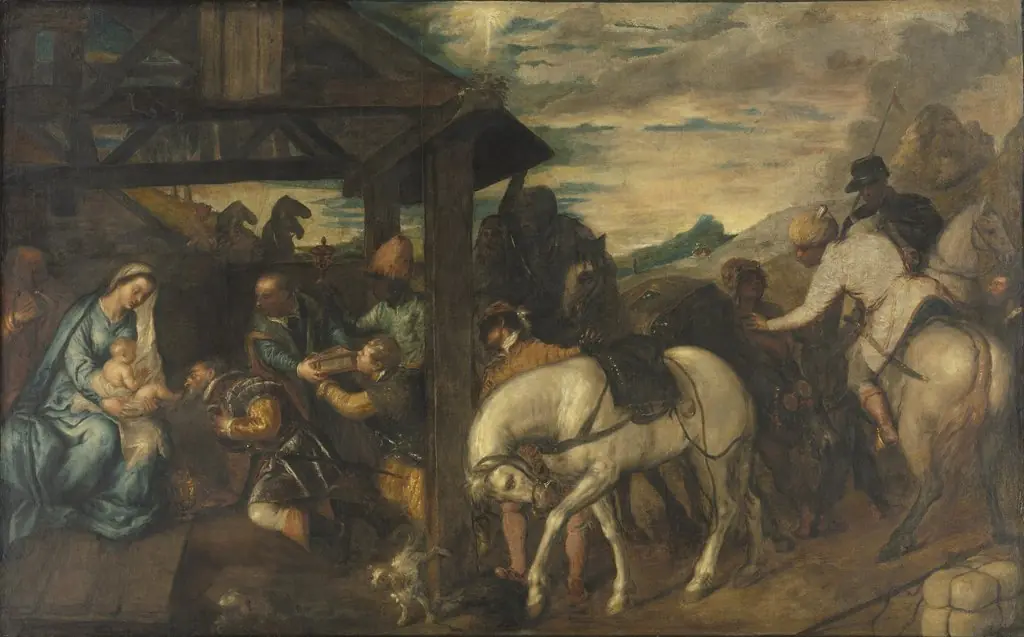
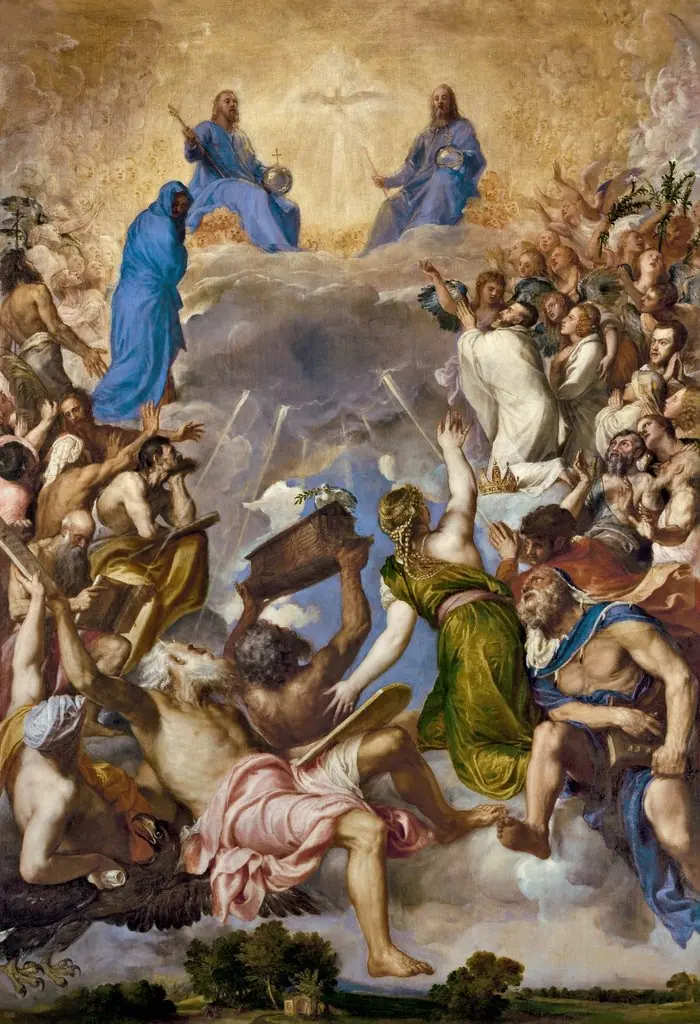
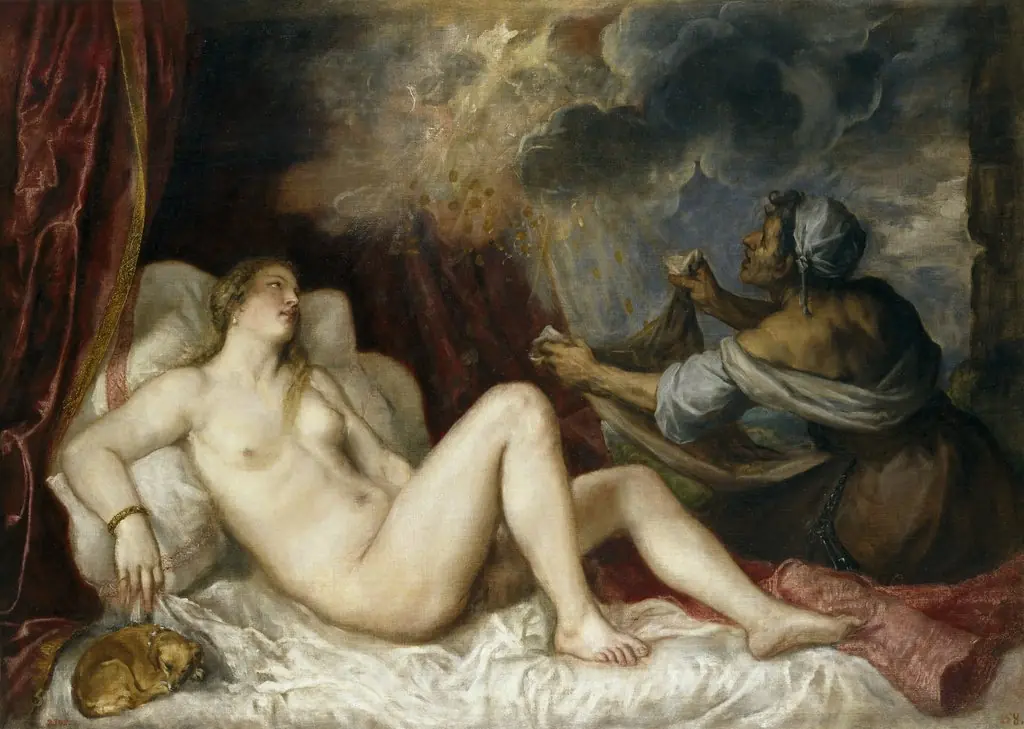
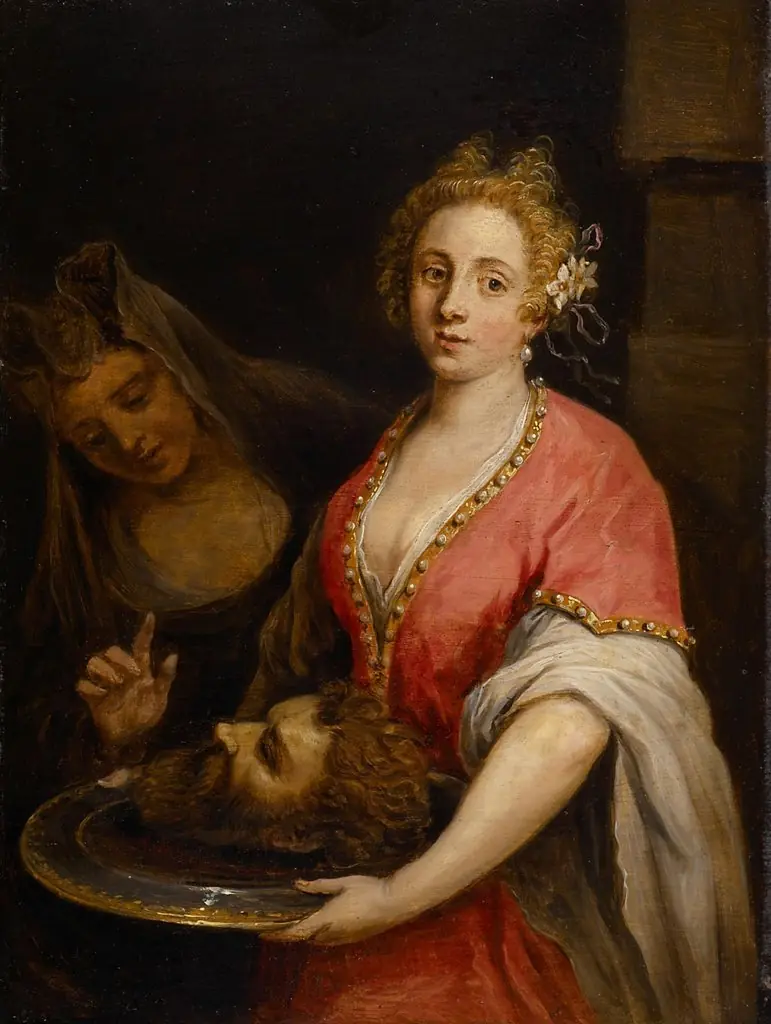 Salome with the Head of John the Baptist
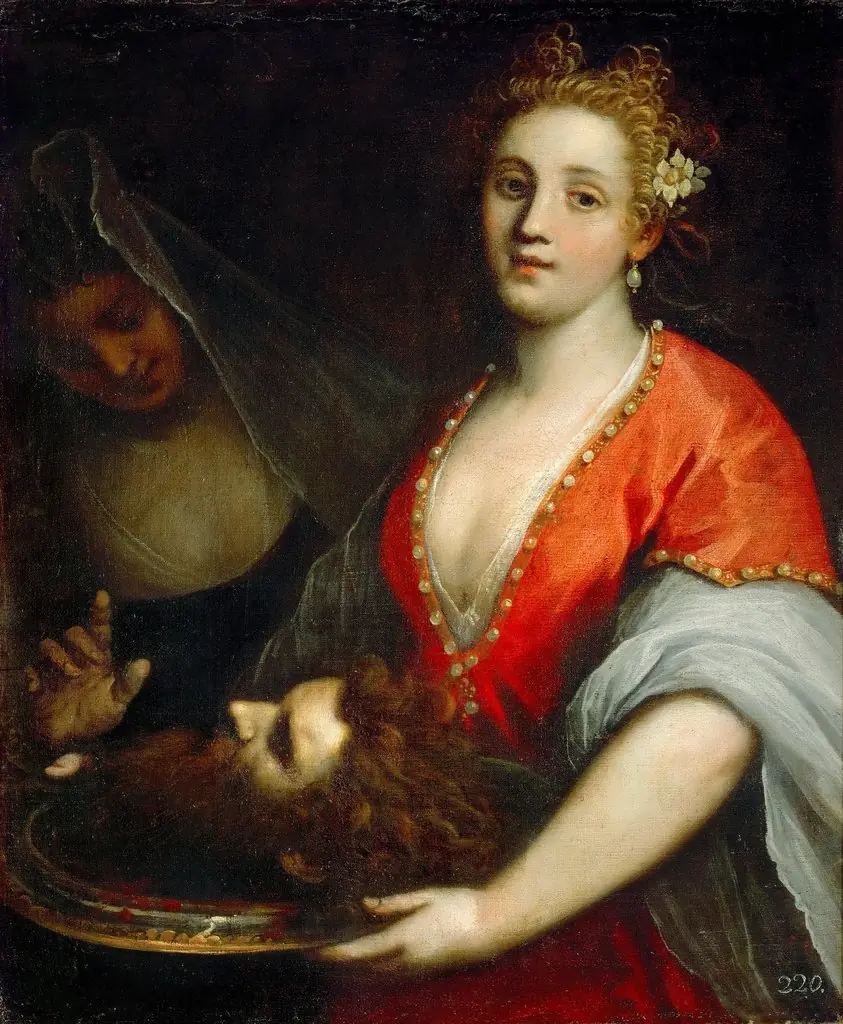 Salomé with the Head of John the Baptist
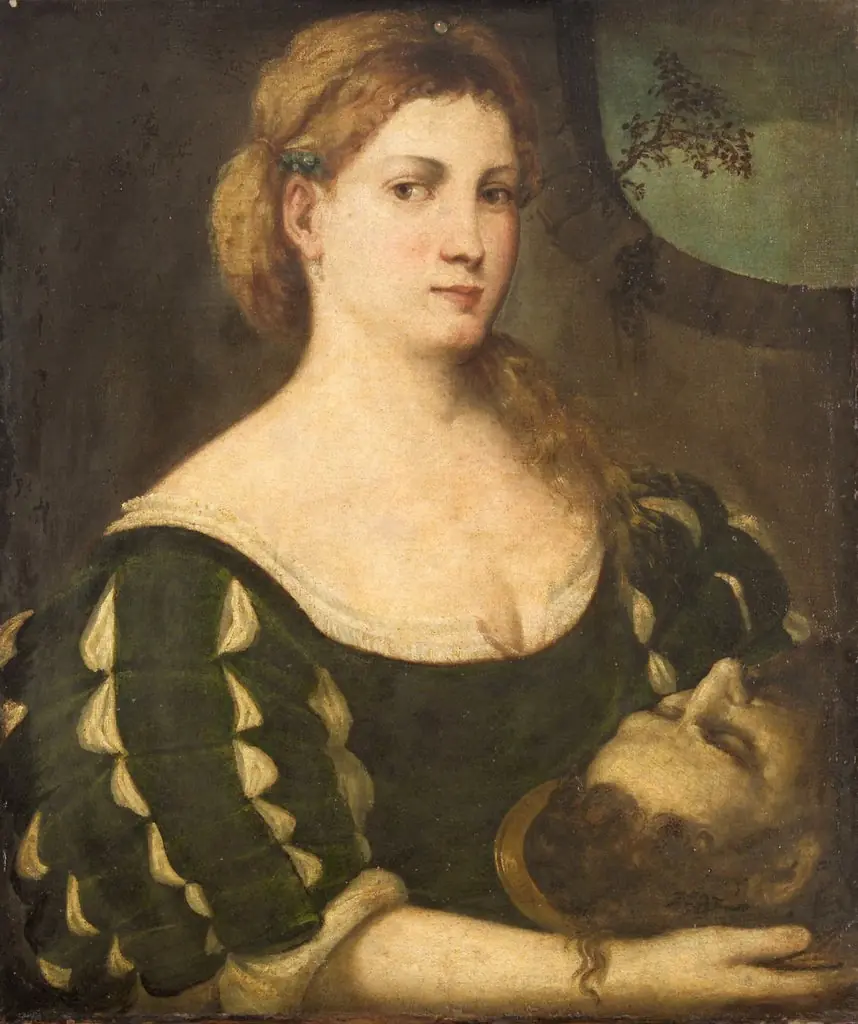 Salome with the head of John the Baptist
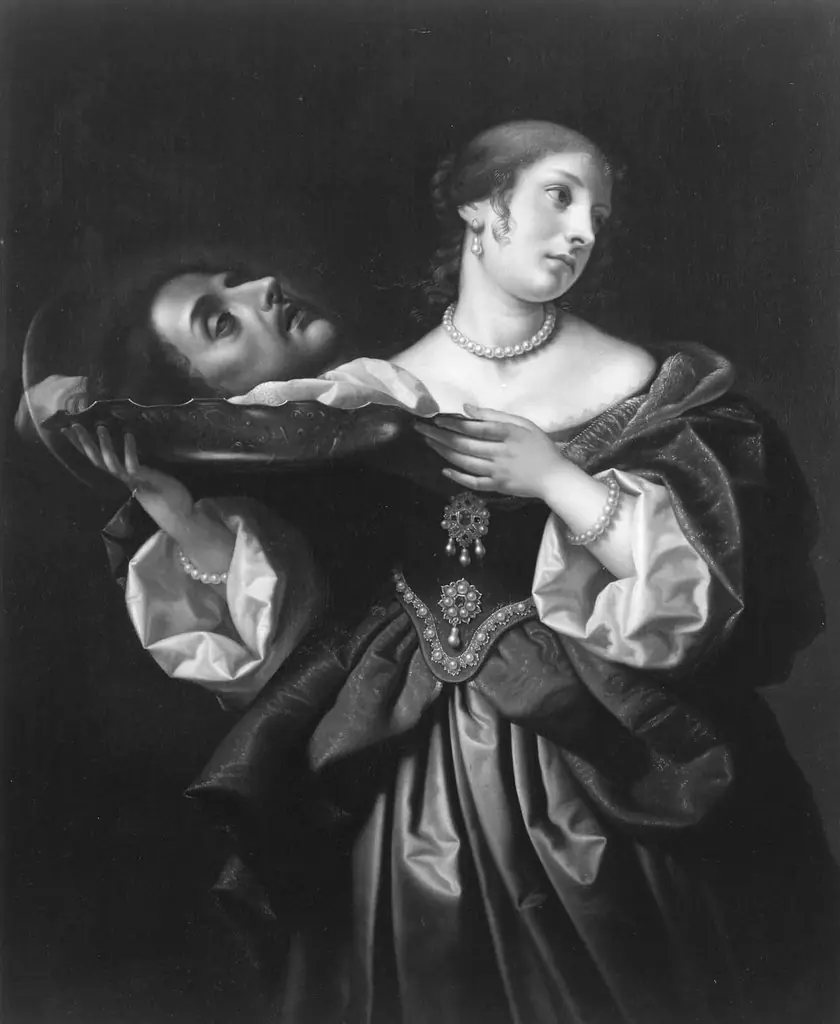 Salome with the Head of Saint John the Baptist
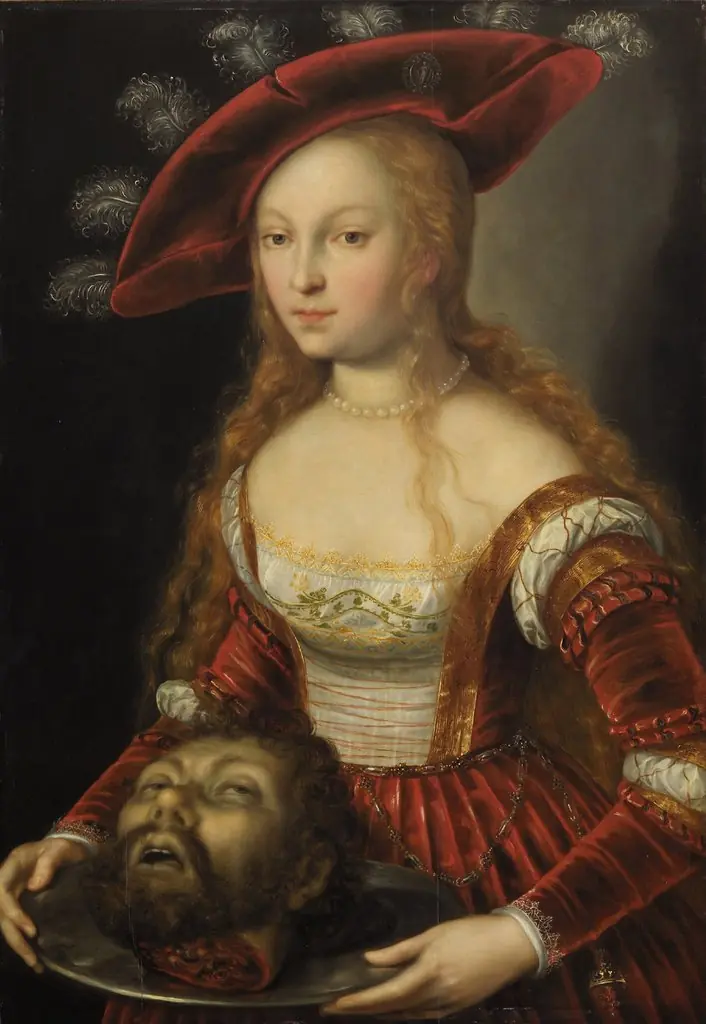 Salome with the head of John the Baptist
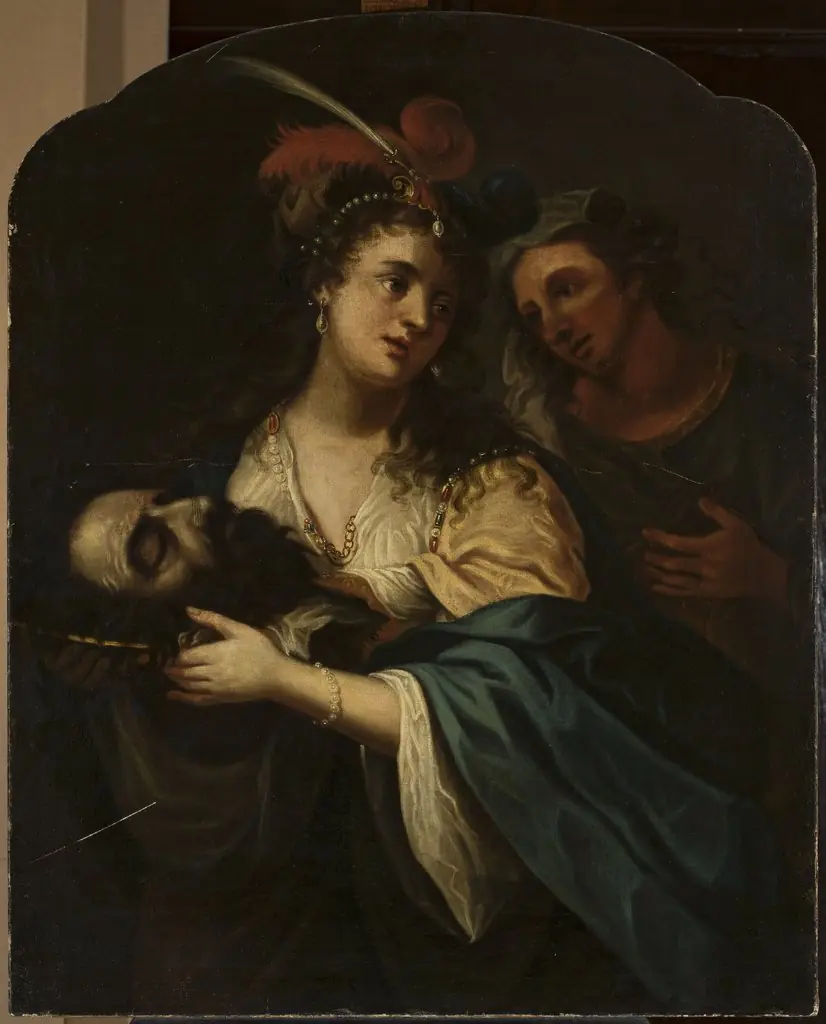 Salome with the head of St. John the Baptist
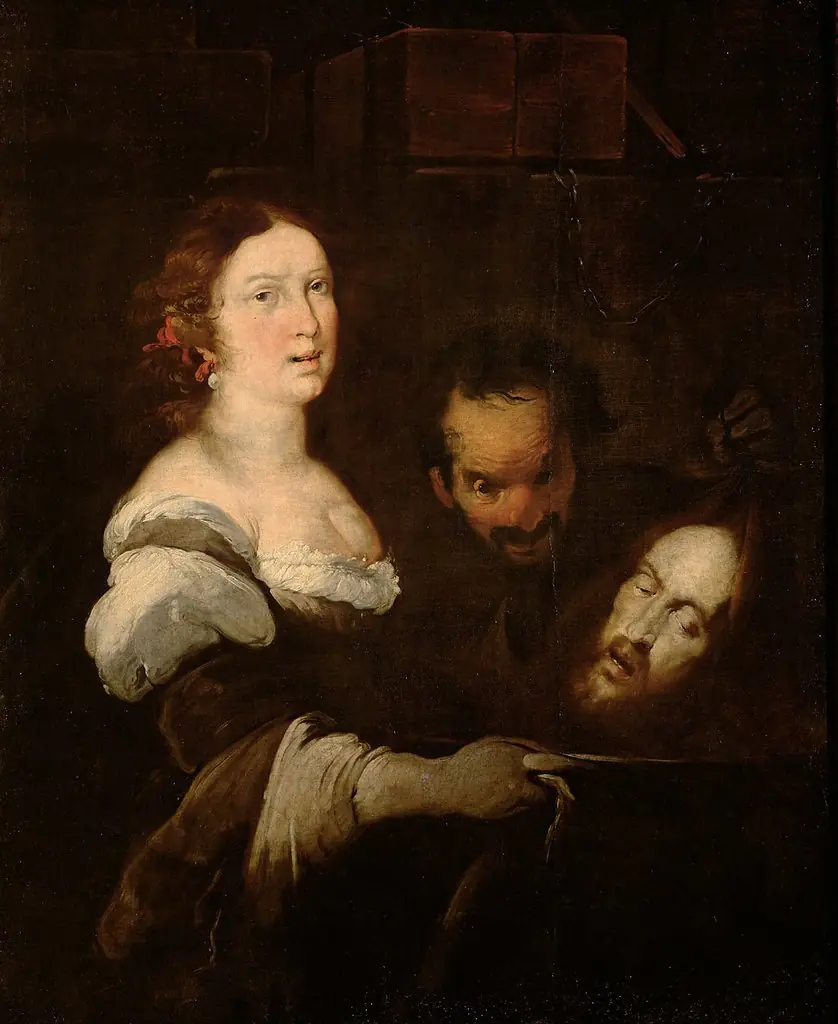 Salome with the head of St John the Baptist
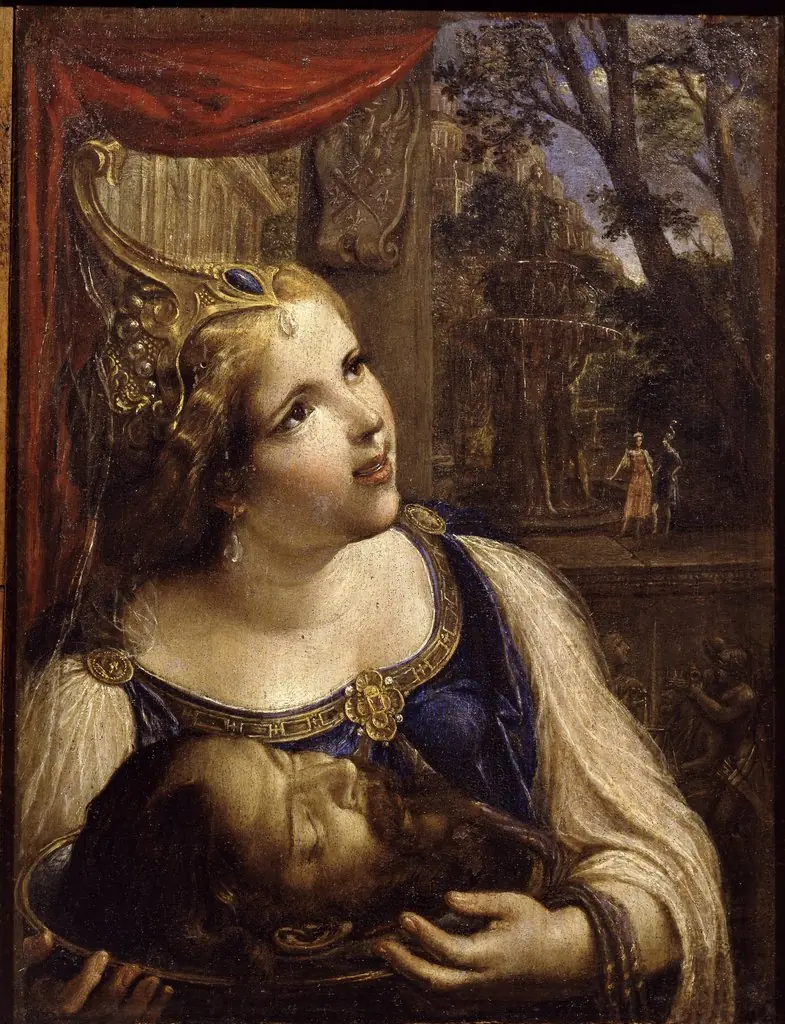 Salome with the head of St John the Baptist
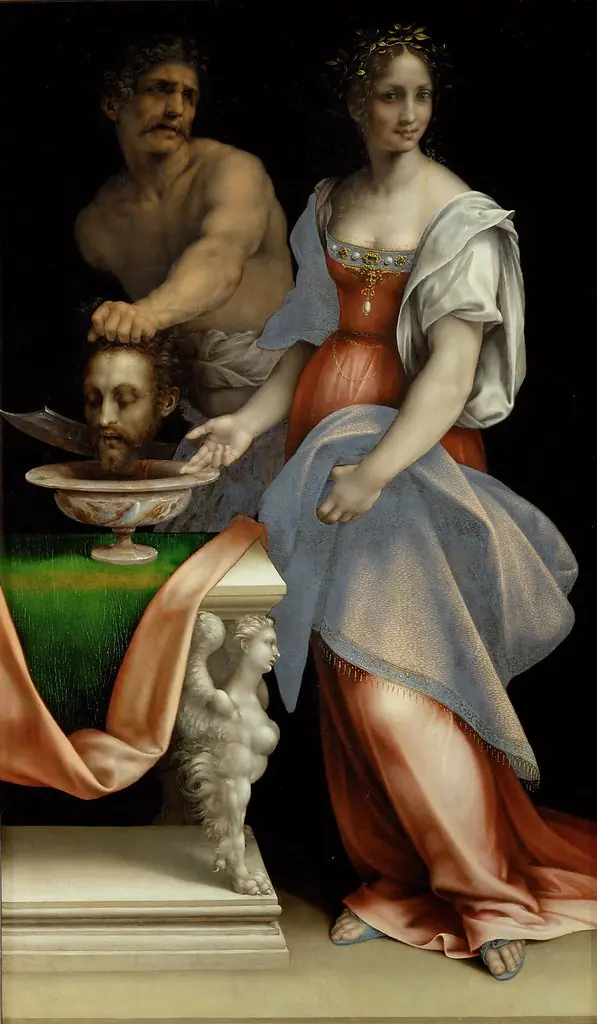 Salome with the head of John the Baptist
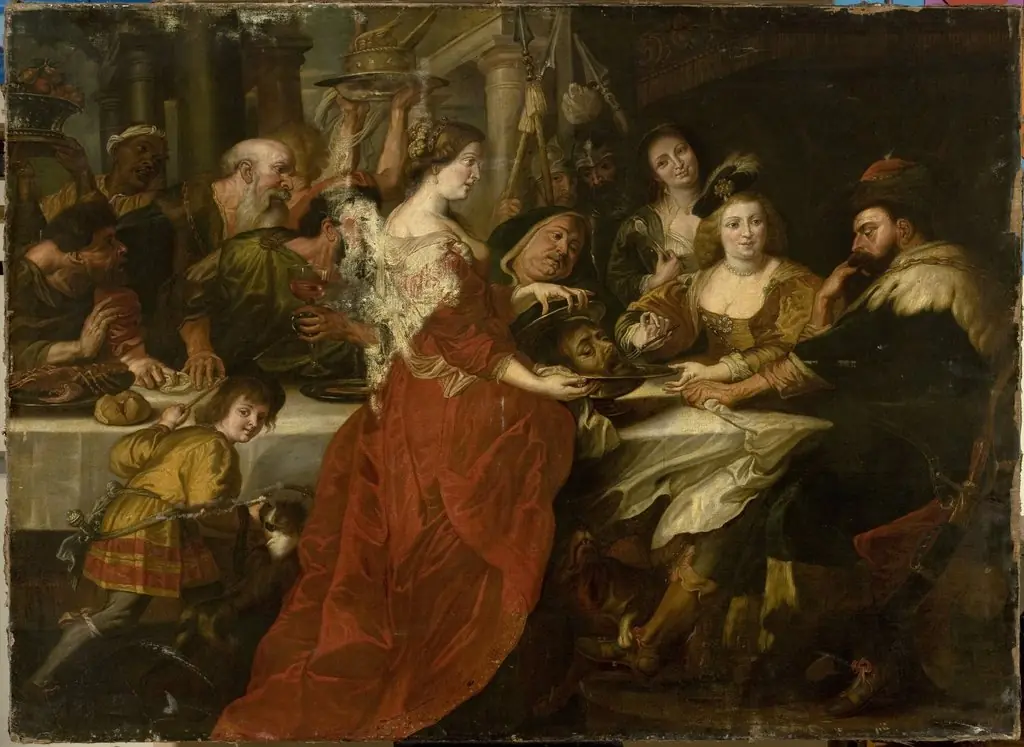 Salome with the head of St. John the Baptist at the banquet (Matthew 14:11; Mark 6:27-28)
 Salome with the Head of Saint John the Baptist