Artwork
The Penitent Magdalene
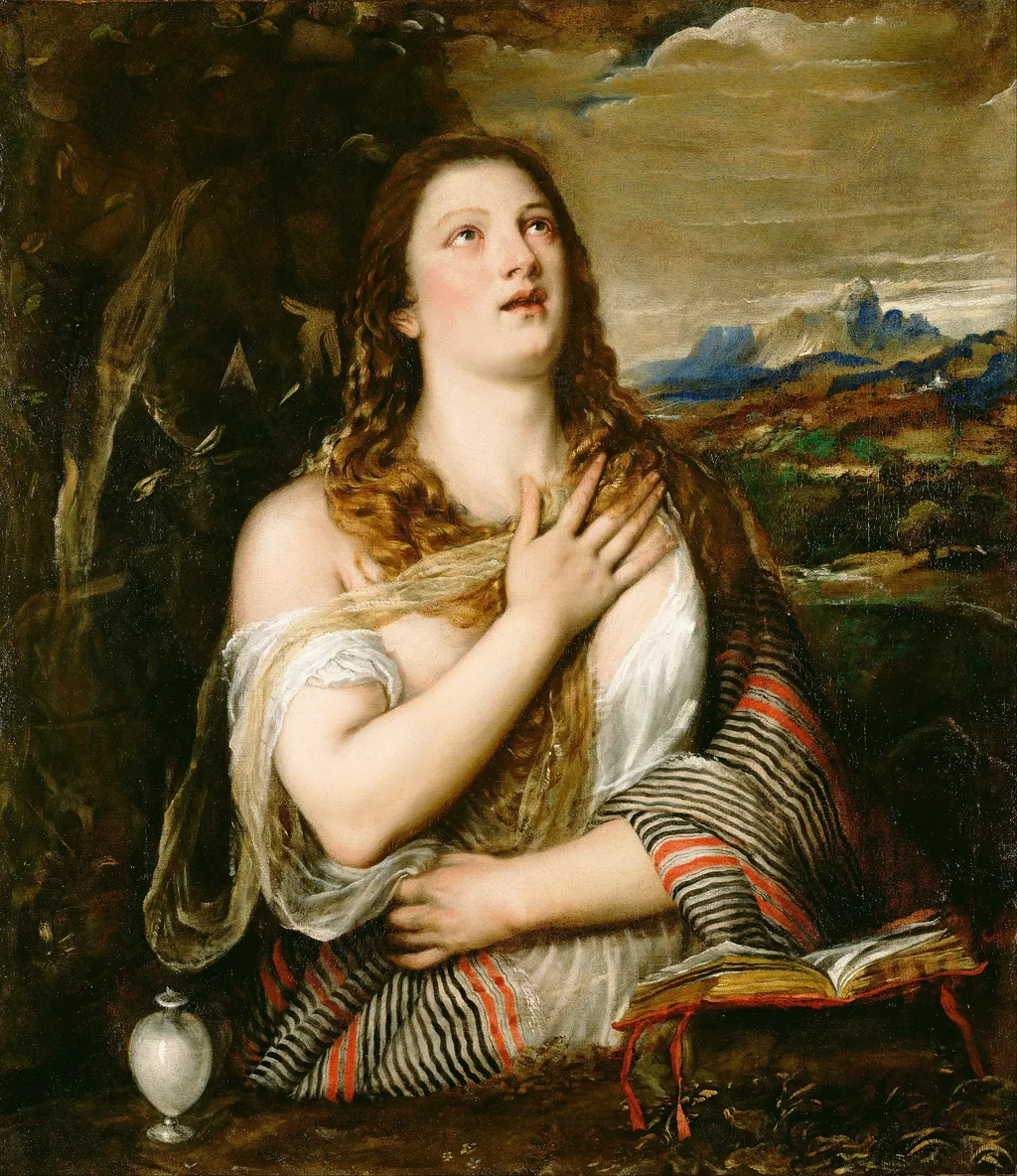
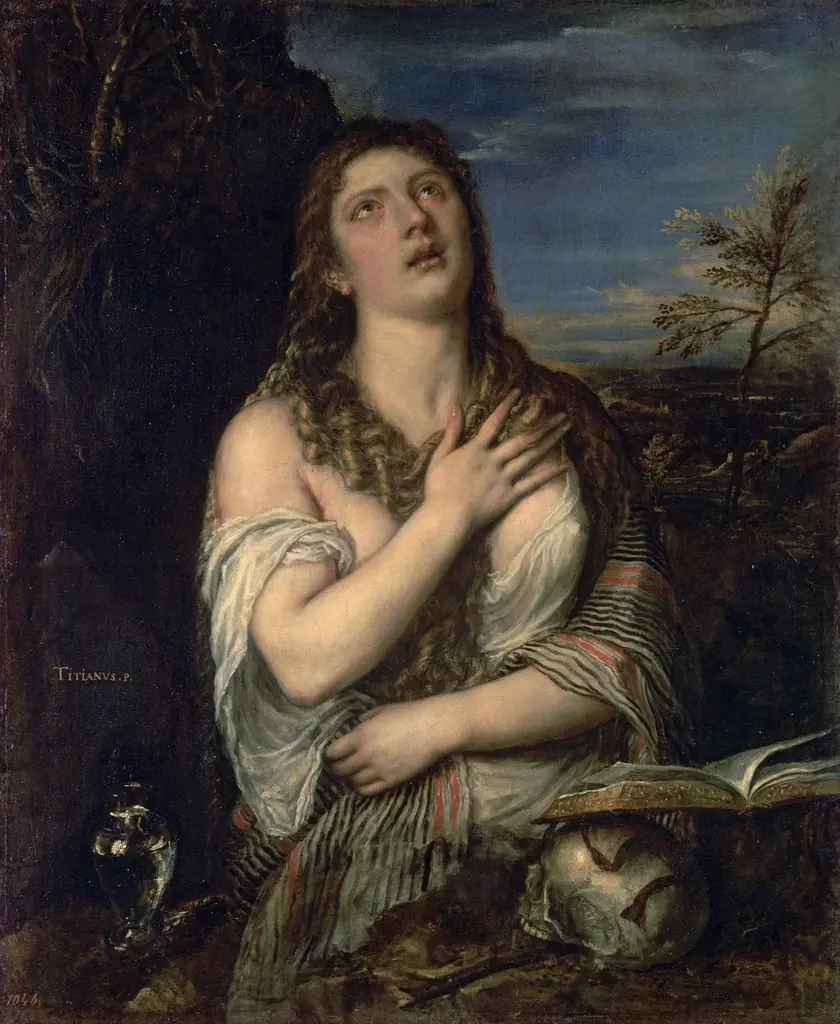
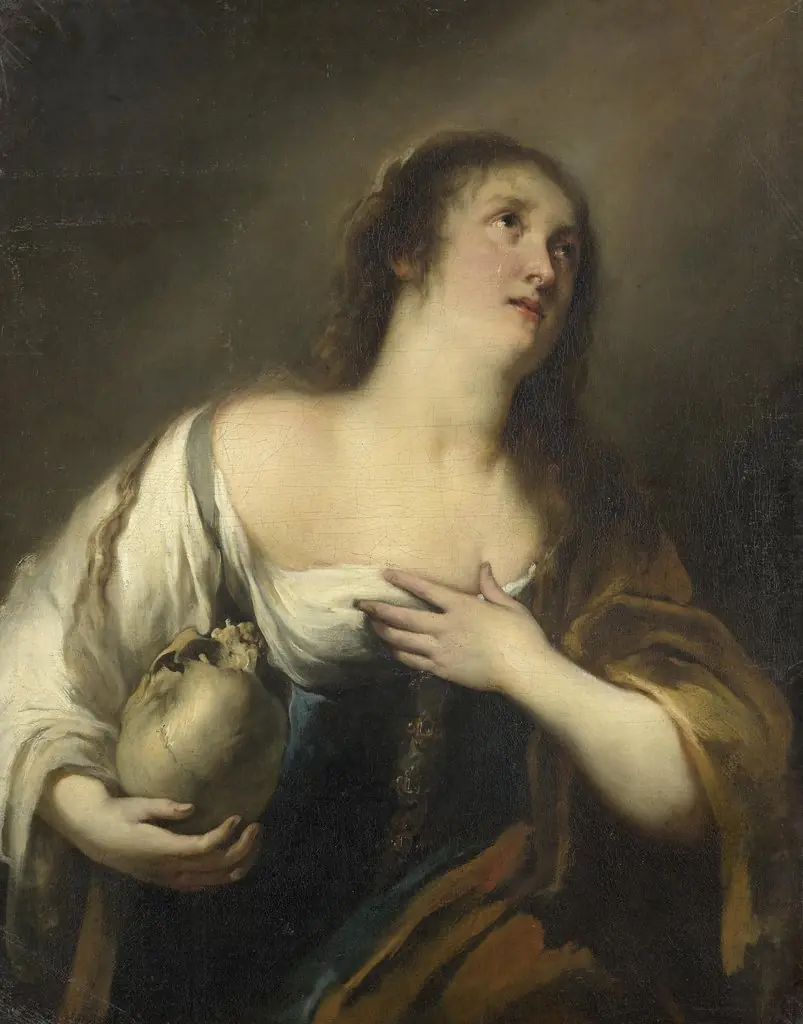
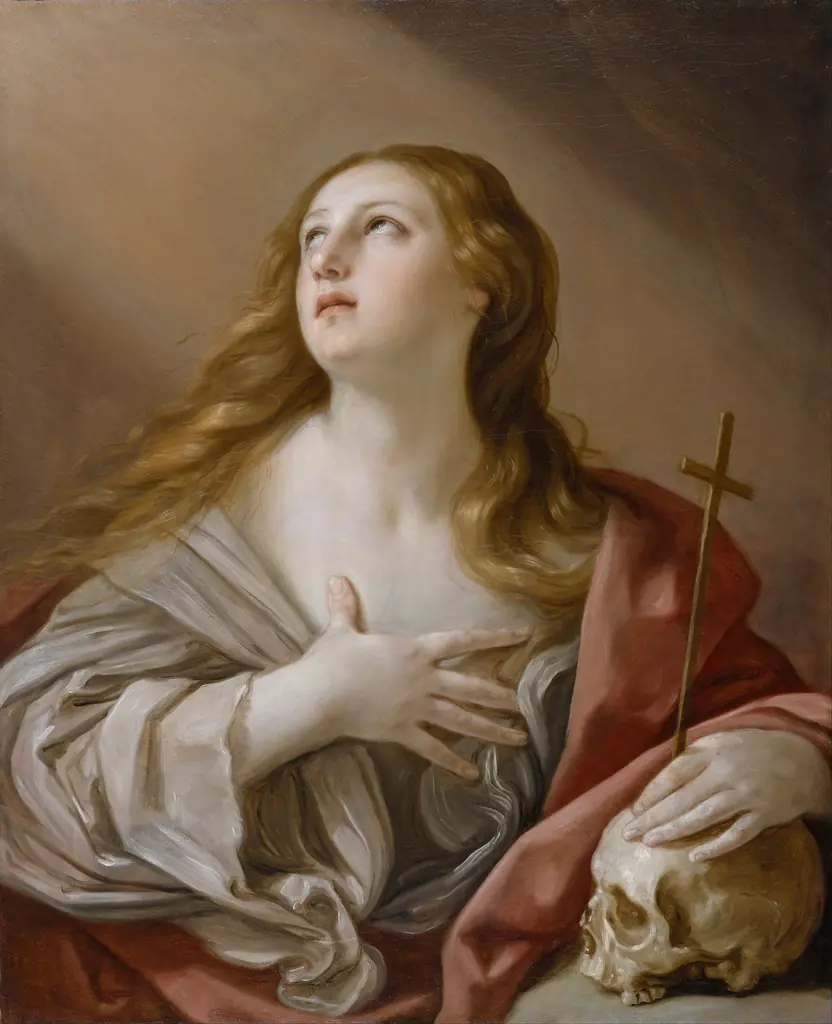
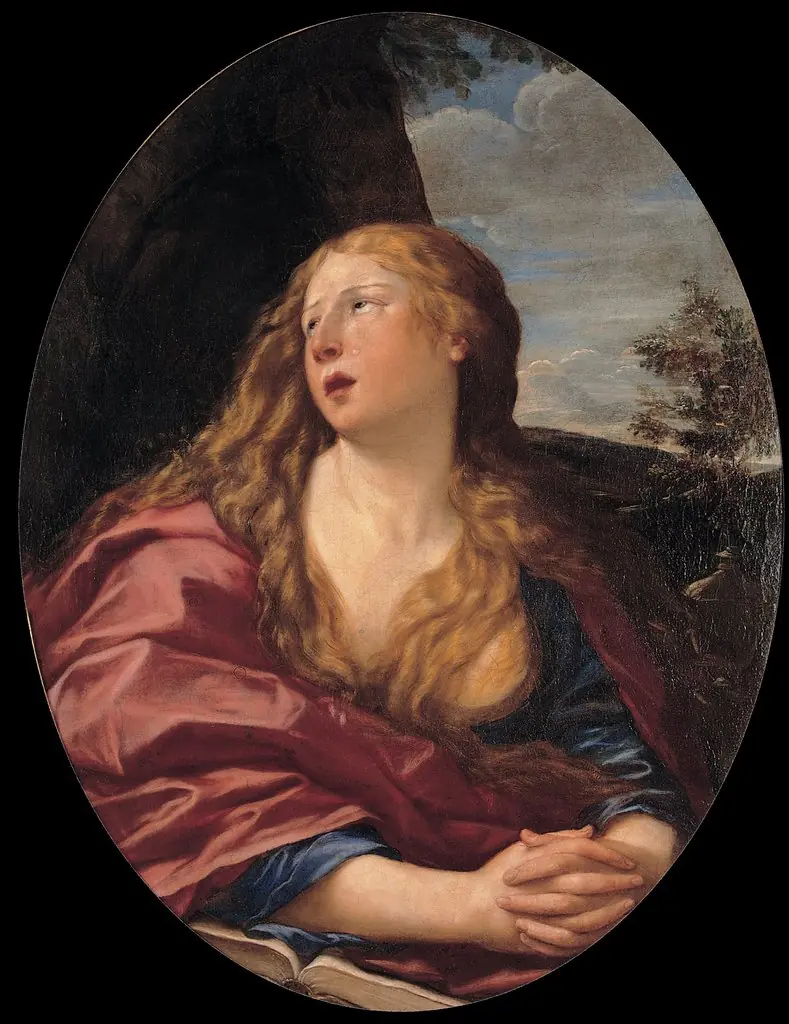
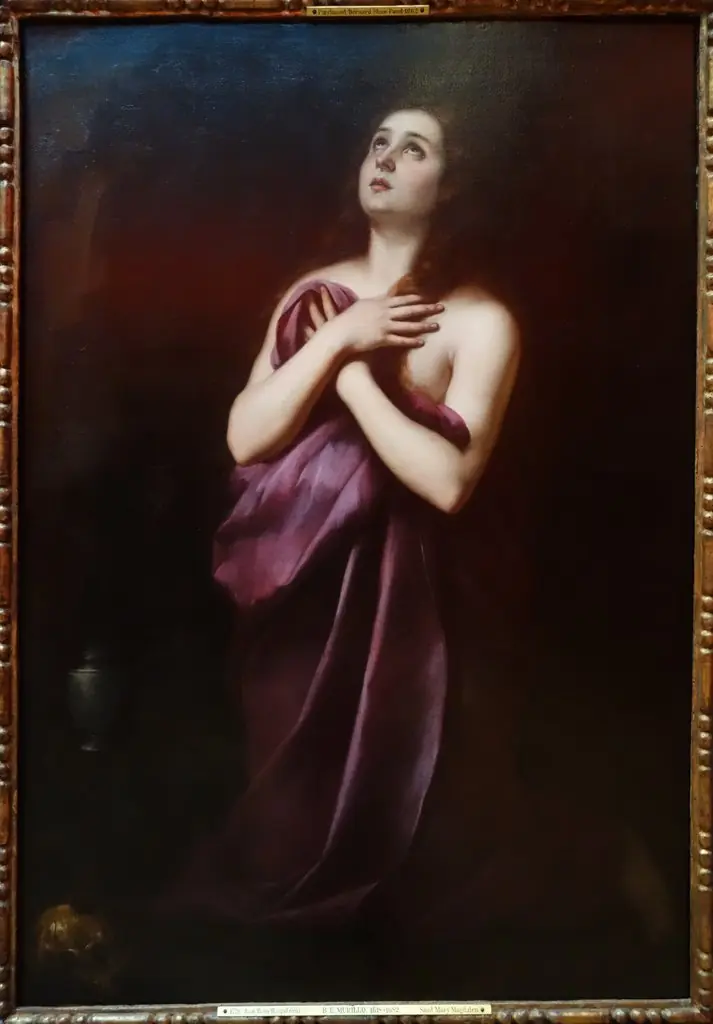
The Penitent Magdalene is an oil painting by the High Baroque Italian artist Titian. It dates from 1560 and is held in the collection of the J. Paul Getty Museum.
About this work
Overview
The Penitent Magdalene is a 1560 oil painting by Titian, created during the High Baroque period in Italian art. It portrays a solitary figure in a contemplative state, characteristic of the artist's exploration of emotional depth through religious subjects.
Subject & Meaning
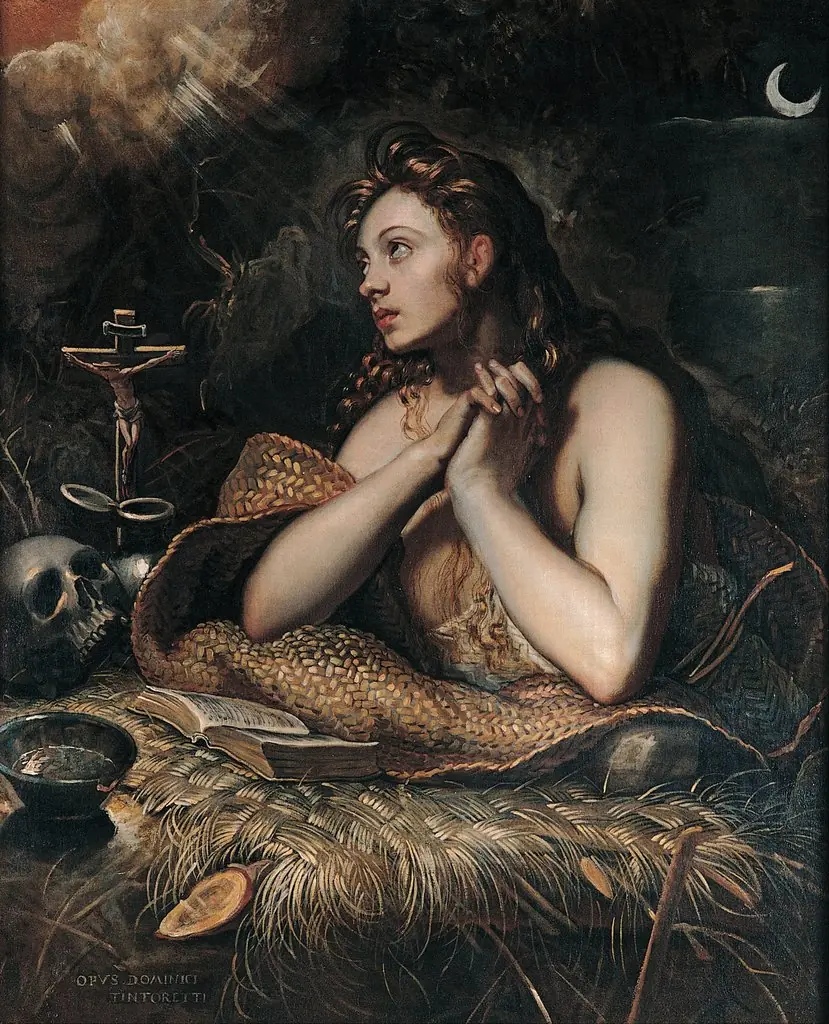
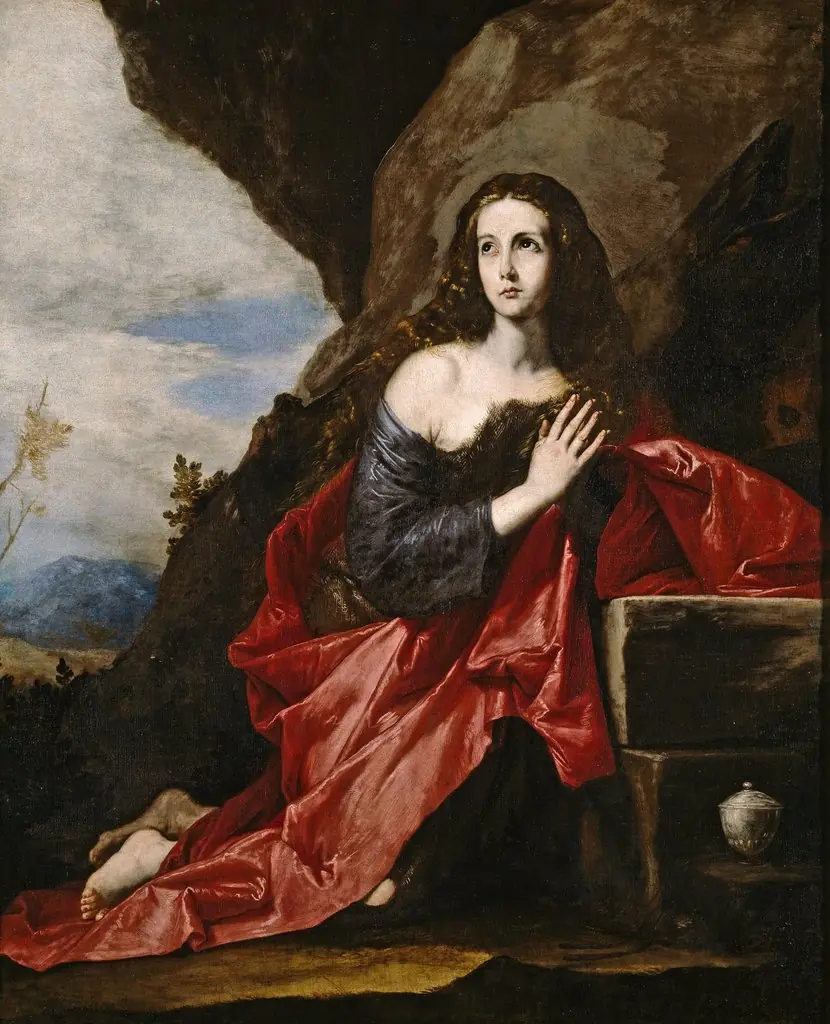
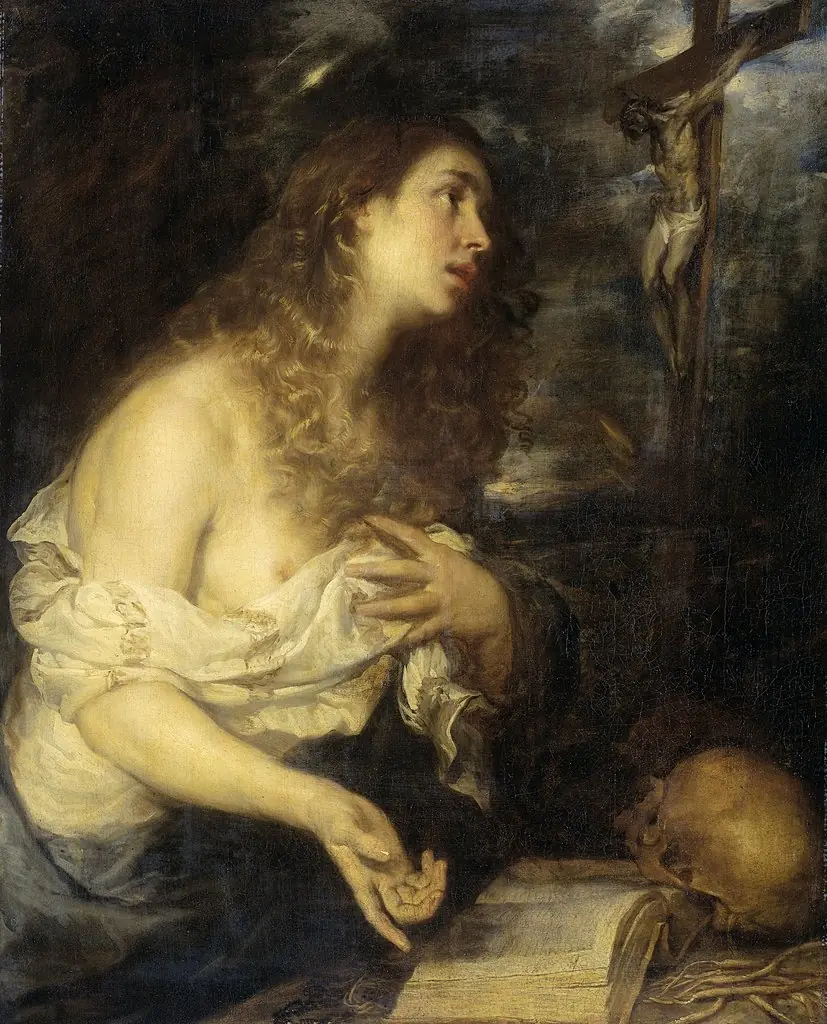
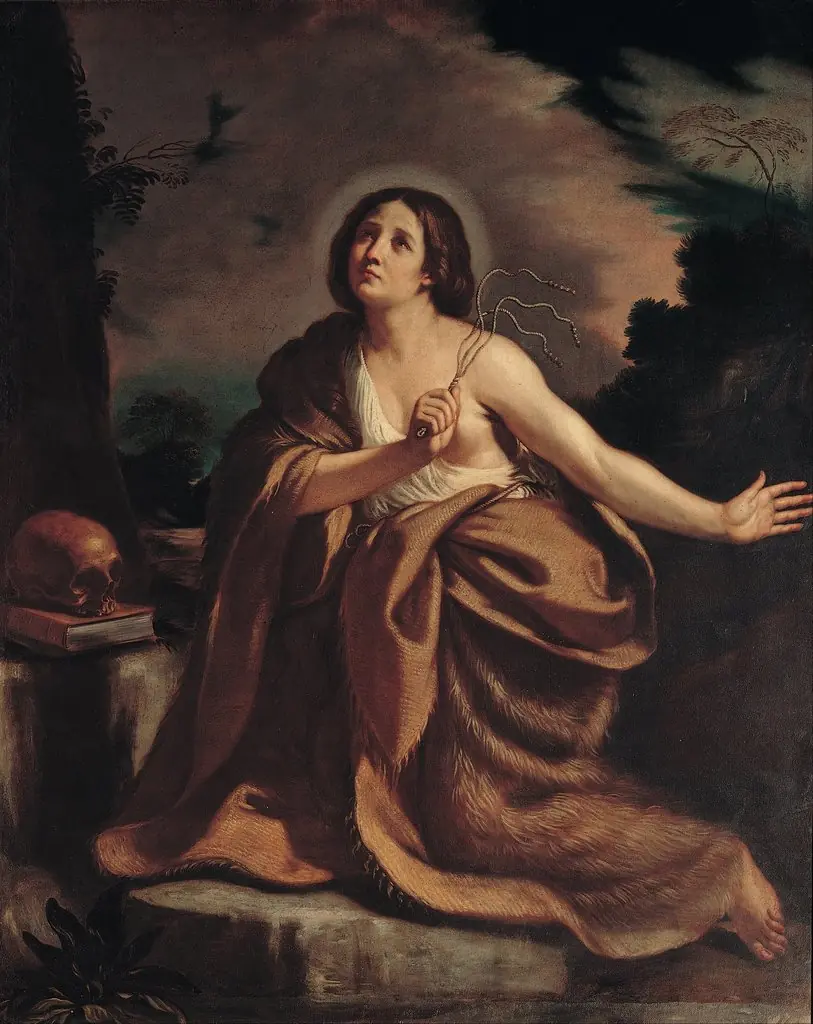
The painting depicts Mary Magdalene in a moment of intense reflection or prayer, conveyed through her clasped hands, upward gaze, and surrounded by symbolic elements: a white vase (purity), an open book (devotion), and a contrasting landscape background.
Technique & Style
Titian employs chiaroscuro to create a stark contrast between light and dark, emphasizing Magdalene's face and hands. The composition blends Baroque drama with the subject's emotional introspection, showcasing Titian's mastery of color and expressive lighting.
History & Provenance
Painted by Titian (c. 1488–1490 - 1576), a pivotal Venetian Renaissance artist, the work is now part of the J. Paul Getty Museum's collection.
Context
This piece reflects Titian's recurring interest in Mary Magdalene as a subject, as well as his versatility in capturing religious themes with profound emotional intensity, a hallmark of his late Renaissance and early Baroque stylistic evolution.
Legacy
While specific influence of *The Penitent Magdalene* is not broadly detailed, it contributes to Titian's broader legacy in shaping the expressive and lighting techniques of subsequent Baroque artists.
Own this work as a print
Artist & collection

Artist
Tiziano Vecellio (Italian: ; c. 1488/1490 – 27 August 1576), Latinized as Titianus, hence known in English as Titian ( TISH-ən), was an Italian Renaissance painter. The most important artist of Renaissance Venetian…