Artwork
Ali
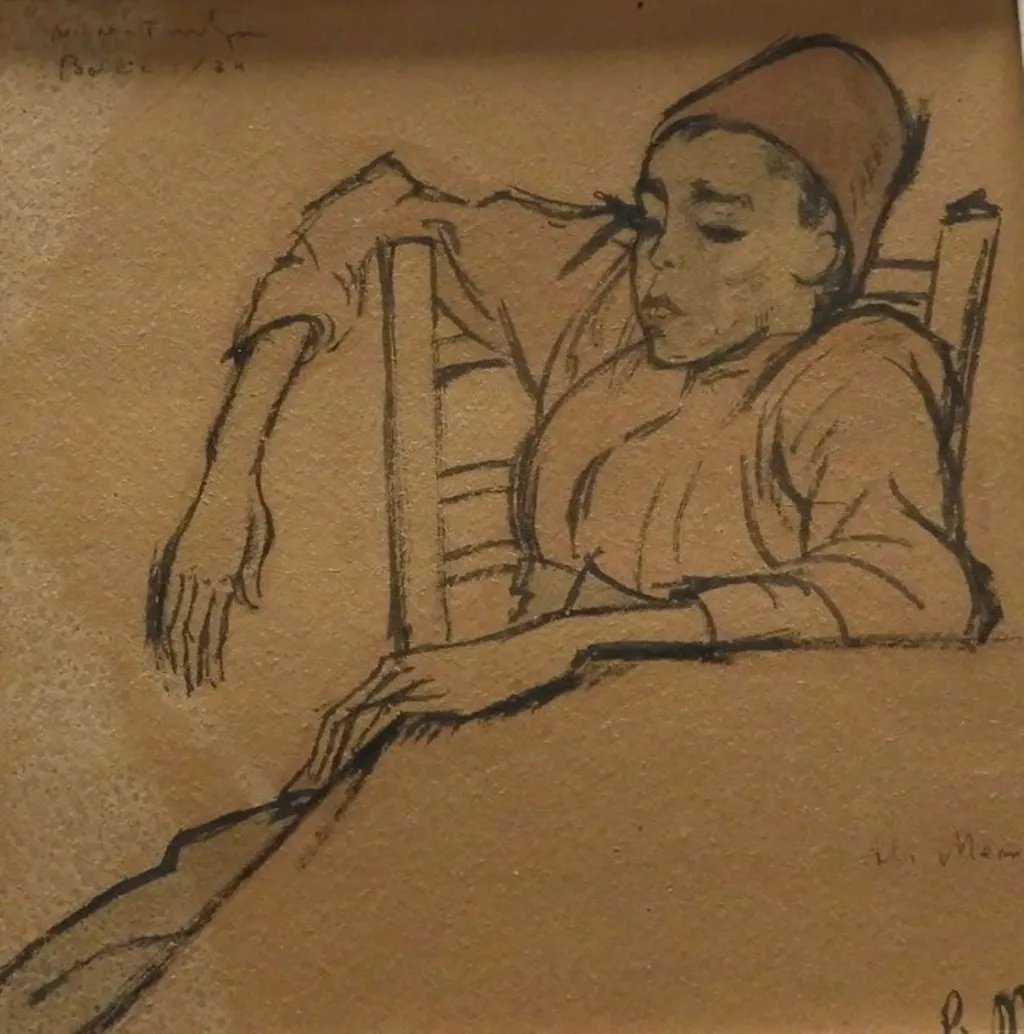
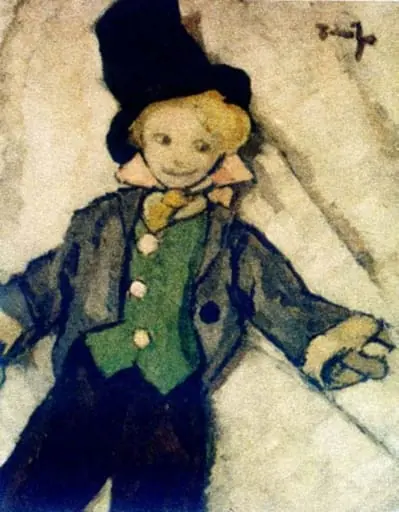
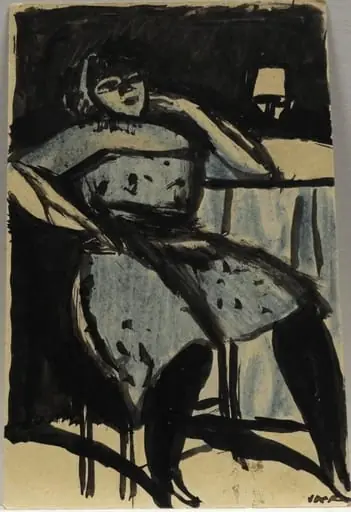
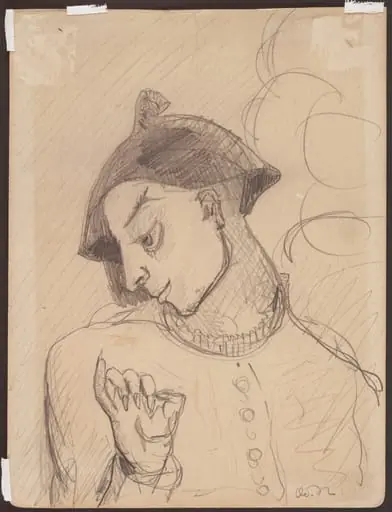
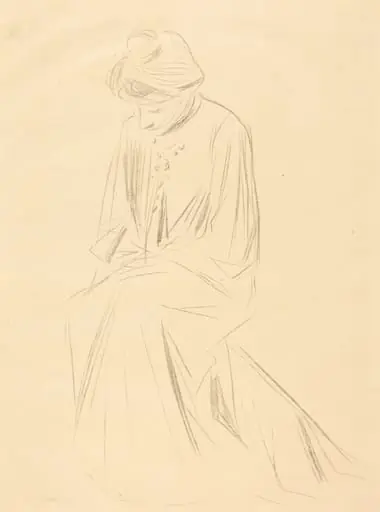
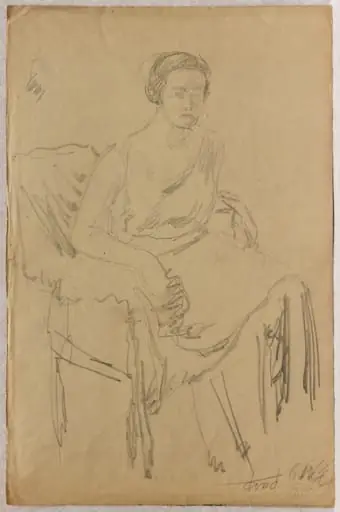
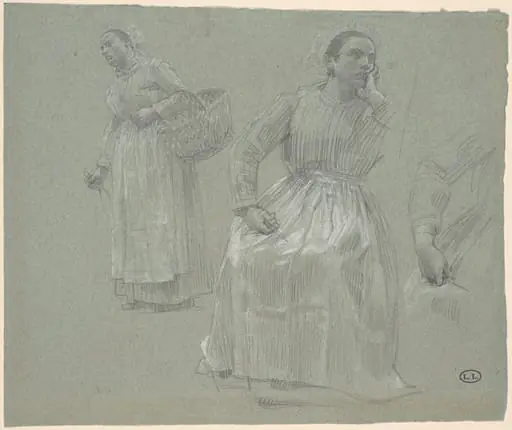
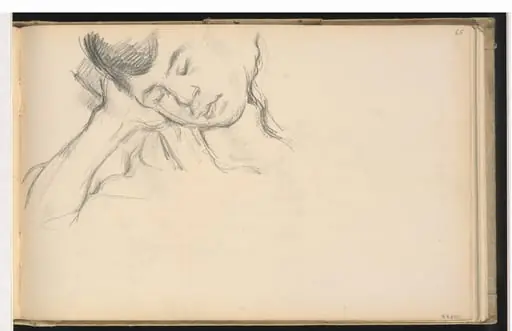
Ali is a drawing by Nicolae Tonitza. It dates from 1923 and is held in the collection of the National Museum of Art of Romania.
About this work
Overview
Minimal shading and sparse linework convey volume without detail, reflecting the artist’s interest in spontaneous observation.
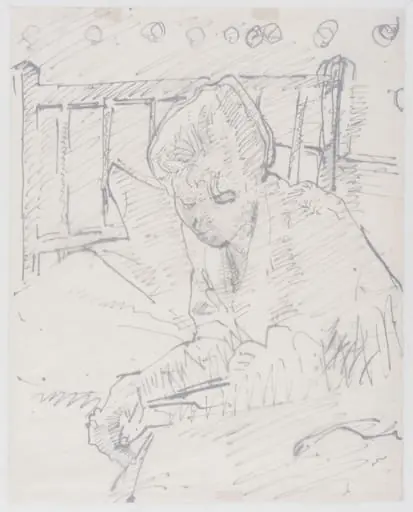
Created around 1923 by Nicolae Tonitza, this ink sketch captures a reclining figure in a moment of quiet repose. Executed with swift, unrefined strokes, the drawing prioritizes gesture and form over precision. The figure lies on an implied rough surface, arms extended behind the head, suggesting ease or exhaustion. Minimal shading and sparse linework convey volume without detail, reflecting the artist’s interest in spontaneous observation.
Subject & Meaning
The subject is a solitary figure, anonymous and unidealized, resting in a humble posture. The loose clothing and simple hat hint at rural or working-class attire, grounding the figure in everyday reality. There is no narrative context, only presence — the pose evokes physical release rather than emotional drama. Tonitza’s focus on stillness transforms a mundane moment into a quiet meditation on human vulnerability.
Technique & Style
Tonitza employed rapid, uneven ink lines to define form, avoiding contour precision in favor of suggestive marks. Shading is achieved through sparse cross-hatching beneath the chin and around the head, adding depth without heaviness. Large areas of untouched paper remain, emphasizing negative space as an active element. The technique mirrors the immediacy of a field study, capturing motion and weight through economy rather than finish.
History & Provenance
This sketch originates from Tonitza’s broader practice of observational drawing during the early 1920s, a period when he increasingly turned to intimate, unposed studies of individuals. Likely made in Romania, it reflects his engagement with modernist tendencies that valued spontaneity over academic finish. While its exact provenance is undocumented, it aligns with other works from his personal sketchbooks held in Romanian collections.
Context
In early 20th-century Romania, artists like Tonitza were moving away from formal portraiture toward more personal, expressive modes. Influenced by post-impressionist and expressionist currents, he sought authenticity in everyday subjects. This sketch fits within a wave of drawings that prioritized emotional resonance over polish, reflecting a broader European shift toward capturing lived experience in raw, unembellished form.
Legacy
Tonitza’s sketch remains a quiet testament to his commitment to direct observation. Though not widely exhibited, it exemplifies his contribution to Romanian modernism through its rejection of ornamentation in favor of emotional clarity. Its influence is seen in later generations of Romanian artists who embraced the sketch as a legitimate artistic statement, not merely a preparatory step.
Artist & collection

Artist
Nicolae Tonitza was a Romanian painter, engraver, lithographer, journalist and art critic. Drawing inspiration from Post-Impressionism and Expressionism, he had a major role in introducing modernist guidelines to local art.