Artwork
Curte cu rufe – Mangalia
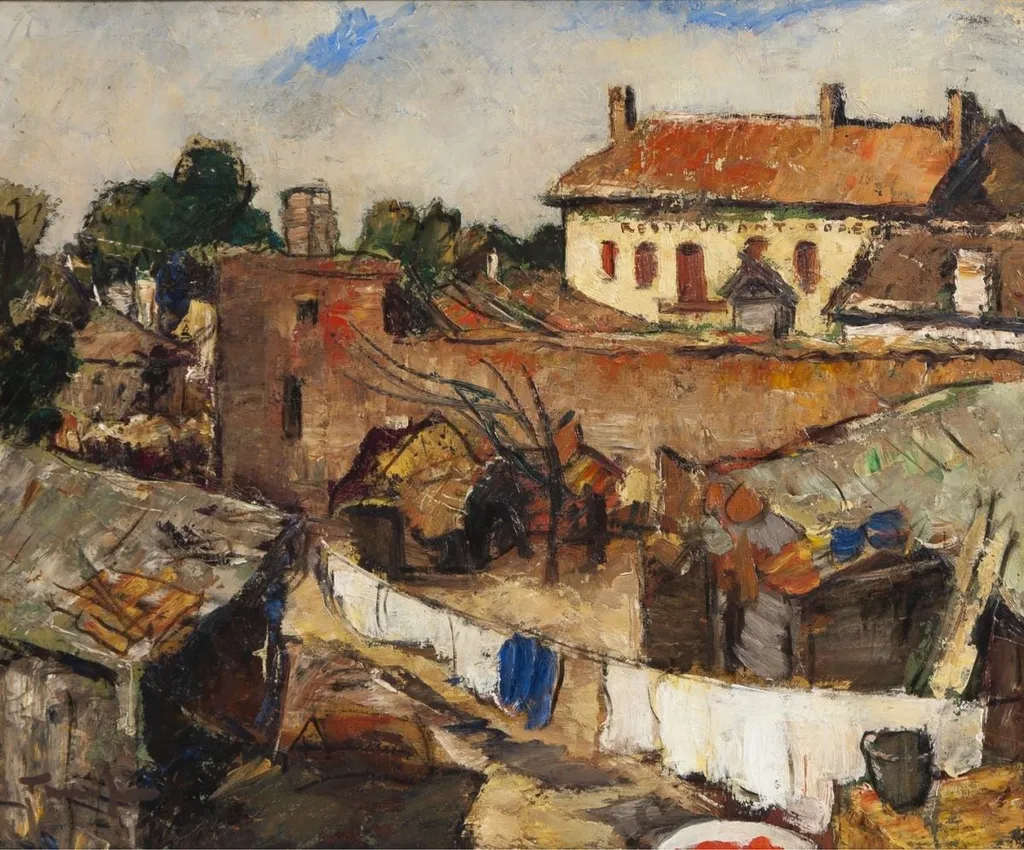
Curte cu rufe – Mangalia is a print by Nicolae Tonitza. It dates from 1929 and is held in the collection of the National Museum of Art of Romania.
About this work
Overview
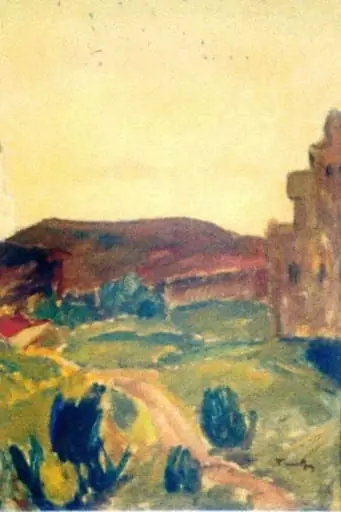
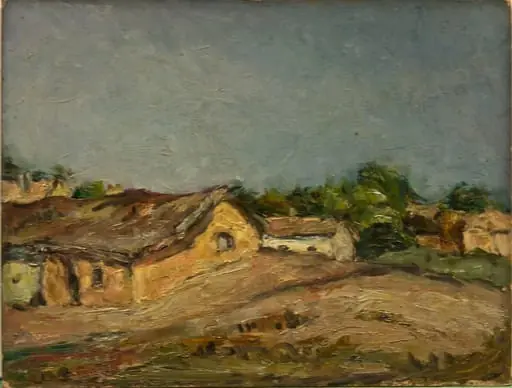
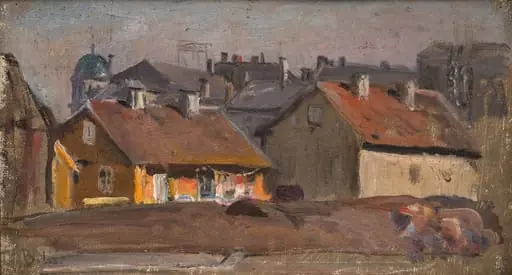
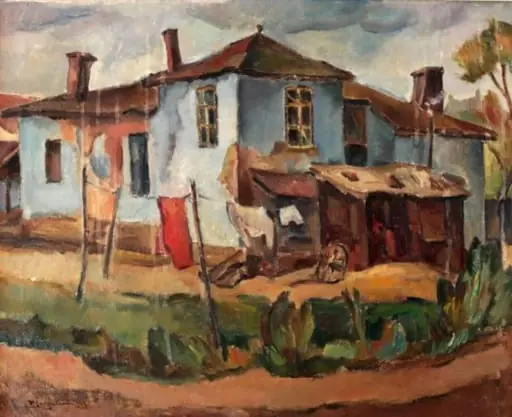
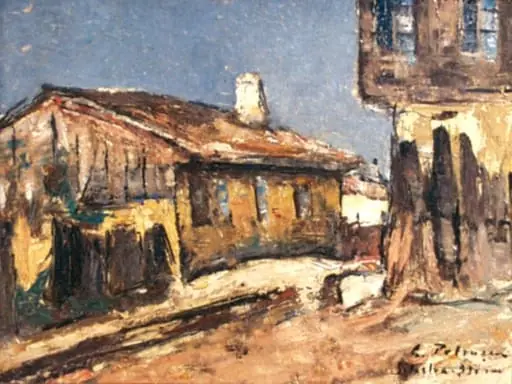
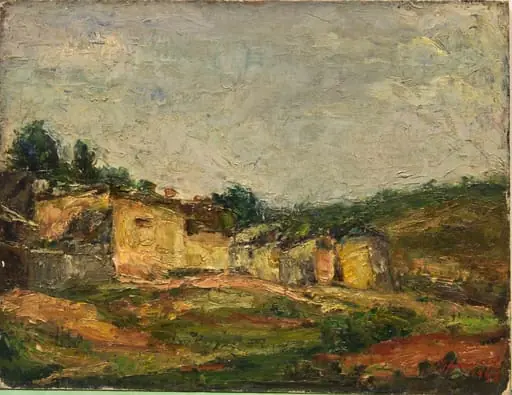
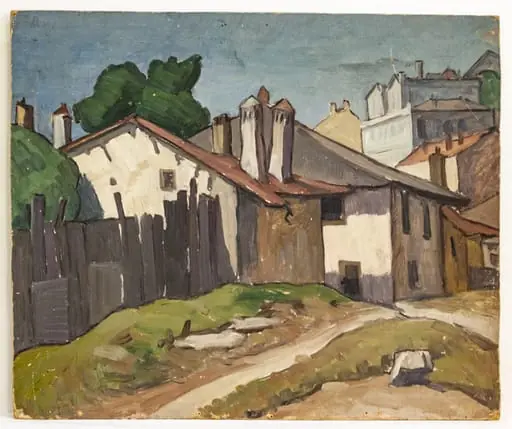
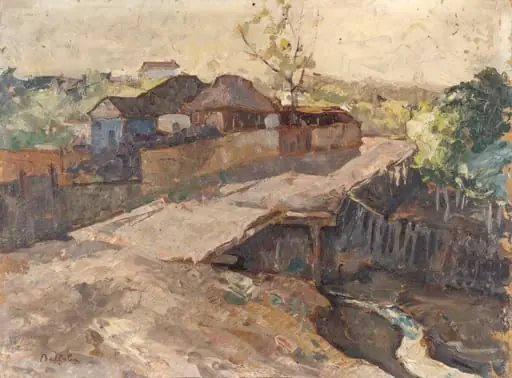
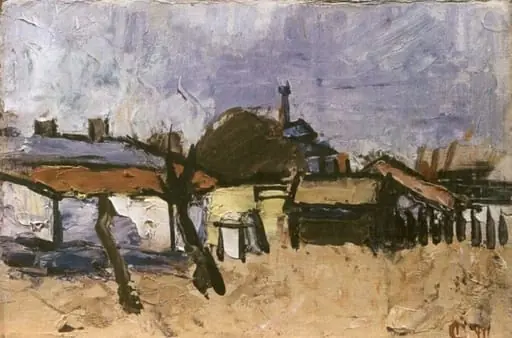
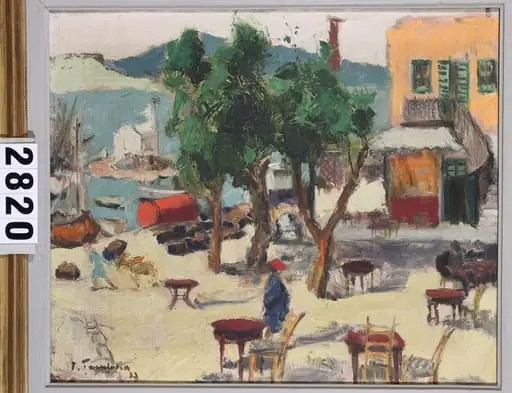
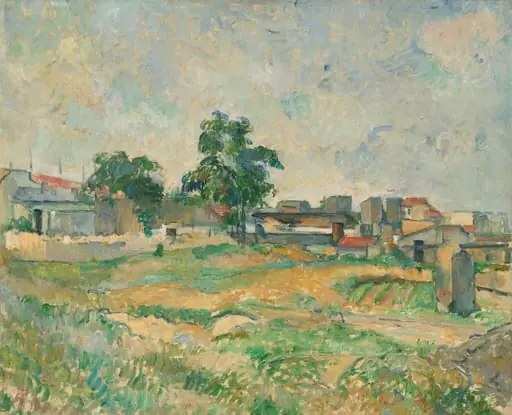
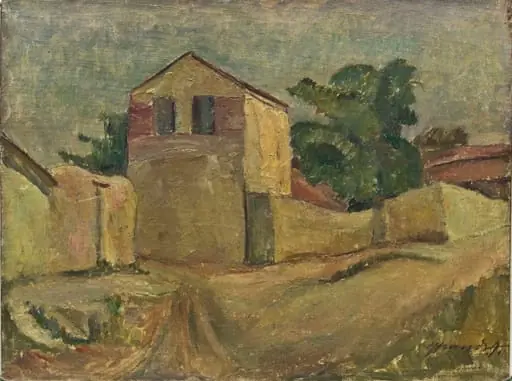
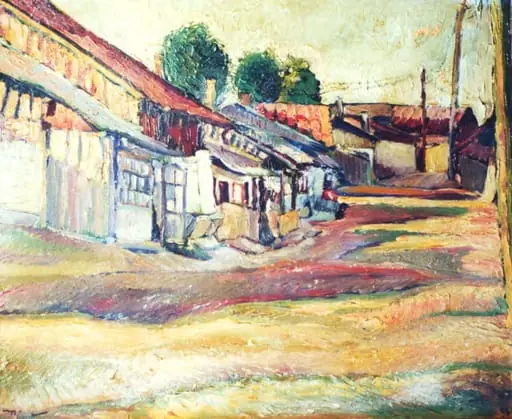
Painted around 1929, Curte cu rufe – Mangalia by Nicolae Tonitza captures a modest courtyard in the Romanian Black Sea town of Mangalia. The scene is rendered with deliberate roughness, avoiding idealized detail in favor of immediate sensory impression. Buildings, laundry, and vegetation are suggested rather than defined, emphasizing the quiet rhythm of daily life in a small coastal settlement.
Subject & Meaning
The inclusion of a commercial sign hints at the quiet intrusion of commerce into private space, grounding the scene in social reality.
The painting depicts a humble domestic space where everyday routines unfold—laundry drying on lines, simple dwellings, and a single labeled structure, 'Restaurant Sobe.' These elements convey no grand narrative but instead honor the unremarkable rhythms of rural coastal life. The inclusion of a commercial sign hints at the quiet intrusion of commerce into private space, grounding the scene in social reality.
Technique & Style
Tonitza employs thick, gestural brushwork and a restrained palette of ochres, browns, and muted blues. Paint is applied with urgency, creating a tactile surface where texture replaces fine detail. The uneven strokes and visible layering suggest spontaneity, as if the artist responded directly to the scene before him. This approach aligns with expressive realism, prioritizing emotional resonance over polished representation.
History & Provenance
Created during Tonitza’s period of deep engagement with Romanian rural life, the work emerged from his travels along the Black Sea coast. It was likely painted on-site, reflecting his interest in capturing authentic local environments. The painting remained within Romanian collections after its creation, eventually entering public institutional holdings, where it continues to represent his regional focus.
Context
In late 1920s Romania, artists like Tonitza turned away from urban modernism to explore provincial life, seeking cultural identity in everyday landscapes. This work aligns with a broader movement to document vernacular architecture and communal routines. Unlike romanticized depictions, Tonitza’s approach was unembellished, reflecting a post-war desire for sincerity and connection to the land.
Legacy
Curte cu rufe – Mangalia exemplifies Tonitza’s contribution to Romanian modernism through its unidealized vision of rural existence. Its raw technique influenced later generations of artists who valued emotional honesty over technical finish. The painting endures as a quiet testament to the dignity of ordinary places, preserved not for spectacle but for its unvarnished truth.
Artist & collection

Artist
Nicolae Tonitza was a Romanian painter, engraver, lithographer, journalist and art critic. Drawing inspiration from Post-Impressionism and Expressionism, he had a major role in introducing modernist guidelines to local art.