Artwork
Flori
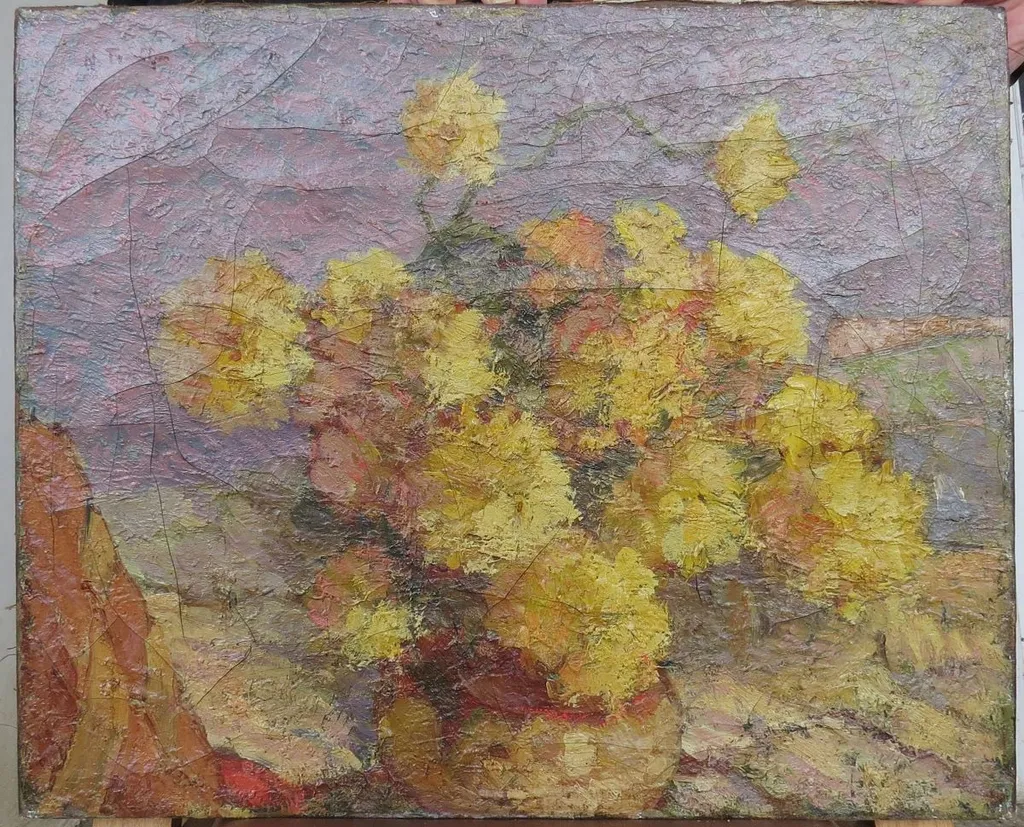
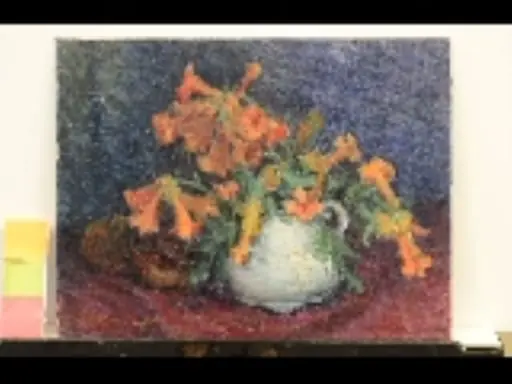
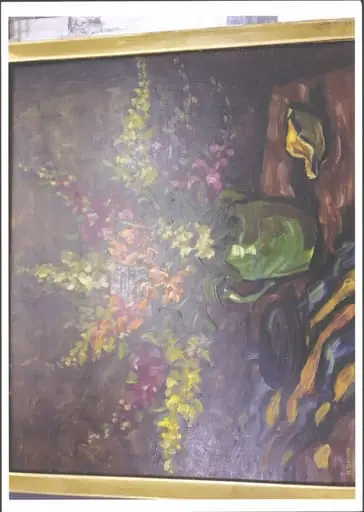
Flori is a print by Nicolae Tonitza. It dates from 1936 and is held in the collection of the Ipotești Memorial - Mihai Eminescu National Center.
About this work
Overview
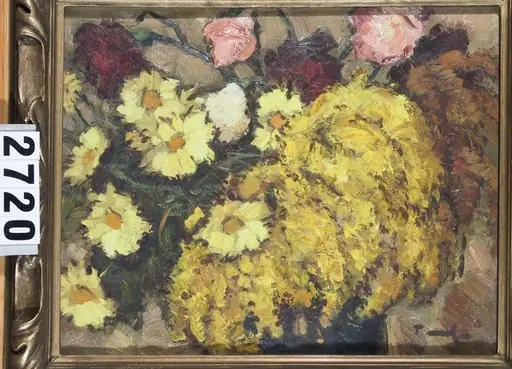
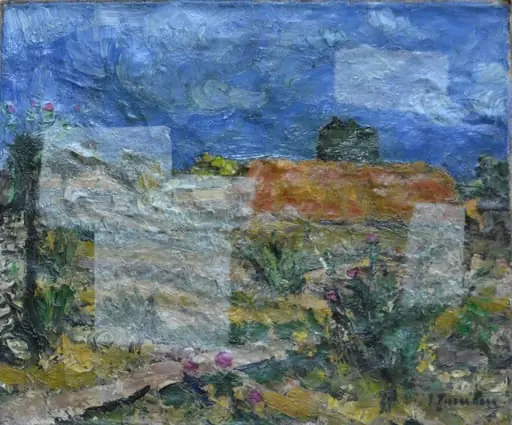
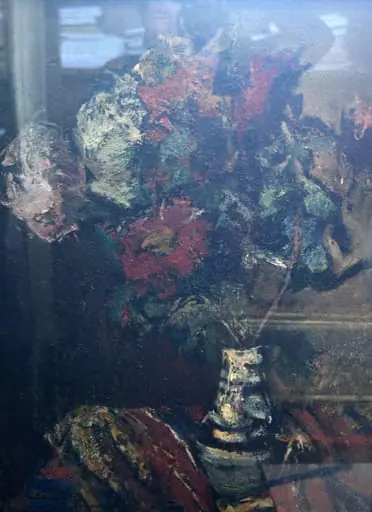
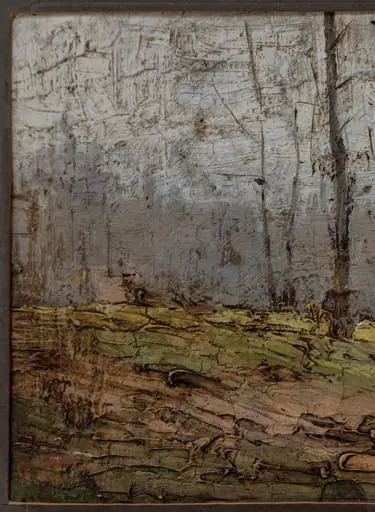
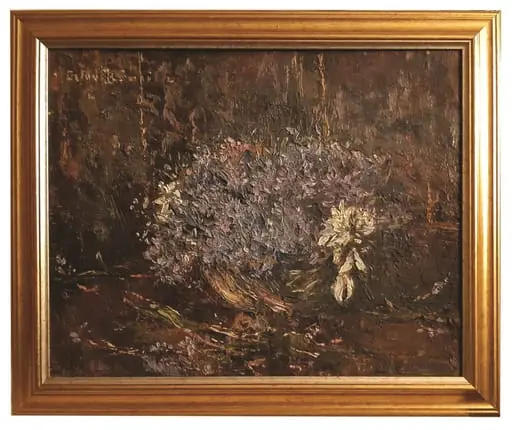
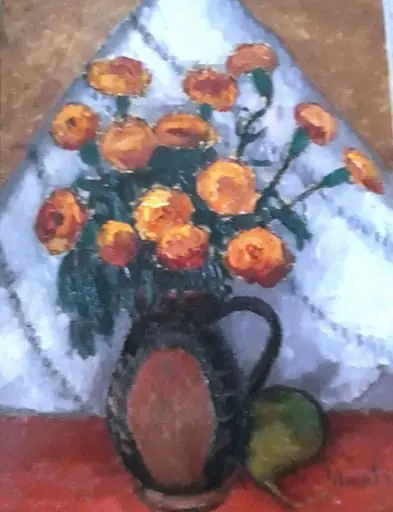
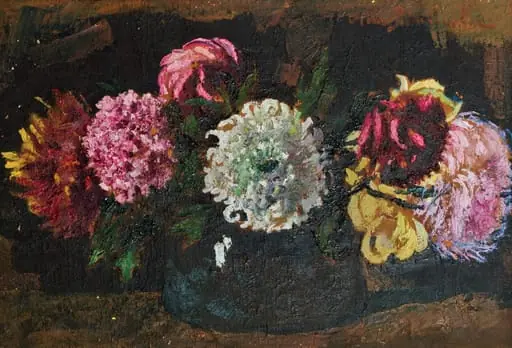
Flori, painted by Nicolae Tonitza in 1936, is a vigorous still life composed of tangled floral and vegetal forms.
Flori, painted by Nicolae Tonitza in 1936, is a vigorous still life composed of tangled floral and vegetal forms. Executed in thick, unrefined strokes, the work rejects orderly composition in favor of raw, tactile expression. It resides in the collection of the Museum of Ethnography, where it stands as an example of Tonitza’s late-period engagement with materiality and emotional intensity over naturalistic representation.
Subject & Meaning
The subject is a dense cluster of wildflowers and branches, rendered without botanical precision. Rather than symbolizing beauty or transience in a traditional sense, the painting conveys a sense of uncontrolled growth and organic chaos. The absence of a clear focal point invites the viewer to experience the scene as an immersive, almost primal force, emphasizing vitality over idealization.
Technique & Style
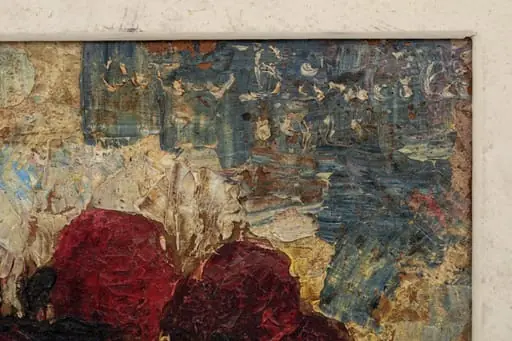
Tonitza applied paint with heavy impasto, using broad, forceful brushwork and scraping tools to build texture. Colors—yellows, reds, purples—are layered crudely, creating a surface that is both tactile and visually turbulent. The background, a muted blend of gray and brown, merges with the foreground, dissolving boundaries between elements and reinforcing the painting’s sense of unstructured energy.
History & Provenance
Flori was completed in 1936 during a period when Tonitza increasingly turned toward expressive abstraction. It entered the Museum of Ethnography’s collection shortly after its creation, likely through direct acquisition or donation. Unlike many of his more figurative works, this piece was not widely exhibited during his lifetime, contributing to its quieter reception in art historical discourse.
Context
In mid-1930s Romania, artistic movements were shifting between modernism and nationalist realism. Tonitza’s Flori diverges from both, aligning more closely with Expressionist tendencies emerging in Central Europe. Its rejection of decorative harmony reflects broader interwar interests in emotional authenticity and material presence, even as it remained outside mainstream institutional favor.
Legacy
Flori endures as a quiet testament to Tonitza’s experimental phase, influencing later Romanian artists who valued painterly gesture over polished finish. Though not widely reproduced, its raw aesthetic has been cited in studies of interwar Romanian modernism as an example of how local artists adapted expressive techniques to convey inner states rather than external reality.
Artist & collection

Artist
Nicolae Tonitza was a Romanian painter, engraver, lithographer, journalist and art critic. Drawing inspiration from Post-Impressionism and Expressionism, he had a major role in introducing modernist guidelines to local art.
Museum
Ipotești Memorial - Mihai Eminescu National Center
Continue through works from the same source collection.