Artwork
În azil
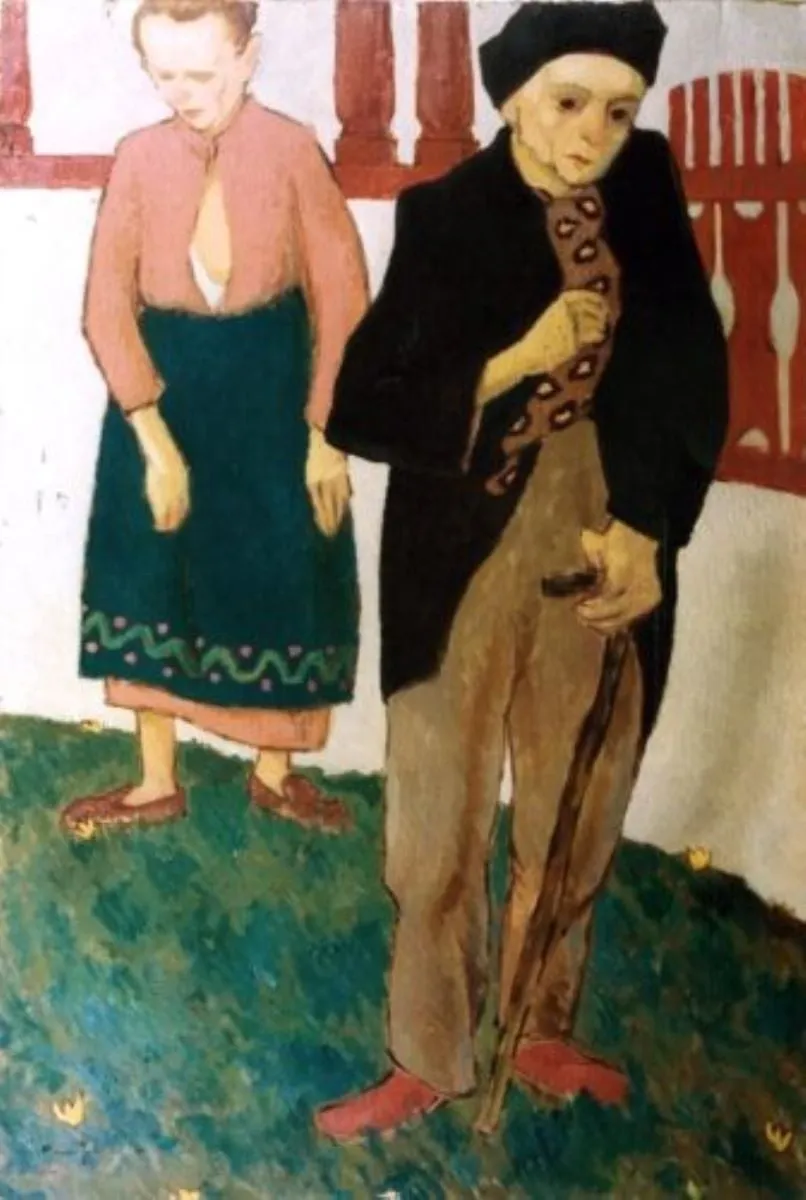
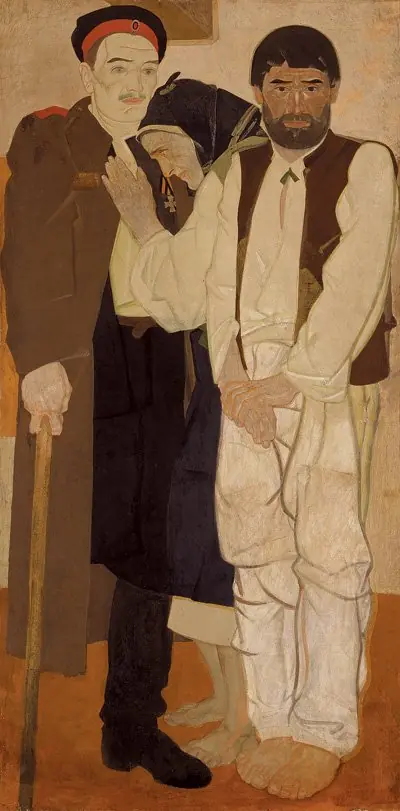
În azil is an unspecified painting by Nicolae Tonitza. It dates from 1921 and is held in the collection of the National Museum of Art of Romania.
About this work
Overview
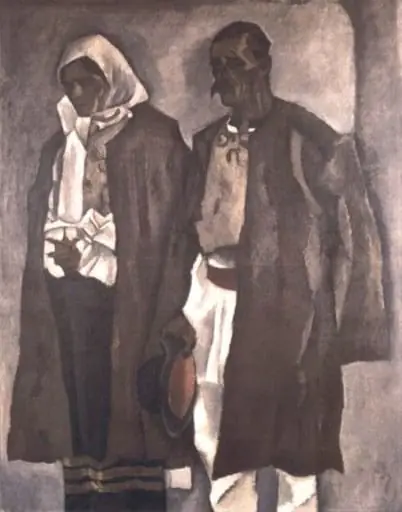
Painted in 1921 by Romanian artist Nicolae Tonitza, În azil depicts an interior scene within a mental institution. The work captures a quiet, unremarkable moment among patients, avoiding dramatic or sensationalized imagery. Tonitza’s focus on ordinary activity within a confined space reflects a humanistic approach to subjects often marginalized in public discourse.
Subject & Meaning
The painting portrays individuals engaged in mundane routines—sitting, standing, gazing—within the institutional setting. Rather than emphasizing pathology, Tonitza presents them as persons navigating daily life, suggesting dignity amid institutionalization. The absence of overt distress invites viewers to consider the quiet resilience of those confined by societal structures.
Technique & Style
Tonitza employs soft, warm tones to model forms and unify the interior space, creating a sense of intimacy. His brushwork is gentle, avoiding sharp contrasts or harsh lines. While not strictly sfumato, the subtle blending of hues and muted transitions contribute to a contemplative atmosphere, reinforcing the painting’s restrained emotional tone.
History & Provenance
Created shortly after World War I, În azil emerged during a period of social reevaluation in Romania. Tonitza, known for his empathy toward vulnerable populations, painted this work after visiting psychiatric facilities. The piece remained in Romanian collections, later entering public museum holdings, where it continues to be studied for its social and artistic significance.
Context
In early 20th-century Romania, mental health institutions were often neglected and poorly documented. Tonitza’s depiction aligns with broader European trends in social realism, where artists turned attention to marginalized communities. His choice to portray asylum life without spectacle reflects a growing interest in humanizing those excluded from mainstream society.
Legacy
În azil is regarded as a significant example of Romanian modernist painting for its compassionate portrayal of institutional life. It influenced later artists to engage with social subjects through quiet observation rather than overt critique. The work remains a touchstone in discussions of art’s role in representing mental health and human dignity.
Artist & collection

Artist
Nicolae Tonitza was a Romanian painter, engraver, lithographer, journalist and art critic. Drawing inspiration from Post-Impressionism and Expressionism, he had a major role in introducing modernist guidelines to local art.