Artwork
Untitled
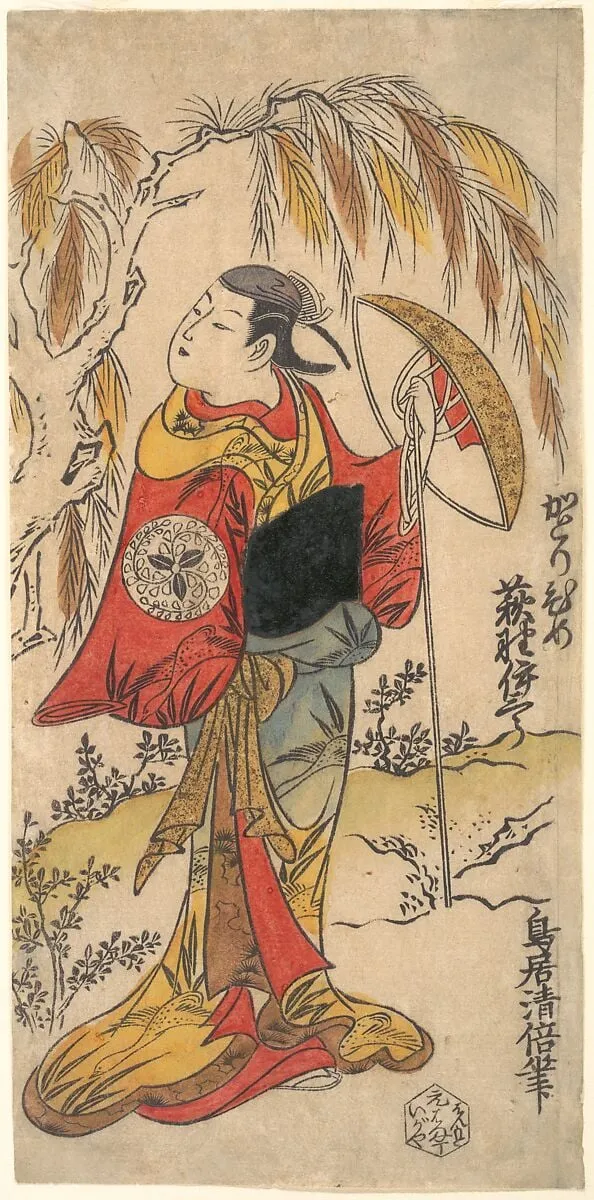
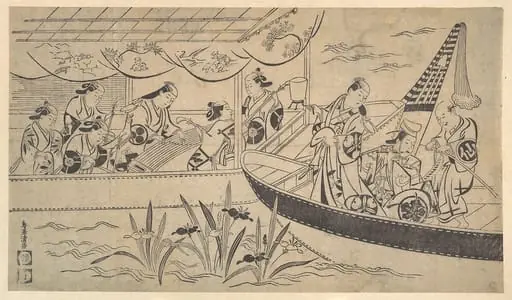
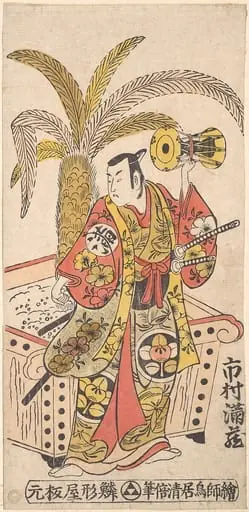
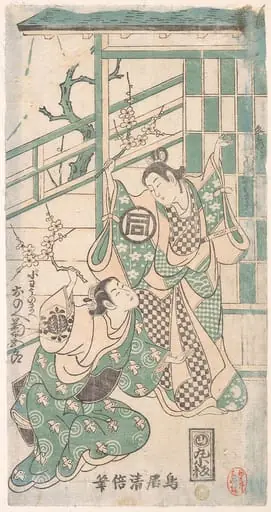
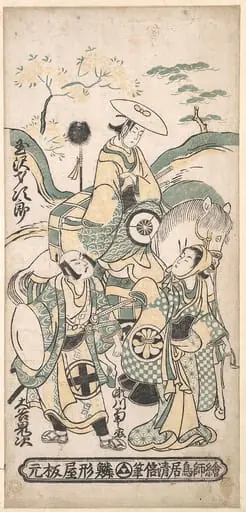
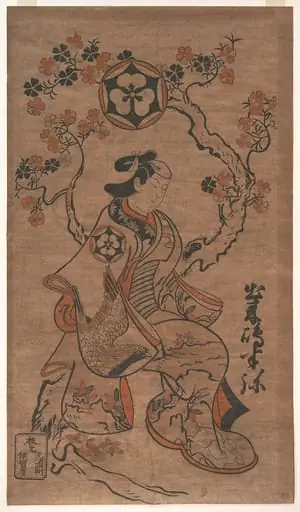
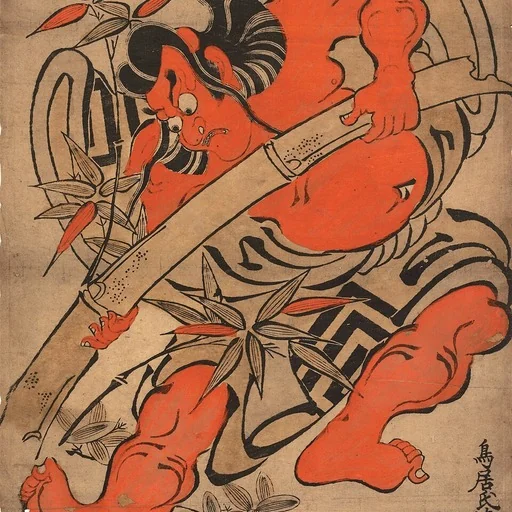
Untitled is a print by the Baroque artist Torii Kiyomasu I. It is held in the collection of the Metropolitan Museum of Art.
About this work
Overview
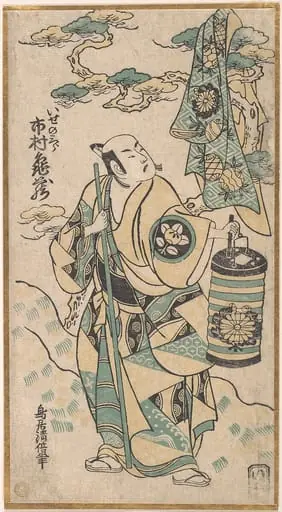
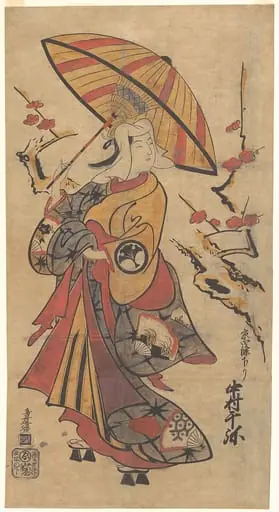
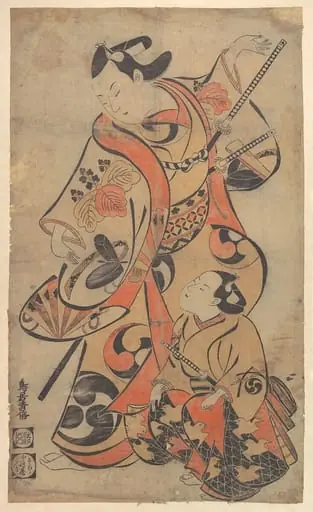
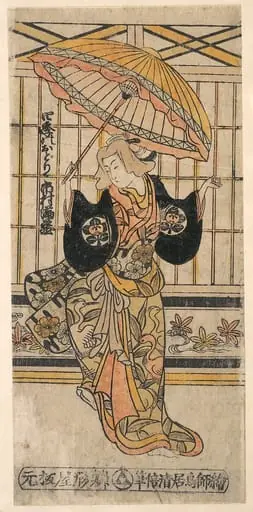
This urushi-e print, attributed to Torii Kiyomasu I and dated around 1734, is part of The Metropolitan Museum of Art’s collection.
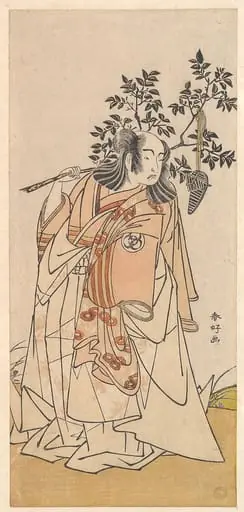
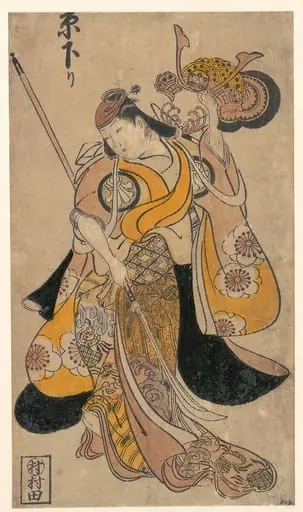
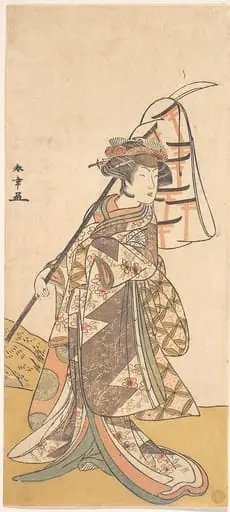
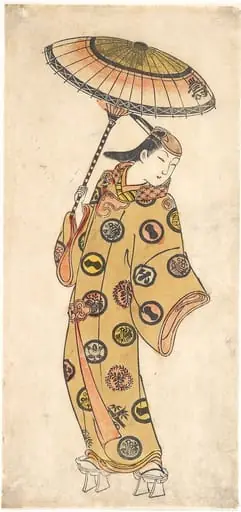
This urushi-e print, attributed to Torii Kiyomasu I and dated around 1734, is part of The Metropolitan Museum of Art’s collection. Created using lacquer-based pigments, it exemplifies early Edo-period woodblock printing techniques. The work presents a solitary male figure in formal attire, positioned before a tree in autumnal bloom. Its restrained composition and refined detail reflect the aesthetic priorities of the Torii school during this period.
Subject & Meaning
The figure, dressed in a richly patterned robe and holding a parasol, suggests a man of social standing, possibly a merchant or courtier engaged in a moment of quiet contemplation. The autumn tree, with its yellowing leaves, evokes transience—a common theme in Japanese art. The parasol, both practical and symbolic, reinforces notions of decorum and refined leisure, aligning the subject with ideals of cultivated elegance in urban Edo society.
Technique & Style
The print employs urushi-e, a method using lacquer pigments to achieve glossy, dense blacks and deep reds, enhancing tactile richness. Lines are crisp, forms are simplified yet deliberate, and color areas are flat yet carefully balanced. Unlike Western Baroque traditions, the composition avoids dramatic lighting or motion; instead, it favors stillness and subtle tonal variation, characteristic of early ukiyo-e’s emerging visual language.
History & Provenance
Attributed to Torii Kiyomasu I, this work originates from the early 18th century, a formative era for ukiyo-e printmaking. The Torii school specialized in actor and beauties prints, though this piece departs into portraiture, suggesting broader thematic experimentation. It entered The Metropolitan Museum of Art’s collection through documented acquisitions, likely from early 20th-century Japanese art dealers or collectors who preserved Edo-period prints.
Context
Produced during the Genroku and Kyōhō eras, this print reflects the growing urban culture of Edo, where leisure and visual pleasure became central to merchant-class identity. While kabuki actors and courtesans dominated ukiyo-e, this solitary figure indicates a quieter, more introspective strand of imagery. The use of lacquer pigments signals a transitional phase before full-color nishiki-e prints became standard later in the century.
Legacy
Though less widely known than later ukiyo-e masters, works like this helped establish the visual vocabulary of Japanese printmaking. The Torii school’s emphasis on line and stylized form influenced generations of artists. This print remains a quiet testament to the period’s evolving aesthetics—where refinement, restraint, and natural motifs laid groundwork for the vibrant prints that followed.
Artist & collection
Artist
Torii Kiyomasu was the shop name of a printmaker in Edo—modern Tokyo—who spent his short career plastering the city with bold, eye-catching posters.