Artwork
Untitled
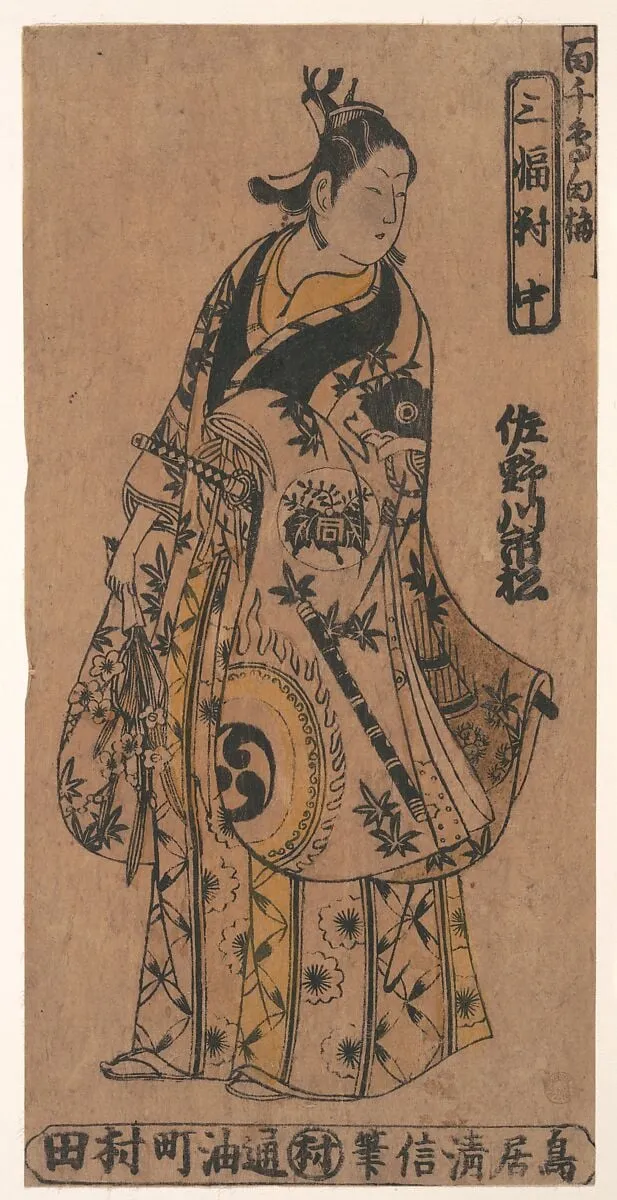
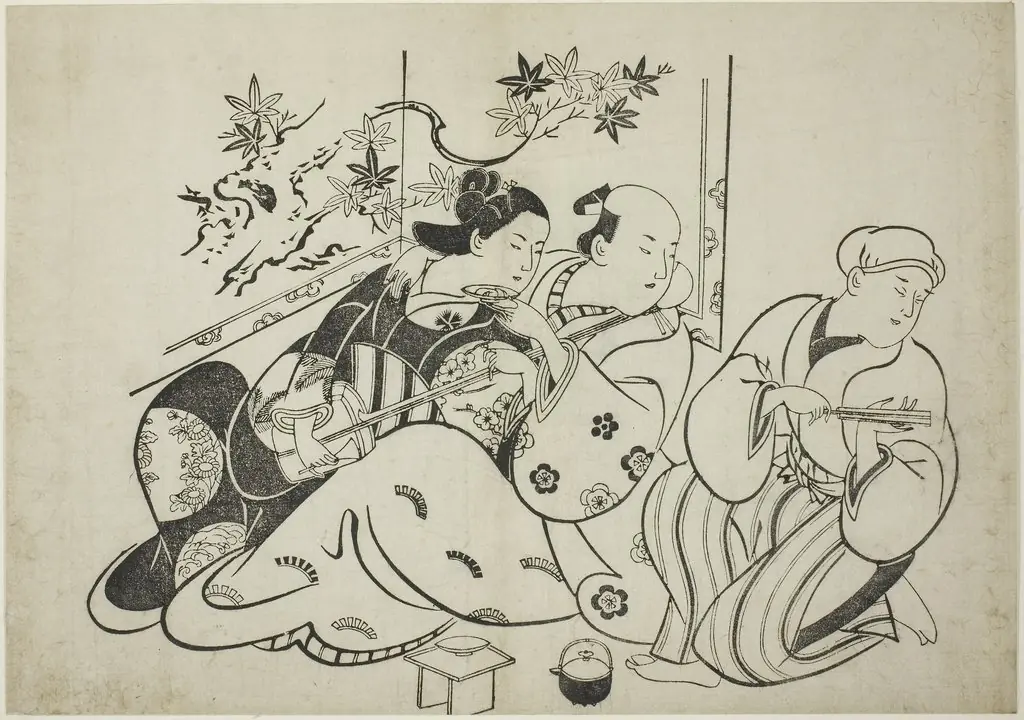
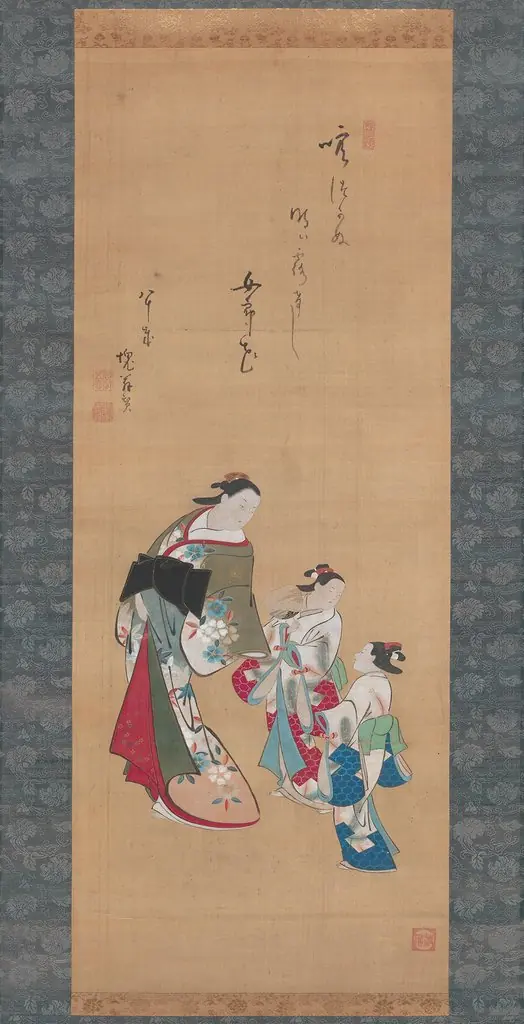
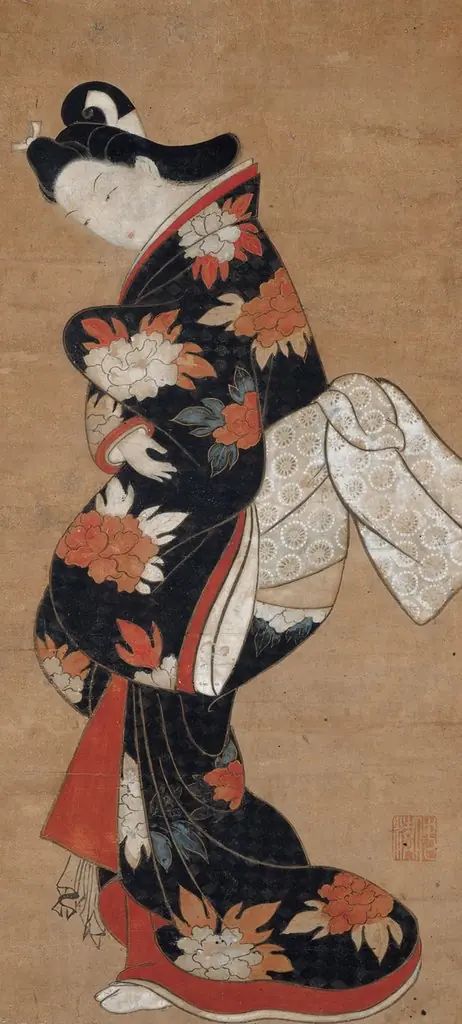
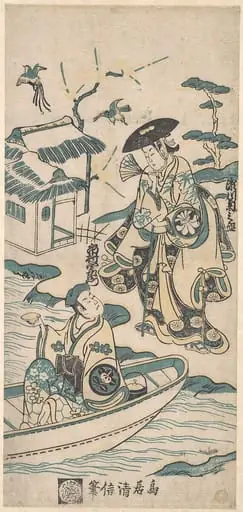
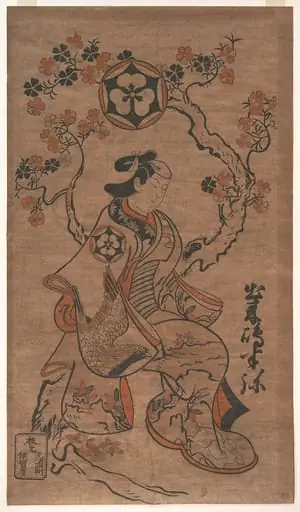
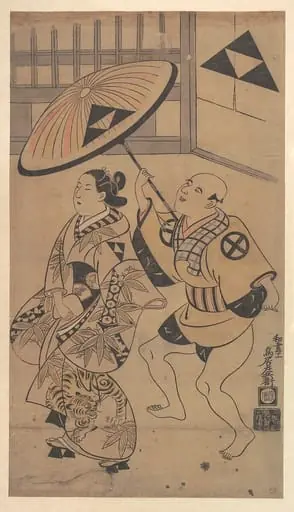
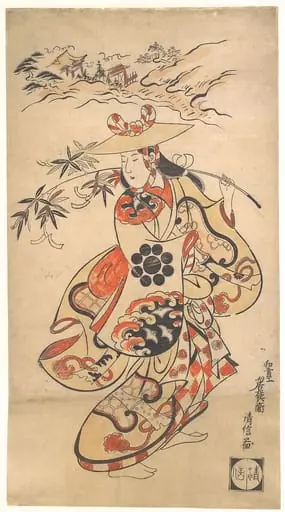
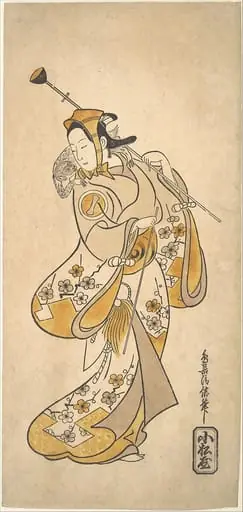
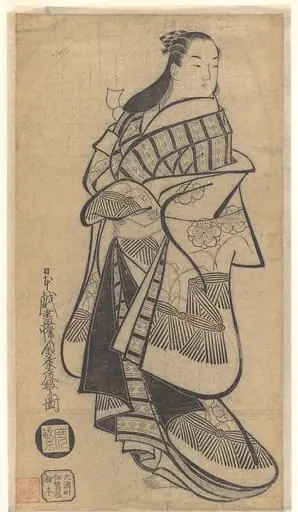
Untitled is an ink print by the Baroque artist Torii Kiyonobu. It is held in the collection of the Metropolitan Museum of Art.
About this work
Overview
This woodblock print, dated around 1750, is attributed to Torii Kiyonobu I, a key figure in early Edo-period printmaking.
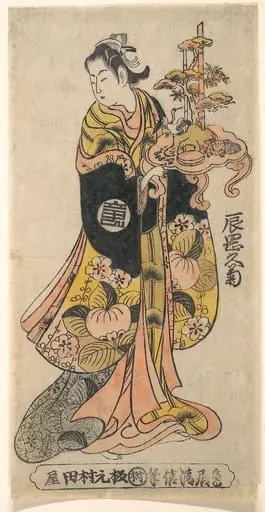
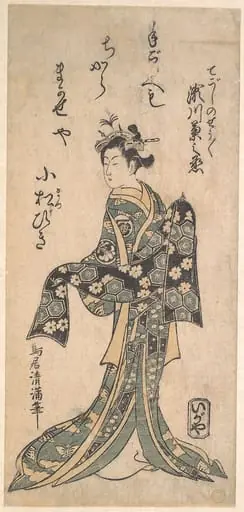
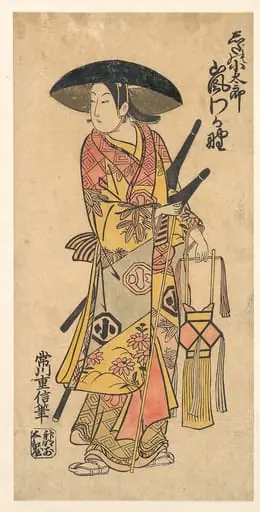
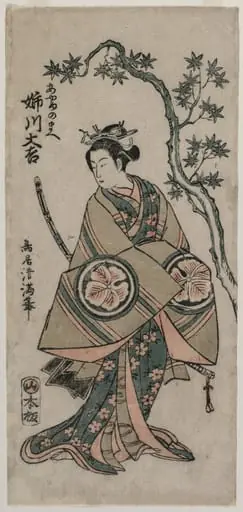
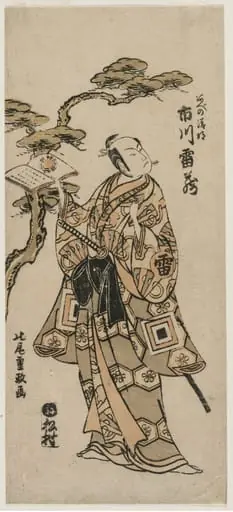
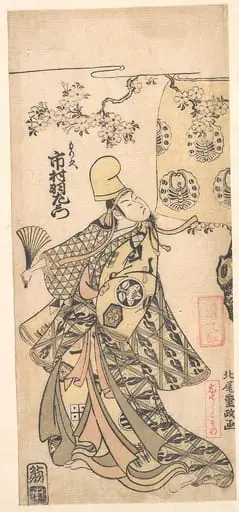
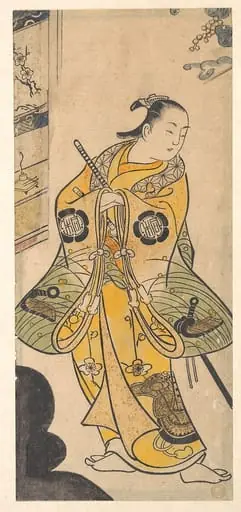
This woodblock print, dated around 1750, is attributed to Torii Kiyonobu I, a key figure in early Edo-period printmaking. Executed in ink and color on paper, it exemplifies the ukiyo-e tradition of depicting theatrical figures. The Metropolitan Museum of Art holds the work, which reflects the era’s popular demand for images of performers. Its composition isolates the subject against a blank background, emphasizing form and pattern over setting.
Subject & Meaning
The figure, likely a kabuki actor in costume, wears an elaborate robe adorned with floral motifs, wave patterns, and abstract symbols. The raised hairstyle and sandals suggest a stylized representation rather than everyday attire. The fan, held with deliberate posture, signals theatrical gesture. These elements together evoke performance identity, reinforcing the print’s function as a visual record of stage personas rather than a portrait of an individual.
Technique & Style
The print employs bold, black outlines and flat areas of vivid color, characteristic of the Torii school’s approach to actor prints. Ink is applied thickly to define contours, while color is distributed evenly without shading, enhancing graphic impact. The absence of background detail directs attention to the figure’s ornate clothing and posture. This stylistic choice prioritizes clarity and visual rhythm over naturalism, aligning with commercial print conventions of the time.
History & Provenance
Created in the mid-18th century, the print emerged during a period when woodblock prints of kabuki actors were widely circulated as collectibles. Torii Kiyonobu I, active in Edo, helped standardize the visual language of actor portraiture. The work entered The Metropolitan Museum of Art’s collection as part of its broader acquisition of Japanese prints, preserving a tangible link to Edo’s popular visual culture.
Context
During the Edo period, actor prints served as both advertisements and memorabilia for kabuki theater audiences. The Torii school specialized in these images, capturing the exaggerated expressions and costumes of stage stars. This print reflects a market-driven art form, where visual formulas were refined for mass appeal. Such works were affordable and disposable, yet many survived due to their cultural resonance.
Legacy
Though unsigned and untitled, the print contributes to the documented evolution of ukiyo-e portraiture. Its stylistic traits influenced later artists and helped define the aesthetic of actor prints. Today, it stands as an example of how commercial art in Edo Japan blurred the lines between entertainment, identity, and visual culture, offering insight into the social life of its time.
Artist & collection
Artist
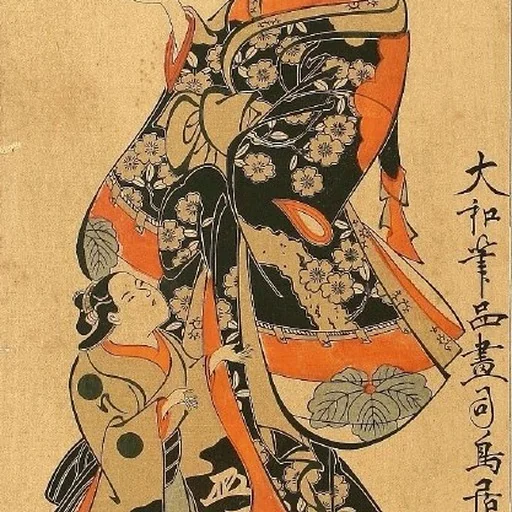
Torii Kiyonobu I (Japanese: 鳥居 清信; c. 1664 – 22 August 1729) was a Japanese painter and printmaker in the ukiyo-e style, who is renowned for his work on kabuki signboards and related materials. Along with his father…