Artwork
Courtesan and Two Attendants
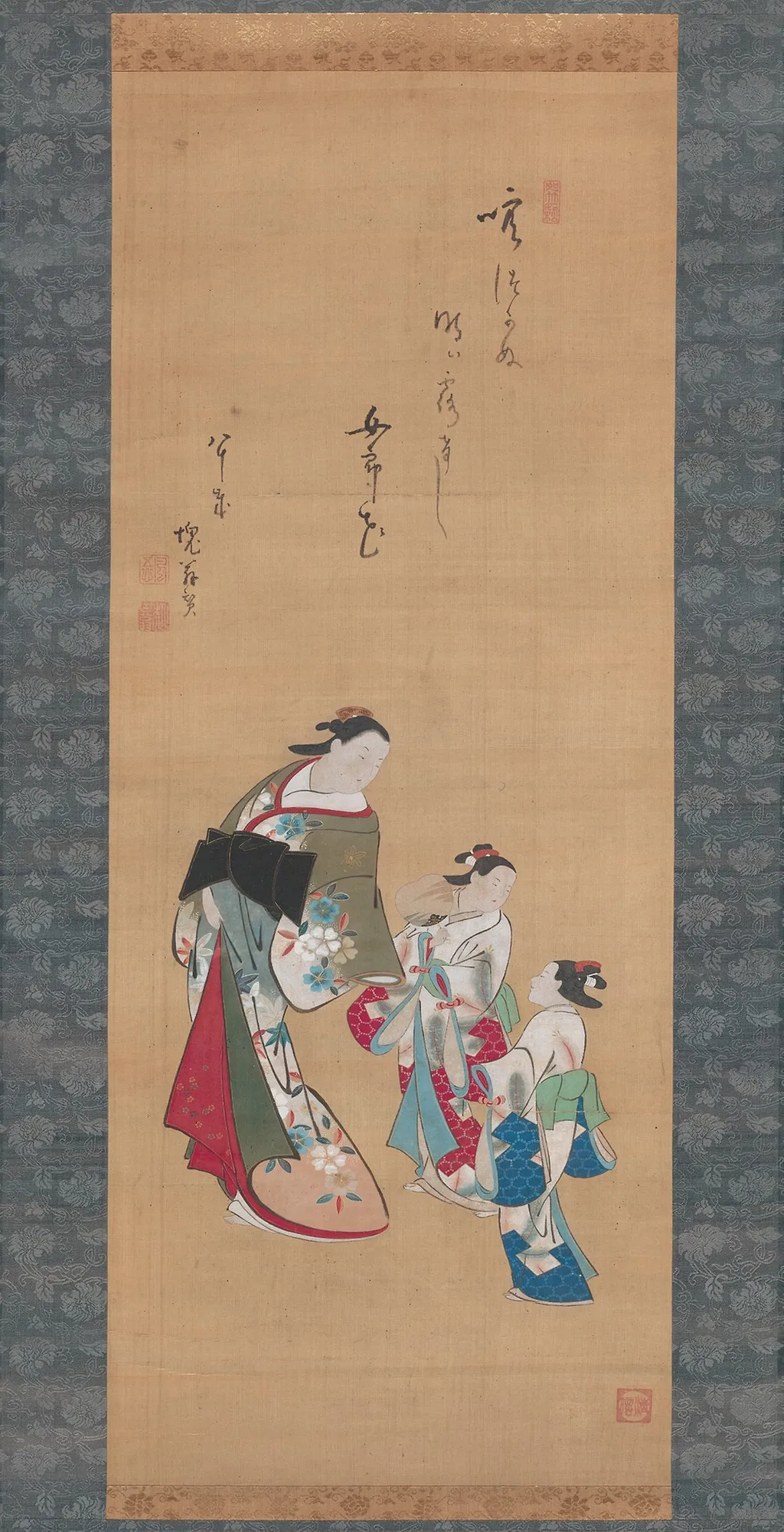
Courtesan and Two Attendants is an unspecified painting by Torii Kiyonobu. It dates from 1705 and is held in the collection of the Art Institute of Chicago.
About this work
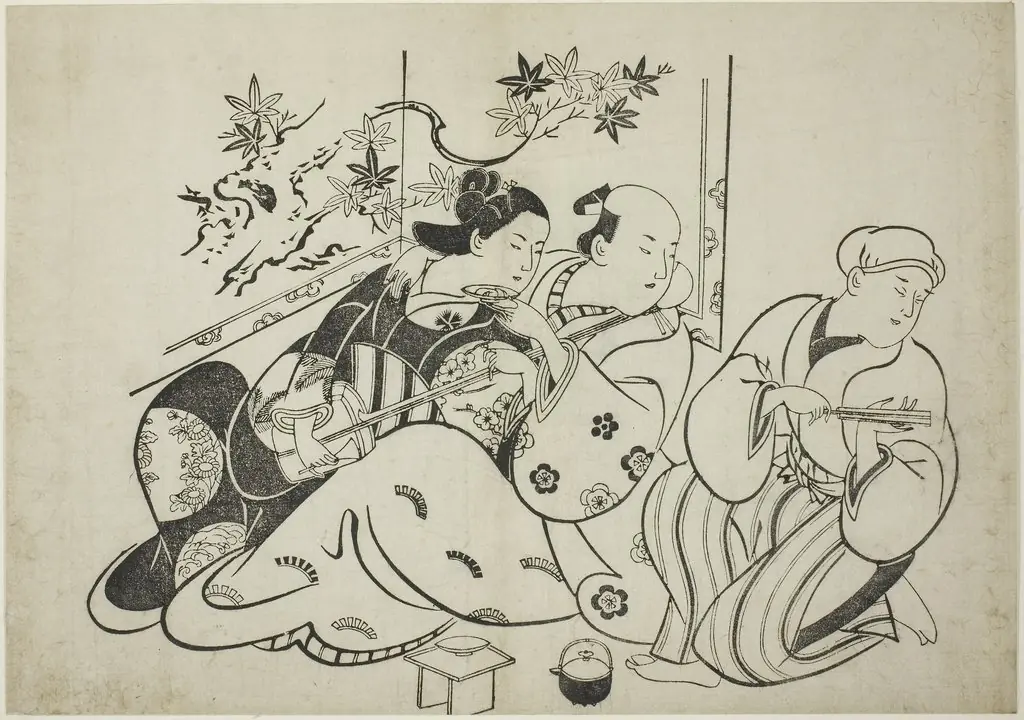
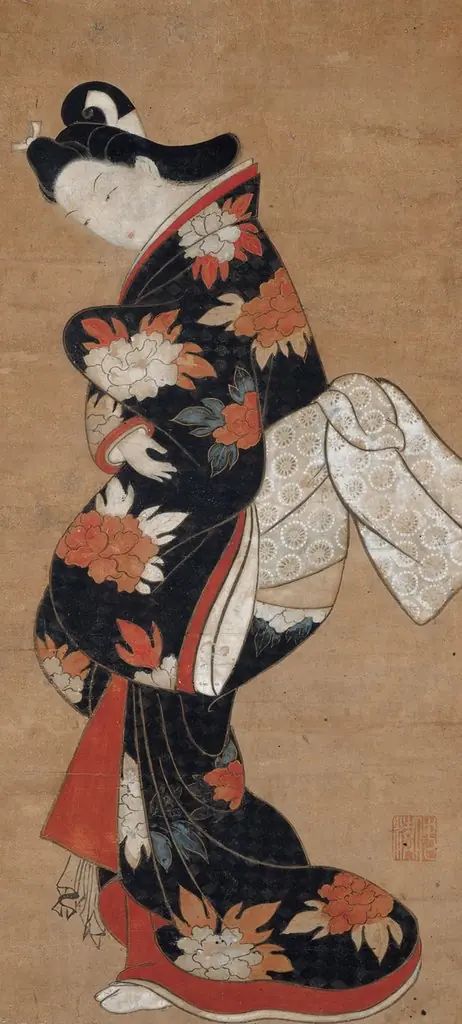
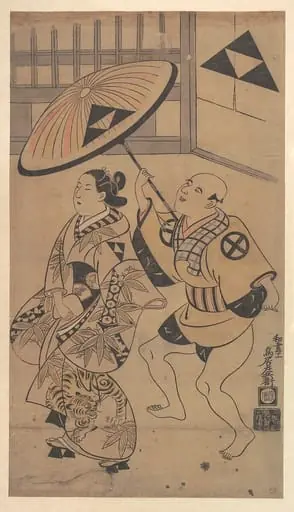
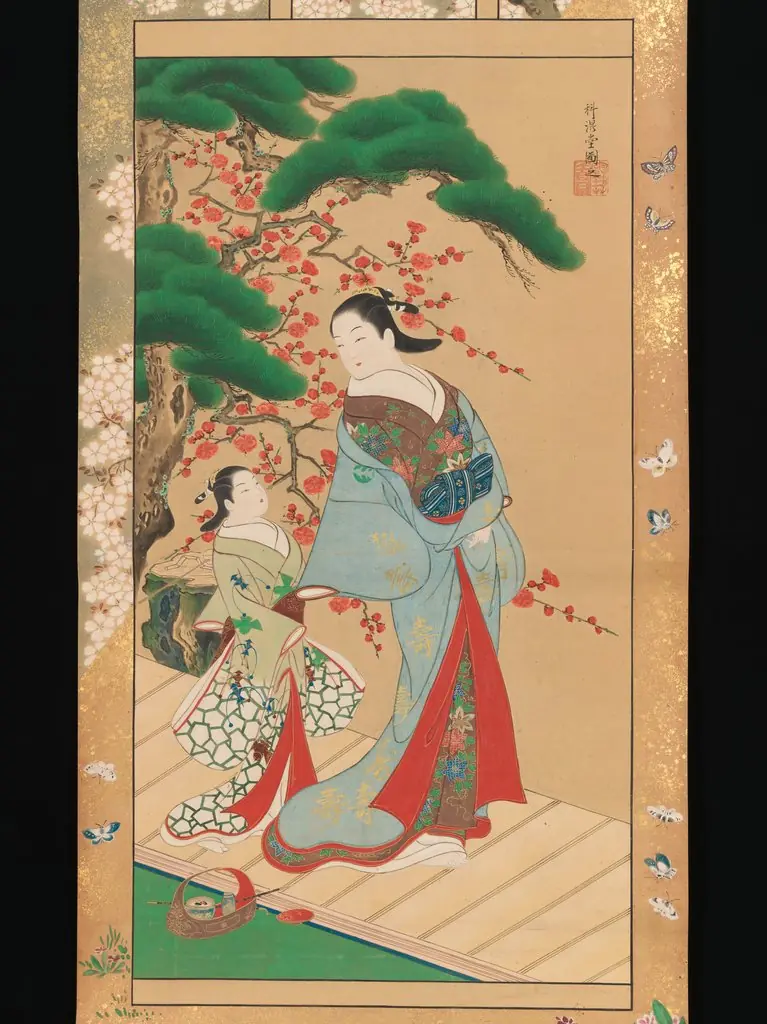
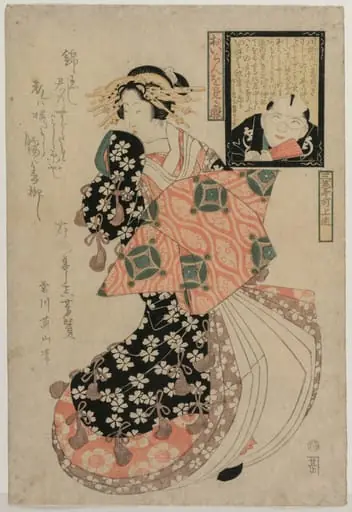
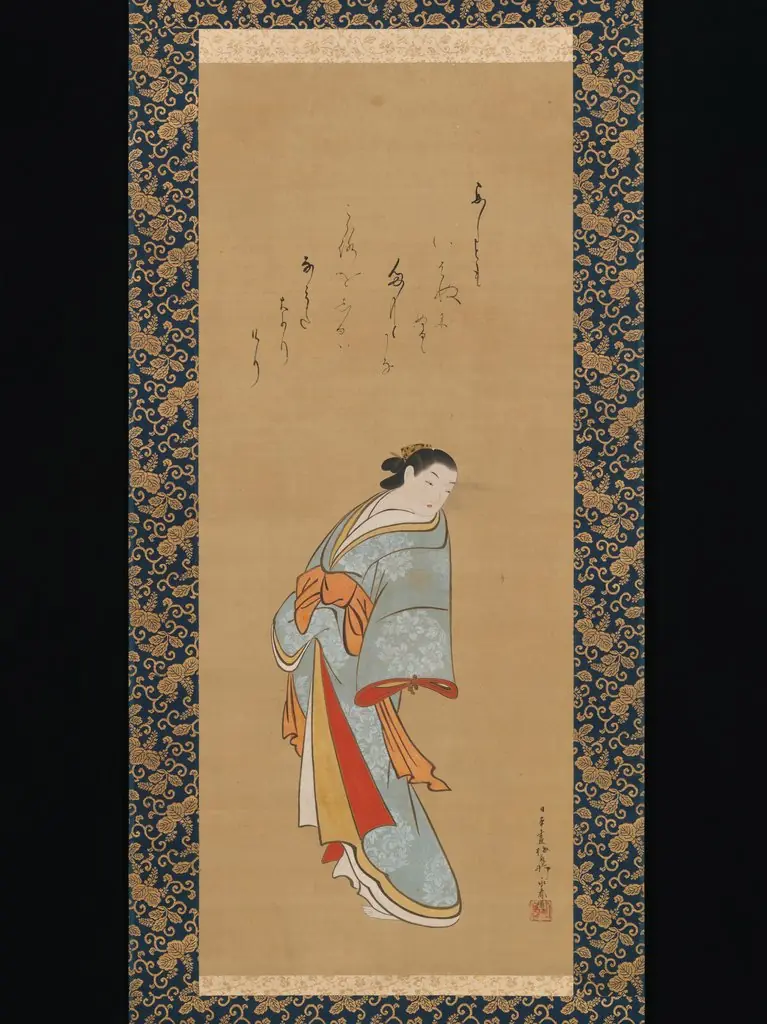
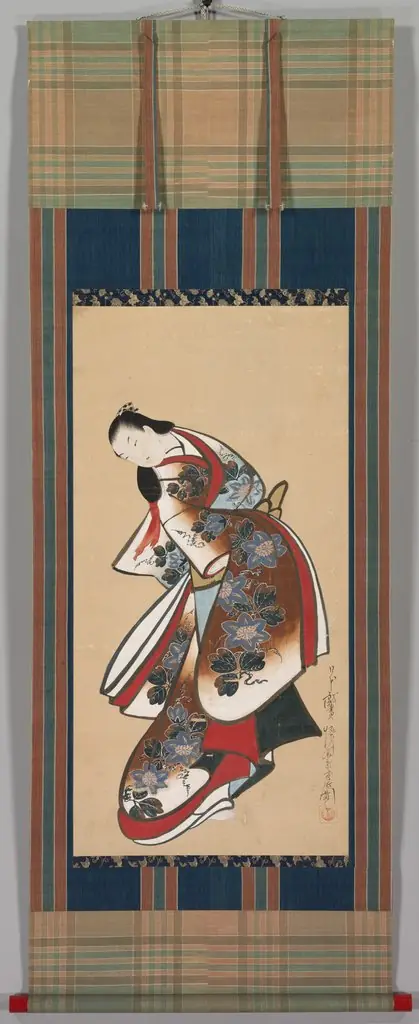
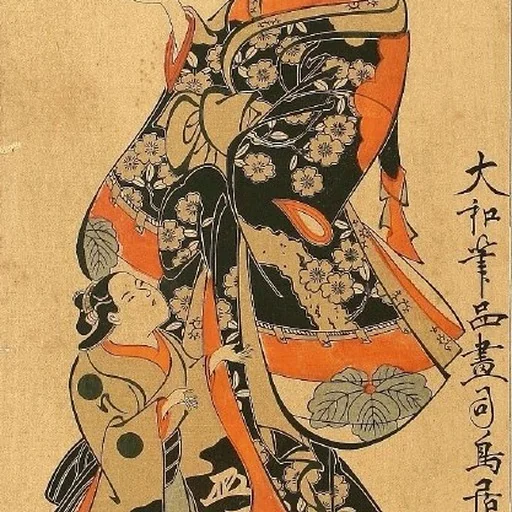
The woman on the left is wearing a kimono with a floral pattern, and the two women on the right are dressed in simpler kimonos.
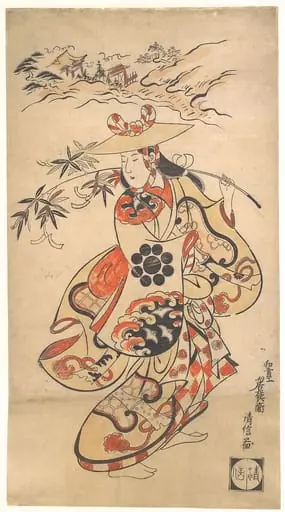
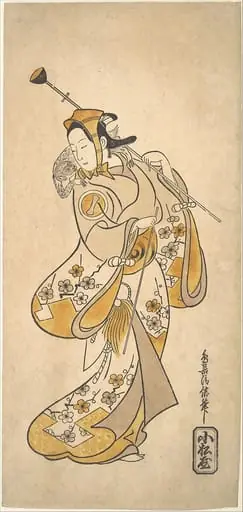
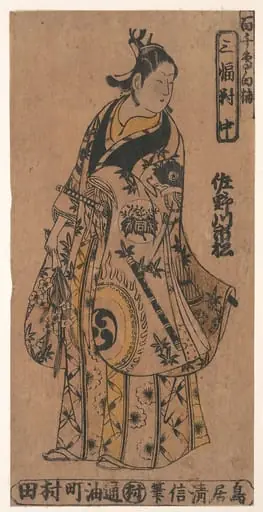
This painting shows three women in traditional Japanese clothing. The woman on the left is wearing a kimono with a floral pattern, and the two women on the right are dressed in simpler kimonos. The background of the painting is a light brown color.
The woman on the left is holding a black box, and the two women on the right are standing next to her. The painting has a sense of movement and energy, as if the women are about to walk out of the scene.
The painting is a beautiful example of Japanese art from the early 18th century. If you're interested in learning more about this style of art, you might want to look up the artist Torii Kiyonobu.
Overview
Created in 1705, *Courtesan and Two Attendants* is a painted work by Torii Kiyonobu I, an early‑Edo period artist associated with the ukiyo‑e tradition. The composition presents three women in contemporary dress, set against a muted, light‑brown backdrop that emphasizes their figures and the objects they hold.
Subject & Meaning
The central figure is a courtesan, identifiable by her elaborate kimono with a floral motif, while the two companions wear simpler garments. The courtesan clutches a black lacquered box, suggesting a role in presenting gifts or personal items, and the grouping reflects the social hierarchy and entertainment culture of Edo’s pleasure districts.
Technique & Style
Kiyonobu employs flat areas of colour and defined outlines characteristic of early ukiyo‑e painting, allowing the patterned kimono to stand out against the subdued background. The brushwork conveys a sense of movement, as the figures appear poised to step forward, a visual strategy that animates the scene without relying on detailed perspective.
History & Provenance
Born around 1664 as the second son of a kabuki actor‑painter, Kiyonobu moved from Osaka to Edo in his mid‑twenties and became a leading figure in the Torii school, which specialized in theatrical subjects. This work exemplifies his early output before the school’s later focus on woodblock prints.
Context
The painting belongs to a period when ukiyo‑e artists documented the vibrant urban life of Edo, especially the world of courtesans, actors, and their entourages. By portraying a courtesan with attendants, the work aligns with contemporary interests in the pleasures and hierarchies of the floating world, offering a visual record of fashion and social interaction.
Artist & collection
Artist
Torii Kiyonobu I (Japanese: 鳥居 清信; c. 1664 – 22 August 1729) was a Japanese painter and printmaker in the ukiyo-e style, who is renowned for his work on kabuki signboards and related materials. Along with his father…